

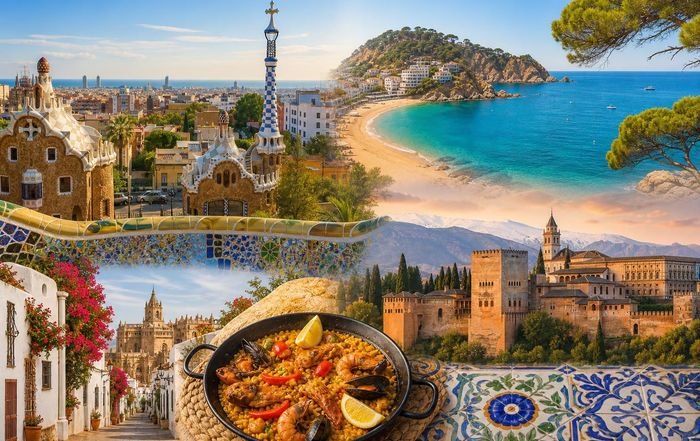
Spain Travel Guide to Beaches, Cities and Cultural Highlights
Spain continues to stand out as one of the world's most compelling destinations, offering a rare combination of coastal beauty, vibrant cities, and deeply rooted cultural traditions that appeal to first-time visitors and seasoned travelers alike. For the kind growing travel, loving audience, here, Spain represents not only a holiday choice but an immersive journey into history, gastronomy, art, and contemporary European life, all wrapped in a warm Mediterranean climate and an atmosphere that prizes connection, celebration, and hospitality.
This guide explores Spain's most inspiring beaches, cities, and cultural highlights with an emphasis on trustworthy, up-to-date information, helping travelers design experiences that feel both personally meaningful and globally responsible.
The Allure of Spain's Coastline
Spain's coastline stretches for thousands of kilometers along the Mediterranean Sea, the Atlantic Ocean, and the Bay of Biscay, and it encompasses some of Europe's most recognizable beach destinations as well as quieter, lesser-known coastal towns. From the Costa del Sol in Andalusia to the rugged shores of the Costa Brava and the wild Atlantic beaches of the north, the variety of landscapes ensures that nearly every traveler can find a shoreline that matches their preferred style of relaxation or adventure.
On the Mediterranean side, the Costa del Sol and Costa Blanca remain iconic, with resort towns such as Málaga, Marbella, Alicante, and Benidorm drawing visitors for their warm climate, long beach promenades, and wide selection of accommodations. For those planning their stay, resources like Spain's official tourism portal and accommodation-focused platforms can be complemented by the curated hotel insights on WorldWeTravel at worldwetravel.com/hotels.html, where travelers can compare styles ranging from boutique coastal properties to family-oriented resorts.
Further north along the Mediterranean, Catalonia's Costa Brava offers coves framed by pine forests and rocky cliffs, with towns such as Tossa de Mar and Cadaqués providing a more intimate atmosphere than the larger resort hubs. The region has become a reference point for those seeking a blend of seaside relaxation and local culture, and organizations such as Visit Costa Brava and cultural institutions linked through Catalonia's official tourism site provide reliable information on hiking routes, marine reserves, and cultural events.
On the Atlantic side, the coasts of Galicia, Asturias, and the Basque Country attract travelers who value wilder landscapes and cooler summers. Beaches like Playa de las Catedrales in Galicia, known for its dramatic rock arches, and the surf-friendly shores near San Sebastián and Zarautz have been repeatedly highlighted by sources such as Lonely Planet and National Geographic Travel for their natural beauty and outdoor sports opportunities. These areas also intersect strongly with Spain's culinary excellence, making them ideal for visitors who wish to combine coastal walks and surfing with world-class gastronomy.
For island escapes, the Balearic Islands and Canary Islands remain central to Spain's beach appeal. Mallorca, Menorca, Ibiza, and Formentera in the Balearics offer everything from quiet calas (small coves) to glamorous nightlife, while Tenerife, Gran Canaria, Lanzarote, and Fuerteventura in the Canaries are prized for their volcanic landscapes, year-round mild weather, and increasingly sophisticated hotel and wellness infrastructure. Organizations such as Turismo de Islas Baleares and Turismo de Canarias provide detailed guidance on protected natural areas and sustainable tourism practices, and travelers can deepen their planning with destination overviews at worldwetravel.com/destinations.html.
Iconic Cities: Madrid, Barcelona, and Beyond
Spain's cities are laboratories of architecture, art, and urban life, and they form the backbone of many itineraries. Madrid and Barcelona remain the primary gateways, but travelers increasingly pair them with second-tier cities such as Valencia, Seville, Bilbao, and Málaga to gain a fuller sense of the country's diversity.
Madrid, the capital, anchors the nation's cultural scene with institutions like the Museo del Prado, the Museo Nacional Centro de Arte Reina Sofía, and the Museo Thyssen-Bornemisza, together known as the "Golden Triangle of Art." These museums house masterpieces from Velázquez, Goya, and El Greco to Picasso and Miró, and they maintain updated visitor information and special exhibition schedules through their official websites, which can be accessed via portals such as Spain's Ministry of Culture. Madrid's evolving culinary scene, documented by guides like the Michelin Guide and The World's 50 Best Restaurants, showcases a fusion of traditional taverns and innovative restaurants, reinforcing the city's status as a gastronomic destination in its own right.
Barcelona offers a different kind of urban experience, defined by the works of Antoni Gaudí, the Modernist architecture of the Eixample district, and a strong Mediterranean identity. Landmarks such as the Sagrada Família, Park Güell, and Casa Batlló are managed by dedicated foundations and organizations that provide real-time information on ticketing and conservation efforts through their official websites, for example sagradafamilia.org. Urban planners and cultural commentators often highlight Barcelona as a case study in balancing mass tourism with local quality of life, and sources such as UNESCO and academic publications on urban sustainability have examined both the successes and ongoing challenges of this model.
Beyond these two giants, cities like Valencia have gained international recognition for their waterfront redevelopment and cultural projects such as the Ciutat de les Arts i les Ciències, a striking complex of museums and performance spaces designed by Santiago Calatrava. Seville continues to enchant visitors with its Gothic cathedral, the Real Alcázar, and the atmospheric Santa Cruz neighborhood, while Bilbao has transformed itself from an industrial center into a cultural hub centered around the Guggenheim Museum Bilbao, frequently cited in urban regeneration studies and by organizations like OECD as an example of culture-driven economic renewal.
For travelers designing multi-city routes, WorldWeTravel offers practical guidance on transportation, timing, and local experiences at worldwetravel.com/travel.html, helping visitors connect Spain's urban highlights in a way that respects both personal pace and regional authenticity.
Cultural Highlights: Art, Architecture, and Living Traditions
Spain's cultural landscape is layered and complex, shaped by Roman, Visigothic, Islamic, Jewish, and Christian influences as well as regional languages and identities that persist alongside a shared national narrative. UNESCO maintains an extensive list of World Heritage Sites in Spain, reflecting the breadth of its cultural and natural heritage, from the historic centers of Toledo, Santiago de Compostela, and Córdoba to the works of Gaudí in Barcelona and the Alhambra in Granada.
The Alhambra, a palace-fortress complex that exemplifies Nasrid architecture, is widely regarded as one of the most significant Islamic monuments in Europe and is meticulously documented through scholarly works and its official management body, the Patronato de la Alhambra y Generalife. In Córdoba, the Mezquita-Catedral stands as a powerful symbol of the region's multi-religious past, and its architectural evolution from mosque to cathedral has been carefully studied in academic literature and heritage conservation reports. These sites, together with the Cathedral of Santiago de Compostela, which forms the endpoint of the famous Camino de Santiago, illustrate how Spain's built environment tells stories of cultural encounter, conflict, and coexistence.
Contemporary culture is equally vibrant. Spain's film industry, supported by organizations such as the Academia de las Artes y las Ciencias Cinematográficas de España, continues to be recognized at international festivals, while literary production in Spanish and regional languages remains influential, with publishing houses and cultural institutions promoting authors across Europe and Latin America. Music ranges from classical and opera, represented by venues like Teatro Real in Madrid and Gran Teatre del Liceu in Barcelona, to popular genres and electronic scenes that attract global audiences to events such as Primavera Sound and Sónar, whose official channels provide detailed programming and sustainability commitments.
Festivals remain central to Spain's cultural rhythm. Events like La Feria de Abril in Seville, Las Fallas in Valencia, and San Fermín in Pamplona each embody distinct regional traditions, many of which are documented by ethnographers and cultural organizations. At the same time, there is growing attention to safety, environmental impact, and community well-being, with local authorities publishing guidelines and regulations through municipal websites and tourism boards. Travelers interested in cultural immersion will find additional context and practical advice at worldwetravel.com/culture.html, where WorldWeTravel highlights ways to participate respectfully and meaningfully.
Family-Friendly Travel Across Spain
Spain's social culture, emphasis on intergenerational life, and infrastructure of public spaces make it particularly welcoming for families. Children are visible and integrated in daily life, from plazas where they play late into the evening to family-run restaurants that accommodate young diners with ease. Many Spanish cities and coastal towns invest in playgrounds, pedestrian zones, and family services that enhance both safety and enjoyment.
Theme parks such as PortAventura World near Tarragona and Parque Warner Madrid cater to families seeking high-energy attractions, and they maintain up-to-date visitor information on their official sites regarding height restrictions, accessibility, and seasonal events. Zoos and aquariums, including L'Oceanogràfic in Valencia and Barcelona Zoo, are regularly reviewed by conservation organizations and animal welfare groups, allowing visitors to make informed choices about animal tourism based on the latest findings and standards.
For families looking beyond attractions to shared experiences, Spain's national and regional parks offer accessible hiking, cycling, and nature observation. The Picos de Europa, Ordesa y Monte Perdido, and Doñana National Park are among the most prominent, and they are overseen by Spain's national parks network, which provides comprehensive information on routes, safety, and conservation measures through the official parks portal. WorldWeTravel complements this with family-oriented advice at worldwetravel.com/family.html, encouraging travelers to balance urban sightseeing with outdoor time that nurtures health and connection.
Family-friendly accommodation options range from self-catering apartments to resort hotels with kids' clubs and multi-room suites. Platforms that specialize in family travel, together with consumer protection agencies and tourism boards, consistently recommend verifying safety features, such as pool security and room configuration, and checking recent guest reviews from multiple sources to ensure that properties meet expectations.
Sustainable and Eco-Conscious Travel in Spain
As environmental awareness grows worldwide, Spain has increasingly positioned itself as a destination where visitors can align leisure with responsible travel practices. The country's diverse ecosystems, from Mediterranean forests and wetlands to high mountain ranges and marine reserves, are the focus of both national and European Union conservation initiatives, many of which are documented through organizations like the European Environment Agency and Spain's Ministry for the Ecological Transition.
Travelers interested in low-impact experiences can explore Spain's extensive network of hiking and cycling routes, including segments of the Camino de Santiago, the Vía Verde rail-trail system, and coastal paths along the Costa Brava and other regions. Several of these routes are supported by local and regional authorities that provide maps, safety recommendations, and information on public transport connections, encouraging visitors to reduce reliance on private cars. Learn more about sustainable business practices and tourism models through resources such as the Global Sustainable Tourism Council, which offers frameworks that many destinations and operators in Spain are gradually integrating.
Eco-certified accommodations, agritourism stays, and rural guesthouses have expanded across regions like Asturias, Navarra, and Catalonia, often emphasizing locally sourced food, renewable energy use, and landscape preservation. Cross-checking certifications through independent bodies and reading reports from organizations such as WWF Spain and SEO/BirdLife can help travelers distinguish between genuine sustainability efforts and unverified green claims. For curated inspiration, the site maintains an eco-travel perspective at worldwetravel.com/eco.html, guiding readers toward experiences that support biodiversity and local communities.
Responsible behavior also extends to cultural and urban contexts. Authorities in cities such as Barcelona, Palma de Mallorca, and San Sebastián have introduced regulations to manage issues associated with overtourism, including limits on certain types of short-term rentals and guidelines for respectful conduct in residential neighborhoods. Local government websites and reputable news outlets like El País and BBC Travel provide ongoing coverage of these measures, helping visitors understand how to contribute positively to the places they enjoy.
Health, Wellness, and Retreat Experiences
Spain's climate, natural landscapes, and culinary traditions make it naturally suited to health-focused travel, and in recent years there has been a notable expansion of wellness retreats, medical tourism facilities, and spa destinations. Coastal regions and islands, particularly in the Balearics and Canaries, host yoga retreats, mindfulness programs, and holistic wellness centers that often combine local ingredients, such as olive oil and sea salt, with global techniques. When evaluating such programs, travelers are advised to consult independent reviews, verify the credentials of practitioners, and refer to guidance from organizations like the World Health Organization and national health authorities to ensure that any medical or therapeutic claims are supported by evidence.
Spain has a long tradition of balnearios, or thermal spas, many of which are located near natural hot springs in regions like Aragón, Galicia, and Catalonia. These establishments range from historic facilities to modern wellness complexes, and they are monitored under Spain's health and tourism regulations, which can be accessed through official regional portals. The Mediterranean diet, recognized by UNESCO as Intangible Cultural Heritage, further reinforces Spain's reputation as a place where food contributes to well-being, emphasizing fresh vegetables, fruits, legumes, olive oil, and moderate consumption of fish and wine.
For travelers seeking structured wellness itineraries or combining work and rest, WorldWeTravel provides focused content at worldwetravel.com/health.html and worldwetravel.com/retreat.html, highlighting options that integrate physical health, mental balance, and cultural immersion.
Business Travel, Remote Work, and the Evolving Spanish Economy
Spain has become increasingly attractive for business travelers and remote workers, blending modern infrastructure with lifestyle advantages that many professionals find compelling. Major cities such as Madrid, Barcelona, and Valencia host international conferences, trade fairs, and industry events, supported by convention centers, co-working spaces, and a robust hospitality sector. Organizations like ICEX Spain Trade and Investment and chambers of commerce provide up-to-date information on economic sectors, investment opportunities, and regulatory frameworks, while the European Commission offers broader context on Spain's role within the European Union economy.
The rise of remote work has led to a growing interest in Spain's digital infrastructure, cost of living, and quality of life indicators. Several cities have invested in co-working hubs and innovation districts, often documented through municipal development agencies and technology clusters. Travelers considering medium-term stays for work are advised to consult official immigration and tax guidance through Spain's government portals and to cross-check information with reputable legal and relocation services to ensure compliance with visa and residency requirements.
The team recognizes the convergence of work and travel and dedicates resources at worldwetravel.com/business.html and worldwetravel.com/work.html to help professionals navigate accommodation, connectivity, and work-life balance while abroad. Economic overviews and global trends that influence Spain's tourism and business environment are further explored at worldwetravel.com/economy.html, offering readers a broader perspective on how travel choices intersect with global developments.
Practical Tips for a Rewarding Journey
Planning a trip to Spain involves both logistical considerations and thoughtful engagement with local customs. Spain is part of the Schengen Area, and visa requirements vary by nationality, so travelers should verify entry conditions through official government sources such as Spain's Ministry of Foreign Affairs and, where relevant, the websites of their own foreign ministries. Public transportation is generally reliable, with high-speed trains operated by Renfe connecting major cities and regional services linking smaller towns; schedules and ticketing options are available on Renfe's official site and through recognized rail booking platforms.
Travelers are encouraged to familiarize themselves with basic Spanish phrases and, in regions with co-official languages such as Catalan, Galician, or Basque, to show appreciation for linguistic diversity. Cultural norms around meal times, social greetings, and tipping can differ from those in North America or Asia, and guides from sources like Fodor's Travel and Rough Guides provide reliable context. Health and safety recommendations, including guidance on heat, sun exposure, and regional health alerts, are regularly updated by bodies such as the European Centre for Disease Prevention and Control and national health ministries.
For consolidated advice on packing, budgeting, seasonal planning, and on-the-ground etiquette, we maintain an evolving library of guidance at worldwetravel.com/tips.html, helping visitors prepare with confidence and respect.
Spain with a Connected, Inspiring Experience
Spain's enduring appeal lies in its capacity to offer many journeys simultaneously: a beach holiday in the Balearics, a cultural deep dive through Andalusia's palaces and cathedrals, a culinary exploration of the Basque Country, a family adventure in national parks, or a remote-work season in a lively Mediterranean city. Through its beaches, cities, and cultural highlights, the country invites travelers to move beyond checklists and to embrace a more connected, reflective form of exploration.
For the travel, loving community, Spain represents a living classroom in history, art, sustainability, and community life, where each itinerary can be tailored to personal interests while contributing thoughtfully to local economies and ecosystems. By combining reliable external resources such as Spain's official tourism site, cultural authorities, and international organizations with the curated insights available across this site, travelers are equipped to design journeys that are not only memorable but also responsible and future-minded.
As international travel continues to evolve, Spain remains a beacon of hospitality and creativity, offering visitors from the United States, Europe, Asia, Africa, and beyond a chance to experience a rich tapestry of landscapes and cultures. Whether walking along sun-drenched beaches, wandering through Gothic quarters, sharing tapas in a bustling plaza, or reflecting in the silence of a mountain trail, travelers will find that Spain rewards curiosity and care with depth, warmth, and inspiration that linger long after the journey ends.