

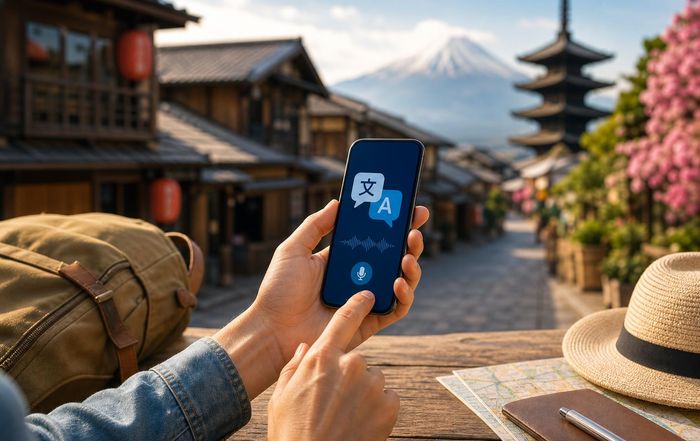
Best Uses of Translation Technology While Traveling
How Translation Technology Is Quietly Transforming Travel
For modern travelers, language is no longer an immovable barrier but a flexible bridge, shaped by rapidly evolving translation technologies that continue to mature in accuracy, speed and accessibility. From weekend city breaks in Spain to business conferences in Singapore, digital tools now allow visitors to navigate, negotiate and connect in ways that were far more difficult even a decade ago. As of 2026, translation has become an integral part of the travel experience, woven into smartphones, wearables, hotel systems and even vehicles, enabling a more confident and culturally sensitive approach to exploring the world.
For WorldWeTravel, which focuses on helping travelers make informed and inspiring decisions, understanding the best uses of these technologies is essential. The most meaningful applications are not only about deciphering menus or road signs but also about enhancing safety, deepening cultural understanding, supporting family trips and enabling sustainable, inclusive tourism. When used thoughtfully, translation tools help visitors engage respectfully with local communities while preserving the spontaneity and discovery that make travel rewarding in the first place.
Planning a Trip with Smarter Translation Tools
The journey with translation technology often begins long before boarding a plane. Travelers researching new destinations increasingly rely on multilingual information sources, and translation tools have become powerful companions in this early stage. Services such as Google Translate and DeepL allow users to browse foreign-language travel blogs, local news outlets and regional tourism websites, gaining insights that go far beyond what is available in their native language. This broader access can be particularly helpful when exploring lesser-known regions or planning complex itineraries involving multiple countries, as detailed on the destinations guide at worldwetravel.com/destinations.
In the planning phase, translation technology also helps travelers understand regulations and practical requirements. Government portals such as France's official tourism and visa sites or the U.S. Department of State pages can be machine translated to clarify entry rules, health documentation and safety advisories. While travelers should always confirm critical legal or medical information through official English-language pages or professional advice, translation tools help them navigate foreign-language sections, compare regional guidelines or read local announcements. Platforms like Reverso Context and Linguee are frequently used to check nuanced phrases, which is particularly important when dealing with insurance terms, rental contracts or visa instructions that may not translate cleanly in a single step.
For those planning family vacations, translation tools can help parents research child-friendly attractions, local school holiday calendars and cultural norms around children in public spaces. When combined with the family-focused insights available on the new family travel section at worldwetravel.com/family, multilingual research enables more inclusive and well-prepared itineraries, especially in countries where English-language information is limited.
Translation on the Move: Navigation, Transport and Everyday Logistics
Once on the road, translation technology becomes a constant companion for navigating transportation systems and daily logistics. Multilingual signage is common in hubs like Singapore, Germany and Japan, but in many regions travelers still encounter stations, ticket machines and announcements that appear only in the local language. Smartphone apps that integrate translation directly into camera and audio functions, such as the instant camera translation mode in Google Translate or the lens-based features in Microsoft Translator, allow visitors to read train timetables, bus instructions or emergency notices in real time.
In cities such as Tokyo, Seoul and Berlin, public transport apps sometimes provide partial English interfaces but still include important information in the local language, such as service disruptions or station-specific announcements. By capturing screenshots and translating them, travelers can make more informed decisions, avoid missed connections and respond quickly to changes. When combined with curated transport guidance from platforms like Transport for London, Deutsche Bahn or JR East, and with practical overviews in the WorldWeTravel travel resources at worldwetravel.com/travel, these tools significantly reduce the anxiety often associated with unfamiliar transit systems.
For road trips, especially in countries such as Italy, France or South Africa, translation apps help drivers interpret traffic signs, toll instructions and fuel station notices. Some modern vehicles and navigation devices now integrate cloud-based translation or language selection features, allowing on-screen instructions and certain alerts to be displayed in the traveler's native language. While drivers must always prioritize road safety and avoid using handheld devices while moving, quick translations at rest stops or via voice assistants can clarify complex directions or local driving rules, complementing official road safety advice from organizations such as the European Commission's road safety portal or national transport authorities.
Hotels, Guesthouses and the Evolving Multilingual Check-In
Accommodation providers have been among the earliest adopters of translation technology in the travel ecosystem. Major hotel groups such as Marriott International, Hilton and Accor have experimented with multilingual chatbots, real-time messaging and AI-assisted concierge services to communicate with guests before arrival and during their stay. These tools are particularly valuable when travelers book boutique hotels, guesthouses or eco-lodges where staff may not speak multiple languages but still aim to offer personalized service.
At the booking stage, translation tools allow travelers to read property descriptions, house rules and guest reviews written in a wide range of languages on platforms like Booking.com, Airbnb and Expedia. While these platforms often include built-in translation, savvy travelers sometimes use external services such as DeepL to cross-check key details, especially when interpreting cancellation terms, deposit conditions or special requests. This additional layer of verification supports more informed decisions and aligns with the accommodation-focused insights available through the updated hotels page at worldwetravel.com/hotels.
In many properties, front-desk teams increasingly rely on tablet-based or kiosk-based translation tools to assist with check-in, explain amenities or handle unusual requests. Solutions like Pocketalk and other handheld translators have been adopted by some hotels in Japan, Italy and Spain, where staff can speak into a device that instantly outputs translated speech or text for the guest. While these systems are not perfect and sometimes struggle with regional dialects or complex phrasing, they significantly reduce the friction of explaining Wi-Fi procedures, breakfast hours or local recommendations.
For travelers staying in homestays or rural lodges, translation apps can also facilitate basic communication with hosts who may not be accustomed to international visitors. When used respectfully and with patience, such tools help guests clarify dietary restrictions, transportation arrangements or cultural expectations, supporting the kind of meaningful, low-impact tourism that WorldWeTravel promotes across its eco-travel resources.
Dining, Menus and Culinary Discovery
One of the most enjoyable uses of translation technology while traveling involves food. Digital tools have transformed the way visitors interpret menus, understand ingredients and engage with culinary traditions across Asia, Europe, Africa and the Americas. Camera-based translation features allow travelers to scan printed menus, chalkboard specials or even packaged food labels in markets, providing quick and often surprisingly accurate interpretations of dishes and preparation methods.
In countries with complex culinary vocabularies such as Japan, Thailand or France, menu translation helps visitors move beyond the most familiar options and try regional specialties with greater confidence. However, direct word-for-word translations can sometimes be misleading or fail to capture the culinary nuance behind a dish. Many experienced travelers therefore use translation tools in combination with well-researched food guides from sources such as Eater, The Michelin Guide, Lonely Planet or national tourism boards, cross-checking unfamiliar terms with photos and reviews to ensure they understand what they are ordering.
For travelers with dietary restrictions or allergies, translation tools can be essential safety instruments. Organizations like Food Allergy Research & Education (FARE) and Allergy UK emphasize the importance of clear communication about ingredients and preparation methods when dining abroad. Many travelers now prepare pre-translated allergy cards in the local language, sometimes verified by native speakers or professional translators, and store them on their phones for easy display in restaurants. Apps such as Google Translate and Microsoft Translator are then used to clarify follow-up questions from servers or chefs, reducing the risk of miscommunication. Complementary advice on healthy and safe eating while traveling can also be found through the health section at worldwetravel.com/health.
Translation tools additionally support culinary exploration in markets and street food settings where vendors may have limited English proficiency. Travelers can ask basic questions about spice levels, cooking methods or portion sizes, while vendors can respond using voice translation features. While occasional misunderstandings still occur, the technology often serves as an icebreaker, encouraging friendly exchanges and mutual curiosity rather than purely transactional interactions.
Families on the Road: Helping Children Navigate New Languages
For families, translation technology offers both practical assistance and educational opportunities. Parents traveling with children across North America, Europe or Asia increasingly use translation apps to help younger travelers feel engaged and empowered rather than overwhelmed by unfamiliar languages. Children can use voice translation to ask simple questions, practice polite phrases or understand signs, transforming language barriers into learning experiences rather than sources of stress.
Educational platforms like Duolingo, Babbel and Busuu have introduced child-friendly modules and gamified learning experiences that families can use before and during trips. By combining these tools with real-world translation apps, families create a blended learning environment where children can see immediate applications of vocabulary and phrases they are practicing. This approach aligns with the family-centered travel insights that WorldWeTravel curates at worldwetravel.com/family, where language learning is increasingly recognized as part of a holistic travel experience.
Translation technology also assists families in managing logistics such as medical visits, childcare services or school visits abroad. When a child needs medical attention in a foreign country, parents can use translation tools to explain symptoms and understand basic instructions while simultaneously seeking professional interpretation support from hospital staff or telehealth services. Organizations like the World Health Organization (WHO) and national health ministries often provide multilingual public health information, which can be further clarified through translation apps. However, for any serious medical situation, families are strongly encouraged to rely on professional interpreters or bilingual medical staff whenever possible, using machine translation only as a supplementary aid.
Business Travel, Remote Work and Multilingual Collaboration
As remote work and digital nomadism have grown, translation technology has become indispensable for professionals who travel frequently or work across borders. Business travelers attending conferences in Germany, negotiating partnerships in China or collaborating with teams in Brazil often rely on integrated translation features within communication platforms such as Microsoft Teams, Zoom and Google Meet. These platforms have introduced real-time captioning and translation options that allow participants to follow presentations or discussions in their preferred language, although accuracy can vary depending on audio quality, subject matter and accent diversity.
For written communication, tools like DeepL, Google Translate and Microsoft Translator are widely used to draft emails, proposals and technical documents in multiple languages. Many professionals adopt a layered approach, using machine translation for initial drafts and then refining the language with human review or native-speaker feedback for critical documents. This hybrid method helps organizations maintain accuracy and cultural sensitivity, especially in legal, financial or regulatory contexts. Guidance on navigating international business environments, including language considerations, can be found in the business travel resources at worldwetravel.com/business.
Digital nomads and remote workers who base themselves in countries such as Portugal, Thailand or Mexico often use translation apps as everyday tools for renting apartments, dealing with local bureaucracy or engaging with coworking communities. Platforms like Nomad List and local expatriate forums provide peer advice on how best to combine translation tools with local support services. For long-term stays, many professionals complement apps with formal language classes or conversation exchanges, recognizing that human interaction remains essential for building trust and understanding in multicultural work environments, a theme reflected in WorldWeTravel's work and technology insights at worldwetravel.com/work and worldwetravel.com/technology.
Cultural Respect, Nuance and the Limits of Machine Translation
While translation technology offers unprecedented convenience, it also raises important questions about cultural nuance, respect and the limitations of algorithmic understanding. Machine translation systems, even those powered by advanced neural networks, can struggle with idioms, humor, regional dialects and context-dependent meanings. In languages such as Chinese, Arabic or Finnish, subtle changes in wording or tone can significantly alter meaning, and literal translations may come across as rude, overly direct or simply confusing.
Cultural institutions such as The British Council, Goethe-Institut and Institut Français emphasize that language is deeply intertwined with culture and that technology should complement, not replace, efforts to learn about local customs and communication styles. Travelers are encouraged to use translation tools as bridges rather than shields, combining them with basic language learning, attentive listening and observation of local etiquette. Resources like BBC Languages archives, national tourism board guides and cultural briefings from organizations such as Cultural Vistas can help visitors prepare for these nuances before they arrive.
Many experienced travelers adopt simple strategies to use translation tools more respectfully. They speak slowly and clearly when using voice translation, avoid slang or complex metaphors, and show the translated text to local interlocutors so they can verify or correct it. When misunderstandings arise, a willingness to laugh, apologize and try again often goes further than any app. This human-centered approach aligns with WorldWeTravel's culture-focused content at worldwetravel.com/culture, which highlights the value of humility, curiosity and mutual respect in cross-cultural encounters.
Eco-conscious and Inclusive Travel through Better Communication
Translation technology also plays a subtle but important role in supporting sustainable and inclusive travel. Environmental initiatives, community-based tourism projects and social enterprises often publish information primarily in local languages, which can limit their visibility among international visitors. By using translation tools to access these materials, travelers can discover eco-lodges, responsible tour operators and conservation programs that might otherwise remain hidden behind language barriers. Organizations such as the Global Sustainable Tourism Council (GSTC), UNESCO and UNWTO provide frameworks and case studies that can be machine translated to help visitors understand local sustainability efforts and participate more thoughtfully.
In many destinations, community-led tourism initiatives in rural areas of South Africa, Brazil, Thailand or Morocco rely on direct communication between hosts and guests. Translation apps allow local guides to explain environmental practices, cultural traditions or community projects in more detail, while visitors can ask questions about how their presence affects local ecosystems and livelihoods. This mutual understanding supports the goals of responsible tourism, a theme that WorldWeTravel explores extensively in its eco-travel and global travel pages.
Inclusivity extends beyond language and into accessibility for travelers with disabilities. Some translation tools integrate with screen readers or offer voice-based interfaces that assist visually impaired users, while captioning and transcription features support those who are deaf or hard of hearing. Organizations such as Accessible Travel Netherlands, Lonely Planet's accessible travel resources and national disability advocacy groups highlight how technology, when designed thoughtfully, can help remove multiple layers of barriers, not only linguistic ones.
Practical Tips for Using Translation Technology Wisely
To make the most of translation technology, travelers benefit from a few practical habits that are increasingly recognized by digital literacy experts and travel professionals. Downloading offline language packs for key apps before departure ensures that translation remains available even without reliable internet access, which is essential in remote regions or during emergencies. Keeping multiple translation apps installed, such as Google Translate, Microsoft Translator and DeepL, allows users to compare outputs when accuracy is critical, since different systems may handle specific language pairs or technical terms better than others.
Travelers are also advised to pre-translate and save essential phrases related to health, safety, allergies, accommodation and transportation. This preparation reduces the cognitive load in stressful situations and complements broader safety guidance from organizations like the Red Cross and national emergency management agencies. For more day-to-day travel advice, the practical guidance compiled in WorldWeTravel's tips section at worldwetravel.com/tips can be combined with translation tools to create personalized checklists and phrase banks tailored to specific destinations.
Another emerging best practice involves respecting privacy and data security when using translation apps. Some services process text and audio in the cloud, which may involve storing or analyzing user data. Travelers handling sensitive information, such as financial details or personal documents, should review the privacy policies of their chosen tools and, when necessary, consider offline or on-device solutions that minimize data transmission. Technology-focused publications such as Wired, The Verge and MIT Technology Review regularly analyze these issues, helping users stay informed about the trade-offs between convenience and privacy.
Translation Technology as a Partner in Meaningful Travel
As translation technology continues to evolve, its role in travel is shifting from simple utility to a deeper partnership in exploration, learning and connection. Advances in speech recognition, large language models and on-device processing are gradually improving accuracy, reducing latency and enabling more natural interactions between speakers of different languages. At the same time, researchers and policymakers are paying closer attention to issues of bias, representation and cultural sensitivity in translation systems, recognizing that language technologies can influence how cultures perceive one another.
For travelers, the most rewarding approach is to view these tools not as replacements for human interaction but as catalysts for richer experiences. When used thoughtfully, translation apps help visitors understand local perspectives, support small businesses, participate in community initiatives and navigate unfamiliar environments with confidence and respect. They allow families to learn together, professionals to collaborate across borders and eco-conscious travelers to engage more deeply with the places they seek to protect.
We encourage travelers to combine the power of modern translation technology with curiosity, preparation and cultural humility. By doing so, visitors can transform language barriers into gateways, turning each journey into an opportunity not only to see the world but to genuinely hear it, in all its diverse voices and stories.