

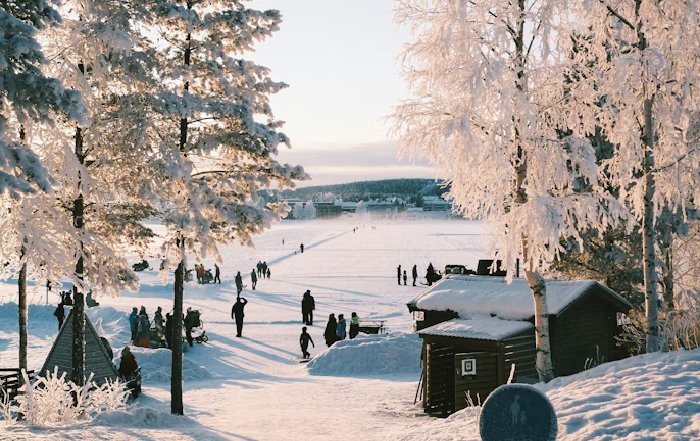
Lakeside Getaways in Sweden: Strategic Escapes for the Global Traveler
Sweden's lakeside retreats, long cherished by locals as places of quiet reflection and seasonal celebration, are increasingly becoming a focal point for international travelers, business leaders, and families seeking meaningful, sustainable, and health-conscious travel. For WorldWeTravel.com, which serves a global travel loving audience in the United States, United Kingdom, Germany, Canada, Australia, and across Europe, and Asia, lakeside Sweden offers a distinctive combination of natural beauty, advanced infrastructure, environmental leadership, and cultural depth that aligns closely with the platform's emphasis on experience, expertise, authoritativeness, and trustworthiness in travel content.
Why Sweden's Lakes Matter in a Global Travel Strategy
Sweden is home to nearly 100,000 lakes, ranging from the vast waters of Vänern and Vättern to intimate forest tarns in Dalarna, Värmland, and Swedish Lapland, and this extraordinary freshwater geography shapes not only the nation's landscapes but its lifestyle, economy, and tourism strategy. In an era where travelers increasingly prioritize wellbeing, sustainability, and authenticity, Swedish lakeside destinations provide a compelling alternative to congested coastal resorts and urban hotspots, while still offering the connectivity, safety, and digital infrastructure that international visitors from cities such as London, Berlin, Toronto, Sydney, Paris, Milan, Barcelona, Amsterdam, Zurich, Singapore, Seoul, and Tokyo expect.
For business and leisure travelers planning itineraries through global destinations, lakeside Sweden can serve as both a primary destination and a strategic add-on to Nordic or broader European trips. The country's high-quality transport network, documented by Trafikverket and complemented by efficient rail connections through SJ and regional operators, enables seamless movement between urban hubs like Stockholm, Gothenburg, and Malmö and more secluded lakeside environments. Learn more about Sweden's broader tourism framework and sustainable development priorities via Visit Sweden at visitsweden.com.
The Geography of Calm: Key Lakeside Regions for International Visitors
Lakeside Sweden is not a single destination but an interconnected mosaic of regions, each with its own character, economic profile, and appeal to different traveler segments. For global visitors using WorldWeTravel's destination insights, understanding these distinctions is essential to aligning travel plans with personal and professional goals.
In central Sweden, Lake Mälaren stretches west of Stockholm, dotted with historic towns such as Västerås and Strängnäs, royal palaces, and accessible marinas, making it particularly suitable for short business-leisure extensions, incentive travel, and executive retreats where proximity to an international airport is critical. Travelers can deepen their understanding of Sweden's cultural heritage and lakeside castles through resources at sweden.se, the official site of the Swedish Institute, which provides authoritative background on history, society, and sustainability.
Further south, Vänern, the largest lake in the European Union, and Vättern, renowned for its clear waters and charming lakeside towns like Motala and Gränna, form a key corridor for self-drive itineraries and family road trips, integrating well with broader Scandinavian tours that may also include Norway and Denmark. These routes can be combined with family-focused travel planning to design multi-generational holidays that balance outdoor activity with cultural stops and comfortable lakeside hotels.
In the north, Swedish Lapland offers a completely different lakeside experience, particularly around Jokkmokk, Arjeplog, and the vast water systems feeding into the Lule River. Here, midnight sun summers and aurora-filled winters frame activities such as canoeing, fishing, and snowshoeing, while still-water lakes mirror mountain silhouettes and pine forests. Travelers seeking deeper knowledge of Arctic sustainability and indigenous Sámi culture can consult UNESCO's materials on World Heritage in the Laponia area at unesco.org, which reinforce the global significance of these landscapes.
Lakeside Sweden as a Business Asset: Retreats, Strategy Sessions, and Hybrid Work
By 2026, the boundaries between business travel, remote work, and leisure have become increasingly fluid, and Sweden's lakeside retreats are exceptionally well-positioned to serve as strategic venues for corporate offsites, leadership programs, and high-focus project sprints. Many lakeside hotels and lodges are equipped with high-speed broadband, meeting rooms, and hybrid conferencing capabilities, allowing international teams from New York, San Francisco, London, Frankfurt, Toronto, Singapore, and Seoul to combine in-person collaboration with remote participation from global colleagues.
For organizations planning offsites or incentive programs, WorldWeTravel's business travel hub provides a framework for evaluating lakeside Sweden against other international options, considering factors such as cost, accessibility, sustainability, and wellness offerings. Business leaders can also benchmark their approach to sustainable corporate travel against guidelines from the Global Sustainable Tourism Council at gstcouncil.org, which outlines criteria relevant to destination selection and supplier evaluation.
Lakeside settings naturally support strategic thinking and mental decompression, and many Swedish properties have integrated structured wellbeing programs, mindfulness sessions, and nature-based leadership exercises into their corporate packages. Executives and HR leaders designing such programs can explore evidence-based perspectives on nature's impact on stress reduction and cognitive performance through the World Health Organization at who.int, which provides global insights into mental health, physical activity, and environment-health linkages.
For professionals extending their stay to work remotely from Sweden's lakes, WorldWeTravel's work and travel section offers guidance on remote work logistics, connectivity, and productivity strategies, enabling visitors to transform a short business trip into a longer lakeside working retreat without compromising performance.
Accommodation and Hospitality: From Heritage Manors to Design-Forward Eco-Lodges
The lakeside hospitality landscape in Sweden spans traditional herrgårdar (manor houses), boutique hotels, design-forward eco-lodges, and self-catering cabins, each serving different traveler profiles from budget-conscious digital nomads to high-net-worth individuals seeking privacy and exclusivity. For a curated overview of options aligned with business, family, and wellness priorities, travelers can consult WorldWeTravel's hotel insights, which contextualize accommodation choices within broader destination strategies.
Many of Sweden's lakeside hotels have adopted advanced sustainability practices, including geothermal heating, solar installations, greywater recycling, and locally sourced seasonal menus that highlight freshwater fish, berries, and forest produce. Visitors interested in understanding how Sweden integrates sustainability into hospitality and regional development can explore The Swedish Environmental Protection Agency at naturvardsverket.se, which documents national environmental goals and progress, and offers context for evaluating eco-labels and certifications.
At the luxury end, discreet lakeside retreats cater to global executives and affluent leisure travelers from regions such as North America, Asia-Pacific, and the Middle East, offering tailored concierge services, private docks, saunas, and curated excursions by boat, kayak, or helicopter. At the more accessible level, family-friendly lakeside hotels and cabins provide playgrounds, shared grills, and safe swimming areas, aligning with WorldWeTravel's family travel guidance for multi-age groups seeking a balance of comfort and immersion in nature.
Health, Wellbeing, and the Scandinavian Art of Recovery
Sweden's lakeside culture is deeply intertwined with the Scandinavian concept of recovery, where time in nature, sauna rituals, cold-water immersion, and unstructured outdoor activity are seen as essential counterweights to urban and digital intensity. For global travelers in 2026, particularly those from high-pressure environments in Japan, South Korea, China, United States, and United Kingdom, lakeside Sweden offers a structured yet understated approach to wellbeing that aligns with evidence-based health practices rather than superficial wellness trends.
Cold-water swimming in lakes, combined with traditional wood-fired saunas, has gained international attention for its potential benefits on circulation, stress resilience, and mood, and travelers can explore the growing scientific literature on cold exposure and mental health through resources provided by PubMed and the U.S. National Institutes of Health at nih.gov. Many Swedish lakeside retreats now incorporate guided cold dips, breathwork, and sauna cycles into their programs, creating structured yet accessible experiences for first-time participants.
For visitors designing health-focused itineraries, WorldWeTravel's health and wellness content provides a framework for integrating lakeside activities such as hiking, kayaking, yoga, and forest bathing into broader travel plans, ensuring that rest, movement, and digital boundaries are consciously managed. Travelers can also review global health and travel advisories through the Centers for Disease Control and Prevention at cdc.gov, which remains a key reference for vaccinations, seasonal health risks, and safe outdoor practices.
Culture, Tradition, and the Swedish Lakeside Lifestyle
Beyond scenery and wellness, lakeside Sweden offers a cultural narrative that is both deeply local and globally relevant, reflecting themes of simplicity, equality, and environmental respect that resonate with international visitors from France, Italy, Spain, Netherlands, Switzerland, Sweden, Norway, Finland, Denmark, and beyond. The traditional concept of "sommarstuga"-a modest summer cottage by a lake or sea-embodies a lifestyle where families spend extended periods close to nature, often without excessive luxury but with a strong emphasis on togetherness, outdoor meals, and seasonal activities like berry picking, fishing, and swimming.
Travelers seeking to understand how these traditions intersect with contemporary Swedish society can explore cultural analysis and commentary at Nordic Council of Ministers via norden.org, which offers insights into Nordic values, social models, and regional cooperation. For a more experiential approach, visitors can use WorldWeTravel's culture section to identify lakeside festivals, local food experiences, and small-town events that align with their travel dates and interests.
Culinary culture is an integral part of the lakeside experience, with freshwater fish such as perch and pike, locally smoked or grilled, often served alongside potatoes, seasonal vegetables, and foraged ingredients. Many lakeside restaurants and guesthouses follow the principles of New Nordic Cuisine, emphasizing locality, seasonality, and minimal waste, a movement documented and promoted by organizations such as Nordic Food Policy Lab and covered extensively by culinary institutions including The World's 50 Best Restaurants at theworlds50best.com.
Sustainability, Eco-Travel, and the Future of Lakeside Tourism
Sweden's global reputation for environmental stewardship is highly relevant to lakeside tourism, where water quality, biodiversity, and land-use management directly influence visitor experience and long-term viability. For travelers and corporate decision-makers committed to responsible tourism, lakeside Sweden provides a practical case study in balancing access, recreation, and conservation.
National and regional authorities collaborate with local communities and businesses to monitor water quality, regulate fishing, manage protected areas, and support low-impact infrastructure such as hiking trails, bike paths, and public bathing areas. Visitors can explore Sweden's environmental performance in an international context through the OECD's environmental indicators at oecd.org, which provide comparative data on climate, biodiversity, and pollution across member countries.
For travelers building sustainability into their itineraries, WorldWeTravel's eco-travel resources offer practical guidance on choosing low-impact accommodations, supporting local suppliers, and minimizing carbon footprints through train travel and longer stays rather than multiple short trips. Those interested in broader frameworks for sustainable business and tourism can learn more about sustainable business practices through UN Environment Programme at unep.org, which outlines principles relevant to both individual travelers and corporate travel managers.
Technology, Connectivity, and the Lakeside Digital Experience
Contrary to the assumption that remote natural settings imply weak connectivity, Sweden's investment in digital infrastructure ensures that many lakeside regions benefit from robust mobile coverage and high-speed broadband, supporting remote work, digital nomadism, and technology-enabled travel services. This makes lakeside Sweden particularly attractive for professionals from Singapore, Netherlands, Switzerland, Germany, and Canada, where expectations for digital reliability are high.
Technology also enhances trip planning and on-the-ground navigation, from real-time public transport updates to weather forecasting and safety alerts. Travelers can explore Sweden's broader innovation ecosystem through Business Sweden at business-sweden.com, which highlights the country's leadership in digitalization, green technology, and sustainable urban-rural integration.
For a structured overview of how technology intersects with travel planning, booking, and on-site experience, visitors can consult WorldWeTravel's technology section, which contextualizes apps, platforms, and digital services within a broader strategy of safe, efficient, and sustainable travel. This is particularly relevant for remote workers and entrepreneurs who need to maintain operational continuity while spending extended periods in lakeside environments.
Economic Context: Lakeside Tourism and Regional Development
Lakeside tourism in Sweden is not only a lifestyle phenomenon but also an important driver of regional economies, supporting employment in hospitality, outdoor guiding, transportation, local food production, and cultural events. For international observers and investors, lakeside regions provide insight into how a high-income country integrates tourism into a diversified economy without sacrificing environmental or social standards.
Travelers and business leaders interested in the economic dimensions of Swedish tourism can review macroeconomic indicators through the World Bank at worldbank.org, which offers detailed data on GDP composition, employment, and regional development. These insights can be complemented by WorldWeTravel's economy-focused content, which interprets economic trends in relation to travel flows, pricing, and destination competitiveness.
As climate change reshapes travel patterns worldwide, with heatwaves, water scarcity, and overtourism affecting many traditional coastal and urban destinations, relatively temperate and water-rich regions such as lakeside Sweden are likely to see sustained or increased demand. This dynamic underscores the importance of proactive capacity management, infrastructure planning, and sustainability standards, areas where Sweden's governance model and long-term policy orientation provide a degree of reassurance for travelers seeking reliability and resilience in their destination choices.
Planning a Lakeside Swedish Itinerary with WorldWeTravel as your Guide Partner
For international travelers designing a lakeside Swedish journey, the most effective approach is to anchor plans around a combination of regional hubs, thematic priorities, and travel modes, rather than attempting to cover too many lakes in a single trip. WorldWeTravel's core travel planning resources help visitors articulate their objectives-whether family bonding, strategic business retreat, health reset, cultural immersion, or remote work-and then align these with specific lakeside regions and seasons.
Travelers can integrate practical advice from WorldWeTravel's tips section to navigate Sweden's seasonal variations, daylight extremes, and local customs, ensuring that packing lists, transport choices, and activity planning are aligned with the realities of Nordic weather and light conditions. Those seeking deeper restoration might also explore WorldWeTravel's retreat-focused guidance, which highlights lakeside properties and programs designed explicitly for burnout recovery, mindfulness, and long-term habit change.
As a global platform dedicated to trustworthy, experience-driven travel intelligence, WorldWeTravel.com positions Swedish lakeside getaways not as isolated destinations but as strategic components of a well-balanced travel portfolio for individuals, families, and organizations. In a world where mobility, work, and wellbeing are increasingly intertwined, the calm surfaces and deep waters of Sweden's lakes offer not only scenic value but a framework for more deliberate, sustainable, and health-conscious travel decisions, grounded in the country's long-standing commitment to environmental stewardship, social equity, and high-quality infrastructure.