

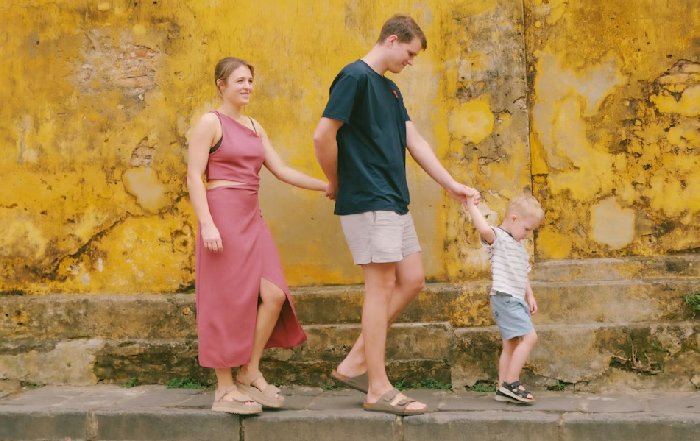
Family Traditions Through Travel: How Journeys Shape Lasting Legacies
The New Meaning of Family Traditions in a Global Age
Have a seat and have a think about this idea that family traditions are no longer confined to a single kitchen table, hometown, or national border. As international mobility has expanded and digital tools have made the world feel smaller, families across the United States, United Kingdom, Germany, Canada, Australia, France, Italy, and beyond are redefining what it means to build a shared legacy. Travel has become one of the most powerful ways to create, preserve, and renew those traditions, and WorldWeTravel.com has positioned itself at the heart of this transformation, helping families turn journeys into enduring narratives that connect generations through thought provoking, yet factual and well researched independent content.
For modern families who are dispersed across continents, managing careers across time zones and raising children who often identify with multiple cultures, travel is no longer just an occasional leisure activity; it is a strategic investment in shared values, emotional bonds, and intergenerational understanding. As organizations like the World Tourism Organization (UNWTO) highlight in their global tourism outlooks, international travel has rebounded and diversified, with multigenerational and purpose-driven trips playing a growing role in the global visitor economy. Families are increasingly using travel to reclaim time together, to pass on cultural heritage, and to create rituals that can withstand the pressures of a fast-paced, digitally saturated world.
From Vacation to Ritual: How Journeys Become Traditions
Family travel becomes tradition when it moves from being a one-time event to a recurring pattern anchored in meaning, memory, and shared anticipation. Whether a family returns every December to a mountain lodge in Switzerland, gathers each summer on the coasts of Spain, or alternates between the United States and Japan to visit grandparents, the repetition of place and ritual builds a sense of continuity that children and adults come to rely on. Over time, these trips shape the family story as powerfully as birthdays and holidays, and they often feel more personal because they are intentionally designed around the family's own values and preferences rather than inherited social expectations.
On WorldWeTravel.com, readers increasingly describe how a simple weekend getaway evolved into a cherished ritual: an annual hike in the Alps, a spring visit to cherry blossoms in Tokyo, or a regular return to a coastal town in Italy where a particular café owner remembers their names. These experiences demonstrate that traditions are not simply about grandeur or distance; they are about consistency, emotional resonance, and the deliberate creation of shared experiences that family members can look forward to year after year. As research from institutions such as Harvard University has shown in studies on family rituals, predictable, meaningful routines strengthen emotional security and resilience, particularly for children navigating complex modern environments. Travel-based traditions add an extra dimension to this stability by exposing family members to diversity, challenge, and beauty beyond their daily surroundings.
Intergenerational Bonds and the Power of Shared Experience
One of the most profound benefits of family travel traditions lies in their ability to connect generations in ways that everyday life rarely allows. Grandparents, parents, and children often live in different cities or even different countries, particularly in highly mobile economies like the United States, United Kingdom, Germany, Singapore, and Australia. Travel offers a neutral, shared space where hierarchies soften and roles shift: a grandparent may become the storyteller guiding younger relatives through historic streets in Rome or Paris, while a teenager might become the navigator using digital maps in Seoul or Singapore, and parents find themselves learning alongside their children in museums or cultural centers.
Studies highlighted by organizations such as the American Psychological Association emphasize that shared experiences, especially those involving novelty and challenge, can deepen emotional bonds and improve communication across generations. When families navigate unfamiliar subway systems in Tokyo, share a safari sunrise in South Africa, or learn to cook regional dishes in Thailand, they accumulate stories that become part of their collective identity. These stories are retold at future gatherings, reinforcing the sense that the family has faced the world together. On WorldWeTravel.com/family.html, many readers share reflections on how a recurring family journey has become the anchor around which their dispersed relatives plan their year, turning travel into a powerful tool for intergenerational cohesion.
Cultural Literacy and Identity in a Connected World
In an era where global issues-from climate change to public health to digital ethics-shape everyday life, families are increasingly aware that cultural literacy is not a luxury but a necessity. Travel traditions that prioritize learning and engagement with local communities allow children and adults to move beyond stereotypes, media narratives, and classroom abstractions. From visiting Indigenous cultural centers in Canada to exploring Islamic art in Spain, from walking historical routes in the United Kingdom to engaging with contemporary design in Denmark and Sweden, travel can transform abstract concepts into lived experience.
Organizations such as UNESCO have long emphasized the importance of cultural heritage and intercultural dialogue for peace and sustainable development, and family travel aligned with these principles can foster empathy and critical thinking. When families regularly return to a region-perhaps alternating between different cities in Europe or exploring multiple provinces in China-they gain a layered understanding of how history, language, religion, and economics shape daily life. On WorldWeTravel.com/culture.html, editorial features highlight itineraries that encourage families to visit local markets, attend community festivals, and support cultural institutions, creating traditions that are as enriching intellectually as they are enjoyable.
For multicultural families or those with roots in multiple countries, travel traditions also play a vital role in identity formation. A child of Italian and Brazilian heritage who spends alternating summers in both countries, for instance, does not simply learn about their background through stories but experiences it through language, food, and family gatherings. Similarly, a family living in the United States with grandparents in South Korea may establish a tradition of visiting during Chuseok or Lunar New Year, allowing children to participate directly in rituals that might otherwise feel distant. In this way, travel becomes a bridge between personal heritage and global citizenship.
The Role of Destinations and Hospitality in Shaping Traditions
Destinations and hospitality providers increasingly recognize that they are not merely selling rooms or tickets; they are hosting the moments that will become part of family lore. Hotels, resorts, and guesthouses from New Zealand to Norway are designing experiences tailored to multigenerational groups, with flexible room configurations, accessible facilities, and programming that can be enjoyed by children, adults, and seniors alike. The growth of family-oriented offerings is evident in major markets such as the United States, United Kingdom, France, and Japan, where tourism boards and hospitality companies collaborate to create family-friendly cultural routes, nature trails, and city passes.
On WorldWeTravel.com/hotels.html, the editorial team highlights properties that go beyond traditional amenities to offer storytelling sessions, local craft workshops, or guided visits to nearby communities, enabling families to integrate these experiences into recurring annual trips. Data and insights from organizations such as the World Travel & Tourism Council (WTTC) illustrate how family travel has become a resilient and expanding segment of the global travel economy, encouraging destinations to invest in infrastructure that supports safe, accessible, and memorable experiences. When a family repeatedly chooses the same coastal town in Portugal, ski village in Switzerland, or urban neighborhood in Singapore, it is often because local hospitality providers have created an environment where staff recognize returning guests, remember their preferences, and help them refine their traditions year after year.
Travel, Health, and Wellbeing as a Family Priority
In the years following the global health crises of the early 2020s, families have become more intentional about integrating wellbeing into their lives, and travel traditions increasingly reflect this shift. Wellness travel, once a niche category, has expanded to include family-friendly retreats that combine relaxation, physical activity, and mental health support. Families in Germany, Canada, South Africa, and Malaysia, for example, are choosing mountain retreats, coastal yoga stays, and nature-focused eco-lodges where digital devices are limited and time is structured around outdoor activities, shared meals, and quiet reflection.
Health organizations such as the World Health Organization (WHO) have underscored the importance of physical activity, social connection, and mental rest as pillars of long-term wellbeing, and family travel traditions that incorporate hiking in Finland, cycling in the Netherlands, or snorkeling in Australia can play a vital role in meeting these needs. On WorldWeTravel.com/health.html, features explore how parents are using annual or semi-annual trips as opportunities to reset family habits, introduce children to new sports, or simply create space for conversations that are difficult to have amid the noise of daily life. Meanwhile, WorldWeTravel.com/retreat.html highlights destinations where families can combine cultural exploration with wellness experiences, such as hot springs in Japan, forest bathing in South Korea, or spa villages in Central Europe, turning wellbeing into a recurring theme of their shared traditions.
Sustainability, Responsibility, and Eco-Conscious Traditions
As awareness of climate change and environmental degradation continues to grow, families are increasingly concerned with how their travel choices affect the planet. In 2026, responsible travel has moved from a niche concern to a mainstream expectation, particularly among younger parents and travelers in environmentally conscious countries such as Sweden, Norway, Denmark, Germany, and New Zealand. Families are asking not only where they should go but how they should travel, what kind of accommodations they should support, and how they can minimize their ecological footprint while still creating meaningful traditions.
Organizations like the International Union for Conservation of Nature (IUCN) and the Intergovernmental Panel on Climate Change (IPCC) provide sobering data on environmental trends, prompting many families to design travel rituals that prioritize train journeys over short-haul flights in Europe, support eco-certified lodges in South Africa or Brazil, and engage in conservation-oriented activities such as reef restoration in Thailand or wildlife monitoring in Kenya. On WorldWeTravel.com/eco.html, guides emphasize how families can learn more about sustainable business practices and community-based tourism, encouraging them to build traditions that align with their environmental values. Over time, these choices not only reduce impact but also teach children to see travel as a privilege that carries responsibilities, reinforcing a sense of stewardship that extends beyond the trip itself and into daily life at home.
Technology, Remote Work, and the Rise of Extended Family Stays
The evolution of work and technology has fundamentally changed how families structure their travel traditions. With the normalization of remote and hybrid work models in countries like the United States, United Kingdom, Canada, Singapore, and Japan, many professionals now have the flexibility to extend family trips beyond traditional vacation windows. Instead of a single one-week holiday, families may now spend a month in Italy, several weeks in Thailand, or a season in Australia, combining work, school, and exploration in new ways. Digital connectivity, cloud-based tools, and collaboration platforms have made it feasible for parents to maintain productivity while creating deeper travel experiences for their children.
Technology companies, including leaders such as Microsoft and Google, have accelerated this shift by enabling robust remote work ecosystems, while policy changes in various countries have expanded digital nomad or remote work visas. On WorldWeTravel.com/work.html, professionals share how they have turned extended stays into recurring family traditions: returning each year to the same neighborhood in Barcelona, Cape Town, or Vancouver, enrolling children in local language or sports programs, and building friendships that blur the line between tourist and temporary resident. Meanwhile, WorldWeTravel.com/technology.html explores how families leverage digital tools to plan, document, and share their journeys, using cloud photo libraries, shared digital journals, and video calls to include extended family members who cannot join in person.
Economic Considerations and Strategic Planning for Family Travel
While the emotional and cultural benefits of family travel traditions are substantial, they must be balanced against economic realities. In 2026, families face fluctuating exchange rates, varying inflation levels across regions, and evolving airline pricing models, particularly in major markets like the Eurozone, North America, and Asia-Pacific. Building sustainable travel traditions therefore requires careful financial planning, including budgeting, saving, and making strategic choices about destinations and timing.
Economic analyses from institutions such as the International Monetary Fund (IMF) and the World Bank provide context on global and regional trends that can affect travel costs, from fuel prices influencing airfares to local economic policies impacting accommodation and dining expenses. On WorldWeTravel.com/economy.html, readers can explore how to align their travel plans with economic conditions, such as choosing shoulder seasons in Europe to reduce costs, exploring emerging destinations in Southeast Asia where value for money remains strong, or taking advantage of domestic rail passes in countries like Japan and Germany. WorldWeTravel.com/tips.html further supports families with practical strategies for booking flights, selecting accommodations, and managing currency exchange, reinforcing the idea that meaningful travel traditions are not reserved for the wealthy but can be built thoughtfully over time with clear priorities and transparent planning.
Building Traditions Across Regions: A Truly Global Perspective
One of the defining characteristics of family travel traditions in 2026 is their global scope. Families based in London may alternate between city breaks in Europe and long-haul adventures in Asia or Africa, while those in Toronto or New York might create a rhythm that includes both North American road trips and annual visits to relatives in China or South Korea. In Germany, the Netherlands, and Switzerland, efficient rail networks make it feasible to build traditions around multi-country itineraries, while in Australia and New Zealand, families often combine domestic explorations with occasional long-haul journeys to Southeast Asia, North America, or Europe.
On WorldWeTravel.com/destinations.html, curated guides highlight how families can design multi-year tradition arcs, such as exploring a different country in Scandinavia each year, rotating between cultural capitals like Paris, Rome, and Madrid, or alternating between urban and nature-focused trips. The WorldWeTravel.com/global.html section underscores that while each family's pattern is unique, there is a common thread of intentionality: the desire to create a coherent narrative across trips that reflects the family's evolving interests, values, and life stages. Whether a family is just beginning to travel with young children or navigating the complexities of coordinating schedules across adult siblings and aging parents, a global mindset allows them to see the world not as a checklist of destinations but as a canvas on which to paint a shared story.
How WorldWeTravel.com Helps Families Turn Journeys into Traditions
As families seek to transform travel from occasional leisure into enduring tradition, they require not only inspiration but also trusted guidance, practical frameworks, and a sense of community. WorldWeTravel.com has evolved into a platform that combines editorial expertise, destination intelligence, and user-driven insights to support this process. Through dedicated sections such as WorldWeTravel.com/travel.html for overarching journey planning, WorldWeTravel.com/family.html for multigenerational perspectives, and WorldWeTravel.com/business.html for professionals balancing corporate responsibilities with family time, the site addresses the complex realities of modern life while maintaining a focus on experience, expertise, authoritativeness, and trustworthiness.
Drawing on data from reputable organizations like the OECD, the platform analyzes trends in travel behavior, work patterns, and demographic change, translating them into actionable advice for readers in diverse regions from Europe and Asia to Africa and the Americas. Editorial standards emphasize on-the-ground knowledge, transparent evaluation of destinations and services, and a commitment to responsible and inclusive travel narratives. By weaving together stories from families in cities such as New York, London, Berlin, Singapore, Tokyo, Johannesburg, São Paulo, and Sydney, WorldWeTravel.com helps readers see both the universality and particularity of family travel traditions, encouraging them to adapt ideas to their own circumstances rather than following one-size-fits-all formulas.
Thinking Ahead if Family Traditions are a Strategic Asset
As the world continues to navigate technological disruption, environmental uncertainty, and shifting economic landscapes, family traditions built around travel are emerging as a strategic asset rather than a discretionary luxury. They provide stability amid change, foster resilience and adaptability, and cultivate a sense of shared purpose that can sustain families through challenges. Children who grow up with recurring travel rituals often develop confidence in unfamiliar settings, empathy for people from different backgrounds, and a practical understanding of how global systems-from transportation networks to cultural norms-operate in real life, complementing their formal education.
For business leaders, policymakers, and educators, recognizing the value of family travel traditions has implications that extend beyond the tourism sector, touching on workforce wellbeing, social cohesion, and cross-cultural competence. For families themselves, the challenge and opportunity lie in designing traditions that align with their resources, values, and aspirations, whether that means an annual road trip across the United States, regular visits to relatives in China or South Africa, or a rotating exploration of European capitals.
In 2026, WorldWeTravel.com spins as a partner in this endeavor, providing the expert knowledge, interactive tools, and loving inspiration needed to turn individual journeys into a coherent, meaningful legacy. By approaching travel not as a series of disconnected escapes but as an evolving, intentional tradition, families around the world can craft stories that will be told, retold, and cherished for generations, ensuring that the act of moving across borders continues to deepen, rather than dilute, the bonds that hold them together.