

How to Plan International Travel With Young Children
International travel with young children has evolved from a daunting prospect into a realistic, rewarding goal for many families, supported by better information, more family-oriented services, and a growing global focus on health and safety. As borders, airlines, and hospitality providers adapt to the expectations of parents who want their children to experience the wider world, planning a successful journey now depends less on guesswork and more on informed, step-by-step preparation. For readers of WorldWeTravel, this shift opens the door to designing journeys that are not only manageable, but genuinely enriching for both adults and children.
Rethinking Family Travel in a Changing World
Family travel has been shaped in recent years by public-health developments, digital tools, and new expectations around flexibility. Parents are no longer limited to traditional resort holidays; many now combine remote work with extended stays abroad, enroll children in short cultural or language programs, or design multi-generational trips that bring grandparents and grandchildren together in shared experiences. Organizations such as the UN World Tourism Organization highlight how family travel contributes to intercultural understanding and local economies, particularly when visitors engage respectfully with communities and support local businesses. Readers can explore how tourism is evolving through resources from the UNWTO and similar global bodies.
At the same time, health agencies, including the World Health Organization, emphasize that families traveling internationally with young children need to consider preventive care, vaccination guidance, and destination-specific health risks more carefully than solo travelers might. The combination of broader opportunity and heightened responsibility means that careful planning has become the cornerstone of successful international trips, which is precisely where WorldWeTravel aims to guide families with practical, trustworthy insight.
Choosing the Right Destination for Young Children
Selecting a destination is often the most important decision in planning international travel with young children. Parents tend to balance their own travel dreams with the realities of nap schedules, picky eating, stroller navigation, and the need for reliable healthcare. For many families, destinations in Western Europe, such as France, Italy, Spain, and the Netherlands, remain attractive because of strong public infrastructure, walkable city centers, and widespread family-friendly amenities. For example, national tourism boards like VisitBritain and Germany Travel provide extensive online guidance on family attractions, child ticket discounts, and accessible facilities; parents can review official information from sources such as VisitBritain and Germany Travel to understand what each country offers.
Families in North America often start with relatively short-haul international trips, such as from the United States to Canada or Mexico, as a way to test how their children handle new environments, different languages, and longer travel days. Government travel advisories, like those from the U.S. Department of State or the Government of Canada travel pages, help parents verify safety conditions and entry requirements, including documentation for minors and any special consent forms needed for children traveling with one parent or guardians.
For those considering Asia, countries like Japan, Singapore, and South Korea are frequently praised in reputable travel media, including Lonely Planet and National Geographic Travel, for their clean public spaces, efficient transportation, and child-friendly attractions. Parents planning such journeys can cross-check practical details about public transport, family facilities, and cultural expectations through official tourism sites such as Japan National Tourism Organization and Visit Singapore.
Within WorldWeTravel's own guidance on destinations, families can compare regions worldwide, from European city breaks to beach retreats in Thailand or eco-adventures in Costa Rica, aligning their choices with children's ages, interests, and sensory needs.
Timing, Seasonality, and Length of Stay
Beyond the "where," the "when" and "how long" are critical factors in planning with young children. Travel experts across major platforms, from Rick Steves' Europe to Fodor's Travel, consistently note that off-peak travel periods can dramatically improve the family experience, reducing crowd stress, wait times, and exposure to extreme temperatures. Parents of toddlers often prefer shoulder seasons, when popular destinations such as Italy, Spain, or Greece are warm but not overwhelmingly hot, and queues for museums and attractions are manageable.
The length of stay is another key variable. Pediatric associations, including the American Academy of Pediatrics, highlight that young children can be more susceptible to jet lag and routine disruption. While there is no single "correct" trip duration, many family-travel specialists recommend allowing at least several days per major time-zone change so that children have time to adjust. For transatlantic or transpacific journeys, a stay of ten days or more can help balance the effort of travel with enough recovery and exploration time, especially if parents build in slower days with no major sightseeing.
On WorldWeTravel's travel planning pages, readers can explore examples of itineraries that factor in realistic pacing, including rest days, flexible morning plans, and early evening returns to the hotel or rental, all of which contribute to smoother experiences for families with infants, toddlers, and preschoolers.
Health, Safety, and Documentation for Young Travelers
Health and safety are central to the experience of international travel with children, and the most reliable guidance comes from official health authorities and government sources. Before departure, families are encouraged to consult their pediatrician and review destination-specific health information via the U.S. Centers for Disease Control and Prevention or similar agencies such as Public Health England and Health Canada. These resources outline recommended or required vaccinations, mosquito-borne disease risks, food and water safety considerations, and any current health alerts.
Travel insurance that includes comprehensive medical coverage for children is widely recommended by consumer advocacy organizations and travel experts. Independent resources such as Consumer Reports and NerdWallet provide comparisons of policy features, while parents should verify directly with insurers that pediatric care, emergency evacuation, and pre-existing conditions are appropriately covered. Some policies offer additional support services, including 24-hour medical hotlines or assistance in locating English-speaking doctors abroad.
Documentation is another area where careful preparation pays off. Government travel sites explain that children, even infants, typically need their own passports for international air travel, and some countries require notarized consent letters if a child travels with only one parent or with relatives. Parents can review entry requirements and child-specific rules via official channels such as the UK Government foreign travel advice and the European Union's travel portal. WorldWeTravel complements these resources with family-focused summaries on its family travel section, helping parents turn complex regulations into clear checklists.
Booking Flights and Managing Long Travel Days
Air travel is often the most stressful component of international journeys with young children, yet it can be significantly improved through informed choices about routing, timing, and in-flight strategies. Aviation regulators such as the U.S. Federal Aviation Administration and the European Union Aviation Safety Agency offer guidance on child safety seats, lap infants, and seat-belt requirements, which parents can use to decide whether to purchase a separate seat for infants and to understand how car seats or child restraint systems can be used on board.
Many parents opt for overnight flights on longer routes so that children can sleep for a portion of the journey, though sleep-medicine specialists note that individual sleep patterns and sensitivity to noise vary widely among children. When possible, choosing routes with fewer connections reduces the risk of delays and missed flights, which can be particularly stressful with tired toddlers. Reputable travel publications such as The Points Guy and Travel + Leisure frequently analyze airline family policies, including early boarding, stroller rules, and family-seating guarantees; while airlines differ in their approaches, some now explicitly commit to seating children under a certain age with at least one adult at no extra charge, a trend documented by consumer advocacy groups and aviation analysts.
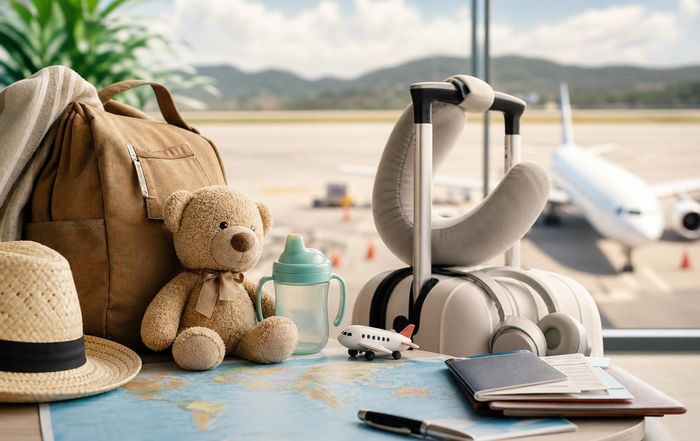
In-flight comfort hinges on preparation rather than improvisation. Pediatricians and airline medical advisors often recommend familiar snacks, comfort items like blankets or stuffed animals, age-appropriate entertainment, and hydration. Parents can cross-check these suggestions via health resources such as Mayo Clinic's travel health pages and adapt them to their own child's temperament and needs. WorldWeTravel offers practical suggestions and packing ideas in its travel tips section, helping families build personalized in-flight kits that balance nutrition, play, and rest.
Selecting Family-Friendly Accommodation
Where a family stays can determine whether a trip feels restorative or exhausting. In recent years, hotels and alternative accommodations have increased their focus on family-friendly design, offering features such as connecting rooms, kitchenettes, cribs, high chairs, and on-site play areas. Major hotel groups, including Marriott International, Hilton, and Accor, highlight their family programs and amenities on their official websites, and independent review platforms like Tripadvisor and Booking.com allow travelers to filter for family facilities and read detailed parent reviews.
Apartments and serviced residences can be particularly appealing for families with young children, who may benefit from separate sleeping spaces, laundry facilities, and the ability to prepare simple meals. However, safety considerations, such as balcony railings, staircases, and window locks, become especially important in these settings. Parents can cross-reference property information with mapping tools and street-view imagery to understand neighborhood context, proximity to parks, and access to public transport.
On WorldWeTravel's dedicated hotels and stays page, readers can explore curated recommendations that prioritize both comfort and practicality for families, including suggestions for urban aparthotels, countryside resorts with children's clubs, and eco-lodges that introduce young travelers to nature in a safe, structured environment.
Designing a Child-Centered Itinerary
The most successful international trips with young children are often those that honor both adult aspirations and children's developmental needs. Child psychologists and early-education experts widely agree that young children thrive on a balance of stimulation and routine, and this principle translates directly into travel planning. Rather than attempting to replicate a fast-paced adult sightseeing schedule, families can build itineraries that weave together shorter cultural visits, outdoor playtime, and predictable meal and rest periods.
Museums and cultural institutions across Europe, North America, and Asia have expanded their family offerings, with interactive exhibits, children's audio guides, and hands-on workshops. Institutions such as the British Museum, the Smithsonian in Washington, D.C., and the Louvre in Paris provide family-focused resources on their official websites, which parents can review in advance to identify age-appropriate experiences. Learning more about cultural travel with children through WorldWeTravel helps families align their activities with children's curiosity and attention spans.
Outdoor spaces play a vital role in giving children room to move and decompress. Urban parks in cities like London, Berlin, Vancouver, and Sydney often feature well-maintained playgrounds, open lawns, and sometimes small zoos or educational centers. Families can use municipal tourism websites, such as NYCgo or Paris je t'aime, to identify child-friendly green spaces near their accommodation. By integrating these into daily plans, parents create natural breaks between museum visits, café stops, and transit rides, which can significantly reduce meltdowns and fatigue.
Food, Routines, and Managing Energy
Food is a central part of travel, and it can be both a joy and a challenge when young children are involved. Nutrition experts and pediatric dietitians generally advise maintaining familiar staples while gradually introducing new flavors, rather than expecting children to adapt immediately to entirely unfamiliar cuisine. Many supermarkets and pharmacies worldwide stock recognizable snacks, baby food, and basic ingredients, which can reassure parents worried about picky eating. Reputable health sites like Cleveland Clinic provide guidance on managing food allergies and intolerances while traveling, including how to communicate dietary needs across language barriers.
Maintaining aspects of home routines, especially around sleep, can help children feel secure in new environments. Sleep foundations and pediatric sleep specialists emphasize consistent bedtime rituals and exposure to natural daylight to help reset circadian rhythms after crossing time zones. While every child is different, parents who allow for earlier bedtimes, flexible nap opportunities, and occasional quiet afternoons back at the hotel or rental often find that their children cope better with the novelty and stimulation of international settings.
On WorldWeTravel's health and wellness pages, readers can access broader guidance on staying healthy on the road, covering hydration, sun protection, and gentle activity levels that support both adult and child well-being during extended journeys.
Sustainable and Responsible Family Travel
As awareness of climate change and over-tourism grows, families are increasingly interested in traveling in ways that are both meaningful and responsible. Environmental organizations and tourism researchers, including those at the UN Environment Programme and academic institutions, emphasize that small, cumulative choices-such as selecting lower-impact transportation options when feasible, supporting local businesses, and respecting wildlife and natural habitats-can make a tangible difference.
For families, sustainability often intersects with education. Children who visit national parks, marine reserves, or community-run cultural centers can gain early appreciation for biodiversity and cultural heritage. Official park services, such as the U.S. National Park Service and Parks Canada, offer junior ranger programs and child-focused educational materials that transform outings into engaging learning experiences. Families can learn more about eco-conscious travel through WorldWeTravel, which highlights destinations and accommodations committed to environmental stewardship and community engagement.
Even in urban environments, families can make sustainable choices by using public transport, walking or cycling when safe, and avoiding single-use plastics where possible. Many cities, including Copenhagen, Amsterdam, and Singapore, provide extensive cycling infrastructure and pedestrian-friendly districts, which can be enjoyable for children when combined with appropriate safety measures and equipment.
Blending Travel, Work, and Family Life
The rise of remote and hybrid work has created new possibilities for parents who wish to combine professional responsibilities with extended international stays. However, working while caring for young children abroad requires careful planning and clear expectations. Productivity experts and remote-work researchers advise that parents consider time-zone differences, reliable internet access, and child-care arrangements before committing to work-and-travel scenarios. Resources such as the Harvard Business Review and Remote.co discuss best practices for managing remote work across borders, which parents can adapt to family contexts.
In some cases, co-working spaces with on-site or nearby childcare, as well as family-friendly long-stay accommodations, can create a workable environment for "slow travel" periods lasting several weeks or months. WorldWeTravel addresses these evolving patterns in its business and work travel section, offering insights for parents who wish to maintain career momentum while exposing their children to different cultures and languages.
Preparing Children Emotionally and Culturally
Practical logistics are essential, but the emotional and cultural preparation of young children can be equally important for a positive travel experience. Child-development specialists suggest that involving children in age-appropriate planning-such as choosing between two potential activities, looking at photos of landmarks, or learning a few words in the destination language-can reduce anxiety and build excitement. Resources like BBC Languages archives and child-friendly language apps offer simple ways to introduce greetings and basic phrases.
Cultural organizations and educational charities stress the value of teaching children about respect and curiosity when encountering new customs, religions, and ways of life. Parents can use picture books, documentaries from broadcasters such as BBC or PBS, and museum online collections to introduce cultural context before departure. On WorldWeTravel's global culture pages, families can find stories and features that present different countries and communities in accessible, inspiring ways, helping children understand that travel is not just about seeing sights, but about meeting people and appreciating diverse perspectives.
Turning Planning into Confidence
By the time a family boards an international flight with young children, the quality of their experience will depend largely on the groundwork laid in the preceding weeks or months. Thoughtful destination selection, realistic timing, careful attention to health and documentation, and a child-centered approach to flights, accommodation, and daily routines all contribute to smooth, enjoyable travel. Verified guidance from health authorities, government travel advisories, and reputable tourism organizations helps parents make informed decisions, while platforms like WorldWeTravel bring these strands together in a way that speaks directly to the lived realities of family life.
For parents contemplating their first overseas journey with a baby or toddler, the process can feel complex, but it is also an opportunity to model resilience, flexibility, and curiosity. Each successful trip builds confidence, deepens family bonds, and broadens children's understanding of the world beyond their immediate surroundings. As international travel continues to evolve, families who plan carefully, travel responsibly, and remain open to the small, unscripted moments of connection-sharing a laugh on a foreign playground, tasting a new fruit at a market, listening to street musicians in a city square-will find that the rewards far outweigh the challenges.
Readers who wish to move from inspiration to action can explore WorldWeTravel's main site at worldwetravel.com, where destination guides, family-focused advice, and practical tools come together to support every stage of planning. Whether a family is dreaming of a weekend across a nearby border or a month-long adventure on another continent, the journey begins with informed choices, trusted information, and the shared belief that the world is, quite literally, a classroom for young travelers.