

Wine Tourism in South Africa: A Strategic Guide for All Global Travelers and Business Leaders
The Rise of South African Wine Tourism in a Changing Global Travel Economy
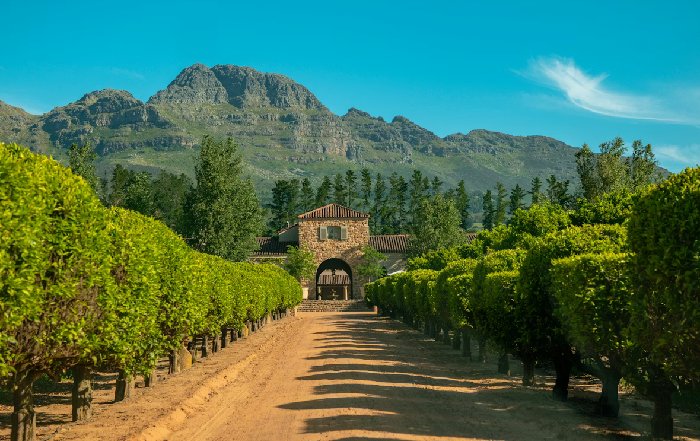
Well then, wine tourism in South Africa has shifted from a niche leisure pursuit into a sophisticated intersection of hospitality, culture, sustainability, and investment, attracting discerning travelers, remote professionals, and corporate decision-makers from the United States, United Kingdom, Germany, Canada, Australia, and across Europe, Asia, and Africa. As global travel resumes its long-term growth trajectory, South Africa's wine regions-anchored by the Cape Winelands around Stellenbosch, Franschhoek, Paarl, and the Hemel-en-Aarde Valley-have positioned themselves as strategic destinations where premium experiences, favorable currency dynamics, and strong sustainability credentials align with the expectations of an internationally mobile, digitally enabled audience.
For well travelled and active readers of worldwetravel.com, wine tourism in South Africa is no longer simply about tasting vintages in picturesque vineyards; it is about understanding how this sector reflects broader shifts in the global economy, how it integrates technology and remote work, how it supports family-friendly and wellness-oriented retreat travel, and how it embodies new standards for eco-conscious hospitality. Travelers exploring new destinations increasingly evaluate regions not only on scenic appeal but also on infrastructure, safety, connectivity, and long-term value, and South Africa's wine tourism ecosystem has responded with remarkable agility and professionalism.
South Africa's Wine Landscape: Heritage, Terroir, and Global Positioning
South Africa is one of the world's oldest New World wine producers, with a history dating back to the 17th century when Dutch and later French Huguenot settlers began cultivating vines in the Cape. Today, according to data from Wines of South Africa (WoSA) and industry analysis by the International Organisation of Vine and Wine (OIV), the country consistently ranks among the top ten wine-producing nations globally, exporting to markets across North America, Europe, and Asia. Readers can explore comparative production figures and trends through resources such as the OIV's global wine reports.
The Cape's diverse terroir-ranging from the maritime-influenced vineyards near Cape Town and Hermanus to the warmer inland valleys of Robertson and Worcester-supports an impressive variety of cultivars. Signature grapes such as Chenin Blanc and Pinotage, along with internationally recognized Cabernet Sauvignon, Syrah, and Chardonnay, have allowed South African producers to compete credibly with established wine regions in France, Italy, Spain, and California. Business travelers and investors evaluating comparative quality and price positioning frequently reference expert ratings from organizations such as Wine Spectator and Decanter, whose analyses can be reviewed via the Wine Spectator website and Decanter's global wine coverage.
For travelers planning a multi-country journey across Europe and Africa, South Africa's wine regions now stand alongside Bordeaux, Tuscany, Rioja, and the Mosel as essential stops on a curated global wine itinerary. The combination of favorable exchange rates, strong culinary culture, and world-class natural scenery gives South African wine tourism a compelling value proposition, particularly for visitors from the United Kingdom, Germany, Netherlands, Switzerland, and Nordic countries, who seek premium experiences at competitive cost.
The Cape Winelands: Strategic Hubs for Leisure and Business Travel
The Cape Winelands have emerged as a central pillar of South Africa's tourism strategy, aligning with national and regional development frameworks promoted by South African Tourism and the Western Cape Government. Travelers can access official destination information through South African Tourism and the Western Cape tourism portal.
For readers of worldwetravel.com, the Winelands function as both a leisure destination and a practical base for business and remote work, thanks to their proximity to Cape Town International Airport, robust road infrastructure, and increasingly reliable digital connectivity. Many executives now choose to extend business trips in Cape Town with a two- or three-day stay in Stellenbosch or Franschhoek, blending strategic meetings with vineyard visits, fine dining, and wellness experiences. Those planning such blended itineraries can find broader planning guidance in the business travel section of worldwetravel.com.
Stellenbosch, home to Stellenbosch University, is a particularly important node, combining academic excellence, wine innovation, and entrepreneurial activity. The university's Department of Viticulture and Oenology collaborates closely with local estates, making the town a living laboratory for advances in climate-resilient viticulture, cellar technology, and sustainability practices. Professionals interested in the science underpinning wine tourism can explore academic insights via the Stellenbosch University website.
Franschhoek, with its French heritage and high density of fine-dining establishments, has positioned itself as a gastronomic capital, attracting chefs recognized by guides such as the Michelin Guide and global rankings like The World's 50 Best Restaurants. Although the Michelin Guide does not yet formally rate South African restaurants, international recognition and media coverage from outlets such as the World's 50 Best and the New York Times have elevated the region's profile among culinary travelers from New York, London, Paris, Tokyo, and Singapore.
Hotels, Estates, and the New Standard of Hospitality
The evolution of wine tourism in South Africa has been closely linked to the professionalization of its hospitality sector. Many leading wine estates now operate integrated hospitality offerings that combine luxury hotels, guesthouses, and villas with tasting rooms, restaurants, wellness centers, and event facilities. Readers seeking to compare accommodation types and service levels can explore curated hotel content at worldwetravel.com/hotels.
Properties such as Delaire Graff Estate, Babylonstoren, Spier, and Vergelegen have become benchmarks for integrated wine tourism experiences, offering not only premium wines but also art collections, botanical gardens, farm-to-table restaurants, and family-friendly activities. Many of these estates have invested heavily in training, partnering with institutions like the Cape Wine Academy and hospitality schools across South Africa and Europe to ensure that service standards meet the expectations of guests accustomed to leading properties in France, Italy, Switzerland, and Japan. Professionals interested in wine education can explore programs via the Cape Wine Academy and the globally recognized Wine & Spirit Education Trust.
For family travelers, the new generation of wine tourism experiences emphasizes inclusivity and safety. Child-friendly tasting formats, outdoor play areas, farm animal encounters, and interactive vineyard tours allow parents to enjoy sophisticated experiences without compromising on family needs. Those planning multigenerational trips can find additional insights in the family travel section of worldwetravel.com, which highlights how wine regions can be incorporated into broader itineraries across South Africa, Namibia, Botswana, and Mauritius.
Digital Transformation and the Remote Work-Wine Tourism Nexus
By 2026, the convergence of technology and travel has fundamentally reshaped how visitors engage with South Africa's wine regions. High-speed fiber connectivity has expanded significantly across the Western Cape, supported by national digital infrastructure initiatives and private investment, enabling many estates, boutique hotels, and co-working spaces to cater to remote professionals and "work-from-anywhere" travelers. Readers interested in broader trends at the intersection of travel and technology can explore the technology hub on worldwetravel.com.
Wine estates are increasingly integrating digital tools into the visitor journey, from online booking platforms and dynamic pricing to augmented-reality vineyard tours and app-based self-guided tastings. Some properties offer dedicated "work and wine" packages that combine weekday accommodation, co-working spaces, and curated tastings or vineyard walks outside core working hours, appealing to professionals from Germany, Netherlands, Sweden, Norway, Denmark, United States, and Canada who can leverage time zone overlaps for efficient remote collaboration. Analysis from organizations such as McKinsey & Company and the World Economic Forum has highlighted the long-term durability of hybrid work models, and readers can learn more about the future of work through the World Economic Forum's research.
Digital marketing and e-commerce have also become critical to the business models of South African wine producers. Direct-to-consumer sales, subscription wine clubs, and virtual tastings-accelerated during the pandemic years-remain important revenue streams, especially for smaller, premium-focused producers targeting international markets in Asia, North America, and Europe. Industry professionals seeking a deeper understanding of these commercial dynamics can consult market intelligence from the International Trade Centre and the International Wine and Spirit Research (IWSR), accessible via the IWSR website.
Health, Wellness, and Retreat Tourism in the Vineyards
Health-conscious travelers in 2026 increasingly view wine tourism through a broader wellness lens, seeking balance between indulgence and well-being. South African wine regions have responded with a growing portfolio of wellness-oriented retreat offerings that integrate vineyard walks, yoga sessions, spa treatments, and nutrition-focused cuisine with moderated, educational wine experiences. Readers interested in wellness-focused travel can explore dedicated content in the retreat section of worldwetravel.com.
Many estates now emphasize organic or biodynamic farming, reduced chemical inputs, and transparent labeling, aligning with global consumer trends toward healthier and more sustainable food and beverage choices. Organizations such as Demeter International and Organic South Africa provide frameworks and certification schemes for biodynamic and organic production, which can be explored via Demeter International and Organic South Africa. These practices not only appeal to health-conscious visitors but also support long-term soil health, biodiversity, and climate resilience.
Travelers with specific health considerations increasingly rely on trusted medical and wellness guidance when planning trips that include alcohol consumption. Reputable sources such as the World Health Organization and national health agencies in the United States, United Kingdom, Canada, and Australia provide evidence-based recommendations on moderate drinking and cardiovascular health, which many premium estates now incorporate into guided tastings and educational materials. Additional health-focused travel insights can be found in the health section of worldwetravel.com, helping travelers make informed decisions that balance enjoyment with personal well-being.
Sustainability, Eco-Conscious Travel, and Responsible Wine Tourism
Sustainability has become a central pillar of South African wine tourism, reflecting both environmental necessity and evolving customer expectations. The Wine and Agricultural Ethical Trade Association (WIETA) and the Integrated Production of Wine (IPW) scheme provide frameworks for environmentally responsible and ethically produced wines, and travelers increasingly look for these certifications when selecting estates to visit. Those interested in the technical standards behind sustainable viticulture can learn more about sustainable winegrowing through the official IPW portal.
For eco-conscious travelers using worldwetravel.com as their planning partner, South Africa's wine regions offer compelling examples of how tourism can support biodiversity conservation, water stewardship, and community development. Many estates participate in the Biodiversity & Wine Initiative (BWI) or collaborate with organizations such as the World Wide Fund for Nature (WWF) to protect indigenous fynbos vegetation and restore natural habitats within and around vineyards. Readers wishing to deepen their understanding of conservation in the Cape Floral Kingdom can explore resources from WWF South Africa.
The eco-dimension of wine tourism also extends to transport, energy, and building design. Increasing numbers of estates and hotels have invested in solar power, water-recycling systems, and low-impact architecture, aligning with global climate goals articulated in frameworks such as the Paris Agreement and the UN Sustainable Development Goals. Business leaders and sustainability professionals can learn more about sustainable business practices through the UN Environment Programme. For travelers prioritizing low-impact itineraries, the eco travel section of worldwetravel.com provides practical guidance on choosing operators, accommodations, and activities that align with responsible tourism principles.
Cultural Depth: History, Heritage, and Local Communities
Wine tourism in South Africa is inseparable from the country's broader cultural and historical context. Vineyards and estates are deeply intertwined with the legacies of colonialism, apartheid, and democratic transformation, and many forward-looking producers and tourism operators are now actively engaging with this history through storytelling, art, and community partnerships. Travelers interested in a nuanced understanding of South African culture can explore broader content in the culture section of worldwetravel.com.
In Stellenbosch, Franschhoek, and surrounding towns, museums, heritage walks, and community-based tourism initiatives provide visitors with opportunities to learn about the experiences of farm workers, the evolution of land ownership, and the role of wine in South Africa's social and economic development. Institutions such as the District Six Museum and the Iziko Museums of South Africa in Cape Town offer valuable historical context, and visitors can find more information through the Iziko Museums website.
Many estates are now partnering with local artisans, chefs, and cultural practitioners to create immersive experiences that go beyond traditional tastings. These may include food and wine pairings featuring indigenous ingredients, storytelling evenings led by community historians, and art exhibitions that reflect contemporary South African perspectives. Such initiatives align with global best practices in community-based tourism promoted by organizations like the UN World Tourism Organization (UNWTO), whose guidelines can be explored via the UNWTO website.
Economic Impact, Investment, and Business Opportunities
From a business perspective, wine tourism in South Africa sits at the intersection of agriculture, manufacturing, hospitality, and global trade, making it a key contributor to both regional and national economy. The sector generates employment across a wide skills spectrum, from viticulture and winemaking to marketing, logistics, and hospitality management, and it drives export earnings through both direct wine exports and tourism-related foreign exchange inflows. Readers seeking a macroeconomic overview can consult resources from the South African Reserve Bank and the World Bank, accessible via the World Bank country overview.
For investors and entrepreneurs from Germany, Netherlands, United Kingdom, United States, China, Japan, Singapore, and other markets, South African wine tourism offers opportunities in estate acquisition, hospitality development, technology solutions, and specialized services such as logistics, sustainability consulting, and digital marketing. However, these opportunities are accompanied by complex regulatory, environmental, and socio-political considerations, including water scarcity, land reform debates, and evolving labor regulations. Professionals evaluating such investments often rely on analysis from firms like PwC, Deloitte, and EY, whose regional insights on hospitality and tourism can be explored via the PwC hospitality and leisure hub.
Worldwetravel.com's economy section provides additional context on how tourism, including wine tourism, fits into broader global economic trends, currency movements, and investment flows. For corporate travel managers and event planners, the wine regions of South Africa now represent attractive venues for leadership retreats, incentive trips, and client engagement events, particularly for organizations seeking locations that combine strategic accessibility, cost-effectiveness, and memorable experiences.
Practical Tips for Planning a Wine-Focused Journey to South Africa
For international travelers planning a wine-focused journey to South Africa in 2026, careful preparation enhances both enjoyment and safety. Seasonality, regional differences, and logistical considerations all play a role in shaping an effective itinerary. The Southern Hemisphere harvest typically occurs between February and April, offering visitors a chance to experience the energy of harvest season, but shoulder seasons in spring (September to November) and autumn (April to May) often provide ideal conditions with mild weather, fewer crowds, and favorable pricing. Broader planning advice and destination comparisons can be found in the travel section of worldwetravel.com.
Travelers from North America, Europe, Asia, and Oceania should consult official guidance from their respective foreign ministries, as well as the South African Department of Home Affairs, for up-to-date visa requirements and entry regulations, which can be checked via the South African government portal. Health and safety recommendations, including vaccination guidance and information on regional health risks, are available from the US Centers for Disease Control and Prevention and similar agencies in the United Kingdom, Canada, Australia, and European Union member states.
Within South Africa, travelers can choose between self-drive itineraries, private transfers, and guided tours. While self-driving offers flexibility, visitors should familiarize themselves with local road conditions, driving norms, and legal blood-alcohol limits. Many estates and hotels provide shuttle services or can arrange transport with vetted providers, which is particularly advisable for those planning multiple tastings in a single day. Additional safety and planning guidance is available in the tips section of worldwetravel.com, which covers topics such as travel insurance, payment options, and connectivity.
Remote professionals considering extended stays in the wine regions should evaluate accommodation options that combine comfortable workspaces, reliable internet, and access to essential services such as healthcare, co-working spaces, and international schools for families. Worldwetravel.com's work-focused content explores how destinations like the Cape Winelands can function as medium-term bases for location-independent professionals and globally mobile executives.
South African Wine Tourism - the Strategic Choice for Global Travelers?
So wine tourism in South Africa stands at a compelling intersection of experience, expertise, authoritativeness, and trustworthiness. The sector draws on centuries of viticultural heritage, a sophisticated and increasingly sustainable production base, and a hospitality industry that has rapidly adapted to the expectations of global travelers from the United States, United Kingdom, Germany, France, Italy, Spain, Netherlands, Switzerland, China, Japan, South Korea, Singapore, Nordic countries, and beyond. For readers of worldwetravel.com, the Cape's wine regions offer more than scenic landscapes and exceptional wines; they offer a lens through which to understand broader shifts in global travel, the economy, technology, health, culture, and work.
Whether planning a family holiday that balances vineyard visits with outdoor adventures, a corporate retreat that blends strategic workshops with world-class hospitality, a wellness-focused escape in tranquil vineyard settings, or a remote working stay that integrates productivity with lifestyle, South Africa's wine regions present a sophisticated, globally connected, and increasingly sustainable choice. By leveraging authoritative resources, engaging with responsible operators, and drawing on the curated incredible journalistic insights available across worldwetravel.com, travelers can approach South African wine tourism not only as a memorable experience, but as a well-informed, strategically sound decision in an ever-evolving global travel landscape.