

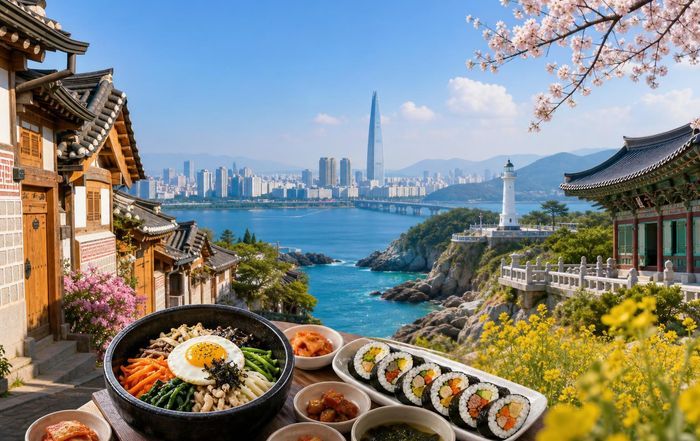
South Korea Travel Guide to Culture, Food and Coastal Escapes
South Korea has emerged as one of the world's most compelling destinations, a country where ancient palaces stand beside futuristic skyscrapers, coastal fishing villages coexist with high-tech ports, and temple bells ring within earshot of K-pop beats. For travelers who follow us often daily, South Korea offers a rare blend of accessibility, safety, culinary depth, and cultural richness, making it an ideal choice for first-time visitors to Asia as well as seasoned explorers seeking fresh perspectives and inspiration.
This guide brings together up-to-date insights from tourism boards, cultural institutions, and culinary experts to help travelers navigate South Korea's cultural landscapes, food scenes, and coastal escapes with confidence and curiosity, while travelling responsibly and respectfully.
Understanding South Korea's Appeal
South Korea's rise as a global cultural powerhouse is rooted in a long history of resilience, creativity, and openness to innovation. The country's tourism profile has expanded dramatically over the past decade, supported by the worldwide popularity of K-dramas, K-pop, and Korean cuisine. Organizations such as the Korea Tourism Organization highlight that visitors are increasingly drawn not only to Seoul's neon-lit districts but also to regional cities, national parks, and lesser-known islands that showcase the country's diversity. Travelers can explore an overview of key regions and cities through the WorldWeTravel destinations hub, which places South Korea within a broader global context of inspiring places to visit.
South Korea's compact size and excellent infrastructure, including its high-speed KTX rail network and integrated public transport cards, allow visitors to experience multiple regions within a relatively short trip. According to the national rail operator KORAIL, major cities such as Seoul, Busan, and Gwangju are linked by fast, frequent trains, while domestic flights connect Seoul with Jeju Island and other regional airports. This connectivity makes it straightforward to combine urban exploration, cultural immersion, and coastal relaxation in a single itinerary, an approach that aligns well with the multi-experience travel philosophy promoted through WorldWeTravel's travel planning resources.
Cultural Foundations: Palaces, Temples, and Living Traditions
A meaningful journey through South Korea begins with an understanding of its cultural foundations, which are deeply influenced by Confucianism, Buddhism, and a strong sense of community. In Seoul, visitors can step into the country's royal past at Gyeongbokgung Palace and Changdeokgung Palace, both of which have been extensively researched and preserved. UNESCO recognizes Changdeokgung as a World Heritage Site for its harmonious integration of architecture and landscape, and its Secret Garden offers a contemplative counterpoint to the capital's energetic streets. Travelers can learn more about these and other cultural landmarks through UNESCO's World Heritage Centre.
Beyond the palaces, South Korea's Buddhist heritage is visible in temples such as Bulguksa in Gyeongju and Haeinsa in Hapcheon, the latter home to the Tripitaka Koreana, an invaluable collection of Buddhist scriptures carved onto wooden blocks. Multiple academic and heritage sources confirm the importance of these sites not only as tourist attractions but also as living religious centers where monks and laypeople continue daily practices. For travelers who wish to experience this aspect of Korean culture more deeply, the Templestay program, coordinated by the Jogye Order of Korean Buddhism, offers structured stays that include meditation, tea ceremonies, and temple etiquette education. Information about these programs can be found on the official Templestay website, which provides booking details and guidelines for respectful participation.
Cultural experiences extend into neighborhoods and everyday life. In Seoul, areas such as Bukchon Hanok Village and Ikseon-dong preserve traditional hanok houses, many converted into guesthouses, tea rooms, and craft shops. Authorities and preservation groups encourage visitors to walk quietly, respect residential privacy, and follow posted guidelines, reflecting a broader national emphasis on sustainable and community-friendly tourism. Travelers seeking additional cultural context may find inspiration in WorldWeTravel's culture section, which explores how destinations can be approached with curiosity and respect.
The Rhythm of Modern Life: Cities, Design, and Technology
South Korea's cities offer a vivid illustration of how tradition and innovation can coexist. Seoul, often ranked among the world's most connected and technologically advanced cities, is a laboratory for smart mobility, digital payment ecosystems, and urban design. According to Seoul Metropolitan Government reports and independent analyses from organizations such as OECD, the city has invested heavily in public transport, green spaces, and digital infrastructure, which contribute to its reputation as a convenient and efficient destination for visitors.
Urban regeneration projects like Cheonggyecheon Stream, transformed from an elevated highway into a linear park, and the Seoullo 7017 sky garden, converted from an old overpass, demonstrate how design can improve quality of life and tourism appeal simultaneously. Travelers interested in the intersection of technology, urbanism, and travel can explore broader trends in smart cities through resources such as the World Economic Forum's work on urban innovation and complement this with insights from WorldWeTravel's technology coverage, which highlights how digital tools are reshaping travel experiences worldwide.
Other cities add their own flavors to the national mosaic. Busan, the country's second-largest city, is renowned for its beaches, seafood markets, and the Busan International Film Festival, one of Asia's leading film events, as confirmed by film industry sources and cultural organizations. Incheon, beyond its globally recognized international airport, features waterfront developments and Chinatown districts that reflect historic trade connections. Gwangju is often cited by human rights groups and historians as a symbol of democratic activism due to the events surrounding the 1980 Gwangju Uprising, and it continues to host biennales and art festivals that emphasize freedom of expression.
For travelers balancing work and exploration, South Korea's advanced connectivity, coworking spaces, and café culture make it attractive for remote work stays or "workations." The Korea Tourism Organization has promoted such blended trips, and travelers can contextualize this trend within global work-travel movements through WorldWeTravel's work and business travel insights and business travel section.
Korean Cuisine: From Street Food to Fine Dining
Korean cuisine has become a global phenomenon, yet its depth is best appreciated within the country, where regional specialties, seasonal ingredients, and family recipes add nuance to familiar dishes. Food scholars and organizations such as The Academy of Korean Studies and VisitKorea emphasize that Korean food is shaped by a philosophy of balance, fermentation, and shared dining.
In markets across Seoul, Busan, and Jeonju, travelers encounter staples such as tteokbokki (spicy rice cakes), hotteok (sweet pancakes), gimbap (seaweed rice rolls), and sundae (Korean blood sausage), often prepared at stalls that have served local communities for decades. Gwangjang Market in Seoul and Jagalchi Market in Busan are frequently cited by culinary writers as essential stops for tasting authentic dishes and observing the dynamics of daily commerce. For those interested in understanding how fermented foods like kimchi, doenjang (soybean paste), and gochujang (chili paste) contribute to both flavor and health, resources from institutions such as the National Institute of Agricultural Sciences and health organizations provide evidence of their probiotic and nutritional benefits, while acknowledging that individual dietary needs vary.
Fine dining in South Korea has also gained international recognition. Guides such as Michelin Guide Seoul list a growing number of restaurants that reinterpret traditional flavors through contemporary techniques, often emphasizing local and seasonal produce. Travelers researching high-end dining options should verify the latest listings directly on the Michelin Guide website or through official restaurant channels, since rankings and stars are updated periodically and should not be assumed without current confirmation.
Food is also an entry point into Korean family life and social customs. Shared dishes, communal grills, and banchan (an array of side dishes) reinforce values of togetherness and hospitality. Families traveling with children often appreciate the variety of mild options such as galbitang (beef rib soup), japchae (stir-fried glass noodles), and various rice porridges, which can be found in many local restaurants and department store food courts. To plan family-friendly culinary experiences, readers can draw on WorldWeTravel's family travel guidance, which emphasizes comfort, safety, and shared discovery.
Health, Wellness, and the Korean Approach to Balance
Health and wellness are increasingly central to how people travel, and South Korea offers a distinctive blend of traditional practices and modern healthcare. Jjimjilbang, or Korean bathhouses, are widely recognized by travel and cultural commentators as integral to local wellness culture, combining saunas, hot and cold pools, rest areas, and sometimes sleeping quarters. Facilities such as Dragon Hill Spa in Seoul or Spa Land Centum City in Busan have been featured in numerous travel guides for their comprehensive amenities. While cleanliness standards are generally high and many visitors find these experiences restorative, travelers should follow posted hygiene rules and be aware that some jjimjilbangs have gender-segregated areas with nude bathing, which may require cultural adjustment.
Traditional Korean medicine, influenced by centuries of herbal knowledge and acupuncture, is regulated within South Korea, and clinics offering treatments are licensed under national health guidelines. Reputable institutions and universities, including Kyung Hee University and other medical schools, conduct research into the efficacy and safety of various treatments, although global medical consensus varies on certain practices. Travelers interested in such therapies should consult qualified practitioners and, where relevant, their own healthcare providers, particularly if they have existing medical conditions. More general information on staying healthy while travelling can be found through resources like the World Health Organization's travel advice pages and WorldWeTravel's health section, which encourage preventive care and informed decision-making.
Wellness in South Korea also extends to nature, with national parks such as Seoraksan, Jirisan, and Hallasan offering hiking trails, forest bathing experiences, and mountain temples. The Korea National Park Service provides detailed maps and safety guidelines, and environmental organizations emphasize the importance of staying on marked paths and minimizing waste to protect fragile ecosystems. These practices align with the sustainable travel principles championed on WorldWeTravel's eco-travel page, which encourage travelers to support conservation efforts and low-impact tourism.
Coastal Escapes: From Busan Beaches to Jeju's Volcanic Landscapes
South Korea's coastline, stretching along the Yellow Sea, the East Sea (also known as the Sea of Japan in some international contexts), and the Korea Strait, encompasses sandy beaches, rocky coves, fishing harbors, and island archipelagos. Coastal tourism has grown steadily, with official statistics from the Ministry of Oceans and Fisheries and regional governments highlighting increased investment in marine leisure, port redevelopment, and environmental protection.
Busan is often the first coastal stop for international travelers, with Haeundae Beach and Gwangalli Beach offering soft sands, seaside cafés, and easy access to urban amenities. Nighttime views of the Gwangan Bridge and seasonal festivals, including fireworks displays, have been well documented by tourism authorities and media outlets as major draws. Water quality monitoring programs, reported by municipal agencies, generally indicate safe conditions for swimming during the official beach season, though visitors are advised to follow local advisories and lifeguard instructions.
Further along the southern and eastern coasts, cities such as Yeosu, Tongyeong, and Gangneung offer quieter, more local experiences. Yeosu is known for its scenic bays and marine cable car, while Tongyeong has gained attention for its art installations and island-hopping opportunities. Gangneung, on the East Sea, gained international visibility during the PyeongChang 2018 Winter Olympics and continues to attract visitors to its coffee street and beaches. Reliable information about these destinations can be found through regional tourism offices and cross-checked with independent travel journalism from outlets such as National Geographic Travel and Lonely Planet, which frequently profile South Korea's lesser-known coastal areas.
Jeju Island, a volcanic island south of the mainland, is arguably the country's most famous coastal escape. Recognized by UNESCO as a World Natural Heritage site and a Global Geopark, Jeju features lava tubes, waterfalls, beaches, and the iconic volcanic cone of Seongsan Ilchulbong. Multiple scientific and conservation organizations confirm the island's ecological significance, while also noting pressures from high visitor numbers and development. Local authorities have introduced measures such as environmental fees and trail management to mitigate impact, and travelers are encouraged to support eco-friendly operators, reduce plastic use, and respect designated paths. For those seeking restorative stays, Jeju's growing portfolio of wellness retreats, meditation centers, and eco-lodges aligns closely with the themes explored in WorldWeTravel's retreat coverage and its emphasis on nature-based rejuvenation.
Accommodation and Hospitality: From Hanok Stays to Luxury Hotels
South Korea's accommodation landscape reflects its broader cultural blend of heritage and modernity. Traditional hanok guesthouses, especially in Seoul, Jeonju, and Gyeongju, provide an intimate experience of Korean architecture, with wooden beams, tiled roofs, ondol (underfloor heating), and courtyards. Heritage and tourism organizations note that many of these properties are family-run, and guests are often introduced to local customs such as floor sleeping, shoe removal indoors, and shared breakfasts. Booking reputable hanok stays through established platforms or official city tourism sites helps ensure standards of safety and authenticity.
At the other end of the spectrum, international hotel chains and domestic groups offer luxury and business-class stays in major cities and resort areas. New openings in Seoul's central districts and along Busan's waterfront continue to be reported by hospitality industry publications, reflecting sustained investment in tourism infrastructure. Mid-range hotels, serviced apartments, and guesthouses provide options for longer stays, families, and remote workers, with many properties emphasizing digital convenience, including keyless entry and app-based services. Travelers can compare and plan their stays using curated insights from WorldWeTravel's hotels section, which aims to highlight properties that combine comfort, character, and responsible practices.
Budget travelers frequently make use of South Korea's extensive network of hostels and "gosiwon" style rooms, though the latter are sometimes very compact and intended more for long-term residents or students. Travel safety organizations recommend that visitors research neighborhood reputations, read recent reviews, and ensure that fire safety and security standards are met, especially in very low-cost accommodations.
Family-Friendly and Multi-Generational Travel
South Korea is notably welcoming to families, with a wide range of attractions that appeal to children, parents, and grandparents alike. Theme parks such as Lotte World in Seoul and Everland in Yongin are widely covered by tourism media as premier family destinations, combining rides, parades, and seasonal events. Major aquariums, including COEX Aquarium and Busan Aquarium, offer educational encounters with marine life, while children's museums, science centers, and interactive exhibits in cities across the country provide engaging indoor options during inclement weather.
Public spaces, including riverfront parks, playgrounds, and libraries, are generally well maintained and safe, with family-oriented facilities such as nursing rooms and child-friendly restrooms commonly available in large malls and transport hubs. Public transport is stroller-friendly in many areas, though some older subway stations may have limited elevator access, so advance planning is advisable. To design itineraries that balance entertainment, rest, and cultural learning, families can draw on WorldWeTravel's family travel content, which emphasizes practical tips, age-appropriate activities, and shared experiences that strengthen bonds.
Sustainable and Responsible Travel in South Korea
As global awareness of climate change and overtourism grows, South Korea has been refining its approach to sustainable tourism. Government agencies, environmental NGOs, and academic institutions collaborate on initiatives to protect marine ecosystems, reduce plastic waste, and promote low-carbon transport. The Korea Environment Institute and Ministry of Environment publish research and policy updates on these topics, while local governments pilot projects such as car-free zones, eco-trails, and community-based tourism.
Travelers can contribute positively by choosing rail or bus travel where feasible, supporting local businesses, and participating in eco-certified tours. Coastal clean-up programs, village homestays, and cultural workshops led by residents help ensure that tourism revenue supports communities and heritage preservation. For example, traditional craft villages and agricultural cooperatives often welcome visitors for hands-on experiences, which can be arranged through regional tourism boards or reputable tour operators. These practices resonate strongly with the values promoted on WorldWeTravel's eco-travel page and global travel reflections, where responsible travel is seen as both a privilege and a shared responsibility.
Practical Considerations and Travel Tips
Travelers to South Korea benefit from a generally high level of safety, efficient public services, and clear signage in multiple languages, especially in major cities and tourist areas. Official travel advisories from governments such as the U.S. Department of State, UK Foreign, Commonwealth & Development Office, Government of Canada, and Australian Department of Foreign Affairs and Trade consistently describe South Korea as a low-crime destination, while also recommending standard precautions regarding personal belongings, crowded areas, and awareness of local laws.
Digital convenience is a hallmark of daily life. Contactless payment systems, transit cards such as T-money, and widespread Wi-Fi access make navigation and purchases straightforward. Translation apps, mapping services, and local navigation platforms like Naver Map and KakaoMap are frequently recommended by experienced travelers and tech reviewers for their detailed coverage, although some interfaces may require basic familiarity with Korean script. For those planning complex itineraries, WorldWeTravel's travel tips section offers broader advice on organizing multi-city trips, budgeting, and staying connected abroad.
Seasonality is an important factor in trip planning. Spring cherry blossoms and autumn foliage attract large numbers of domestic and international visitors, leading to higher prices and crowded hotspots, while summer brings beach season and humid weather, and winter offers skiing in regions such as PyeongChang. Meteorological agencies such as the Korea Meteorological Administration provide reliable climate data and weather forecasts that can help travelers choose the best time for their interests and comfort levels.
South Korea in the Global Travel Landscape
In the global context, South Korea stands out as a destination that combines cultural depth, modern infrastructure, and a strong commitment to innovation. International organizations such as the World Tourism Organization (UNWTO) and economic bodies like the OECD have documented the country's growing role in regional tourism, trade, and cultural exchange, while also noting challenges such as demographic shifts and environmental pressures that influence long-term planning. These dynamics make South Korea not only an appealing place to visit but also a case study in how nations adapt to global trends while preserving identity.
For smart unwell travelled readers, here, South Korea offers an invitation to experience a country that is both familiar, thanks to its global pop culture presence, and deeply layered, with histories, landscapes, and communities that reward slow, attentive travel. By combining visits to iconic landmarks with time in coastal villages, mountain temples, and local markets, travelers can craft journeys that are personally meaningful and globally connected.
Whether planning a family holiday along Busan's beaches, a culinary exploration of Seoul's markets and restaurants, a wellness retreat on Jeju's volcanic shores, or a work-and-travel stay in one of the country's creative cities, South Korea offers the infrastructure, hospitality, and cultural richness to make those plans a reality. With thoughtful preparation, respect for local customs, and an openness to learning, visitors can contribute to and benefit from a travel experience that exemplifies the values of expertise, trustworthiness, and inspiration that guide WorldWeTravel and its global community of explorers.