

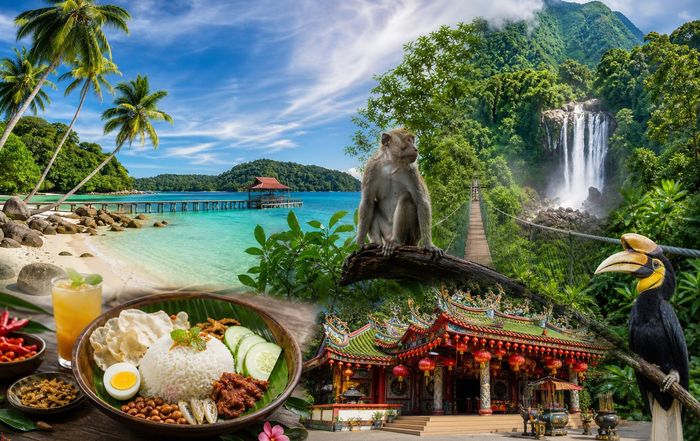
Malaysia Travel Guide to Islands, Food and Rainforest Escapes
Malaysia has long been one of Southeast Asia's most rewarding destinations for travelers who want tropical islands, sophisticated cities, rainforest adventures and world-class food in a single itinerary. From the coral-fringed coasts of Sabah to the colonial streets of George Town and the skyscrapers of Kuala Lumpur, the country offers a rare blend of accessibility, cultural diversity and natural abundance that continues to attract families, solo travelers, business visitors and eco-tourists alike.
For travel fans, Malaysia represents the kind of destination where thoughtful travel can still make a meaningful difference, supporting conservation, local communities and sustainable hospitality while delivering unforgettable experiences. This guide explores the country's standout islands, culinary landscapes and rainforest escapes, and highlights how travelers can engage with Malaysia in a way that is both enriching and responsible.
A Gateway to Southeast Asia
Malaysia's geography and infrastructure make it an ideal entry point to Southeast Asia. The country is divided into Peninsular Malaysia, which shares land borders with Thailand and Singapore, and Malaysian Borneo, which comprises the states of Sabah and Sarawak on the island of Borneo. Major international gateways such as Kuala Lumpur International Airport (KLIA) and Singapore Changi Airport (for overland entry via Johor) connect Malaysia to North America, Europe and the rest of Asia, allowing travelers to combine Malaysian journeys with wider regional itineraries.
Authoritative travel advisories from organizations such as the UK Foreign, Commonwealth & Development Office and the U.S. Department of State consistently describe most parts of Malaysia as accessible for tourism, while advising caution in specific border and maritime areas; travelers are encouraged to review the latest guidance and obtain appropriate insurance before departure. Resources such as Malaysia's official tourism portal and IATA's Timatic database, accessible via many airline websites, provide up-to-date information on entry requirements, visas and health regulations.
For readers planning multi-country trips, the destination overview pages on WorldWeTravel Destinations offer useful context on how Malaysia connects with neighboring countries, including overland travel from Thailand and Singapore and regional flight networks that link Malaysia to Australia, Europe and North America.
Island Escapes: From Langkawi to Borneo's Coral Reefs
Malaysia's islands are among the most diverse in Southeast Asia, ranging from family-friendly resort hubs to remote marine parks prized by divers. Each island group offers a distinct atmosphere, and travelers can tailor their itineraries according to whether they prioritize relaxation, nightlife, nature or underwater exploration.
Langkawi, an archipelago of 99 islands in the Andaman Sea, is one of Malaysia's best-known destinations and a favored starting point for many international visitors. Recognized as a UNESCO Global Geopark, Langkawi is celebrated for its karst formations, mangroves and beaches such as Pantai Cenang and Tanjung Rhu. The Langkawi Sky Bridge, accessed via cable car, is frequently cited by reputable travel publications as one of the most dramatic viewpoints in the region, offering panoramic views over forested hills and the sea. Travelers looking for accommodation across budgets can explore curated options through WorldWeTravel Hotels, which highlight both major resorts and smaller properties that prioritize environmental stewardship.
On the east coast of Peninsular Malaysia, the Perhentian Islands, Redang and Tioman are renowned for clear waters and coral reefs that appeal to snorkelers and divers. Marine conservation organizations and research groups, including Reef Check Malaysia, have documented both the richness of these ecosystems and the pressures they face from climate change and human activity. Many dive operators now emphasize reef-safe practices, including restrictions on anchoring and encouragement to use reef-safe sunscreen, reflecting a broader shift toward responsible marine tourism. Travelers interested in learning more about coral restoration and sustainable diving can consult resources from PADI and WWF Malaysia, which provide guidance on best practices for visitors.
In Malaysian Borneo, the islands around Sabah and Sarawak offer some of the country's most remarkable seascapes. Sipadan, often listed by respected diving publications among the world's top dive sites, is strictly regulated by the Sabah Parks authority, with limited daily permits to protect its marine life. Nearby Mabul and Kapalai provide access to Sipadan's dive sites while offering a range of overwater and island accommodations. For travelers whose focus is wildlife and marine conservation, organizations such as SEMPORNA Islands Project and Borneo Marine Research Institute share ongoing research and community-based conservation initiatives, allowing visitors to understand the environmental context of their journeys.
For family travelers, resources on WorldWeTravel Family highlight island experiences suitable for children, including calm beaches, introductory snorkeling and educational mangrove tours, ensuring that younger travelers can enjoy Malaysia's coasts in a safe and engaging way.
Malaysia's Food Culture: A Culinary Crossroads
Malaysia's culinary reputation is one of its strongest global calling cards. The country's food culture reflects centuries of interaction among Malay, Chinese, Indian and indigenous communities, as well as regional influences from Thailand, Indonesia, the Middle East and Europe. Internationally respected food writers and platforms such as BBC Travel, National Geographic and The New York Times have repeatedly highlighted Malaysian cities, particularly Penang and Kuala Lumpur, as essential destinations for food-focused travelers.
In Penang, the historic city of George Town, a UNESCO World Heritage Site, is often described as the country's food capital. Classic dishes such as char kway teow, assam laksa and nasi kandar can be found in hawker centers and street stalls across the city, many of which have been operating for decades. Guides from UNESCO and George Town World Heritage Incorporated emphasize how food is intertwined with the city's multicultural heritage, from Chinese clan houses and Indian temples to Malay kampung neighborhoods. Travelers can deepen their understanding of this heritage by pairing food tours with cultural walks, many of which are featured on WorldWeTravel Culture, offering a holistic perspective on Penang's living traditions.
Kuala Lumpur, Malaysia's capital, presents a broader cross-section of regional and international flavors. Neighborhoods such as Jalan Alor, Brickfields (Little India) and Chinatown showcase the city's street food, while modern malls and high-rise districts house contemporary Malaysian, Japanese, Korean and European restaurants. Respected guides such as the Michelin Guide, which expanded its coverage to Kuala Lumpur and Penang, provide independent assessments of both fine dining and more casual establishments, reflecting the breadth of the country's culinary scene. Travelers can explore additional suggestions for dining districts, night markets and café culture through WorldWeTravel Travel, which highlights how to navigate major Malaysian cities.
Beyond the urban centers, regional specialties reward travelers who venture further. In Malacca (Melaka), another UNESCO World Heritage Site, Nyonya or Peranakan cuisine reflects the fusion of Chinese and Malay influences, with dishes such as ayam pongteh and laksa lemak. In East Malaysia, particularly in Sarawak and Sabah, indigenous communities contribute unique flavors, including dishes made with jungle ferns, sago, wild honey and freshwater fish. Ethnographic and culinary research from institutions such as Universiti Malaysia Sarawak (UNIMAS) and Universiti Malaysia Sabah (UMS) has documented the importance of these foods to local identity and biodiversity, underscoring the value of supporting traditional markets and community-run eateries.
Travelers concerned about food safety and health can consult guidance from the World Health Organization and national health authorities, which emphasize basic precautions such as drinking safe water, choosing busy stalls with high turnover and practicing good hand hygiene. Additional practical health and wellness advice tailored to travelers is available on WorldWeTravel Health, which addresses topics from staying hydrated in tropical climates to managing dietary restrictions while exploring local cuisines.
Rainforest Escapes: National Parks and Wildlife Encounters
Malaysia's rainforests are among the oldest on Earth, with scientific estimates often citing ages of over 100 million years for parts of the ecosystem, particularly in Borneo. These forests host exceptional biodiversity, including iconic species such as orangutans, proboscis monkeys, hornbills and rafflesia flowers. Conservation organizations including WWF, Conservation International and Borneo Orangutan Survival Foundation consistently describe Malaysian Borneo as a global priority for habitat protection and species conservation.
In Peninsular Malaysia, Taman Negara National Park offers one of the most accessible introductions to lowland rainforest. Covering more than 4,000 square kilometers, Taman Negara is managed by the Department of Wildlife and National Parks Peninsular Malaysia (PERHILITAN) and provides opportunities for canopy walks, river cruises and guided night hikes. While infrastructure is relatively basic compared to city standards, reputable lodge operators and local guides help visitors explore the forest safely and responsibly, emphasizing minimal-impact practices and respect for indigenous communities such as the Orang Asli.
Further north, the highlands of Pahang and Perak, including the Cameron Highlands, offer cooler climates and a mix of tea plantations, mossy forests and hill stations. Environmental organizations and local advocacy groups have expressed concern over the years about the impact of unregulated development and agriculture on the area's ecosystems, and travelers are encouraged to select operators and accommodations that follow sustainable land-use practices. Resources on WorldWeTravel Eco provide guidance on evaluating eco-labels, understanding carbon footprints and supporting tourism businesses that demonstrate transparent environmental commitments.
In Malaysian Borneo, rainforest experiences become even more immersive. Sarawak's Gunung Mulu National Park, another UNESCO World Heritage Site, is renowned for its karst landscapes, extensive cave systems and rich biodiversity. Scientific research published through institutions such as UNESCO, Sarawak Forestry Corporation and various peer-reviewed journals has documented the park's geological significance and the ecological importance of its caves for bat populations and nutrient cycles. Visitors can explore show caves on guided tours or embark on multi-day treks, including the challenging Pinnacles trail for experienced hikers.
Sabah, on the northern tip of Borneo, offers some of Malaysia's most famous wildlife experiences. The Sepilok Orangutan Rehabilitation Centre, managed by the Sabah Forestry Department, and the nearby Bornean Sun Bear Conservation Centre provide carefully controlled opportunities to observe rehabilitated wildlife while supporting conservation and education. On the Kinabatangan River, community-based lodges and wildlife cruises allow visitors to spot proboscis monkeys, hornbills and, with luck, pygmy elephants. Conservation organizations emphasize that while ecotourism can bring economic benefits to local communities and incentivize habitat protection, it must be managed carefully to avoid disturbance to wildlife; travelers are advised to choose operators that follow clearly stated guidelines on boat distances, noise levels and group sizes.
For those seeking deeper immersion, wellness-oriented rainforest retreats and nature lodges can be found in both Peninsular Malaysia and Borneo, often incorporating yoga, meditation and traditional spa treatments into their programs. Readers interested in such experiences can explore WorldWeTravel Retreat, which highlights properties and programs that integrate nature, wellness and cultural authenticity.
Family-Friendly Travel in Malaysia
Malaysia's combination of modern infrastructure, relatively affordable costs and diverse attractions makes it particularly suitable for family travel. Major cities such as Kuala Lumpur and Penang offer a wide range of family-oriented attractions, including interactive science centers, aquariums and theme parks, as well as accessible healthcare facilities and international-standard hotels. For example, Petrosains, The Discovery Centre in Kuala Lumpur and Aquaria KLCC are frequently recommended by family travel writers as engaging indoor options, especially during rainy afternoons.
Outside the cities, family-friendly beach resorts in Langkawi, Port Dickson and Desaru Coast provide supervised kids' clubs, shallow swimming areas and organized activities such as kayaking and cycling. Theme parks such as Legoland Malaysia Resort in Johor, which opened in 2012 and has continued to expand its offerings, attract families from across Southeast Asia and beyond, with reputable travel platforms and parenting blogs noting its suitability for children of various age groups.
Educational travel is another strength of Malaysia as a family destination. Visits to historical sites in Malacca, traditional villages in Kedah and Terengganu, and cultural neighborhoods in Kuala Lumpur and Penang can be combined with museum visits and hands-on workshops in batik painting, cooking or traditional music. Resources on WorldWeTravel Family offer sample itineraries, safety tips and age-appropriate activity suggestions, helping parents design trips that balance adventure with comfort and learning.
Health and safety remain important considerations for families. Guidance from the Centers for Disease Control and Prevention (CDC) and World Health Organization (WHO) provides up-to-date recommendations on routine vaccinations, mosquito-borne disease prevention and food safety. Malaysian healthcare in major cities is generally well regarded within the region, with many hospitals accredited by international bodies such as Joint Commission International (JCI), though families are advised to carry comprehensive travel insurance and any necessary medications.
Sustainable and Eco-Conscious Travel
As global awareness of climate change and biodiversity loss has grown, Malaysia has increasingly positioned itself as a destination where sustainable tourism can play a constructive role, though progress remains uneven across regions and sectors. Official strategies from Tourism Malaysia and state-level tourism boards reference sustainable development goals, community-based tourism and the protection of natural and cultural heritage, while non-governmental organizations monitor implementation and advocate for stronger protections where needed.
Travelers can contribute positively by making informed choices. Selecting eco-certified accommodations, supporting community-based initiatives and minimizing waste and energy use are all practical steps. International frameworks such as those promoted by the Global Sustainable Tourism Council (GSTC) provide criteria for sustainable tourism businesses and destinations, and several Malaysian operators have aligned their practices with these guidelines. At the same time, environmental groups caution that "greenwashing" remains a concern and encourage travelers to look for transparent reporting, independent audits and tangible conservation outcomes rather than relying solely on marketing language.
In coastal and island destinations, responsible behavior includes avoiding the collection of shells or coral, refraining from touching marine life, using reef-safe sunscreen and respecting designated conservation zones. Inland, hikers and trekkers are encouraged to follow Leave No Trace principles, stay on marked trails and avoid disturbing wildlife or cultural sites. For readers seeking practical advice on reducing their environmental impact while traveling, WorldWeTravel Eco and WorldWeTravel Tips provide detailed guidance, from packing strategies to ethical wildlife encounters.
Community-based tourism projects in rural Malaysia offer another avenue for meaningful engagement. Homestays in traditional Malay villages, longhouse visits in Sarawak and cultural experiences with indigenous communities can provide income and recognition for local residents when developed collaboratively and respectfully. Organizations such as UNDP and regional NGOs have documented successful examples where tourism has supported cultural preservation and sustainable livelihoods, while also noting the need for ongoing dialogue to ensure that community priorities remain central.
Business, Work and Bleisure Travel
Malaysia's role as a regional business hub, particularly through Kuala Lumpur, Penang and Johor, has made it a frequent destination for corporate travelers and digital professionals. The country hosts a mix of multinational corporations, regional headquarters and a growing technology ecosystem, supported by agencies such as the Malaysian Investment Development Authority (MIDA) and Malaysia Digital Economy Corporation (MDEC). Business publications and international organizations such as the World Bank have noted Malaysia's relatively strong infrastructure, diversified economy and strategic location within ASEAN, while also highlighting structural challenges and ongoing reforms.
For business travelers, Malaysia offers modern convention centers, co-working spaces and a wide range of hotels with meeting facilities, many of which are close to dining, shopping and cultural attractions. The concept of "bleisure" travel-combining business trips with leisure time-has become increasingly prevalent, with many visitors extending stays to explore nearby islands, highlands or heritage cities. WorldWeTravel Business and WorldWeTravel Work provide insights into balancing meetings with meaningful local experiences, navigating connectivity and remote work needs, and understanding local business etiquette.
Digital nomads and remote workers have also shown growing interest in Malaysia, attracted by relatively affordable living costs, reliable internet in major urban centers and diverse lifestyle options. While visa frameworks and regulations continue to evolve, resources from Malaysia's Immigration Department and professional advisory firms offer the most reliable guidance on long-stay and work-related permits. Co-working spaces in Kuala Lumpur, Penang and Johor Bahru often host international communities and networking events, contributing to a dynamic environment for collaboration and innovation.
Travelers interested in the intersection of technology, travel and global work trends can find additional analysis on WorldWeTravel Technology and WorldWeTravel Global, which explore how digital infrastructure, remote work policies and economic shifts are reshaping travel patterns worldwide, including in Malaysia.
Planning, Practicalities and Travel Tips
Thoughtful planning can significantly enhance the experience of traveling in Malaysia. The country's climate is equatorial, with high humidity and temperatures typically ranging from the mid-20s to low 30s Celsius throughout the year, though rainfall patterns vary between coasts and between Peninsular Malaysia and Borneo. Meteorological agencies such as the Malaysian Meteorological Department and global services like Weather.gov and MeteoFrance provide seasonal forecasts and severe weather alerts, which are especially important for those planning island trips during monsoon periods.
Transport within Malaysia is generally straightforward. Domestic flights connect major cities and Borneo, while intercity buses and trains link many towns on the peninsula. Ride-hailing services such as Grab operate widely in urban areas, and reputable taxi services are available at airports and hotels. For travelers considering self-drive options, it is advisable to review up-to-date information on licensing, road rules and insurance from official sources and recognized automobile associations. The WorldWeTravel Travel section includes practical advice on navigating airports, public transport and local customs.
Cultural norms in Malaysia reflect its multi-ethnic composition and predominantly Muslim population. Dress codes are generally relaxed in urban and resort areas, but modest attire is recommended when visiting mosques, temples and rural communities. Travelers are encouraged to respect local sensitivities around religious practices, public behavior and photography, especially during significant periods such as Ramadan. Resources from Tourism Malaysia and cultural organizations, as well as WorldWeTravel Culture, provide context on etiquette, festivals and public holidays.
Financially, Malaysia offers good value compared with many Western countries, with a wide range of options from budget hostels and street food to luxury resorts and fine dining. International payment cards are widely accepted in cities and tourist areas, while cash remains useful in smaller towns and markets. Economic analyses from institutions such as the International Monetary Fund (IMF) and World Bank offer broader context on Malaysia's economic trajectory, which can influence factors such as currency fluctuations and cost of living. Additional commentary on regional economic trends and their implications for travelers can be found on WorldWeTravel Economy.
Inspiration for the Journey Ahead
Malaysia continues to evolve as a destination, balancing modernization with the preservation of its natural and cultural heritage. Travelers who approach the country with curiosity, respect and a commitment to responsible choices will find a wealth of experiences: snorkeling above coral gardens in the Perhentians, tasting street food in George Town, listening to the sounds of the rainforest in Taman Negara or watching the sunset over Mount Kinabalu's silhouette.
For the community, Malaysia exemplifies how travel can be both personally enriching and globally meaningful when underpinned by informed decisions and a spirit of engagement. By supporting local businesses that prioritize sustainability, learning from the communities that host visitors and taking time to appreciate the intricate connections between landscapes, cultures and cuisines, travelers help ensure that Malaysia's islands, food traditions and rainforests remain vibrant for generations to come.
Those ready to begin planning can explore itineraries, destination insights and practical guidance across the platform, starting from the main portal at worldwetravel.com. From there, a journey through Malaysia's coasts, kitchens and canopy-covered trails can move from inspiration to reality, shaping travel experiences that reflect both the beauty of the country and the values of responsible global citizenship.