

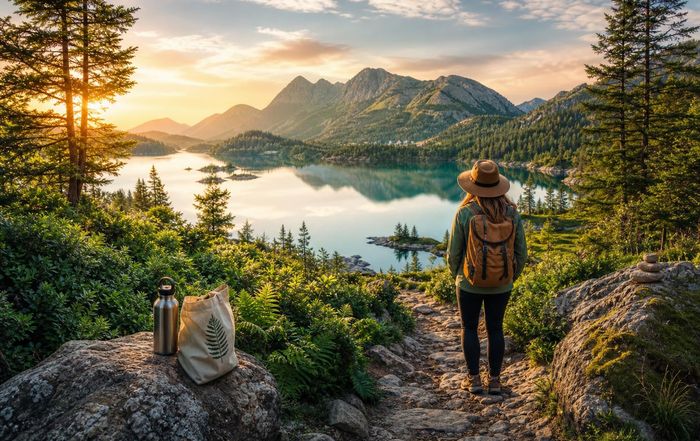
Best Low-Impact Travel Ideas for Nature-Focused Trips
Rethinking Adventure: What Low-Impact Travel Really Means
Low-impact travel has moved from niche concept to mainstream aspiration as travelers increasingly recognize that the very landscapes and ecosystems they love are under pressure from climate change, over-tourism, and habitat loss. Instead of abandoning exploration, many are seeking ways to journey more thoughtfully, choosing experiences that protect biodiversity, respect local communities, and reduce emissions, while still offering deep immersion in nature.
For WorldWeTravel, whose jet setting in individual community members span continents and cultures, low-impact travel is not a restriction but an invitation to connect more meaningfully with the world. From the forests of Scandinavia to the coasts of Australia, from the national parks of the United States to the rice terraces of Southeast Asia, travelers are discovering that smaller footprints often lead to richer experiences.
Low-impact travel generally combines three pillars: minimizing environmental harm, supporting local economies fairly, and engaging with nature in ways that nurture both visitor and destination. Organizations such as UN Tourism (formerly UNWTO) highlight that tourism can be a powerful force for conservation when it channels income to local communities and protected areas; their reports emphasize that well-managed nature tourism can help fund wildlife protection and climate adaptation in vulnerable regions. Readers can explore broader trends in sustainable tourism through resources from UN Tourism and the UN Environment Programme.
This well researched article explores practical, inspiring ideas for nature-focused trips that align with those principles, offering options for families, solo travelers, and business travelers alike, while drawing on the global travel insights and daily curated guidance of WorldWeTravel and its sections such as destinations, travel, and eco.
Choosing Lower-Carbon Ways to Reach Nature
Transportation is typically the largest contributor to a trip's carbon footprint, particularly long-haul flights. Studies summarized by the International Council on Clean Transportation and the Intergovernmental Panel on Climate Change consistently show that aviation has a significantly higher emissions intensity per passenger-kilometer than rail or coach travel, especially on short and medium-haul routes. While experts debate exact figures due to differing methodologies and assumptions about load factors, there is broad agreement that shifting some journeys from air to rail or bus can substantially reduce emissions.
In regions with robust rail networks, such as much of Europe and parts of East Asia, choosing trains over planes is one of the most effective low-impact decisions a traveler can make. High-speed rail corridors between cities like Paris and Barcelona, London and Edinburgh, or Tokyo and Osaka enable access to surrounding natural areas without the need for domestic flights. National rail operators and alliances such as Deutsche Bahn in Germany, SNCF in France, and JR Group in Japan provide detailed route planners and passes, and organizations like Rail Europe help international travelers navigate multi-country journeys.
In North America, where rail networks are less extensive for passengers, low-impact travel often means creatively combining intercity rail or coach services with local public transport and car sharing. The U.S. National Park Service and Parks Canada both highlight parks accessible by shuttle, train, or bus, from Yosemite and Acadia to Banff and Jasper, reducing the need for private vehicles within fragile ecosystems. Travelers can consult the up-to-date destinations guide for curated itineraries that prioritize public transport and slower overland routes.
For international trips where flying is unavoidable, low-impact travelers typically focus on flying less often but staying longer, choosing more efficient airlines and routes, and packing light. Independent analyses by groups such as Atmosfair and ICCT compare airline efficiency and aircraft types, while many climate scientists and NGOs caution that carbon offsetting should be treated with scrutiny, favoring certified, transparent projects and, where possible, direct contributions to conservation organizations or rewilding initiatives.
Staying in Nature with a Light Footprint
Accommodation choices can significantly influence the impact of a nature-focused trip. Eco-lodges, small guesthouses, and certified sustainable hotels increasingly offer experiences that blend comfort with conservation, from solar-powered cabins in Scandinavian forests to community-run homestays in Southeast Asia. Certification schemes such as Green Key, EarthCheck, and the Global Sustainable Tourism Council (GSTC) set standards around energy use, water management, waste reduction, and community benefit; travelers can learn more about these frameworks through the GSTC and Green Key websites.
Low-impact stays are often characterized by thoughtful design and scale rather than luxury alone. Properties that rely on natural ventilation, local materials, and native landscaping tend to require less energy and water while blending more harmoniously into their surroundings. In coastal regions of Australia and the United States, for example, dune-friendly boardwalks and stilted structures help protect fragile shorelines and wildlife corridors, a practice promoted by organizations such as The Nature Conservancy.
Travelers using WorldWeTravel's hotels section increasingly seek filters for sustainability practices, looking for accommodations that publish clear environmental policies, support local employment, and partner with conservation initiatives. Some properties in Europe and Asia now provide transparent impact reports, including energy sources, waste diversion rates, and contributions to nearby protected areas, reflecting a growing demand for verifiable action rather than vague "eco" labels.
In rural areas from Norway to New Zealand, farm stays and agritourism experiences give visitors a chance to see regenerative agriculture in practice, with some farms adopting techniques such as rotational grazing, agroforestry, and organic cultivation to improve soil health and biodiversity. Organizations like Regeneration International and FAO provide overviews of these practices, while local tourism boards in regions such as Tuscany, the Dordogne, and British Columbia highlight certified agritourism networks that welcome guests and share knowledge about sustainable food systems.
Walking, Hiking, and Trekking with Respect
Human-powered travel remains one of the most powerful low-impact ways to experience nature. Hiking, trekking, and long-distance walking routes allow travelers to slow down, observe wildlife, and engage with landscapes in intimate detail, while generating relatively low emissions and supporting local economies along the way. Well-known routes such as Spain's Camino de Santiago, Scotland's West Highland Way, New Zealand's Great Walks, and Japan's Kumano Kodo and Nakasendo trails demonstrate how carefully managed footpaths can distribute tourism income across small communities and encourage cultural exchange.
However, even walking can cause damage if not done thoughtfully. Conservation organizations and park authorities worldwide emphasize the importance of staying on marked trails to prevent erosion and habitat loss, particularly in alpine environments and fragile coastal dunes. The widely recognized Leave No Trace principles, promoted by the Leave No Trace Center for Outdoor Ethics, provide a global framework for minimizing impact, including guidelines on waste disposal, wildlife encounters, and campfire use.
In high-traffic destinations like U.S. national parks, the Swiss Alps, and popular trails in Thailand and South Korea, visitor management has become a central concern. Authorities sometimes introduce permit systems, quotas, or seasonal restrictions to protect ecosystems and enhance visitor experience. While these measures can be controversial, many conservation scientists argue, as reflected in research published by the IUCN, that controlled access is often necessary to prevent long-term damage. Responsible travelers planning nature hikes through travel and tips resources are encouraged to book permits early, respect capacity limits, and consider lesser-known routes that help distribute pressure more evenly.
Human-Powered Water Adventures
For those drawn to coastlines, lakes, and rivers, low-impact water-based activities such as kayaking, canoeing, paddleboarding, and sailing offer a quiet, intimate way to explore aquatic ecosystems without the noise and emissions associated with motorized craft. In regions ranging from Canada's lake districts and Scandinavia's fjords to Thailand's mangroves and New Zealand's coastal reserves, outfitters increasingly emphasize non-motorized options and small-group excursions that prioritize wildlife welfare.
Marine biologists and conservation NGOs such as Oceana and the World Wide Fund for Nature (WWF) highlight that responsible wildlife viewing on the water requires strict adherence to distance guidelines, speed limits, and codes of conduct to avoid disturbing marine mammals, seabirds, and sensitive habitats. Many countries and regions have formal regulations governing whale watching, dolphin encounters, and visits to marine protected areas, which can be explored through resources like WWF's oceans section and local government websites.
Low-impact travelers increasingly favor tours that contribute directly to marine conservation, whether through citizen science initiatives, reef monitoring, or financial support for local conservation projects. For example, some operators in the Caribbean, Mediterranean, and Pacific collaborate with marine biologists to collect data on coral bleaching, invasive species, or plastic pollution, with findings shared through platforms like the Allen Coral Atlas or national marine institutes. When planning water-based adventures, WorldWeTravel fans can cross-reference options via eco travel inspiration, seeking operators that transparently describe their environmental commitments and training standards.
Cycling Journeys and Microadventures
Cycling has emerged as one of the most versatile low-impact travel modes, suitable for everything from weekend microadventures near home to multi-week cross-country expeditions. Dedicated cycling routes such as the EuroVelo network across Europe, the Great Victorian Rail Trail in Australia, and parts of the East Coast Greenway in the United States provide safe, scenic corridors that link towns, rural landscapes, and natural reserves. Organizations like the European Cyclists' Federation and Adventure Cycling Association offer route maps, safety guidance, and advocacy updates.
Bikepacking-combining cycling with lightweight camping-has grown rapidly, assisted by advances in gear and digital navigation tools. However, as with hiking, responsible route choice and camping practices are essential to avoid damage to private land and sensitive ecosystems. Many countries in Northern Europe, such as Norway, Sweden, and Finland, recognize versions of "right to roam" or "freedom to roam" that permit non-motorized access to nature under specific conditions; visitors are encouraged to learn local rules through official tourism portals and environmental agencies, which typically emphasize respect, minimal impact, and temporary stays.
Urban travelers increasingly discover low-impact nature through cycling day trips and short breaks, using public bike-sharing schemes or local rentals to access nearby parks, river paths, and peri-urban forests. Cities like Amsterdam, Copenhagen, and Montreal have invested heavily in cycling infrastructure, while national and municipal plans in Germany, the United Kingdom, and South Korea continue to expand greenways that link urban centers to surrounding countryside. For those seeking ideas close to home, WorldWeTravel's travel advice and global perspectives highlight how even short, local rides can provide restorative encounters with nature without requiring long-distance flights.
Family-Friendly Low-Impact Nature Trips
Families often face the challenge of balancing children's needs for comfort, safety, and stimulation with the desire to travel responsibly. Low-impact nature trips can be particularly rewarding for younger travelers, who benefit from direct experiences of wildlife, landscapes, and local cultures that foster curiosity and environmental awareness. National parks, regional nature reserves, and well-managed coastal areas in countries such as Canada, the United States, the United Kingdom, Germany, and New Zealand offer junior ranger programs, interpretive trails, and guided activities designed specifically for children.
Educational organizations and science museums, including institutions like the Natural History Museum in London and the Smithsonian National Museum of Natural History in Washington, D.C., emphasize that hands-on nature experiences support learning about biodiversity, climate, and geology in ways that classroom-based education alone cannot. Families can reinforce these lessons through activities such as guided tidepool walks, birdwatching with local experts, or visits to botanical gardens and arboretums, many of which provide resources on native species and conservation. The Botanic Gardens Conservation International network showcases global examples.
For WorldWeTravel visitors exploring options via the family section, low-impact ideas include staying in eco-lodges with on-site nature programs, volunteering for short-term conservation projects suitable for older children, and choosing destinations accessible by train or short flights rather than multiple connections. Many families also adopt a "one big trip, many small adventures" philosophy, spending more time in a single region and exploring it thoroughly rather than rushing between distant locations, thereby reducing transport emissions and travel fatigue.
Health, Wellbeing, and Nature Retreats
The relationship between time in nature and human wellbeing is now well-supported by scientific research. Studies compiled by the World Health Organization and health agencies in countries such as Canada, the United Kingdom, and Japan indicate that regular exposure to green and blue spaces can reduce stress, improve mood, and support physical health, including cardiovascular fitness and immune function. Practices such as "forest bathing" (shinrin-yoku) in Japan, mindful walking in Nordic forests, and nature-based retreats in Europe and North America have gained global visibility as ways to counterbalance urban lifestyles and digital overload.
Travelers increasingly seek low-impact retreats that combine gentle outdoor activities with mental health and wellness programs, from yoga in coastal Portugal to meditation in the mountains of South Korea or the forests of British Columbia. Responsible operators design these retreats to minimize resource use, integrate local food and culture, and support surrounding communities, often working with local farmers, artisans, and guides. Organizations like the Global Wellness Institute provide insights into the growth of wellness tourism and its intersection with sustainability, while WorldWeTravel curates options through its health and retreat sections.
Travelers seeking restorative experiences also pay attention to seasonality, choosing shoulder seasons when possible to avoid peak crowds and reduce pressure on local infrastructure and ecosystems. In destinations from Iceland to Thailand, shifting some visits away from the busiest months helps smooth tourism flows, providing more stable income for local businesses and a calmer experience for visitors. National tourism boards and climate services, such as those linked through the World Meteorological Organization, offer data and guidance on weather patterns, helping travelers plan trips that are both comfortable and climate-aware.
Business, Remote Work, and Low-Impact Nature Travel
The rise of remote work and hybrid business models has reshaped travel patterns, with many professionals now combining work and leisure in extended stays known as "workations." This trend presents both risks and opportunities for sustainability. On one hand, frequent short-haul flights for meetings or digital nomad lifestyles can increase emissions; on the other, longer stays in fewer places can provide deeper engagement with local communities and justify slower, overland travel.
Forward-thinking companies and professionals increasingly integrate environmental considerations into travel policies and personal choices. Organizations such as the World Travel & Tourism Council (WTTC) and the World Economic Forum discuss corporate strategies for reducing business travel emissions, including replacing some trips with virtual meetings, encouraging rail over air where feasible, and supporting accommodations with verified sustainability credentials. Businesses can learn more about sustainable corporate travel through resources like WTTC's sustainability insights and the Science Based Targets initiative.
For individual professionals and remote workers who turn to WorldWeTravel's business and work pages, low-impact nature-focused ideas include choosing co-working spaces in walkable towns near national parks or coastal reserves, staying in locally owned guesthouses rather than large resorts, and engaging with community-led cultural and environmental projects. Some destinations, such as certain regions in Portugal, Costa Rica, and Thailand, have introduced digital nomad visas or remote work incentives; responsible travelers using these opportunities are encouraged by local NGOs and governments to respect housing markets, support local businesses, and contribute positively to community life.
Technology, Planning, and Informed Choices
Digital tools now play a central role in enabling low-impact travel, helping travelers plan efficient routes, identify sustainable accommodations, and understand local environmental conditions. Mapping applications and public transport planners, including services from Google Maps, Citymapper, and national rail operators, make it easier to design itineraries that favor trains, trams, and buses over rental cars. Carbon calculators from organizations such as MyClimate and WWF's footprint tools provide approximate estimates of trip emissions, supporting more informed decisions.
At the same time, experts caution that technology should complement, not replace, local knowledge and official guidance. National park authorities, environmental agencies, and local tourism boards often publish up-to-date information on trail closures, wildfire risk, flood zones, and wildlife safety, which can be more accurate than crowd-sourced apps. For example, agencies like the U.S. Geological Survey and the European Environment Agency provide data on environmental conditions that can influence safe and responsible travel.
WorldWeTravel integrates global insights and local expertise across its sections, from technology to economy, helping readers understand not only where to go but how their choices intersect with broader environmental and social systems. As travelers become more aware of supply chains, energy grids, and community resilience, they increasingly look for transparency from airlines, hotels, and tour operators about their climate strategies, labor practices, and contributions to conservation.
Building a Personal Low-Impact Travel Ethic
Low-impact, nature-focused travel is not defined by a single checklist but by a mindset of curiosity, humility, and care. For some, it may mean exploring nearby forests and wetlands by bicycle instead of flying overseas; for others, it might involve a once-in-a-lifetime trip to a distant ecosystem, undertaken with careful planning, longer stays, and a commitment to support local conservation and culture.
Across continents, indigenous communities, local guides, scientists, and conservation organizations emphasize that respectful listening and long-term thinking are key. Initiatives led by groups such as Indigenous Tourism BC in Canada, Te Haerenga networks in New Zealand, and community conservancies in Kenya and Namibia demonstrate that when tourism is co-created with local stakeholders, it can help safeguard cultural heritage and wildlife while providing livelihoods. While each context is unique, travelers can learn from these examples by seeking operators who center local voices and share governance and benefits transparently, as documented in reports from the UN Development Programme and various academic studies.
As the world continues to adjust to evolving climate realities and changing travel patterns in 2026, the choices made by individual travelers collectively shape the future of nature tourism. By prioritizing slower journeys, smaller-scale stays, human-powered exploration, and genuine engagement with local communities, readers of WorldWeTravel can transform their trips into contributions toward a more resilient and regenerative planet. The most memorable adventures often arise not from the distance traveled but from the depth of connection, and low-impact travel offers a pathway to experience the world's wild and beautiful places in ways that honor their fragility and enduring value.
For those ready to begin or deepen this journey, our premium daily updated website provides a continually evolving gateway, connecting inspiration with practical tools so that every nature-focused trip can be both unforgettable and gently made.