

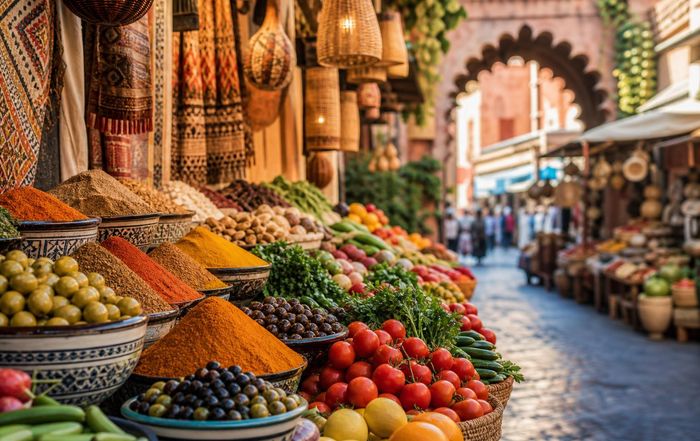
How Food Markets Reveal the Culture of a Destination
Food markets have long been among the most vivid mirrors of local life, offering a direct, unscripted view into how communities eat, trade, celebrate, and adapt to change. For travelers, they provide a rare combination of sensory immersion and cultural insight, often more revealing than any museum or tour. As global travel resumes its full momentum and evolves in response to new expectations around sustainability, wellness, and authenticity, food markets are becoming central to how discerning explorers, including fans here, understand the destinations they visit.
The Market as a Cultural Microcosm
Every traditional food market, from a neighborhood farmers' market in the United States to a sprawling bazaar in Asia, operates as a compressed version of the society around it. Economists and anthropologists often describe markets as "social institutions" rather than mere commercial spaces, because they encode values about trust, reciprocity, and identity.
In many European cities, historic market halls emerged alongside industrialization and urbanization, reflecting new ideas about public hygiene, architecture, and civic pride. Places such as La Boqueria in Barcelona or Borough Market in London, highlighted by organizations like UNESCO and various heritage bodies, showcase how city authorities sought to regulate food supply while simultaneously creating communal gathering points. Exploring these markets today reveals layers of history: the persistence of traditional ingredients, the arrival of global flavors through migration, and the balancing act between tourism and local daily life.
In contrast, many traditional markets in Asia, Africa, and South America retain a more informal structure, with open-air stalls, family-run stands, and improvised layouts that echo older trading routes and agricultural cycles. Visitors who follow the guidance in resources such as WorldWeTravel's destination overviews quickly learn that understanding where and when markets operate is often key to understanding how a community organizes its work, worship, and celebration.
Taste as a Window into History and Identity
Culinary historians frequently emphasize that what people eat is the result of centuries of trade, conquest, climate adaptation, and innovation. Food markets make these abstract histories tangible. The presence of chilies in Thai or Indian markets, for example, points back to the Columbian Exchange and the movement of crops from the Americas to Asia. The olives, grains, and cheeses that dominate markets in Italy, Greece, and Spain reflect the agricultural systems of the Mediterranean and centuries of shared cultural development.
Institutions such as the Slow Food movement, founded in Italy and now global, have documented how specific cheeses, cured meats, and heirloom vegetables found in markets represent "protected" local knowledge and biodiversity. Resources like Slow Food's Ark of Taste highlight how market vendors are often the last guardians of rare varieties of beans, fruits, or grains that do not appear in supermarkets. When travelers walk through markets in regions such as Piedmont, Provence, or Bavaria, they are not simply witnessing commerce; they are seeing living archives of agricultural traditions.
For visitors planning itineraries with WorldWeTravel, this historical perspective adds depth to experiences that might otherwise be purely gastronomic. A simple stop at a Saturday market in a French village or a weekly organic market in Berlin becomes a lesson in how Europe's Common Agricultural Policy, local terroir, and generational farming practices intersect in the baskets and crates on display.
Daily Life and Social Rituals in the Market
Beyond what is sold, how people interact within a market reveals a destination's social fabric. In some cultures, bargaining is an expected ritual that reinforces relationships and mutual respect. In others, fixed pricing reflects different norms around fairness and time. Sociologists studying informal economies, including research published through organizations like the International Labour Organization and academic institutions such as the London School of Economics, have noted that markets are often spaces where formal and informal rules co-exist, especially in cities undergoing rapid development.
In Japan, for example, markets such as Tsukiji's successor Toyosu Market in Tokyo or regional morning markets in Takayama and Kanazawa showcase a high degree of order, cleanliness, and respect for craft. The precise auctions of tuna and the carefully displayed seasonal produce demonstrate the Japanese concepts of seasonality (shun) and aesthetic presentation. Travelers who explore these spaces, especially with some prior knowledge from sites like the Japan National Tourism Organization at japan.travel, witness how meticulous attention to detail and hierarchy shape daily commerce.
Meanwhile, in many Latin American cities, municipal markets double as social hubs. In Mexico City's Mercado de la Merced or São Paulo's Mercadão, people meet friends, discuss politics, and enjoy inexpensive cooked meals at counters that have served the same local dishes for decades. Health-conscious travelers who consult WorldWeTravel's wellness and travel health resources often discover that these markets are also where they can find fresh fruits, juices, and traditional remedies that locals rely on, illustrating how community health is intertwined with food access.
Family Traditions and Intergenerational Knowledge
For many families worldwide, weekly market trips are intergenerational rituals that transmit culinary knowledge and cultural values. Children learn to recognize seasonal produce, understand basic numeracy through weighing and paying, and observe how adults negotiate and maintain relationships with trusted vendors.
Studies in food anthropology and family sociology, including work disseminated through organizations such as the American Anthropological Association, underline that these repeated experiences form part of "food socialization," shaping tastes and attitudes into adulthood. Markets in France, Germany, and the Netherlands, for example, often feature multi-generational shoppers and stallholders, reflecting both aging populations and the persistence of family-run businesses.
Travelers planning multi-generational trips with the support of WorldWeTravel's family travel insights can prioritize visits to such markets, where children can sample local specialties, watch artisans at work, and observe how families from different cultures shop together. In doing so, they gain more than photographs; they gain a sense of how values like frugality, generosity, and hospitality are practiced in everyday life.
Markets, Migration, and Globalization
One of the most striking aspects of contemporary food markets is how they reflect patterns of migration and globalization. In cities such as London, Toronto, Sydney, and New York, markets that once served a narrow local demographic now feature ingredients and prepared foods from dozens of cultures.
Organizations like UNHCR and research centers such as the Migration Policy Institute have documented how migrant entrepreneurs often turn to food-related businesses as accessible paths to economic participation. Their stalls bring new spices, vegetables, and cooking techniques into mainstream circulation. A market in Berlin may now offer Syrian pastries alongside German bread, while a market in Melbourne might juxtapose Vietnamese herbs with Italian cured meats.
For travelers, this blending of influences can be both exhilarating and instructive. Visiting a multicultural market offers insight into how a city negotiates diversity, inclusion, and identity. It also challenges simplistic notions of "authenticity," a topic explored in many contemporary travel ethics discussions and in resources like WorldWeTravel's coverage of global travel trends. Rather than seeking a frozen, idealized version of a cuisine, travelers are invited to appreciate how living cultures adapt and hybridize in real time.
Sustainability, Climate, and the Future of Food Markets
Climate change, supply chain disruptions, and shifting consumer expectations are reshaping food markets across continents. Environmental organizations such as the Intergovernmental Panel on Climate Change (IPCC) and the Food and Agriculture Organization of the United Nations (FAO) have repeatedly emphasized how rising temperatures, changing rainfall patterns, and soil degradation affect what can be grown where, and at what cost. These impacts manifest very concretely in markets, where certain fish become scarcer, traditional vegetable varieties disappear, or prices fluctuate unpredictably.
At the same time, there is growing demand for organic produce, short supply chains, and transparent sourcing. Farmers' markets in the United States, Canada, the United Kingdom, and other countries have expanded significantly over the past two decades, according to data from organizations such as the USDA and Sustain in the UK. Many of these markets emphasize direct relationships between producers and consumers, reduced packaging, and seasonal eating. Travelers guided by WorldWeTravel's eco-conscious travel section often prioritize such markets, recognizing that their spending can support more sustainable agricultural practices.
Urban planners and policy makers are also reimagining markets as tools for resilient local food systems. Reports from the World Bank and OECD have highlighted how well-managed public markets can improve food security, create jobs, and reduce food waste by offering outlets for "imperfect" produce that might not meet supermarket cosmetic standards. In this way, markets become not only cultural showcases, but also strategic assets in confronting global environmental and economic challenges.
Wellness, Food Safety, and Traveler Health
Food markets can raise understandable questions for travelers about hygiene, food safety, and personal health. Health authorities such as the World Health Organization (WHO) and Centers for Disease Control and Prevention (CDC) provide detailed guidance on safe eating and drinking practices while abroad, including recommendations on choosing freshly cooked foods, avoiding items that have been sitting at room temperature, and paying attention to water quality.
Many markets have improved sanitation standards over the past decade, often in response to national regulations, tourism development, and lessons learned from public health crises. For instance, several countries in Asia and Africa have invested in upgraded infrastructure, including better waste management, refrigeration, and handwashing facilities. These improvements are often visible to visitors in the form of organized sections, clear signage, and the presence of local inspectors.
Travelers who combine official health advice with practical insights from WorldWeTravel's travel health resources can enjoy vibrant market food while minimizing risk. Observing which stalls attract local customers, opting for busy vendors who prepare food to order, and starting with simple dishes can all contribute to a positive, safe market experience that enhances rather than undermines a journey.
From Market to Table: Cooking Classes and Culinary Tourism
Culinary tourism has grown into a major segment of the global travel industry, with food-focused experiences now integrated into many itineraries. Tourism boards from countries such as Italy, Thailand, Japan, and Mexico actively promote cooking classes that begin with guided market visits, allowing participants to learn how to select ingredients before transforming them into traditional dishes. Organizations like the World Food Travel Association have documented this trend, noting that a significant percentage of travelers now describe food as a primary motivation for choosing a destination.
For readers of WorldWeTravel, this evolution offers a particularly rich opportunity. By pairing a market tour with a hands-on cooking experience, travelers move from passive observation to active participation. They learn not only recipes, but also kitchen techniques, stories about regional agriculture, and nuances of flavor that reflect local terroir. This approach aligns with the deeper, more experiential style of journey planning described in WorldWeTravel's general travel guidance, where the emphasis is on meaningful connection rather than superficial consumption.
In destinations such as Tuscany, Kyoto, Bangkok, or Oaxaca, such experiences often become the highlight of a trip, creating memories tied to specific smells, textures, and shared meals that embody the spirit of a place.
Markets, Hospitality, and the Art of Welcome
Hospitality is one of the most powerful cultural signals a destination can send, and food markets are often where it is expressed most spontaneously. Vendors who offer samples, explain unfamiliar ingredients, or take time to demonstrate how to eat a local specialty are not merely selling products; they are extending an invitation into their culture.
In many Mediterranean and Middle Eastern markets, for instance, visitors may be offered olives, dates, tea, or small pastries as gestures of welcome. Travel writers and cultural researchers, including those associated with institutions like the Royal Anthropological Institute, have observed how such gestures serve to negotiate the boundary between guest and host. They also reveal norms around generosity, reciprocity, and the importance of shared food in social life.
For travelers using WorldWeTravel to plan city breaks, family holidays, or business trips, recognizing and responding to this hospitality with respect-through polite conversation, fair bargaining, or simple gratitude-can transform a brief transaction into a meaningful human exchange. Markets thus become places where the abstract idea of "local culture" is embodied in individual encounters.
Business Travel, Work, and the Market as Informal Meeting Space
Even for those traveling primarily for business, food markets offer valuable opportunities to understand local consumer behavior, supply chains, and informal networks. Executives and entrepreneurs visiting cities like Singapore, Seoul, or Zurich can gain insight into regional tastes, price sensitivities, and emerging food trends simply by observing what sells quickly and how products are presented.
Business publications and organizations such as McKinsey & Company and the World Economic Forum have increasingly highlighted food systems and consumer preferences as key factors in global economic analysis. For professionals who consult WorldWeTravel's business travel resources, incorporating a market visit into a work trip can provide context that complements formal meetings and reports. It may reveal, for example, how rising interest in plant-based diets, functional foods, or premium artisanal products is reshaping retail landscapes in North America, Europe, or Asia.
Remote workers and digital nomads, another growing segment of the travel community, often use markets as informal workspaces, meeting points, or daily provisioning hubs. When combined with advice from WorldWeTravel's work and travel section, these spaces can support a balanced lifestyle that integrates productivity, healthy eating, and cultural discovery.
Hotels, Retreats, and Market-Inspired Hospitality
Hotels, resorts, and retreat centers around the world are increasingly drawing inspiration from local markets to design food and beverage offerings that feel both authentic and contemporary. Many properties in cities such as Copenhagen, Vancouver, or Cape Town now highlight partnerships with nearby farmers, fishers, and artisans, sometimes featuring them directly in hotel lobby markets or weekend events.
Hospitality groups and culinary schools, including institutions like the Culinary Institute of America and Le Cordon Bleu, have documented how travelers are seeking menus that reflect local seasonality and regional identity rather than generic international fare. This trend aligns with guidance in WorldWeTravel's hotel recommendations, where emphasis is often placed on properties that support local producers and showcase destination-specific flavors.
Wellness retreats and spa resorts, particularly in countries such as Thailand, Bali (Indonesia), and New Zealand, often incorporate guided market visits into their programs, teaching guests about herbal traditions, medicinal plants, and nutrient-dense local foods. These experiences underscore how markets can support not only cultural curiosity but also holistic health, a theme explored in WorldWeTravel's retreat and wellness content.
Practical Tips for Meaningful Market Experiences
For travelers who wish to use food markets as gateways into local culture, a few thoughtful practices can significantly enhance the experience. Arriving early often reveals the market at its most authentic, when local residents shop before work and vendors are freshly stocked. Taking time to observe before buying allows visitors to understand the flow of people, recognize popular stalls, and learn basic etiquette.
Engaging with vendors respectfully, asking permission before taking close-up photographs, and attempting even a few words in the local language can open doors to conversation. Many tourism boards, including VisitBritain, Tourism Australia, and Destination Canada, provide basic cultural etiquette guides on their official sites, and integrating this knowledge with WorldWeTravel's practical travel tips helps visitors navigate markets smoothly and courteously.
Travelers concerned about environmental impact can bring reusable bags, choose local and seasonal products, and avoid excessive packaging, aligning their behavior with the sustainability values promoted in WorldWeTravel's eco-travel guidance. By doing so, they participate in the market not only as spectators but as responsible temporary residents of the destination.
Food Markets as Living Classrooms for the World
Across continents and cultures, food markets serve as living classrooms where the lessons are delivered through aromas, colors, conversations, and tastes. They reveal how a destination feeds itself, how it celebrates, how it copes with scarcity or abundance, and how it negotiates the pressures of globalization, climate change, and demographic shifts.
For the travel community here, markets represent a powerful tool for building the kind of travel experiences that are both inspiring and grounded in reality. Whether in a bustling Asian night market, a Scandinavian indoor food hall, a South African township market, or a small-town farmers' market in the United States, travelers who approach these spaces with curiosity and respect gain access to stories that no guidebook alone can provide.
As global mobility continues to evolve, food markets stand as enduring, adaptable institutions that connect past and future, producer and consumer, host and guest. In walking their aisles, tasting their offerings, and listening to their rhythms, travelers do more than sample local cuisine; they participate in the ongoing story of the places they visit, carrying those insights forward into more mindful, informed, and enriching journeys with WorldWeTravel as a trusted companion.