

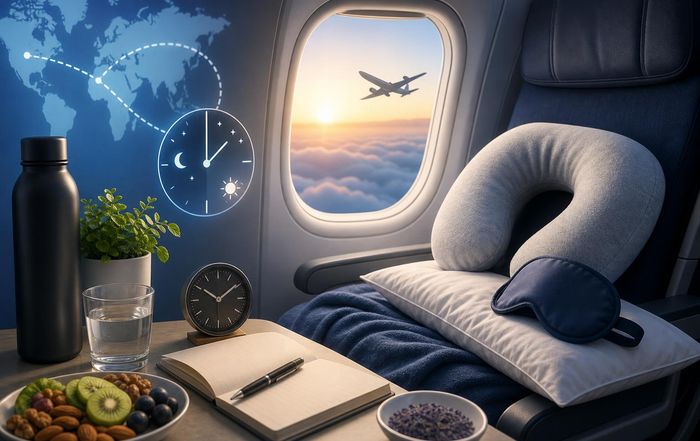
How to Manage Sleep and Jet Lag on Long-Haul Trips
Long-haul travel has never been more accessible, yet the human body still operates on rhythms that evolved long before overnight flights and global business itineraries. For travelers who want to arrive rested, focused, and ready to enjoy a new destination, understanding how to manage sleep and jet lag has become an essential travel skill rather than a luxury. As international journeys expand across continents and time zones, WorldWeTravel fans are increasingly seeking science-based, practical strategies that protect their health while enhancing the joy and productivity of every trip.
This article brings together current research from leading sleep and aviation medicine experts, alongside the real-world considerations that matter most to families, frequent flyers, and remote professionals. It is written from a global perspective for travelers moving between North America, Europe, Asia, Africa, and beyond, reflecting how truly interconnected today's journeys have become.
Understanding Jet Lag: What Actually Happens to the Body
Jet lag, formally known as circadian rhythm disruption, is not a sign of weakness or poor fitness; it is a predictable biological response when internal clocks are forced to adjust more quickly than they naturally can. The National Institutes of Health explain that the circadian system, centered in the brain's suprachiasmatic nucleus, regulates sleep-wake cycles, hormone release, core body temperature, digestion, and cognitive performance. When a traveler crosses several time zones rapidly, these internal rhythms fall out of sync with local time, producing the familiar symptoms of fatigue, insomnia, difficulty concentrating, digestive upset, irritability, and a general sense of being "out of phase" with the environment.
According to guidance from the Mayo Clinic, the severity of jet lag depends on the number of time zones crossed, direction of travel, individual sensitivity, sleep quality before the trip, and factors such as alcohol or caffeine intake. Eastward travel tends to be more disruptive because it requires the body clock to advance (fall asleep earlier than usual), which is biologically harder than delaying sleep. Westward flights, such as those from Europe to the United States, often feel easier because they align with the body's natural tendency to drift later.
For travelers planning complex itineraries or multi-city journeys, reviewing the basics of circadian science can be as important as comparing airfares or hotel amenities. The Sleep Foundation provides accessible explanations of chronobiology and jet lag that can help travelers understand why certain strategies, such as timed light exposure or controlled melatonin use, are more effective than others. Here, articles on global destinations increasingly integrate this knowledge so that readers can match flight times and stopovers with the rhythms that best suit their own bodies.
Preparing Before Departure: Building a Sleep-Resilient Itinerary
Managing jet lag effectively begins days before boarding a plane. Sleep specialists at Harvard Medical School note that gradual schedule shifts can significantly reduce circadian shock, particularly for journeys crossing more than six time zones. Travelers can start going to bed and waking up 30-60 minutes earlier each day for eastbound trips, or later for westbound trips, aligning more closely with the destination's clock by the time they depart.
For families planning holidays or individuals heading to key business meetings, this pre-trip phase is often the most underused opportunity to protect well-being. Rather than packing late into the night and beginning the journey exhausted, travelers are advised to prioritize consistent, high-quality sleep in the week before departure. The Centers for Disease Control and Prevention (CDC) emphasizes that sleep deprivation amplifies the cognitive and mood effects of jet lag, whereas starting from a well-rested baseline makes adaptation faster and smoother.
The design of the itinerary itself matters. Choosing flights that arrive in the afternoon or early evening at the destination can make it easier to stay awake until local bedtime, especially when traveling with children. When browsing options on WorldWeTravel's travel planning pages, readers can consider not only price and duration but also how departure and arrival times align with their personal sleep patterns. Breaking very long journeys with a layover of sufficient length to sleep in a quiet airport hotel can sometimes be more restorative than a single ultra-long-haul flight, especially for older travelers or those with medical conditions.
Hydration and nutrition also play a role even before takeoff. Research summarized by Johns Hopkins Medicine suggests that mild dehydration, common during air travel, can worsen fatigue and headaches, while heavy, late-night meals can disturb pre-trip sleep. A balanced, earlier dinner, reduced alcohol intake, and consistent hydration help ensure that travelers board the aircraft with a stable physiological foundation.
In-Flight Strategies: Turning the Cabin into a Restful Environment
Once on board, the aircraft cabin becomes both a challenge and an opportunity. Low humidity, reduced air pressure, limited personal space, and noise all influence how easily a traveler can sleep. Aviation medicine experts cited by the International Air Transport Association (IATA) highlight that cabin humidity is often below 20 percent, much drier than typical indoor environments, which contributes to dry eyes, throat irritation, and a feeling of fatigue.
Travelers can counter these effects by drinking water regularly, avoiding excessive caffeine and alcohol, and using simple tools such as saline nasal sprays or moisturizing eye drops if needed, particularly on overnight flights. While no single product can "cure" jet lag, attention to comfort can significantly improve the quantity and quality of in-flight rest.
Creating a sleep-conducive micro-environment in the seat is crucial. Many experienced long-haul travelers rely on a supportive neck pillow, a soft eye mask, and high-quality earplugs or noise-canceling headphones to block cabin light and noise. Research published by The BMJ and other medical journals indicates that even short periods of light sleep can restore alertness and mood, especially when combined with strategic timing aligned to the destination's night.
Seat selection can also influence rest. A window seat allows a traveler to lean against the wall and control the window shade, reducing disturbances, while an aisle seat offers easier movement but may involve more interruptions. For those booking accommodations through WorldWeTravel's hotel and flight partners, considering seat maps and aircraft type can be as important as choosing the right room category on arrival.
Movement during the flight matters both for comfort and health. The World Health Organization (WHO) and national health agencies caution that prolonged immobility can increase the risk of deep vein thrombosis, especially on flights longer than four hours. Simple in-seat exercises, occasional walks in the aisle when safe, and avoiding constrictive clothing support circulation, which in turn can reduce feelings of heaviness and fatigue upon landing.
Timing Sleep and Light: The Core of Jet Lag Management
Among all available strategies, carefully managing exposure to light and darkness is consistently identified by sleep researchers as the most powerful tool for resetting the body clock. The American Academy of Sleep Medicine explains that bright light in the morning can shift the circadian rhythm earlier, while evening light tends to delay it. For eastbound travelers, morning light at the destination helps advance the clock, whereas westbound travelers may benefit from late afternoon or evening light to push their schedule later.
Several universities and aviation research groups have developed jet lag calculators that suggest personalized schedules for light exposure and sleep based on origin, destination, and direction of travel. While WorldWeTravel does not endorse a specific tool, travelers can explore resources from institutions such as Stanford Medicine or Monash University to refine their timing. The key principle is to avoid bright light at the "wrong" local times, for example by wearing sunglasses when leaving the airport if exposure would counteract the desired direction of circadian shift.
Melatonin, a hormone naturally produced by the body in response to darkness, is another widely discussed strategy. Clinical guidance from Cleveland Clinic and other reputable health systems indicates that low-dose melatonin supplements, taken at the correct local time, can modestly shorten the duration of jet lag for many travelers, particularly on eastbound flights crossing more than five time zones. However, recommendations vary about optimal dosing and timing, and individuals with medical conditions, pregnant travelers, or those taking other medications are advised to consult a healthcare professional before use rather than self-prescribing.
For readers exploring health-focused journeys, such as wellness retreats or restorative escapes, WorldWeTravel's health and retreat sections and retreat content increasingly highlight destinations and programs that respect circadian health. Properties that offer flexible check-in times, quiet dark rooms, and access to natural morning light can be particularly helpful for those recovering from long flights.
Family Travel: Protecting Children's Sleep on Long-Haul Flights
Families face unique challenges when managing jet lag, especially on journeys between North America, Europe, and Asia, where time differences are substantial. Pediatric sleep experts at Great Ormond Street Hospital and Boston Children's Hospital note that children possess robust circadian systems but may express disruption through mood swings, appetite changes, and behavioral difficulties rather than simply feeling "tired."
Parents can help by gradually adjusting children's schedules before departure, similar to adults but often with smaller daily shifts. On board, maintaining familiar bedtime routines-such as reading a story, using a favorite blanket, or following the same sequence of teeth brushing and lights out-can provide psychological cues that support sleep even in an unfamiliar environment. Keeping screens dimmed and limited in the hours before intended sleep time is particularly important, as blue light from tablets and phones can delay melatonin release more strongly in children.
Upon arrival, families benefit from planning lighter activities for the first day, especially when traveling to culturally rich destinations featured on WorldWeTravel's family travel pages. Outdoor time in natural daylight, gentle walks, and early dinners can help align everyone's clock without overwhelming young travelers. Many family-friendly hotels now recognize the importance of sleep health and offer blackout curtains, quiet floors, and child-appropriate bedding; WorldWeTravel frequently highlights such features in its recommendations so that parents can choose properties that support restful adjustment.
Business and Remote Work Travel: Maintaining Performance Across Time Zones
For executives, entrepreneurs, and remote professionals, the ability to manage sleep and jet lag effectively can directly influence decision-making, creativity, and negotiation outcomes. Studies cited by McKinsey & Company and Harvard Business Review have drawn attention to the cognitive costs of chronic sleep loss among frequent flyers, including slower reaction times, reduced problem-solving ability, and impaired emotional regulation.
Business travelers can structure itineraries to protect critical performance windows. Arriving at least one full day before major meetings, when feasible, allows the body to adapt partially and gives time to recover from any in-flight sleep deficit. Scheduling the most demanding tasks for the local late morning or early afternoon, when alertness tends to be higher during adaptation, can counteract early-morning grogginess or evening fatigue.
The rise of remote and hybrid work has also changed the nature of long-haul trips. Instead of short, intense visits, professionals may combine extended stays with ongoing virtual collaboration. WorldWeTravel's business and work-focused content increasingly address how to design "work-from-anywhere" schedules that respect circadian health, such as avoiding back-to-back late-night calls across multiple time zones, and using asynchronous communication tools to reduce pressure to be constantly available.
Organizations are beginning to recognize their role in supporting healthy travel. Corporate travel policies informed by research from bodies like the Chartered Institute of Personnel and Development (CIPD) and World Economic Forum increasingly encourage rest days after long journeys, limit red-eye flights before high-stakes events, and promote evidence-based guidance on jet lag management rather than leaving employees to cope alone. Travelers who advocate for such policies can point to growing evidence that well-rested teams make better decisions and sustain performance over time.
Choosing Sleep-Supportive Hotels and Retreats
The recovery environment at the destination plays a crucial role in how quickly a traveler adapts. Hotels, resorts, and wellness retreats across the world are paying greater attention to sleep quality as a core element of guest experience, not just an amenity. Some properties partner with sleep laboratories or mattress companies, while others focus on acoustic insulation, air quality, and lighting design.
Travelers can look for features such as blackout curtains, quiet zones, adjustable room temperature, and high-quality bedding when browsing accommodations on the hotel page. Wellness-focused properties may offer circadian-friendly lighting that gradually dims in the evening and brightens in the morning, aligning with guidance from organizations like the Illuminating Engineering Society on healthy lighting practices.
For those seeking deeper restoration after demanding long-haul journeys, wellness resorts and sleep retreats have emerged in regions ranging from the Alps and Mediterranean coast to Southeast Asia and New Zealand. Many integrate practices such as mindfulness, gentle movement, and nutrition tailored to support circadian realignment. Resources from The Global Wellness Institute highlight the growing evidence base behind such programs, although travelers are encouraged to verify that claims are grounded in reputable research rather than marketing alone.
On the new eco and wellness pages, fans can explore how sustainable properties incorporate natural light, quiet natural surroundings, and low-impact design to support both environmental and personal well-being. The intersection of ecological responsibility and sleep health is becoming more visible, as travelers increasingly seek destinations that nourish body and planet together.
Healthy Habits on Arrival: Accelerating Adaptation
The first 48 hours after landing are critical for managing jet lag. Health authorities such as NHS (UK) and Health Canada recommend aligning with local time as quickly as is comfortable, which generally means avoiding long daytime naps and aiming for a reasonable local bedtime, even if sleep is somewhat fragmented at first. Short naps of 20-30 minutes earlier in the day can provide a boost without significantly delaying night-time sleep.
Exposure to natural light is one of the most effective tools during this period. Walking outdoors in the morning or early afternoon, depending on the direction of travel, reinforces the new time zone and supports mood, particularly during winter or in higher latitudes where light is limited. Gentle physical activity, such as stretching, yoga, or relaxed sightseeing, can further reduce stiffness from the flight and signal to the body that it is time to be awake.
Nutrition on arrival also influences adaptation. Dietitians from Academy of Nutrition and Dietetics advise moderate, balanced meals that avoid heavy, high-fat foods late at night, which can disrupt sleep and digestion. Staying well hydrated, limiting alcohol, and being cautious with caffeine in the local afternoon and evening help prevent additional sleep onset difficulties. For travelers interested in the intersection of food, culture, and health, the culture and tips content often highlights local dining customs that naturally align with healthier daily rhythms.
Mindfulness and relaxation techniques can be particularly helpful when the mind feels alert but the body is exhausted. Guided breathing exercises, progressive muscle relaxation, or short meditations, many of which are offered by reputable platforms like Headspace or UCLA Health's mindfulness resources, can ease the transition into sleep without relying solely on pharmacological aids.
Technology, Innovation, and the Future of Jet Lag Management
Advances in aviation technology and digital health tools are gradually reshaping how travelers experience long-haul flights. New-generation aircraft such as the Boeing 787 Dreamliner and Airbus A350, used by many major airlines, feature higher cabin humidity and pressure closer to sea level, along with dynamic LED lighting designed to mimic natural daylight patterns. Studies referenced by airlines and independent researchers suggest that these features can modestly reduce subjective fatigue and improve passenger comfort compared with older aircraft types, though individual experiences vary.
Wearable devices and smartphone applications are also becoming part of the traveler's toolkit. Sleep trackers, while not perfectly accurate in all cases according to analysis by Consumer Reports and academic studies, can provide a general sense of sleep duration and patterns, helping frequent travelers identify which strategies work best for them over multiple trips. Apps that offer personalized jet lag plans based on circadian models are being developed in collaboration with research institutions, though users are encouraged to cross-check recommendations against established medical guidance.
On the technology-focused pages, folks can explore how digital tools, from smart lighting systems in hotels to telehealth consultations with sleep specialists, are supporting healthier global mobility. As remote work, digital nomadism, and multi-country lifestyles become more common, the ability to manage sleep across time zones is likely to be seen not just as a travel concern, but as a core life skill.
A Global, Health-Conscious Approach to Long-Haul Travel
Managing sleep and jet lag on long-haul trips requires more than a single trick or product; it is a holistic approach that begins with thoughtful itinerary planning, continues through in-flight habits, and extends into the first days at the destination. By combining the best available scientific evidence with practical experience, travelers can significantly reduce the discomfort of time zone changes and protect their long-term health.
For the worldwide happy travel community of readers who rely on us to inspire and support their journeys, this means embracing travel not as a battle against the body's rhythms, but as a partnership with them. Whether exploring new destinations, planning meaningful family adventures, arranging high-stakes business trips, or designing restorative wellness escapes, travelers can integrate circadian-friendly choices at every stage.
By paying attention to light, timing, environment, and self-care, long-haul flights become gateways rather than obstacles, allowing individuals and families to arrive in new cities not only excited by what they will see, but prepared-in mind and body-to fully experience it.