

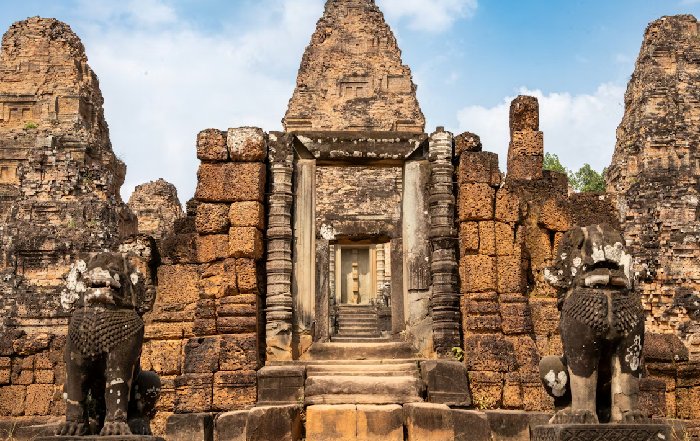
Cultural Immersion in Southeast Asia: A Strategic Guide for Global Travelers and Businesses
Cultural Immersion as a Strategic Asset
Cultural immersion in Southeast Asia is no longer viewed merely as a desirable travel experience; for internationally minded families, executives, entrepreneurs, and remote professionals, it has become a strategic asset that shapes personal growth, business performance, and global competitiveness. As organizations from the United States, United Kingdom, Germany, Canada, Australia, and across Europe and Asia deepen their engagement with rapidly growing markets in Southeast Asia, understanding local cultures at a granular level is critical for building trust, negotiating effectively, and designing products and services that resonate across borders. For readers of World We Travel, cultural immersion is increasingly intertwined with decisions about destinations, hotels, wellness retreats, work arrangements, and long-term relocation, making it essential to approach the region with both curiosity and professional intent.
Southeast Asia, spanning countries such as Thailand, Singapore, Malaysia, Vietnam, Indonesia, and the Philippines, sits at the intersection of ancient traditions and cutting-edge innovation, with fast-growing digital economies, complex histories of colonialism and trade, and diverse religious and linguistic landscapes. Organizations like the World Bank highlight Southeast Asia's role as a major driver of global growth, while reports from McKinsey & Company and the International Monetary Fund emphasize the region's importance in supply chains, technology ecosystems, and sustainable development. For business leaders and globally mobile families planning their next move via platforms like World We Travel destinations, the question is no longer whether to engage with Southeast Asia, but how deeply and authentically they are prepared to immerse themselves in its cultures.
Understanding the Cultural Fabric of Southeast Asia
Cultural immersion in Southeast Asia begins with recognizing that the region is not a monolith but a mosaic of histories, languages, and belief systems that coexist and interact in subtle ways. From the Theravada Buddhist traditions of Thailand and Myanmar, to the Islamic heritage of Malaysia and Indonesia, to the Confucian and Taoist influences in Vietnam and Singapore, the region reflects centuries of religious pluralism and cultural exchange. Resources such as UNESCO's cultural heritage listings provide a structured overview of key sites and practices, yet the lived reality on the ground can only be fully appreciated through sustained engagement with local communities, whether in the temples of Chiang Mai, the shophouses of Penang, or the kampung villages outside Jakarta.
For travelers and professionals arriving from North America, Europe, or East Asia, understanding local values such as respect for hierarchy, collective responsibility, and face-saving communication is essential. Guides from institutions like Hofstede Insights and the Harvard Business Review offer analytical frameworks for navigating cultural dimensions, but immersive experience remains irreplaceable. When executives land in Singapore to negotiate a regional partnership or when remote workers settle in Bali for a six-month workation, their success often hinges on their ability to read context, adapt communication styles, and demonstrate genuine respect for local customs, rather than relying solely on transactional interactions or generic cross-cultural checklists.
Destinations for Deeper Cultural Engagement
For readers planning culturally rich itineraries, Southeast Asia offers a spectrum of destinations that cater to different levels of immersion, from highly globalized urban centers to rural communities where traditional ways of life remain central. Cities such as Bangkok, Singapore, Kuala Lumpur, and Ho Chi Minh City serve as accessible gateways, combining international-standard infrastructure and hotels with immediate access to markets, temples, and neighborhoods where local culture is lived daily. Platforms like World We Travel travel help visitors compare these hubs with more contemplative or remote locations, such as Luang Prabang in Laos, Ubud in Bali, or the highland communities of northern Vietnam, where slower rhythms enable more sustained interaction with local traditions.
For travelers from the United States, United Kingdom, Germany, France, and Italy, who may be accustomed to European heritage tourism, Southeast Asia offers a different kind of cultural engagement that is less focused on monumental architecture alone and more on living practices-morning almsgiving, village festivals, wet markets, and street food cultures. The UN World Tourism Organization (UNWTO) has repeatedly emphasized the growing importance of experiential and community-based tourism in the region, pointing to initiatives in Thailand and Vietnam where visitors can stay with local families, participate in farming or craft-making, and contribute to local economies in ways that go beyond traditional sightseeing. By using resources such as World We Travel culture, travelers can identify destinations where community-based experiences are thoughtfully curated and aligned with local priorities.
Business Travel and Cross-Cultural Competence
For business travelers, cultural immersion in Southeast Asia is directly tied to performance metrics such as deal closure rates, team cohesion, and regional brand reputation. Multinational organizations such as Google, Microsoft, and Samsung have expanded their presence in markets like Singapore, Thailand, Vietnam, and Indonesia, while regional champions such as Grab, Gojek, and Sea Group have become influential players in the global digital economy. Executives arriving for negotiations, board meetings, or site visits must navigate not only time zones and regulatory environments but also local expectations around hospitality, relationship-building, and decision-making processes.
Research from institutions such as the INSEAD Asia Campus and the National University of Singapore underscores that in Southeast Asia, trust is often built over shared meals, informal conversations, and repeated in-person interactions rather than purely through contract terms or virtual meetings. Business travelers can prepare by studying local business etiquette through resources like PwC's regional insights or Deloitte's country reports, but the real differentiator is their willingness to invest time in understanding the personal and cultural contexts of their counterparts. By consulting World We Travel business, organizations can design itineraries that balance boardroom commitments with curated cultural experiences that deepen understanding and signal long-term commitment to the region.
Hospitality, Hotels, and Authentic Experiences
The hospitality landscape in Southeast Asia has evolved dramatically over the past decade, with international brands such as Marriott, Accor, and Hilton expanding alongside distinctive regional groups like Banyan Tree, Capella, and Mandarin Oriental. Business travelers and families can choose from luxury urban hotels, eco-lodges, boutique heritage properties, and homestays, each offering different degrees of cultural immersion. While large international hotels provide consistency and familiarity for travelers from Canada, Australia, Netherlands, or Switzerland, smaller locally owned properties often offer richer insights into local customs, cuisine, and community life.
Organizations such as the World Travel & Tourism Council (WTTC) and Green Key have documented the rise of sustainable and responsible hospitality practices in Southeast Asia, including locally sourced materials, community partnerships, and cultural preservation programs. Travelers using World We Travel hotels can filter options based not only on comfort and connectivity but also on opportunities to engage with local culture through cooking classes, craft workshops, language lessons, or guided visits to nearby villages. This approach enables both leisure and business travelers to convert their hotel stays into platforms for learning and connection rather than treating accommodation as a purely functional necessity.
Family Travel and Intergenerational Learning
For families from Europe, North America, Japan, South Korea, and New Zealand, Southeast Asia has become a favored region for multi-generational travel that combines education, adventure, and cultural exposure. Parents increasingly view international trips as a form of experiential learning, complementing formal education with real-world insights into history, religion, ecology, and global inequality. Visits to historical sites such as the temples of Angkor in Cambodia, the old quarters of Hanoi, or the colonial districts of Singapore offer opportunities to discuss topics ranging from empire and trade to environmental change and urban development.
Organizations like National Geographic and Lonely Planet have highlighted family-friendly itineraries across Southeast Asia that emphasize safety, accessibility, and meaningful encounters with local communities. Through World We Travel family, parents can design journeys that include school visits, local festivals, volunteer activities, or language exchanges, allowing children and teenagers to interact with peers from different cultural backgrounds. Such experiences help younger generations develop cross-cultural empathy, adaptability, and a global outlook that will serve them well in increasingly interconnected labor markets, whether they eventually work in Singapore's finance sector, Thailand's tourism industry, or remote-first technology companies headquartered in Scandinavia or North America.
Remote Work, Digital Nomads, and Long-Stay Immersion
The rise of remote work and digital nomadism, accelerated by the pandemic years and consolidated by 2026, has transformed Southeast Asia into a long-stay hub for professionals from the United States, United Kingdom, Germany, Sweden, Norway, and beyond. Cities such as Chiang Mai, Da Nang, Penang, and Canggu have built ecosystems of co-working spaces, coliving facilities, cafes, and wellness centers tailored to knowledge workers who may remain in the region for months or even years. Governments in Malaysia, Thailand, and Indonesia have introduced or refined digital nomad and long-stay visas, recognizing the economic and cultural benefits of attracting globally mobile professionals.
Organizations such as Remote and GitLab have documented best practices for distributed teams, highlighting the importance of cultural intelligence when collaborating across time zones and national boundaries. For remote professionals using World We Travel work, cultural immersion is not merely an optional add-on to their workation; it is a practical necessity that influences their ability to collaborate with local service providers, integrate into community networks, and maintain personal wellbeing while living away from their home countries. Learning basic phrases in Thai, Bahasa Indonesia, or Vietnamese, understanding local norms around noise, dress, and public behavior, and engaging respectfully with religious practices all contribute to more sustainable and mutually beneficial long-stay arrangements.
Health, Wellness, and Retreat Culture
Southeast Asia has long been associated with wellness tourism, from spa retreats in Thailand to yoga programs in Bali and meditation centers in Myanmar and Laos. In 2026, this sector has matured into a sophisticated ecosystem that integrates traditional healing practices with evidence-based approaches to mental and physical health. Organizations such as the World Health Organization (WHO) and the Global Wellness Institute have analyzed the expansion of wellness tourism in the region, noting both its economic impact and its potential for cross-cultural learning, as visitors encounter local understandings of balance, mindfulness, and community.
For professionals facing burnout in high-pressure environments in London, New York, Berlin, Tokyo, or Singapore, wellness retreats in Southeast Asia offer more than relaxation; they provide structured opportunities to reassess life priorities, explore new habits, and learn from local philosophies that emphasize harmony and interconnectedness. Platforms like World We Travel health and World We Travel retreat guide readers toward programs that combine yoga, meditation, traditional medicine, and cultural activities such as temple visits or village walks. When approached respectfully and with attention to ethical considerations, these retreats can deepen understanding of local cultures while supporting personal resilience and long-term professional performance.
Sustainability, Eco-Travel, and Responsible Engagement
As visitor numbers to Southeast Asia have grown, so too have concerns about over-tourism, environmental degradation, and cultural commodification. Coastal areas in Thailand, Indonesia, and the Philippines have faced challenges related to coral reef damage, plastic pollution, and strain on local infrastructure, while heritage sites have had to balance access with preservation. International organizations such as the United Nations Environment Programme (UNEP) and the World Wildlife Fund (WWF) have partnered with regional governments to promote sustainable tourism practices, including marine conservation, community-based tourism, and low-impact infrastructure.
For readers of World We Travel, responsible cultural immersion involves making informed choices about transportation, accommodation, activities, and consumption. By consulting World We Travel eco, travelers can prioritize operators and destinations that adhere to sustainability standards, support local livelihoods, and invest in cultural preservation. Learning more about sustainable business practices through resources such as the UN Global Compact or B Corp can also help corporate travelers align their regional strategies with environmental and social goals, ensuring that business growth in Southeast Asia contributes positively to local communities rather than exacerbating existing challenges.
Technology, Digital Culture, and the Future of Immersion
Technology plays a dual role in cultural immersion in Southeast Asia, enabling deeper understanding while also introducing new complexities. On one hand, digital platforms such as Airbnb, Booking.com, and Agoda have expanded access to local accommodation and experiences, while translation apps and digital payment systems have reduced friction for travelers from Finland, Denmark, South Africa, Brazil, and Japan. On the other hand, the pervasive use of social media and short-form video platforms has encouraged superficial engagement and performative travel behaviors that can overshadow more meaningful, slower forms of immersion.
Regional governments and organizations such as the ASEAN Secretariat have been investing in digital infrastructure and cross-border connectivity, positioning Southeast Asia as a major hub for e-commerce, fintech, and creative industries. For business travelers, this means that understanding local digital cultures-from the dominance of super apps in Indonesia to the popularity of live commerce in Thailand-is as important as understanding traditional customs. By exploring World We Travel technology, readers can stay informed about how digital innovation is reshaping travel, hospitality, and work in the region, and how they can use technology to enhance, rather than replace, genuine human interaction.
Economic Context and Strategic Decision-Making
Cultural immersion cannot be separated from the broader economic context in which travel and business decisions are made. Southeast Asia's economies have shown resilience and dynamism, with sectors such as manufacturing, tourism, digital services, and renewable energy playing key roles in regional development. Reports from the Asian Development Bank (ADB) and the OECD provide detailed analyses of growth trends, demographic shifts, and policy reforms across countries like Vietnam, Malaysia, and Thailand, underscoring the region's importance for companies and investors from Europe, North America, and East Asia.
For executives and entrepreneurs using World We Travel economy, cultural immersion becomes a tool for more accurate risk assessment and opportunity identification. Understanding local attitudes toward entrepreneurship, labor, education, and foreign investment can inform decisions about market entry, partnership selection, and talent management. For example, grasping the significance of family-owned conglomerates in Indonesia, the role of state-linked companies in Singapore, or the dynamics of small and medium enterprises in Vietnam can significantly influence negotiation strategies and long-term relationship-building. In this sense, cultural literacy is not a soft skill but a core component of economic and strategic intelligence.
Practical Guidance for Meaningful Immersion
For travelers, families, and professionals seeking to translate intention into practice, a few guiding principles help ensure that cultural immersion in Southeast Asia is both respectful and impactful. Preparing in advance by reading regional history and contemporary analysis from sources like BBC Travel, The Economist, or the Asia Foundation enables visitors to arrive with contextual awareness rather than relying on stereotypes or surface-level narratives. Leveraging curated advice from World We Travel tips allows travelers to navigate local etiquette, transportation, and safety considerations with confidence, freeing mental bandwidth for deeper engagement.
Once on the ground, prioritizing local interactions-taking part in community tours, attending neighborhood festivals, supporting local artisans, and frequenting family-owned eateries-creates opportunities for reciprocal exchange rather than one-way consumption. Learning more about cultural preservation initiatives through organizations such as UNESCO or local NGOs helps visitors recognize the efforts behind maintaining heritage sites, traditional crafts, and intangible cultural practices. Above all, adopting a mindset of humility, patience, and curiosity allows travelers and business leaders to accept that immersion is an ongoing process, one that unfolds over repeated visits, long-term relationships, and a willingness to listen more than speak.
Southeast Asia and the Future of Global Travel
As 2026 progresses, Southeast Asia stands at the forefront of broader shifts in global travel, work, and cultural exchange. The region's blend of youthful demographics, digital innovation, and deep-rooted traditions positions it as both a laboratory and a bellwether for how societies worldwide may navigate the tensions between globalization and local identity, economic growth and environmental limits, innovation and heritage. For readers of World We Travel, engaging with Southeast Asia through culturally immersive travel, business, and long-stay living is not only an opportunity to enjoy remarkable destinations; it is a chance to participate in shaping a more interconnected, empathetic, and sustainable global community.
By drawing on the expertise of international institutions, local partners, and the curated insights available across World We Travel, globally minded individuals and organizations can approach Southeast Asia with the respect, preparation, and strategic clarity it deserves. In doing so, they transform their journeys from isolated trips into ongoing relationships, where cultural immersion becomes a lifelong practice that enriches personal lives, strengthens families, enhances business outcomes, and contributes to a more understanding and resilient world.