

Great Family Travel Experiences in Scandinavia
Scandinavia's Ongoing Appeal for Global Families
Scandinavia remains one of the most compelling regions in the world for family travel, and for the global community of readers at WorldWeTravel.com, it offers a rare synthesis of safety, sustainability, cultural depth, and digital readiness that aligns closely with modern expectations of work-life integration, child wellbeing, and responsible tourism. Families from the United States, United Kingdom, Germany, Canada, Australia, and across Europe and Asia increasingly look to Norway, Sweden, Denmark, and Finland not only as beautiful destinations, but as working examples of how societies can be structured to support both economic vitality and human flourishing. The fjords of western Norway, the cycling culture of Copenhagen, the island-dotted waterways of Stockholm, and the forests and lakes of Finland together form a diverse yet coherent landscape where multigenerational families, remote-working parents, and globally curious children can travel with confidence and purpose.
The region's enduring reputation for stability and high living standards continues to be reinforced by international benchmarks. Countries in Scandinavia regularly sit near the top of the United Nations Human Development Index, reflecting long-term investment in education, healthcare, and social cohesion. Families planning trips in 2026 can still verify this performance through the United Nations Development Programme, gaining an evidence-based understanding of why these nations are consistently viewed as among the safest and most reliable in the world. For the WorldWeTravel.com audience, which often balances demanding careers with a desire for meaningful time away, this combination of emotional reassurance and practical reliability is a decisive factor when choosing destinations for children and grandparents alike.
Foundations of Trust: Safety, Health, and Social Infrastructure
The Scandinavian model of public life, with its emphasis on trust, transparency, and strong institutions, translates directly into a smoother experience for visiting families. Urban environments in cities such as Copenhagen, Stockholm, Oslo, and Helsinki are designed at a human scale, with extensive public transport networks, pedestrian-friendly streets, and clear signage in English, making it easier for parents to navigate with strollers, teenagers, or older relatives. Public spaces are actively used and carefully maintained; playgrounds, libraries, waterfront promenades, and community centers are integrated into daily life rather than treated as afterthoughts. This visible commitment to family-oriented infrastructure is particularly appreciated by readers who follow the family-focused insights at WorldWeTravel Family Travel and look for destinations that make children feel welcome rather than merely tolerated.
Health and safety considerations, which have become more central to travel planning over the past decade, are addressed in Scandinavia through robust healthcare systems and clear public communication. Tourists are still advised to carry comprehensive travel insurance and to familiarize themselves with local emergency numbers, yet they can take comfort in the fact that hospitals and clinics operate with high professional standards and that emergency services are widely trusted. Families considering more adventurous activities, from winter sports to remote cabin stays, can consult the World Health Organization for up-to-date health recommendations and then refine their plans using wellness and safety guidance curated in the WorldWeTravel Health and Wellbeing section. This dual approach, combining global expertise with region-specific travel insight, helps parents make informed decisions for children of different ages and needs.
Planning a Scandinavian Family Journey in the Hybrid-Work Era
By 2026, the normalization of hybrid and remote work has transformed how many families approach travel, and Scandinavia is exceptionally well positioned to support this blended lifestyle. High-speed broadband, strong mobile coverage even in rural and coastal regions, and a culture that embraces flexible working patterns mean that parents can credibly plan to join video calls from a cabin overlooking a Swedish lake or a design hotel in Oslo while their children engage in local educational or outdoor activities. For professionals in technology, finance, consulting, and creative industries, this ability to maintain continuity of work while spending extended time abroad is no longer a luxury but a practical requirement.
Readers who use WorldWeTravel.com as a planning hub can align their itineraries with work demands by drawing on the structured advice available in WorldWeTravel Business Travel Insights and the dedicated WorldWeTravel Work and Travel Guides. These resources help families think through questions such as time-zone management between Europe, North America, and Asia, data security while working on the move, and how to design days that balance focused work sessions with high-quality family experiences. For a broader context on how digital infrastructure underpins these possibilities, the International Telecommunication Union offers analyses of connectivity and 5G deployment that explain why Nordic countries consistently rank at the forefront of digital readiness.
Denmark: Hygge, Design, and Everyday Ease for Families
Denmark continues to exemplify how a compact, design-conscious country can deliver an outstanding experience for families who value both comfort and cultural depth. Copenhagen in particular has become a reference point for urbanists and travelers alike, with its extensive cycling infrastructure, efficient metro, and abundance of child-friendly cafes, parks, and waterfront spaces. Parents arriving from the United States, United Kingdom, Germany, or Singapore often remark on how effortless it feels to move around the city with young children, whether they are navigating the historic center, exploring the regenerated harbor areas, or visiting residential neighborhoods that showcase contemporary Danish architecture and community life.
The Danish concept of "hygge," loosely translated as a sense of coziness and contentment, is more than a lifestyle export; it is embedded in the way families spend time together, and visitors can experience it in many settings. A late afternoon in a cafe with candles and pastries, an evening in a compact apartment hotel with board games and local snacks, or a stroll along the harbor as locals gather with blankets and hot drinks all convey an atmosphere that encourages slowing down and appreciating small moments. Cultural institutions such as Tivoli Gardens and the National Museum of Denmark offer dedicated children's programs and interactive exhibits that make history and folklore accessible, while new museums and design spaces continue to open, reflecting Denmark's ongoing innovation in architecture and creative industries. Families wishing to deepen their understanding of Danish culture and current offerings can refer to VisitDenmark's official site and then connect those insights with broader reflections on design and lifestyle trends through WorldWeTravel Culture and Society.
Beyond Copenhagen, cities such as Aarhus and Odense provide a more intimate, small-city experience that is particularly appealing for families who prefer slower travel. Coastal areas and islands offer beaches, dunes, and forests where children can roam freely, while the country's flat terrain and clearly marked cycling routes make family bike trips realistic even for those who are not seasoned cyclists. Eco-lodges and simple seaside cabins invite digital detox stays, yet Denmark's connectivity ensures that parents who need to check in with colleagues can do so reliably. Readers interested in structuring restorative yet connected stays can explore ideas in WorldWeTravel Retreat Experiences, which showcases how Scandinavian concepts of balance and wellbeing can be translated into practical itineraries.
Norway: Fjords, Arctic Light, and Multigenerational Adventure
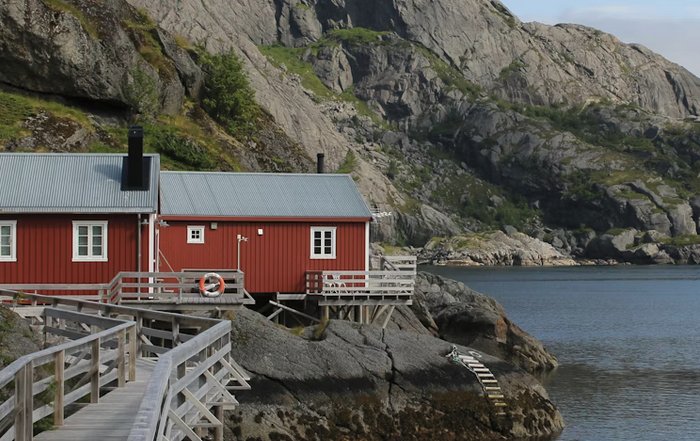
Norway's landscapes remain among the most dramatic in the world, and in 2026 they continue to form the backdrop for some of the most memorable multigenerational family journeys. The deep blue fjords, steep mountains, waterfalls, and coastal villages of western Norway are best appreciated slowly, and families often design itineraries that combine a few days in Oslo or Bergen with scenic rail journeys, fjord cruises, and road trips. The country's official tourism resources, accessible through Norway's national tourism portal, offer detailed guidance on routes, seasonal conditions, and family-friendly activities, while WorldWeTravel Destinations helps readers translate that information into coherent, realistic plans that account for the needs of different age groups.
Adventure in Norway does not have to mean extreme sports; instead, it frequently takes the form of guided hikes suitable for children, kayaking excursions on calm waters, or wildlife watching trips that introduce families to seabirds, whales, or reindeer. In regions such as the Lofoten Islands and Tromsø, opportunities to learn about Arctic ecosystems and Sami culture give trips an educational dimension that resonates with parents from education-conscious countries like Germany, Japan, and South Korea. As awareness of climate change and fragile polar environments grows, families are increasingly selective about the operators they choose. Frameworks from the Global Sustainable Tourism Council help travelers identify responsible providers, and these principles are reinforced and contextualized in the WorldWeTravel Eco Travel section, which focuses on practical ways to reduce environmental impact while still enjoying transformative experiences.
Norway's leadership in electric mobility, from electric ferries to a dense charging network for electric vehicles, offers an additional layer of relevance for globally engaged families. Renting an electric car for a fjord road trip, traveling on battery-powered ferries, and staying in eco-certified accommodations allows parents to demonstrate to children how low-carbon travel can work in practice. Insights from the International Energy Agency and the Nordic Council of Ministers help explain the policy frameworks behind this infrastructure, turning a family holiday into a live case study in energy transition and sustainable development. For readers of WorldWeTravel.com, who often follow economic and technological trends alongside travel content, this intersection of environment, innovation, and everyday life is part of what makes Norway so compelling.
Sweden: Archipelagos, Urban Culture, and Everyday Sustainability
Sweden offers a sophisticated blend of urban culture, nature access, and everyday sustainability that makes it particularly attractive for families from North America, Europe, and Asia who seek both stimulation and calm. Stockholm, spread across 14 islands connected by bridges and ferries, invites exploration by foot, tram, and boat, with districts that range from cobbled medieval streets to contemporary waterfront developments. Museums such as the Vasa Museum, with its remarkably preserved 17th-century warship, and Skansen, the open-air museum and zoo, provide immersive experiences that engage children while grounding them in Swedish history, ecology, and traditional crafts. Families can review current exhibitions and events through the official Visit Stockholm site and then integrate those options into broader itineraries using the planning frameworks at WorldWeTravel Travel Guides.
The Stockholm archipelago and Sweden's vast inland forests and lakes invite a slower pace that many families find restorative. Renting a simple cabin on a lake, taking ferries between islands, or hiking in national parks introduces children to the Swedish principle of "allemansrätten," the right of public access that allows everyone to roam nature responsibly. This right is underpinned by a culture of trust and reciprocity, and it offers a powerful way for parents to discuss environmental responsibility and shared resources with their children. For those interested in how outdoor access and conservation are managed across Europe more broadly, the European Environment Agency provides comparative perspectives that highlight Sweden's leadership in this area.
Sweden's integration of sustainability into everyday life is particularly visible in its cities, where recycling systems are intuitive, public transport is reliable, and child-friendly design is the norm. Parents from Canada, Australia, the Netherlands, and the United States often note how easy it is to find healthy, allergy-aware food options in supermarkets and restaurants, as well as inclusive playgrounds and public spaces. This everyday sustainability aligns with the broader shift in global business towards environmental, social, and governance (ESG) criteria, a topic frequently discussed by organizations such as the World Economic Forum. For business travelers who extend their trips for family time, Sweden offers an opportunity to experience how sustainability commitments can shape daily life, and WorldWeTravel Economy & Travel helps readers connect these observations with evolving corporate travel and responsibility policies.
Finland: Forests, Lakes, Saunas, and Northern Lights
Finland, while distinct historically, is an essential part of the Nordic travel circuit and offers some of the region's most atmospheric family experiences. Helsinki combines modern architecture, functional design, and a relaxed coastal setting, with trams, ferries, and pedestrian routes making navigation easy for visitors. Families can explore design museums, interactive science centers, and public saunas that introduce them to core elements of Finnish culture, while day trips to nearby islands provide opportunities for picnics, forest walks, and seaside play. For those curious about the country's design heritage and creative industries, Visit Finland offers comprehensive overviews that can be complemented by technology and innovation insights from WorldWeTravel Technology and Innovation, especially relevant for parents working in digital and creative sectors.
Finland's lake districts and extensive forests offer ideal settings for families seeking deeper retreats into nature. Activities such as canoeing, berry picking, mushroom foraging, and gentle hiking encourage children to disconnect from screens and engage with the environment, while traditional Finnish saunas, often attached to lakeside cabins, provide a ritual of relaxation and reflection that many families quickly adopt. In winter, Lapland remains one of the world's most evocative destinations for families, with opportunities to see the northern lights, learn about reindeer herding and Sámi traditions, and participate in snow-based activities from sledding to cross-country skiing. Parents planning such trips can study seasonal climate and safety information from the Finnish Meteorological Institute and place their experiences within a broader understanding of changing weather patterns through reports by the Intergovernmental Panel on Climate Change.
Finland's education system, consistently highlighted in international comparisons by the Organisation for Economic Co-operation and Development, also resonates with families who see travel as part of a wider learning journey for their children. Public libraries, science parks, and cultural institutions are designed to encourage curiosity and independent thinking, and visiting families can tap into this ecosystem through temporary exhibitions, workshops, and events. For readers of WorldWeTravel.com, who often look for destinations that support their children's intellectual and emotional development, Finland offers a compelling combination of academic inspiration and outdoor freedom.
Practical Realities: Budget, Seasonality, and Global Connectivity
While Scandinavia is often associated with high prices, careful planning allows families to manage budgets without sacrificing quality. In 2026, currency fluctuations and varying inflation rates across Europe mean that costs can shift from year to year, and families are well advised to track macroeconomic trends using resources from institutions such as the International Monetary Fund. Armed with this context, they can then make tactical decisions such as traveling in shoulder seasons, choosing accommodations with kitchen facilities, relying on public transport rather than car rentals in major cities, and prioritizing free or low-cost outdoor activities. The analytical perspectives offered by WorldWeTravel Global Travel Outlook help readers translate broad economic data into concrete travel strategies.
Seasonality remains a defining factor in shaping Scandinavian experiences. Summer brings long daylight hours, vibrant city life, festivals, and optimal conditions for hiking, cycling, and island-hopping, making it ideal for families who value outdoor activity and flexible daily schedules. Spring and autumn offer fewer crowds and lower prices, with the added appeal of blossoming landscapes or autumn foliage, which can be particularly attractive to photographers and nature enthusiasts. Winter, while demanding more preparation in terms of clothing and daylight management, rewards families with opportunities for snow sports, Christmas markets, and northern lights sightings, especially in northern Norway, Sweden, and Finland. Parents should consider the ages, energy levels, and interests of their children when choosing travel dates, and the detailed seasonal advice in WorldWeTravel Travel Tips provides practical guidance tailored to different family profiles.
Connectivity, both digital and physical, is central to the Scandinavian proposition in 2026. Airports in cities such as Copenhagen, Stockholm, Oslo, and Helsinki maintain extensive links with North America, Europe, and Asia, while high-speed trains and efficient domestic flights connect urban centers with more remote regions. Digital connectivity is equally robust, with widespread 4G and 5G coverage, reliable Wi-Fi in hotels, cafes, and public spaces, and strong cybersecurity frameworks that support remote work and online learning. Analyses from the International Telecommunication Union continue to rank Nordic countries among the global leaders in digital infrastructure, which helps explain why so many families choose them as destinations for extended stays that blend work, school projects, and exploration.
Aligning Scandinavian Travel with Family Values and Global Perspectives
Perhaps the most enduring reason Scandinavia resonates with families worldwide is the alignment between the region's core values and the aspirations of globally minded parents. Principles such as gender equality, environmental stewardship, social trust, and work-life balance are not merely policy objectives; they are visible in everyday life, from parental leave and public childcare to cycling lanes, recycling systems, and public access to nature. Families visiting from the United States, United Kingdom, Canada, Australia, Singapore, Brazil, South Africa, and beyond often find that time spent in Nordic societies prompts meaningful conversations about how communities can be organized to support both prosperity and wellbeing.
Those who wish to connect their on-the-ground experiences in Scandinavia with wider debates about development and social innovation can explore comparative data and case studies from the World Bank, which examines topics such as education, health, urban planning, and social protection across regions. WorldWeTravel.com, with its integrated coverage of destinations, family travel, eco-conscious journeys, and global travel trends, helps readers interpret these insights through a travel lens, ensuring that trips are not only enjoyable but also intellectually and ethically grounded. For many families, a journey through Scandinavia becomes a catalyst for rethinking priorities at home, whether that means advocating for better public spaces, rebalancing work and family time, or adopting more sustainable daily habits.
Scandinavia and the Future of Family Travel
As the travel landscape continues to evolve in 2026, shaped by technological advances, shifting economic conditions, and heightened awareness of sustainability, Scandinavia remains a benchmark for what family travel can be. It demonstrates that destinations can combine high-quality infrastructure, digital sophistication, and economic dynamism with deep respect for nature, cultural heritage, and social equity. For the global audience of WorldWeTravel.com, spanning North America, Europe, Asia, Africa, and South America, the Nordic countries offer not only memorable holidays but also living examples of how travel, work, and family life can be integrated in ways that feel both aspirational and attainable.
By approaching Scandinavian journeys with thoughtful preparation, openness to local customs, and a willingness to engage with broader social and environmental questions, families can create experiences that resonate far beyond the duration of a single trip. From the canals and cafes of Copenhagen to the fjords of Norway, the island-studded waters of Stockholm, and the forests and auroras of Finland, Scandinavia continues to invite visitors to imagine new possibilities for their own lives and communities. In doing so, it reinforces the central mission of WorldWeTravel.com: to help travelers navigate the world with insight, responsibility, and a clear sense of how each journey can contribute to a more connected, sustainable, and family-centered future.