

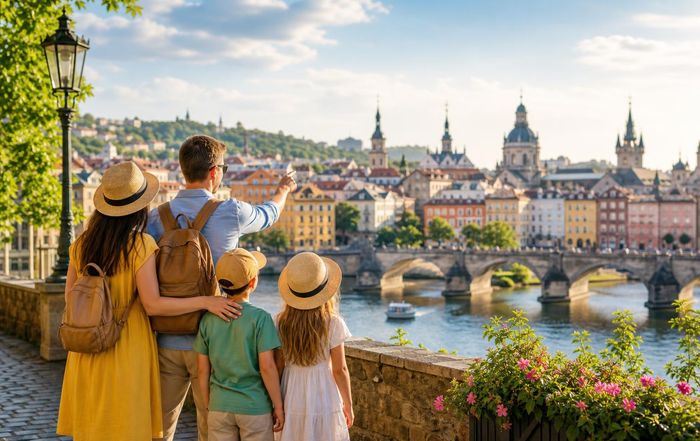
Best European Cities for an Easy Family Vacation
Family travel in Europe has evolved from whirlwind sightseeing into a more thoughtful, experience-driven style of vacation, where parents balance culture and adventure with comfort, safety and simplicity. For WorldWeTravel, which focuses on helping families design trips that feel both inspiring and manageable, Europe offers a particularly rich canvas: compact historic centers, reliable public transport, child-friendly museums, and a growing emphasis on accessibility and sustainability. Choosing the right city can turn a potentially stressful trip into an easy, memorable holiday where every family member feels seen and included.
This article highlights European cities that consistently stand out for family-friendly infrastructure, welcoming culture, and practical convenience. It draws on up-to-date research from tourism boards, transportation authorities and international organizations, and is written for parents who want to enjoy art, food and history without sacrificing rest, play and peace of mind.
What Makes a European City "Easy" for Families
Before turning to specific destinations, it is useful to clarify what "easy" means in the context of family travel. For many readers of WorldWeTravel, an easy family vacation is one where logistics fade into the background and children can move through the day without constant negotiation or frustration. Several factors tend to support this experience.
Well-designed public transport, including metro systems with elevators, intuitive ticketing and clear signage, can dramatically reduce stress for families with strollers or young children. Cities such as Copenhagen and Vienna are often cited by organizations like UITP and local transport authorities for their reliable and accessible networks, which allow visitors to combine major sights with playground stops and café breaks rather than spending hours in traffic. Parents planning an itinerary can explore broader mobility patterns and urban trends through resources like OECD urban policy reports.
Safety and cleanliness also play a central role in family comfort. While no city is entirely free of petty crime, several European capitals and regional hubs regularly appear near the top of indices such as the Numbeo Safety Index and various national crime statistics, offering reassurance to parents navigating with children. Well-maintained parks, drinkable tap water in most Western European countries, and high health-care standards, documented by institutions like the World Health Organization, further contribute to a sense of ease.
Cultural attitudes toward children can be just as important as infrastructure. In some European societies, children are naturally integrated into public life, welcomed in restaurants and public spaces rather than treated as an inconvenience. This is evident in Italy, Scandinavia and parts of France and Spain, where family-oriented policies and social norms intersect. Parents researching destinations can gain additional insight into local culture through resources such as UNICEF's reports on family-friendly policies.
Finally, an easy family city offers a combination of age-appropriate attractions within short distances. Compact historic centers, interactive museums, urban beaches, zoos and science centers help maintain children's interest without requiring long transfers. The editorial team at WorldWeTravel often advises families to start planning from this perspective, using tools like the site's destinations overview and dedicated family travel section to match cities with their children's ages and interests.
Copenhagen: Bicycles, Hygge and Effortless Green Spaces
Copenhagen, the capital of Denmark, is frequently highlighted in international rankings for quality of life, cycling infrastructure and environmental performance. Reports from the European Environment Agency and the Copenhagen municipality describe how the city's extensive bike lanes, clean harbor baths and accessible public transport create a welcoming environment for residents and visitors alike. For families, this translates into a city where moving between playgrounds, museums and waterfront promenades feels unusually simple.
Cycling is central to the Copenhagen experience, and even visitors with children can participate thanks to cargo bike rentals and child seats offered by local shops. Organizations such as Copenhagenize Design Co. have documented the way the city's cycling culture reduces traffic stress and encourages outdoor activity. Parents who prefer to walk or use public transport will find that most major attractions, including Tivoli Gardens, the National Museum of Denmark and the Experimentarium science center, are linked by frequent buses and trains, with clear English signage and stroller-friendly access.
Copenhagen's commitment to sustainability also aligns well with the growing interest in eco-conscious travel among WorldWeTravel readers. Families can learn more about the city's climate goals through resources like the Copenhagen Climate Plan and then experience these principles firsthand by swimming in the clean harbor, visiting urban farms or exploring the car-free neighborhood of Ørestad. For further guidance on environmentally responsible itineraries, the eco-travel section of WorldWeTravel offers ideas that complement local initiatives.
The Danish concept of "hygge," loosely translated as cozy contentment, permeates family life in Copenhagen. Cafés often include play corners, and public libraries host children's events, making it easy for families to slow down between sightseeing stops. When combined with the region's strong social safety net and child-focused urban design, Copenhagen becomes a model of how European cities can welcome families without sacrificing sustainability or sophistication.
Barcelona: Beachfront Culture and Mediterranean Ease
On the Mediterranean coast, Barcelona offers a different but equally compelling version of easy family travel. The city's combination of urban beaches, playful architecture and pedestrian-friendly neighborhoods makes it a natural fit for multi-generational trips. According to data from the Barcelona City Council, tourism strategies in recent years have increasingly emphasized sustainable mobility, cultural preservation and improved visitor management, which can benefit families seeking a less hectic experience.
For children, Barcelona's most immediate draw is the beach. Long stretches of sand at Barceloneta and beyond allow parents to intersperse cultural visits with relaxed seaside afternoons, all within a short walk or tram ride of the historic center. The waterfront's accessibility and amenities are detailed on the Barcelona Tourism Board's official site, where families can check seasonal services such as lifeguards and playgrounds.
Architectural landmarks designed by Antoni Gaudí, including Park Güell and La Sagrada Família, offer visually stimulating experiences that often captivate children without the need for lengthy explanations. To avoid queues and crowds, it is advisable to use timed tickets and plan visits early in the day, a strategy that aligns with the practical guidance shared in the WorldWeTravel tips hub. Nearby, the CosmoCaixa science museum and the city's aquarium provide hands-on learning opportunities that can anchor a family itinerary.
Barcelona's public transport network, managed by TMB, includes metro lines, buses and trams that are generally efficient and well signposted. While some older metro stations still present challenges for strollers due to limited elevators, ongoing accessibility upgrades are documented in official planning documents and on the TMB website. Many families choose to stay in central districts such as Eixample or Gràcia, which offer a balance of residential calm, playgrounds and easy access to major sights; these neighborhoods also align well with the accommodation advice in the WorldWeTravel hotels guide.
Amsterdam: Canals, Compact Streets and Playful Museums
Amsterdam has long attracted international visitors with its canals and historic architecture, but in recent years the city has also strengthened its reputation as a family-friendly hub. The City of Amsterdam has implemented policies to reduce car traffic in the center, expand cycling infrastructure and improve air quality, as described in various municipal mobility plans accessible via the official city portal. For families, this means quieter streets, safer crossings and more space for walking and biking.
The city's compact size allows parents to design days that alternate between cultural attractions and open-air breaks without long commutes. The NEMO Science Museum, with its interactive exhibits and rooftop terrace, is a particular favorite for children and is frequently recommended by educational organizations and travel writers alike. Nearby, the maritime museum and canal boat tours introduce younger travelers to Dutch history in an engaging way. Those seeking additional cultural context can explore resources like the Netherlands Board of Tourism & Conventions.
Amsterdam's parks, especially Vondelpark, offer ample room for play, picnics and bike rides, and are well integrated into the city's transport network. Many local cafés and restaurants welcome children and provide high chairs or simple menus, reflecting a broader cultural acceptance of family life in public spaces. For parents concerned about health or dietary needs, the Netherlands' strong healthcare system and transparent food labeling, documented by agencies such as the Dutch National Institute for Public Health and the Environment, offer additional reassurance.
Because Amsterdam is a major air and rail hub, it also serves as an excellent starting point for wider European journeys, something the WorldWeTravel global travel overview often emphasizes. High-speed trains connect the city to Paris, Brussels and German destinations, enabling families to combine multiple cities in a single, coherent itinerary without resorting to frequent flights.
Vienna: Classical Culture with Modern Comfort
In Central Europe, Vienna consistently ranks near the top of global liveability surveys, including those published by organizations like Mercer and the Economist Intelligence Unit, which evaluate infrastructure, healthcare, education and public services. This strong foundation makes the Austrian capital particularly well suited to family travel, as many of the qualities that benefit residents-efficient transport, abundant green space, and a rich cultural scene-translate directly into visitor comfort.
Vienna's public transport system, managed by Wiener Linien, is widely regarded as clean, frequent and easy to navigate, with clear signage and extensive coverage across the city. Families can learn about ticket options and accessibility features through the official Wiener Linien website, which provides information in multiple languages. The city's layout allows for quick transitions between historic sites, playgrounds and residential districts, reducing the fatigue often associated with urban sightseeing.
Culturally, Vienna offers a spectrum of experiences that can be tailored to different ages. The Haus der Musik and the ZOOM Children's Museum have been designed specifically with young visitors in mind, while the Schönbrunn Palace complex combines imperial history, gardens and a zoo in one location, simplifying logistics for parents. The Vienna Tourist Board maintains up-to-date guides on family activities, seasonal events and kid-friendly performances, which can be cross-referenced with the WorldWeTravel culture section for deeper background on European arts and heritage.
Vienna is also notable for its emphasis on public health and well-being, with numerous parks, playgrounds and swimming facilities integrated into residential areas. This aligns with the interests of readers who follow the WorldWeTravel health pages, as parents can easily incorporate active play and restorative downtime into their itineraries. The city's café culture, with its tradition of lingering over coffee and cake, offers a gentle rhythm that can help families adjust to jet lag and new routines.
Lisbon: Hillside Charm and Emerging Family Infrastructure
Lisbon, the capital of Portugal, has experienced a significant rise in international tourism over the past decade, accompanied by investments in urban renewal, transport and cultural infrastructure. Reports from the Portuguese Tourism Board and the Lisbon City Council highlight efforts to balance visitor growth with quality of life for residents, including improved tram services, renovated public spaces and new cultural venues. For families, Lisbon offers a combination of scenic viewpoints, historic neighborhoods and Atlantic breezes that feels both relaxed and stimulating.
The city's hilly terrain and cobblestone streets can present challenges for strollers, yet elevators, funiculars and modern metro lines help mitigate these obstacles. Families can plan routes that minimize steep climbs by consulting transit maps and local advice, a process made easier by digital tools and the practical strategy articles on WorldWeTravel's main travel hub. The waterfront district of Belém, home to the Jerónimos Monastery, Belém Tower and several museums, is particularly convenient, with spacious promenades and green areas well suited to children.
Lisbon's ocean-oriented geography also opens the door to easy day trips. Coastal towns such as Cascais and the beaches of the Estoril line are reachable by suburban train, enabling families to alternate between urban exploration and seaside relaxation. The nearby town of Sintra, with its palaces and forested hills, adds a fairy-tale dimension to a Lisbon-based holiday, though parents are advised to time visits carefully to avoid peak crowding, as documented by local tourism advisories and independent travel reports.
Portuguese hospitality, often noted by visitors and supported by positive satisfaction surveys, contributes to the sense that children are genuinely welcome. Restaurants frequently accommodate families with flexible menus and informal service, and many public spaces host festivals and events that blend music, food and outdoor activities. For those interested in the broader economic and social context of Portugal's tourism growth, the WorldWeTravel economy section provides additional analysis of how travel shapes local communities.
Stockholm: Water, Wilderness and Nordic Design
In Scandinavia, Stockholm exemplifies how a capital city can feel simultaneously urban and close to nature. The city is spread across islands connected by bridges and ferries, with extensive parks and waterfront paths that invite walking, biking and picnicking. According to the Stockholm city government and sustainability rankings from organizations such as Arcadis, Stockholm has invested heavily in green spaces, clean water and efficient public transport, making it an appealing destination for environmentally conscious families.
For children, Stockholm's appeal lies in its blend of storybook charm and modern design. The Vasa Museum, with its preserved 17th-century warship, and the Skansen open-air museum and zoo provide immersive historical and natural experiences in a compact area. The Junibacken children's museum, inspired by the works of Astrid Lindgren, offers interactive storytelling that resonates particularly with younger visitors. Official tourism information from Visit Stockholm outlines these attractions along with seasonal events and family services.
Public transport in Stockholm, including metro, buses and ferries, is coordinated under SL and is generally well regarded for punctuality and coverage. Many stations are decorated with large-scale artworks, turning simple journeys into cultural experiences, which can help maintain children's engagement. The city's bike-friendly infrastructure and widespread availability of rental bikes and scooters offer additional mobility options for families with older children.
Stockholm's emphasis on design and functionality extends to accommodations and dining, where family rooms, high chairs and children's menus are common. Parents who prioritize wellness and balanced routines can draw inspiration from Swedish lifestyle concepts such as "friluftsliv," or open-air life, which encourages spending time outdoors in all seasons. The WorldWeTravel retreat section often features similar themes, highlighting how urban destinations can also serve as spaces for reconnection and rest.
Florence: Renaissance Art in a Walkable Setting
While large capitals often receive the most attention, mid-sized cities like Florence in Italy can offer an especially manageable experience for families. Florence's historic center is compact and largely walkable, with many major sights-such as the Duomo, Uffizi Gallery and Ponte Vecchio-located within a short distance of one another. The Italian National Tourist Board and Tuscany's regional tourism offices emphasize the city's cultural heritage and culinary traditions, both of which can be shared with children in age-appropriate ways.
For families, Florence's greatest strength may be its ability to turn everyday activities into educational experiences. Gelato tastings, market visits and simple strolls along the Arno River become opportunities to discuss art, history and local life. Many museums now offer family-oriented tours or activity booklets, a trend documented by cultural institutions and independent travel writers. Parents can supplement this with background reading from the WorldWeTravel culture hub, which often explores European art and history in accessible formats.
The city's location within Tuscany also makes it an excellent base for short excursions to hill towns, vineyards and countryside villas, where children can experience rural landscapes and outdoor play. Train connections to Pisa, Lucca and Siena are relatively straightforward, and families who prefer slower travel can consider multi-day stays that combine urban exploration with time in nature. This approach fits well with the broader philosophy of WorldWeTravel, which encourages travelers to embrace depth over speed and to design itineraries that respect both local communities and family rhythms.
Practical Tips for Choosing and Enjoying an Easy European City
Across these diverse cities, several patterns emerge that can help families make informed choices and enjoy smoother trips. Researching public transport in advance, using official resources like national or municipal transit websites, allows parents to understand stroller access, ticket options and typical travel times. Cross-checking this information with current traveler reports and the practical articles on the WorldWeTravel travel page can reveal subtle details, such as which metro lines are busiest at rush hour or which tram routes offer the most scenic views.
Selecting accommodations in central but quieter neighborhoods often proves more important than choosing a particular hotel brand. Families may prioritize walking distance to parks, playgrounds and grocery stores over proximity to a single landmark, as this can make daily routines-such as naps, meals and early bedtimes-far easier to manage. The WorldWeTravel hotels guide encourages readers to consider apartment stays or family-oriented hotels that provide kitchenettes and communal spaces, particularly for longer trips.
Seasonality is another crucial factor. Many European cities experience peak visitor numbers in summer, which can strain infrastructure and reduce the sense of ease. Shoulder seasons-spring and early autumn-often offer milder weather, fewer crowds and lower prices, as noted by industry analyses from organizations like the World Travel & Tourism Council and the UN World Tourism Organization. Families bound by school calendars can still benefit from strategic timing within these broader windows, such as traveling in early June or late August where possible.
Health and safety considerations should not be overlooked. Parents are advised to consult reputable sources such as the European Centre for Disease Prevention and Control and their own national health authorities for up-to-date guidance on vaccinations, local health conditions and any travel advisories. Many European cities offer high standards of medical care, but understanding how to access emergency services and pharmacies can provide additional peace of mind.
Finally, building flexibility into the itinerary may be the single most effective way to maintain a sense of ease. Allowing time for unplanned playground stops, spontaneous café breaks or simply watching city life from a bench can transform a demanding schedule into a shared adventure. The broader editorial mission of WorldWeTravel, reflected across its family, tips and work-life travel sections, consistently emphasizes this balance between structure and spontaneity, encouraging families to design journeys that feel both meaningful and manageable.
Looking Ahead: Family Travel and Europe's Evolving Cities
As urban planners, tourism boards and local communities continue to rethink how cities function, family travel is likely to become even more integrated into broader conversations about sustainability, accessibility and quality of life. Smart-city technologies, from real-time transit updates to digital museum guides, are already reshaping how visitors navigate unfamiliar environments, a trend followed closely in the WorldWeTravel technology section. At the same time, there is a growing recognition, documented by organizations such as the European Commission and various national tourism agencies, that successful destinations must balance visitor numbers with the needs of residents.
For families, this shift can be profoundly positive. Cities that prioritize walkability, green spaces and inclusive public services inevitably become easier and more enjoyable to explore with children. The European examples highlighted here-Copenhagen, Barcelona, Amsterdam, Vienna, Lisbon, Stockholm and Florence-each demonstrate in their own way how thoughtful design and cultural openness can transform a family vacation from a logistical challenge into a shared source of joy and discovery.
As WorldWeTravel continues to curate destination guides, hotel recommendations and practical advice, its editors remain focused on helping parents match their values and aspirations with cities that truly welcome families. By choosing destinations that combine strong infrastructure, child-friendly culture and a commitment to sustainability, families can not only enjoy smoother holidays today but also contribute, in small but meaningful ways, to the kind of world they hope their children will inherit.