

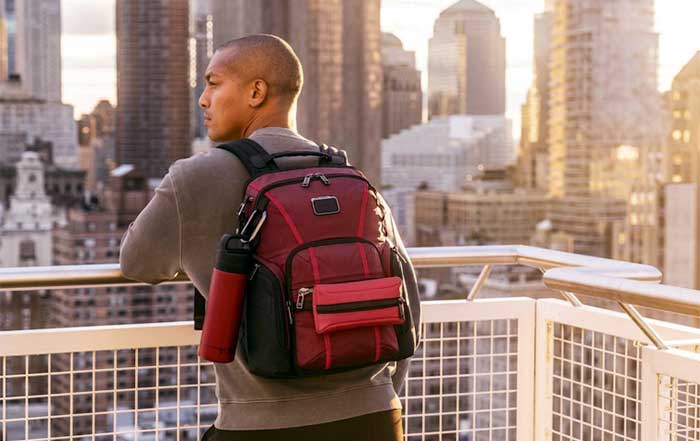
The Best International Luggage Brands for Modern Travelers in 2026
In 2026, business and leisure travel have fully re-emerged as central features of global life, and for the readers of WorldWeTravel.com, luggage is no longer a simple commodity but a strategic asset that shapes every journey. From executives flying weekly between New York, London, Singapore, and Tokyo, to families planning long-awaited multi-generational trips across Europe or Asia, the choice of luggage can influence productivity, comfort, security, and even sustainability. The leading international luggage brands have responded to this reality with increasingly sophisticated products that blend design, technology, and durability, while aligning with evolving expectations around health, environmental impact, and digital convenience.
This article examines the most influential global luggage brands in 2026, exploring what differentiates them in terms of engineering, innovation, and service, and how they fit into the wider travel and economic landscape that WorldWeTravel.com covers across its focus areas of destinations, travel, business, hotels, technology, eco-conscious travel, and more.
Why Luggage Matters More in 2026
For global travelers in the United States, United Kingdom, Germany, Canada, Australia, France, Italy, Spain, Netherlands, Switzerland, China, Japan, Singapore, and beyond, the stakes around luggage selection have risen in tandem with new travel realities. Airlines across North America, Europe, and Asia have tightened carry-on size enforcement, introduced new weight restrictions, and expanded premium cabin perks; at the same time, business travelers have embraced hybrid work, often combining client meetings with leisure stays and family travel. This shift has made versatile, durable, and tech-ready luggage a cornerstone of effective travel planning, alongside careful choices of routes, accommodation, and insurance.
The move toward digital travel ecosystems, including biometric boarding, app-based itineraries, and smart hotel check-in, has also heightened expectations that luggage should integrate seamlessly with a traveler's overall workflow. Features such as integrated USB-C charging, smart tracking compatible with devices like Apple AirTag and Samsung SmartTag, and thoughtfully designed laptop compartments are now considered essential by many corporate travelers. Learn more about how technology is reshaping travel behavior through resources such as the World Travel & Tourism Council and IATA, which regularly analyze trends in passenger experience and aviation standards.
TUMI: Luxury, Innovation, and Executive Credibility
TUMI remains one of the most aspirational names in premium luggage in 2026, especially among senior executives in financial centers such as New York, London, Frankfurt, Singapore, and Hong Kong. Founded by Charlie Clifford in 1975, the brand has built its reputation on an intersection of understated luxury, meticulous engineering, and patented technology that appeals to travelers who demand reliability under intense schedules.
TUMI's hallmark features, such as its TUMI Tracer program that helps reunite owners with lost bags, and its signature FXT ballistic nylon, underline a commitment to resilience in the face of rough handling, tight connections, and frequent trips across North America, Europe, and Asia-Pacific. Collections such as Alpha 3 and its successors emphasize expandable compartments, integrated USB ports, and organized interiors tailored to travelers who need to move from airport lounges to boardrooms without friction.
In 2026, TUMI's positioning aligns closely with broader trends in premium business travel, where time-efficiency, professional appearance, and brand reputation carry significant weight. Business readers who regularly book international itineraries and premium hotels can explore complementary guidance in the business travel section of WorldWeTravel.com, where luggage is increasingly treated as part of a broader toolkit that also includes airline status strategies, hotel loyalty programs, and productivity tips.
Samsonite: Global Scale and Technological Breadth
Samsonite, with roots dating back to 1910, continues to dominate the global luggage market as a mass-premium leader, widely available in the United States, Canada, United Kingdom, Germany, France, Spain, Australia, Singapore, and virtually every major travel market. Its strength lies in the breadth of its portfolio, from entry-level checked bags for occasional travelers to advanced polycarbonate and hybrid cases for frequent flyers, along with backpacks and business cases.
Innovations such as Curv technology, which uses a woven polypropylene structure to deliver high strength at low weight, have made Samsonite particularly attractive to travelers who must navigate strict airline weight limits while still needing robust protection for their belongings. Collections like S'Cure, built from polypropylene, illustrate the brand's focus on impact resistance and longevity, which is increasingly valuable as sustainability and product lifespan become central purchasing criteria.
Samsonite's global presence and scale also position it at the heart of discussions around travel industry resilience, manufacturing shifts, and consumer demand. Analysts tracking the intersection of travel and macroeconomics can consult organizations such as the OECD and World Bank for insights into how rising incomes in emerging markets and changing trade flows affect travel goods consumption and brand expansion strategies.
Delsey: French Design and Practical Sophistication
Delsey, founded in 1946 in France, occupies a distinctive niche that blends French design sensibility with pragmatic engineering. Its products are especially visible among travelers in France, Italy, Spain, Belgium, and Switzerland, but the brand has also established a strong global footprint, appealing to style-conscious travelers who value aesthetics without sacrificing security or practicality.
Collections such as Chatelet, with its vintage-inspired lines and leather-effect trims, resonate with travelers who appreciate classic visual cues, while still requiring modern features such as TSA-approved locks, silent wheels, and shock-resistant shells. Meanwhile, lines such as Helium Aero, with durable polycarbonate construction, cater to those prioritizing weight and resilience for frequent flights across continents.
Delsey's approach reflects a broader trend in travel culture where design, heritage, and storytelling matter as much as technical features. Readers interested in how luggage intersects with hospitality, fashion, and cultural experience can explore the culture and hotels sections of WorldWeTravel.com, which examine how brands across sectors are curating visually coherent, lifestyle-oriented travel ecosystems.
Rimowa: German Engineering and Iconic Aluminum
Rimowa stands out as one of the most recognizable luxury luggage brands in the world, with its grooved aluminum cases having become a status symbol in airports from Zurich and Munich to Los Angeles, Dubai, and Tokyo. Founded in 1898 in Germany, the brand's legacy is built on precision engineering, meticulous craftsmanship, and a willingness to innovate within a relatively narrow, high-end product range.
The Rimowa Original collection, crafted from aluminum, is renowned for its structural integrity, longevity, and distinctive patina that develops over years of use, often becoming part of a traveler's personal narrative. The Essential collection, made from polycarbonate, offers a lighter alternative while preserving the brand's design language and multi-wheel maneuverability, appealing to travelers who want the Rimowa experience without the full weight of aluminum.
Rimowa's trajectory also mirrors shifts in luxury consumption, where discerning customers in Europe, Asia, and North America increasingly seek products that communicate both taste and technical excellence. To understand how premium travel brands position themselves in relation to global tourism flows and high-net-worth consumer behavior, readers may refer to the UNWTO and Euromonitor International for market intelligence and trend analysis.
American Tourister: Colorful, Accessible, and Family-Friendly
American Tourister, established in 1933 and now a subsidiary of Samsonite, plays a crucial role in the value and mid-market segment, particularly for families, students, and cost-conscious travelers across North America, Europe, and parts of Asia. Its appeal lies in combining credible build quality with vibrant designs and accessible pricing, making it a preferred choice for travelers who want reliable luggage without entering the premium price tiers.
Collections such as Moonlight, with bold patterns and colorways, cater to younger travelers and families who want to quickly identify their luggage on busy carousels while enjoying a sense of fun. Meanwhile, polypropylene-based ranges like Technum aim to offer durability and lightness for frequent trips, including domestic flights, road trips, and rail journeys across regions such as Germany, Italy, Spain, and the United States.
For readers of WorldWeTravel.com planning family vacations, school exchanges, or budget-conscious multi-city itineraries, American Tourister often forms part of a broader strategy that also includes choosing family-friendly destinations, flexible accommodation, and health-aware travel routines. Additional guidance on planning such journeys can be found in the family travel and travel tips sections of the site.
Briggs & Riley: Lifetime Guarantees and Professional Reliability
Briggs & Riley has earned a loyal following among frequent travelers, particularly in North America and parts of Europe, by offering one of the most robust lifetime guarantees in the industry, covering repair of damage regardless of cause. For corporate travelers who log hundreds of thousands of miles across the United States, Canada, United Kingdom, and Germany, this policy translates into reduced long-term cost of ownership and peace of mind.
Collections such as Baseline, made with ballistic nylon and featuring the brand's signature CX compression-expansion system, are designed for travelers who need to maximize packing capacity while staying within airline limits. The Sympatico hard-shell line provides a more contemporary aesthetic with integrated TSA-approved locks and streamlined silhouettes that suit modern business and premium leisure travel.
Briggs & Riley's philosophy aligns with broader trends in customer-centric service and long-term value, which are increasingly important in an era where travelers are more attuned to both financial prudence and sustainability. Organizations such as Consumer Reports and Wirecutter have often highlighted the importance of real-world durability testing and transparent warranty terms in evaluating luggage, underscoring why such guarantees matter to informed buyers.
Monos: Minimalist Design and Sustainability-Driven Values
Monos, founded in Canada, has emerged over the past several years as a prominent direct-to-consumer luggage brand with a strong presence in Canada, United States, United Kingdom, and Asia-Pacific markets. Its aesthetic is rooted in minimalist design, muted color palettes, and clean lines, appealing to travelers who favor understated elegance over conspicuous branding.
Constructed from aerospace-grade polycarbonate, with details such as vegan leather accents, YKK zippers, and TSA-approved locks, Monos cases are engineered to balance lightness with structural integrity. Products like the Carry-On Pro, with a built-in front compartment for laptops and travel essentials, address the practical needs of modern travelers who often blend business and leisure in a single trip, moving seamlessly between coworking spaces, hotels, and local cultural experiences.
Monos also reflects the growing emphasis on sustainability and ethical production, themes that resonate strongly with younger travelers and professionals in markets such as Germany, Nordic countries, Australia, and New Zealand. Those interested in the intersection of travel and environmental responsibility can consult resources such as the UN Environment Programme and Sustainable Travel International and explore WorldWeTravel.com's own eco travel and retreat and wellness coverage for complementary perspectives.
Travelpro: Aviation-Grade Durability for Frequent Flyers
Travelpro has long been synonymous with professional-grade luggage, originally developed by a commercial airline pilot in 1987 and quickly adopted by flight crews in the United States and around the world. Its products are engineered with the practical realities of constant travel in mind, including repeated rolling through terminals, tight overhead bin spaces, and frequent exposure to rough handling.
Collections such as Platinum Elite and Crew Versapack reflect Travelpro's focus on durability and ergonomic design. Features include high-density nylon fabrics, reinforced corners, smooth-rolling wheels, and thoughtfully arranged interior compartments optimized for suits, uniforms, and work tools. For readers of WorldWeTravel.com who travel regularly for work, especially across demanding routes in North America, Europe, and Asia, Travelpro often represents a pragmatic choice that prioritizes function over fashion.
The brand's prominence also highlights the importance of understanding airline policies, cabin configurations, and route structures when choosing luggage. Travelers can stay informed about evolving standards and operational trends through aviation authorities and data-driven resources such as FlightGlobal and ICAO, which provide context on how airline practices shape the practical constraints that luggage must meet.
The Global Luggage Market in 2026: Growth, Innovation, and Shifting Demand
The global luggage market has continued to expand since the early 2020s, rebounding from pandemic-era disruptions and benefiting from the resurgence of both leisure and corporate travel. By mid-decade, the market has been shaped by several interlocking forces: rising disposable incomes in emerging economies, the normalization of international mobility for work and study, and the acceleration of e-commerce as a primary channel for luggage research and purchase.
Analysts tracking consumer goods and travel-related spending have projected steady growth in luggage demand, supported by increased outbound tourism from countries such as China, India, Brazil, Thailand, and Malaysia, alongside sustained demand from mature markets in the United States, United Kingdom, Germany, France, Japan, and South Korea. Organizations such as Statista and McKinsey & Company have highlighted the role of growing middle classes and urbanization in driving travel-related consumption, including luggage, accessories, and travel technology.
Technological innovation has become a defining characteristic of the market. Smart features such as integrated tracking, app-based lock control, and built-in power banks are increasingly common, although many brands have moved toward modular solutions that work seamlessly with third-party devices rather than embedding complex electronics directly into suitcases. This approach reflects lessons learned from early "smart luggage" products that faced airline restrictions due to non-removable batteries. For travelers navigating these developments, it is useful to review airline and regulatory guidance from entities like the U.S. Transportation Security Administration and the European Union Aviation Safety Agency.
E-commerce and direct-to-consumer models have also transformed how luggage is discovered and evaluated. Brands like Monos have built their identities primarily online, while established players such as Samsonite, TUMI, and Delsey have expanded their digital presence, offering detailed product configurators, virtual try-ons, and rich educational content. This digital shift aligns with broader changes in how travelers plan trips, often starting with research on sites like WorldWeTravel.com, then moving to brand websites, marketplaces, and social platforms to finalize their choices.
Sustainability, Health, and the Future of Travel Luggage
By 2026, sustainability and health have become central concerns in travel decision-making, influencing not only where people go but also what they carry. Many luggage brands are experimenting with recycled materials, lower-impact manufacturing processes, and repair-friendly designs that extend product life. This movement parallels broader initiatives in sustainable tourism and responsible consumption promoted by organizations such as the World Economic Forum and the Ellen MacArthur Foundation, which advocate for circular economy principles in consumer goods.
Health considerations, sharpened by the experiences of the early 2020s, have also informed luggage design. Travelers are increasingly attentive to hygiene, favoring materials that are easy to clean, interiors that can be compartmentalized for better organization of personal and medical items, and designs that reduce physical strain through improved ergonomics and weight distribution. For readers focusing on wellness-oriented travel, the health and retreat sections of WorldWeTravel.com explore how luggage choices can support stress reduction, physical comfort, and healthier routines on the road.
Choosing the Right Luggage for Different Travel Profiles
For the community of WorldWeTravel.com, which spans business leaders, remote professionals, families, and eco-conscious explorers across Global, Europe, Asia, Africa, North America, and South America, the optimal luggage choice depends on individual travel patterns, priorities, and budgets. Executives who frequently fly between major financial centers may gravitate toward TUMI, Rimowa, or Briggs & Riley for their blend of status, engineering, and service; aviation professionals and heavy road warriors may favor Travelpro for its proven durability; style-conscious leisure travelers in Europe and Asia may find Delsey or Monos better aligned with their aesthetic and sustainability values; families and budget travelers might see American Tourister as offering the best balance of cost, reliability, and design.
Across all these segments, certain principles remain consistent: prioritize build quality and warranty coverage, ensure compatibility with airline size and weight limits on key routes, consider the ergonomics of regularly lifting and rolling bags, and evaluate how well a suitcase's internal layout supports personal packing habits, whether for short business trips, extended family holidays, or long-term remote work stays. Readers can complement this strategic approach with practical advice available in the work and travel and general travel sections of WorldWeTravel.com, where luggage is treated as an integral part of a broader travel system that also encompasses destination choice, accommodation, local transport, and cultural engagement.
Conclusion: Luggage as a Strategic Travel Asset
In 2026, luggage has firmly evolved from a passive container into an active enabler of global mobility, influencing how efficiently travelers move through airports, how comfortably they navigate cities from New York and Toronto to Berlin, Singapore, Seoul, and Bangkok, and how confidently they protect both their belongings and their personal well-being on the road. Brands such as TUMI, Samsonite, Delsey, Rimowa, American Tourister, Briggs & Riley, Monos, and Travelpro have each carved out distinctive positions within this landscape, reflecting different philosophies around luxury, value, innovation, and sustainability.
For the audience of WorldWeTravel.com, which spans continents and encompasses interests from global economic trends to cultural immersion and eco-conscious retreats, selecting the right luggage is ultimately about aligning personal travel goals with the capabilities and character of a chosen brand. As international travel continues to evolve, with new technologies, regulations, and consumer expectations reshaping the journey, those who approach luggage as a long-term, strategic investment-rather than a last-minute purchase-will be better positioned to travel more efficiently, more comfortably, and more responsibly across the world. Further exploration of destinations, travel strategies, and emerging trends can always begin at the home of this conversation, WorldWeTravel.com, where luggage is viewed not just as equipment, but as a partner in every global journey.