

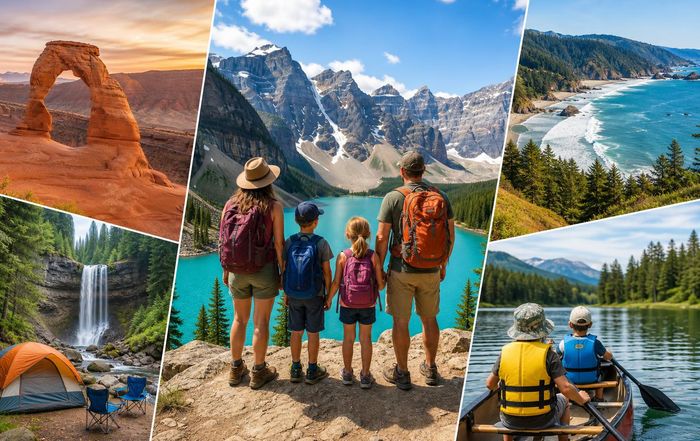
Best North American Destinations for Outdoor Family Trips
Family travel is undergoing a renaissance as more parents seek meaningful time together in nature rather than in front of screens, and across North America an impressive range of national parks, coastal hideaways, mountain towns, and lakeside retreats are responding with experiences tailored to multigenerational visitors. Often travelling and jet setting readers, here consistently prioritize destinations, family experiences, and practical travel tips, the continent has never offered a richer landscape of safe, educational, and restorative outdoor adventures that can fit a wide range of budgets and travel styles.
Why Outdoor Family Travel Matters Now
Outdoor family trips are no longer viewed as once-in-a-lifetime expeditions reserved for rugged enthusiasts; instead, they have become central to how many families in the United States, Canada, and beyond choose to spend their holidays and school breaks. Organizations such as the American Academy of Pediatrics emphasize that time in nature supports children's mental health, physical activity, and social development, and resources from the U.S. National Park Service highlight how even short hikes and ranger-led programs can improve kids' confidence and curiosity. Learn more about the benefits of nature for children through reports from the American Academy of Pediatrics and family-focused guidance from the National Park Service.
At the same time, tourism boards and park authorities across North America are investing in improved infrastructure, from accessible trails and boardwalks to interpretive centers and junior ranger programs, in order to welcome families of all ages and abilities. The result is a network of destinations where grandparents can enjoy scenic drives while teens tackle via ferrata routes or kayak tours, and where younger children can safely explore nature through structured activities. For readers planning their next escape, WorldWeTravel maintains regularly updated destination ideas and planning resources at its destinations hub and family-focused section on family travel inspiration.
National Parks Classics: Iconic Landscapes for All Ages
North America's national parks remain the cornerstone of outdoor family travel, and several stand out for their blend of accessibility, well-developed facilities, and unforgettable scenery.
In the United States, Yellowstone National Park offers one of the most comprehensive family experiences on the continent. Geysers such as Old Faithful, colorful hot springs like Grand Prismatic, and abundant wildlife including bison and elk create a natural classroom where children can see geology and ecology in action. The National Park Service provides detailed trip planning tools, campground information, and safety tips for wildlife viewing on its official Yellowstone page. Families who prefer structured learning can join ranger programs that explain volcanic activity and conservation in engaging, age-appropriate ways. Nearby gateway towns such as West Yellowstone and Gardiner provide a wide range of accommodations; readers can compare options and plan stays through WorldWeTravel's curated hotels and lodging guide.
Further south, Grand Canyon National Park remains a powerful introduction to the scale and diversity of North American landscapes. The South Rim's paved paths and shuttle system make it accessible for strollers and grandparents, while older children can hike short segments of the Bright Angel or South Kaibab trails under careful supervision. Safety is paramount in this environment, and both the National Park Service and organizations such as the Grand Canyon Conservancy provide guidance on hydration, sun protection, and trail etiquette; families can explore resources at Grand Canyon Conservancy for educational materials and kid-friendly itineraries.
In Canada, Banff National Park in Alberta combines dramatic Rocky Mountain scenery with the comforts of a well-established resort town. Families can stroll around Lake Louise, take the Banff Gondola for panoramic views, or enjoy cycling along the Bow River pathway. Parks Canada offers comprehensive information on camping, wildlife safety, and seasonal activities on its Banff National Park site, while local tourism organizations such as Banff & Lake Louise Tourism share itineraries and event calendars at BanffLakeLouise.com. For broader regional planning, WorldWeTravel's coverage of global destinations includes insights into the Canadian Rockies and how to combine Banff with neighboring parks like Jasper for extended family adventures.
Coastal Escapes: Oceans, Wildlife, and Gentle Adventure
For many families, the ideal outdoor trip includes both nature and the calming presence of the sea. North America's coasts-from New England to the Pacific Northwest and down to Mexico's Baja Peninsula-offer a rich variety of experiences that combine wildlife encounters, water-based activities, and cultural exploration.
On the Atlantic side, Acadia National Park in Maine has become a beloved destination for families seeking manageable hikes, scenic drives, and coastal charm. The Park Loop Road offers easy access to viewpoints, while kid-friendly trails such as the Ocean Path and Jordan Pond Path provide opportunities to explore tide pools and glacial landscapes. The park's official site at NPS Acadia outlines family programs, carriage road cycling routes, and safety guidelines for popular sunrise visits to Cadillac Mountain. Nearby Bar Harbor offers whale-watching tours and sailing excursions, and parents interested in responsible marine tourism can consult organizations like NOAA Fisheries at NOAA Fisheries Marine Life for information on wildlife-friendly viewing practices.
On the opposite coast, the Oregon Coast delivers a blend of rugged headlands, sandy beaches, and accessible state parks that work well for road-trip style family holidays. Towns such as Cannon Beach and Newport provide a base for exploring tide pools, lighthouses, and the iconic Haystack Rock. The Oregon Parks and Recreation Department offers detailed park maps and accessibility information at Oregon State Parks, while the Oregon Coast Visitors Association provides itineraries and safety tips for beach and surf conditions at Oregon Coast Travel Guide. For families planning multi-stop drives that combine coastlines with inland nature or city breaks, WorldWeTravel's general travel planning section offers strategies for pacing road trips with children and choosing accommodations that balance comfort with proximity to outdoor attractions.
Further south, the Baja California Peninsula in Mexico has emerged as a prominent destination for family-friendly marine adventures, particularly around the Sea of Cortez. Depending on the season and regulations, responsible tour operators offer opportunities for whale watching, snorkeling with sea lions, and observing whale sharks, often under strict guidelines designed to protect wildlife. The UNESCO World Heritage Centre provides background on the ecological significance of the Gulf of California at UNESCO Gulf of California, and organizations such as WWF Mexico share information on conservation and community-based tourism at WWF Mexico Marine Conservation. Families interested in eco-conscious travel can complement these resources with WorldWeTravel's dedicated eco travel insights, which examine how to choose operators that follow best practices for marine encounters.
Mountain Towns and Lakes: Multi-Activity Adventure Bases
Beyond the great national parks, smaller mountain towns and lake regions provide flexible bases where families can mix hiking, biking, paddling, and cultural activities according to energy levels and weather. These destinations are particularly attractive for multigenerational groups, as they usually combine easy nature access with comfortable accommodations, dining, and health services.
In the United States, Lake Tahoe, straddling California and Nevada, offers year-round outdoor recreation with a strong family focus. In summer, families can enjoy lakefront beaches, beginner-friendly paddleboarding, and short hikes to viewpoints such as Eagle Falls, while winter brings skiing, snowshoeing, and tubing. The Tahoe Fund and local visitor bureaus promote sustainable recreation and trail stewardship; readers can explore trail information and responsible use guidelines at Tahoe Rim Trail Association. For those considering wellness-focused breaks that combine light activity with spa treatments and healthy dining, WorldWeTravel's retreat and wellness section highlights how mountain and lake destinations can support both relaxation and active exploration.
In Canada, Whistler in British Columbia has successfully evolved from a primarily winter ski resort into a four-season family adventure hub. The pedestrian-friendly village, extensive trail networks, and attractions such as the Peak 2 Peak Gondola create an accessible environment where families can tailor their days to different ability levels. The official tourism organization, Tourism Whistler, offers planning tools and seasonal activity guides at Whistler.com. For those interested in the economic and community impact of year-round mountain tourism, reports from Destination Canada at Destination Canada Research offer broader context on how resorts adapt to changing travel patterns and climate considerations.
In the eastern part of the continent, the Adirondack Mountains in New York State present a vast playground of lakes, forests, and small towns that have long welcomed families from across North America. With thousands of miles of trails and an emphasis on low-impact recreation, the region is well suited to families looking for cabin stays, canoe trips, and nature-based learning. The Adirondack Council and Leave No Trace Center for Outdoor Ethics both provide guidance on minimizing environmental impact, which can be explored at Leave No Trace. WorldWeTravel's coverage of travel tips and best practices further supports parents seeking to teach children about outdoor ethics, safety, and respect for wildlife during their trips.
National and State Parks Beyond the Icons
While the marquee parks receive much of the attention, many families discover that less crowded national and state parks provide equally rewarding experiences with fewer logistical challenges. These destinations often feature shorter lines, greater campsite availability, and closer connections to local communities.
In the United States, Great Smoky Mountains National Park, straddling Tennessee and North Carolina, consistently ranks among the most visited national parks, yet its vast network of trails and historic sites allows families to find quieter corners. Waterfalls such as Laurel Falls, historic cabins, and diverse wildlife, including synchronous fireflies in certain areas during late spring, make the park a favorite for nature-loving families. The park's official site at NPS Great Smoky Mountains includes up-to-date information on traffic, trail closures, and safety, while regional tourism boards such as Visit North Carolina at VisitNC.com share ideas for combining park visits with nearby cultural attractions and small towns.
In Canada, Prince Edward Island National Park offers a gentler coastal environment that is particularly suitable for younger children. With sandy beaches, dunes, and easy walking paths, the park provides a relaxed introduction to outdoor travel. Parks Canada's PEI National Park page includes details on family facilities, interpretive programs, and efforts to protect fragile dune ecosystems. Families who appreciate literature can connect a visit to the island with the settings of Lucy Maud Montgomery's "Anne of Green Gables," adding a cultural dimension to their outdoor experience. For broader cultural context and travel ideas across Europe and North America, WorldWeTravel's culture-focused section explores how stories, traditions, and landscapes intersect.
Mexico's expanding network of national parks and biosphere reserves also offers opportunities for families seeking outdoor adventures beyond traditional resort areas. Destinations such as Monarch Butterfly Biosphere Reserve in central Mexico provide seasonal spectacles where millions of monarch butterflies overwinter in oyamel fir forests. The UNESCO World Heritage Centre offers background on the site's ecological significance at Monarch Butterfly Reserve, while organizations like Monarch Joint Venture at Monarch Joint Venture share conservation information and responsible visitation tips. For families who wish to combine nature with learning about environmental challenges and community initiatives, these destinations can be particularly meaningful.
Health, Safety, and Well-Being in the Outdoors
As families plan outdoor trips, health and safety considerations remain central. Public health agencies and medical associations emphasize that well-prepared outdoor travel can significantly benefit physical and mental well-being, but they also highlight the importance of planning for weather, altitude, hydration, and local conditions.
The Centers for Disease Control and Prevention (CDC) provides travel health advice, including information on sun protection, insect-borne diseases, and food and water safety, at its Healthy Travel site. For high-altitude destinations such as mountain parks in the Rockies or Sierra Nevada, organizations like the Institute for Altitude Medicine at Altitude.org explain symptoms of altitude illness and preventive strategies, which are particularly important for families with young children or older adults. Parents can also consult resources from the American Hiking Society at American Hiking Society for guidance on trail preparedness, appropriate footwear, and packing essentials for family hikes.
Within WorldWeTravel, the health and wellness section brings together expert advice on staying active, managing jet lag, and maintaining balanced routines while on the road. Articles emphasize the value of moderate daily activity, sufficient hydration, and realistic itineraries that allow for rest, especially when traveling with children. For many families, choosing accommodations with access to outdoor spaces, such as cabins, campgrounds, or hotels near parks, contributes significantly to overall well-being during a trip.
Sustainable and Eco-Conscious Family Travel
Environmental awareness has become a defining theme of modern travel, and families are often at the forefront of adopting more sustainable habits. Outdoor destinations, by their nature, depend on healthy ecosystems and community support, and travelers increasingly recognize that their choices-from transportation to lodging and activities-can either harm or help these environments.
Organizations such as the Global Sustainable Tourism Council (GSTC) provide frameworks for evaluating destinations and businesses based on environmental, social, and cultural criteria, which can be explored at GSTC Criteria. Families interested in learning more about sustainable business practices and tourism certifications can also consult resources from the United Nations World Tourism Organization (UNWTO) at UNWTO Sustainable Development. Many North American parks and communities are now implementing measures such as shuttle systems, timed-entry reservations, and trail restoration projects to reduce crowding and environmental impact, and these initiatives are often explained on official park websites and local tourism portals.
Within this context, WorldWeTravel encourages readers to integrate sustainability into their planning by choosing eco-labeled accommodations, supporting local guides and family-owned businesses, and following Leave No Trace principles. The site's eco travel hub highlights real-world examples from destinations across North America and beyond, demonstrating how families can enjoy rich outdoor experiences while contributing positively to conservation and community resilience.
Practical Planning Tips for Outdoor Family Trips
Thoughtful preparation can transform a promising destination into a truly memorable family experience. While each location has its own specific requirements, several cross-cutting practices help ensure smoother, safer, and more enjoyable outdoor travel.
Parents are encouraged to begin by matching the destination to the ages, interests, and fitness levels of all family members. For younger children, parks with short loop trails, playgrounds, and interpretive centers can provide frequent breaks and varied stimulation, while teenagers may appreciate destinations that offer more challenging hikes, climbing, or water sports. The National Park Service, Parks Canada, and Mexico's Comisión Nacional de Áreas Naturales Protegidas (CONANP) all offer online tools to filter parks and activities by difficulty and accessibility; for example, Parks Canada's trip planner at Parks Canada Plan Your Visit allows families to search by region and activity type.
Booking accommodations and key activities well in advance is particularly important for peak seasons in popular parks and mountain towns. Many North American national parks now operate reservation systems for campgrounds, backcountry permits, and sometimes timed entry; official portals such as Recreation.gov in the United States and Parks Canada Reservations in Canada are the authoritative sources for availability and rules. For those balancing outdoor exploration with the comforts of hotels, lodges, or vacation rentals, WorldWeTravel's hotels and stays section provides guidance on selecting family-friendly properties that offer features such as kitchenettes, laundry facilities, and proximity to trails.
Finally, packing and logistics play a decisive role in family satisfaction. Reliable layers for changing weather, sun and insect protection, reusable water bottles, and basic first-aid supplies are essential. Outdoor organizations like REI Co-op at REI Expert Advice and the Canadian Paediatric Society at Caring for Kids Outdoor Safety offer checklists and safety advice tailored to family adventures. For broader guidance on working remotely while traveling, managing school schedules, or combining business obligations with family trips, WorldWeTravel's work and travel insights and business travel resources explore flexible arrangements that allow parents to extend stays in nature-rich destinations without sacrificing professional responsibilities.
Outdoor Family Travel as a Lifelong Journey
Well then, the trajectory of outdoor family travel in North America is shaped by evolving environmental conditions, technological tools, and changing family priorities, yet its core appeal remains timeless: shared experiences in nature that strengthen relationships and foster curiosity. Advances in digital mapping, weather forecasting, and reservation systems make it easier than ever to plan safe and informed trips, while growing awareness of sustainability encourages families to travel in ways that respect both ecosystems and local communities.
From the geothermal wonders of Yellowstone to the coastal trails of Acadia, from the alpine lakes of Banff to the butterfly-filled forests of central Mexico, the continent offers a spectrum of destinations that can accommodate first-time campers, seasoned hikers, and everyone in between. By drawing on reliable information from official park agencies, health organizations, and conservation groups, and by leveraging planning tools and curated guidance from site like this, families can design journeys that are not only enjoyable in the moment but also formative for children's understanding of the world.
In this evolving landscape, outdoor family travel becomes more than a holiday; it becomes a shared project of discovery, resilience, and care for the planet. North America's mountains, forests, coasts, and deserts are ready to welcome the next generation of explorers, and with thoughtful preparation and responsible choices, families can ensure that these landscapes remain vibrant and accessible for decades to come.