

Family Adventures Across Denmark's Landscapes: A Perspective for Global Travellers
Denmark: Quiet Confidence and High Trust for Families
Denmark continues to stand out as one of the world's most quietly confident, respected, happy, peaceful and reliable family destinations, combining understated Scandinavian design, progressive social values, and a deep respect for nature into a travel experience that feels both reassuringly safe and genuinely adventurous. For globally mobile families and business travellers who read WorldWeTravel.com, Denmark has moved firmly beyond the status of a Nordic curiosity or convenient stopover between the United Kingdom, Germany, and Sweden, and has become a primary destination in its own right for multi-generational trips, workations, and purpose-driven journeys that align with modern expectations of sustainability, wellbeing, and work-life balance. As international travel patterns have stabilized following the disruptions of the early 2020s, Denmark's reputation for reliability, transparency, and social cohesion has only strengthened, supported by robust national data on safety, health, education, and governance from organizations such as the OECD and the World Bank, both of which continue to rank the country among global leaders in quality of life and institutional trust.
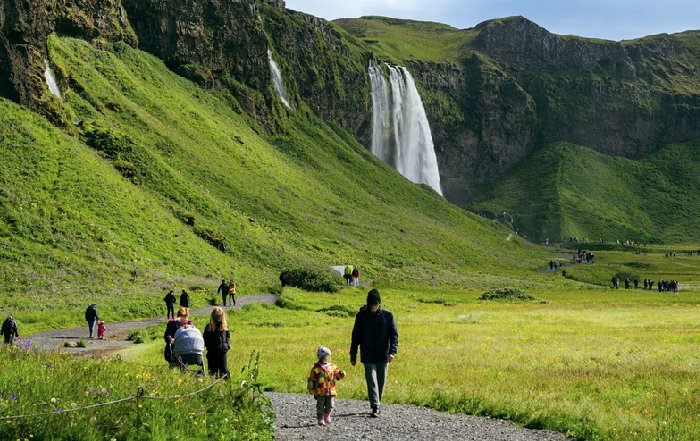
Families exploring Denmark's landscapes in 2026-whether cycling along the North Sea Route, hiking in coastal dunes, or kayaking through calm fjords-are participating in a culture that has long integrated outdoor life, or "friluftsliv," into everyday routines, and this cultural foundation gives their journeys a sense of authenticity that is increasingly valued by discerning travellers from the United States, Canada, Australia, Singapore, and Japan. For readers seeking to place Denmark within broader global travel dynamics, WorldWeTravel.com offers context on global trends and destinations, showing how the country's emphasis on sustainability, social equity, and family-friendly infrastructure positions it at the forefront of a shift toward more responsible and experience-rich tourism across Europe, North America, Asia, and beyond.
A Compact Nation with Deep Geographic and Cultural Variety
Although Denmark appears compact on the map, its landscapes and regional identities are remarkably varied, stretching from the windswept western shores of Jutland to the gentle beaches and forests of Zealand, and on to the rocky coastlines and tranquil bays of Bornholm in the Baltic Sea. Families typically arrive in Copenhagen, where canals, historic neighbourhoods, and contemporary waterfront districts provide an inviting introduction to Danish life, yet the true depth of the country's diversity becomes apparent as soon as travellers move beyond the capital into a patchwork of dunes, heathlands, fjords, beech forests, small islands, and quiet agricultural areas. This diversity is framed by one of Europe's longest coastlines relative to land area, creating a natural setting in which low-impact outdoor adventure-cycling, hiking, swimming, sailing, and wildlife watching-can be woven seamlessly into almost any itinerary.
For planners designing multi-stop journeys across Europe and the wider Nordic region, Denmark's geography and infrastructure together create a highly efficient and flexible hub. High-speed rail links connect Copenhagen with Hamburg and onward to the Netherlands, France, Switzerland, and Italy, while domestic networks of trains, buses, and ferries make it straightforward to move between cities, islands, and coastal areas without relying on private cars. The ongoing development of infrastructure such as the Fehmarnbelt Fixed Link reinforces Denmark's position within the European transport grid, a trend closely followed by institutions like the European Commission and Eurostat, which provide detailed insights into regional connectivity and economic integration. For readers of WorldWeTravel.com evaluating Denmark as a strategic base for combining leisure, family time, and cross-border business engagements, it is useful to consider these developments alongside broader economic perspectives on travel and mobility, which illuminate how infrastructure, sustainability, and tourism growth interrelate.
Copenhagen: Water, Culture, and Everyday Liveability for Families
Copenhagen's status as a leading family destination in 2026 is the result of decades of deliberate urban planning, sustained social investment, and a cultural commitment to liveable cities that prioritize people over cars. International benchmarks from organizations such as UN-Habitat, the World Economic Forum, and The Economist Intelligence Unit consistently highlight the Danish capital for its cycling infrastructure, environmental performance, and quality of life, and these macro-level indicators translate directly into an urban experience where families feel both welcome and empowered to explore independently. Children move confidently by bicycle along well-marked lanes, green spaces and playgrounds are integrated into residential and commercial districts, and cultural institutions design exhibitions and programmes that are accessible and engaging across age groups, creating an inclusive environment for visitors from Germany, France, Spain, China, and South Korea as well as for local residents.
Along the harbourfront, the transformation of former industrial zones into recreational spaces continues to evolve, with clean swimming areas, harbour baths, and car-free promenades reflecting Copenhagen's long-term investment in water quality and public access. Iconic attractions such as Tivoli Gardens retain their charm, but many families in 2026 are equally drawn to interactive venues like the Experimentarium, the National Museum of Denmark, and contemporary cultural hubs that blend art, design, and science in hands-on formats. These experiences echo research promoted by UNESCO, which underscores how cultural participation supports social cohesion, intergenerational dialogue, and mental health; travellers interested in this intersection can explore UNESCO's work on culture and sustainable development to better understand the broader implications of their family activities.
Copenhagen's internationally recognized cycling culture remains central to its appeal, not only as a transport solution but as a symbol of an integrated, low-carbon lifestyle. The city's extensive bike lanes, traffic-calmed streets, and family-friendly cargo bikes are frequently cited by the European Cyclists' Federation and urban mobility researchers as best-practice examples of how infrastructure can encourage active travel for all ages. For the WorldWeTravel.com audience, where eco-conscious travel practices are a core focus, Copenhagen offers a tangible demonstration that sustainability does not require sacrifice; instead, it can enhance comfort, safety, and enjoyment for families who wish to reduce their environmental footprint while discovering a major European capital.
Zealand's Coastlines, Castles, and Soft Landscapes
Beyond Copenhagen, the island of Zealand introduces a softer, more pastoral side of Denmark, with beech forests, sandy beaches, lakes, and royal estates that invite slower, reflective family travel. North of the capital, the coastline of North Zealand, sometimes referred to as the "Danish Riviera," has long attracted both Danish families and international visitors from the United Kingdom, Netherlands, Norway, and Sweden, who are drawn to its relaxed seaside towns, gentle swimming beaches, and elegant summer residences. Historic landmarks such as Kronborg Castle in Helsingør, famously immortalized by William Shakespeare in Hamlet, and Frederiksborg Castle in Hillerød provide immersive settings in which children and adults can connect with European history, architecture, and art in a way that feels accessible rather than intimidating.
These sites form part of a larger European cultural heritage network supported by organizations including Europa Nostra and the Council of Europe, which emphasize how shared heritage fosters dialogue and mutual understanding across borders. Families walking through castle courtyards, landscaped gardens, and coastal paths are not only engaging with Danish narratives but also encountering the intertwined histories of Norway, Germany, Sweden, and the wider European Union, where debates about identity, memory, and preservation continue to shape policy. For travellers who want to situate their experiences within a broader cultural context, WorldWeTravel.com offers editorial perspectives on culture-focused journeys, highlighting how destinations like Zealand can anchor meaningful cross-generational conversations about Europe's past and present.
Zealand also presents numerous family-friendly beaches and nature reserves that are particularly suitable for younger children or multi-generational groups seeking calm environments with reliable infrastructure. The combination of shallow bays, lifeguard-supervised areas, and well-maintained facilities reflects Denmark's longstanding emphasis on public access to nature, guided by environmental policies informed by the European Environment Agency and aligned with the European Green Deal. Travellers who prioritize wellbeing and outdoor time as part of their lifestyle can connect these experiences with research from the World Health Organization, which documents the benefits of green spaces and nature exposure for physical and mental health; to deepen this understanding, readers may explore WHO's work on urban green spaces and health.
Jutland's West Coast: Dunes, North Sea Weather, and Energy Transition
On the West Coast of Jutland, Denmark reveals a more elemental, dramatic character shaped by the powerful forces of the North Sea. Long, dune-backed beaches, windswept heathlands, and expansive skies create a distinctive backdrop for family adventures that evolve with the seasons, from sandcastle building and kite flying in summer to bracing walks and storm-watching in autumn and winter. Coastal towns such as Hvide Sande, Blåvand, and Skagen balance traditional fishing heritage with contemporary tourism infrastructure, offering holiday homes, campsites, and family-oriented hotels that cater to visitors from Germany, Netherlands, Switzerland, and increasingly from United States and Canada, who are seeking authentic coastal experiences outside more crowded Mediterranean destinations.
The West Coast is also central to Denmark's ongoing transition to renewable energy, with offshore wind farms visible from parts of the shoreline serving as tangible symbols of the country's climate ambitions. Organizations such as the International Energy Agency and the International Renewable Energy Agency continue to highlight Denmark as a global leader in wind energy deployment and innovation, and these installations offer families a powerful starting point for conversations with children about climate change, technological progress, and responsible consumption. By linking their holiday experiences to global frameworks such as the United Nations Sustainable Development Goals, travellers can learn more about sustainable business practices and reflect on how individual choices-accommodation, transport, food-intersect with systemic change.
For the WorldWeTravel.com community, which often seeks destinations that reflect their environmental and social values, Jutland's West Coast illustrates how leisure, education, and sustainability can intersect in practical ways. Families who choose eco-certified accommodations, join guided nature walks focused on dune ecology and coastal protection, or support local producers through farm shops and fish markets are contributing to a regional economy that is consciously adapting to climate challenges and shifting tourism patterns. Readers interested in the strategic and commercial dimensions of such transitions can explore business travel and strategy insights, where Denmark's coastal regions are frequently cited as examples of how tourism, energy, and community development can be aligned.
Island Escapes: Funen, Lolland-Falster, and Bornholm
For families who return to Denmark or who wish to move beyond the most familiar routes, the country's islands offer a quieter, more intimate perspective on Danish life. The island of Funen, often referred to as Denmark's garden island, is characterized by rolling countryside, orchards, manor houses, and the historic town of Odense, birthplace of Hans Christian Andersen. In 2026, Odense's continued investment in cultural infrastructure, pedestrian-friendly streets, and family attractions has reinforced its status as a key destination for literary and cultural tourism, attracting visitors from United Kingdom, Germany, Italy, and Spain who wish to connect fairy-tale narratives with real-world places. For families, Funen's network of cycle routes, farm stays, and coastal villages offers a gentle environment in which children can explore nature, storytelling, and local traditions at a relaxed pace.
Further south, the islands of Lolland and Falster combine agricultural landscapes with nature reserves and family attractions, making them appealing for road trips that connect Scandinavia with Central Europe. The strategic significance of these islands has increased with the ongoing construction of the Fehmarnbelt Fixed Link, a major infrastructure project connecting Denmark and Germany, closely monitored by the European Commission as part of the Trans-European Transport Network. Families driving between Sweden, Norway, and destinations such as Austria, Italy, and France increasingly use these routes, integrating short nature-based retreats or coastal stays into their broader itineraries and discovering lesser-known Danish communities in the process.
In the Baltic Sea, the island of Bornholm offers a distinctive Nordic island experience, with rocky cliffs, sandy beaches, forests, and small harbours that are particularly attractive for hiking, cycling, and slow travel. Over the past decade, Bornholm has consolidated its reputation as a hub for gastronomy and local food culture, aligning with broader trends in regional and sustainable cuisine promoted by organizations such as the Nordic Council of Ministers. Families who value food as a central part of their travel experience can explore how local producers, chefs, and tourism operators collaborate to create high-quality, sustainable offerings that reflect the island's terroir and traditions. These experiences resonate with global movements in responsible food systems highlighted by the Food and Agriculture Organization of the United Nations; travellers interested in this dimension may wish to explore FAO's work on sustainable food and agriculture.
For the WorldWeTravel.com audience, these island escapes align naturally with interests in family-oriented journeys and restorative retreats that balance activity with reflection. The slower pace, close contact with nature, and emphasis on local community life make Danish islands ideal settings for digital detoxes, extended stays that integrate remote work and family time, and multi-generational gatherings where grandparents, parents, and children can share meaningful experiences away from the pressures of dense urban environments in Singapore, Hong Kong, London, New York, or Tokyo.
Health, Wellbeing, and the Outdoor Ethos
A unifying thread across Denmark's diverse regions is the national emphasis on health, wellbeing, and outdoor living, which continues to be a defining feature of Danish culture in 2026. Public health data from the World Health Organization and the OECD consistently highlight Denmark's strong healthcare system, high levels of physical activity, and relatively low rates of childhood obesity compared to many other high-income countries, and these indicators are reflected in everyday life: children walking or cycling to school, adults using bicycles for commuting, and families spending weekends in forests, parks, and coastal areas. For visitors arriving from more car-dependent societies in United States, Canada, Australia, South Africa, or Brazil, Denmark provides a concrete example of how urban design, social norms, and public policy can work together to support healthier lifestyles.
From urban playgrounds in Copenhagen and Aarhus to forest kindergartens and coastal trails, Danish children grow up with regular access to nature, and this ethos extends naturally into family travel experiences. Visitors who hike in national parks, cycle along coastal routes, or spend long summer evenings on the beach are participating in a lifestyle that values balance, simplicity, and a strong connection to the environment. Research from institutions such as Harvard T.H. Chan School of Public Health continues to illustrate how outdoor activity and time in nature support physical and mental wellbeing, cognitive development, and resilience; readers can learn more about health and physical activity to better understand the science underpinning what they intuitively feel during their time in Denmark.
On WorldWeTravel.com, the interplay between health and travel remains a central editorial theme, and Denmark is frequently highlighted as a model for integrating wellbeing into both daily life and leisure. Whether planning a yoga retreat on the coast, a cycling tour across islands, or a family holiday that emphasizes simple outdoor pleasures rather than intensive sightseeing, travellers can use Denmark as a practical reference point for designing journeys that nourish body, mind, and relationships, and then apply those lessons when considering other destinations across Europe, Asia, Africa, and South America.
Infrastructure, Technology, and the Ease of Moving as a Family
Denmark's strength as a family destination in 2026 is reinforced by its infrastructure and digital readiness, which together create an environment where travel feels efficient, predictable, and secure. High-quality roads, well-maintained cycling paths, punctual public transport, and clear multilingual signage make it straightforward for families to navigate, even when venturing into less populated areas. Digital tools, from mobile ticketing and contactless payments to real-time transport information and user-friendly wayfinding apps, are ubiquitous and supported by a robust national commitment to connectivity, reflected in Denmark's strong performance in the UN E-Government Survey and in digital competitiveness assessments by the World Economic Forum.
For business travellers who wish to extend corporate trips into family holidays, or for remote workers planning medium- to long-term stays, Denmark's digital infrastructure is particularly attractive. Reliable high-speed broadband, well-equipped coworking spaces in cities and regional hubs, and a regulatory environment that supports flexible work arrangements align with broader labour market trends monitored by the International Labour Organization, which has documented the rise of hybrid and remote work models since the early 2020s. On WorldWeTravel.com, where work and travel increasingly intersect, Denmark serves as a compelling case study for how advanced economies can support lifestyles that combine professional commitments with meaningful family time and regular access to nature.
Technology also plays a growing role in Denmark's tourism sustainability strategies, from smart energy systems in hotels and holiday homes to digital tools that help manage visitor flows in sensitive natural areas, reducing pressure on fragile ecosystems. Families who select accommodations certified under schemes such as Green Key are participating in a global movement toward responsible travel, supported by frameworks from the Global Sustainable Tourism Council and aligned with evolving consumer expectations in markets such as United Kingdom, Germany, Netherlands, Sweden, Norway, and Denmark itself. For practical guidance on making environmentally conscious decisions-choosing transport modes, evaluating hotel sustainability claims, minimizing waste-readers can draw on travel tips and sustainable choices curated by WorldWeTravel.com.
Accommodation and Hospitality: Design, Comfort, and Coastal Living
Denmark's accommodation landscape reflects its broader cultural values of functionality, understated elegance, and quality craftsmanship. In cities such as Copenhagen, Aarhus, and Aalborg, families can select from a range of design-forward hotels that emphasize comfort, sustainability, and local character, often inspired by the principles of Danish Modern design and supported by national tourism bodies such as VisitDenmark. Many urban properties provide family rooms, interconnected suites, and thoughtful amenities for children, ensuring that parents and younger travellers feel equally considered in the hospitality experience, a factor that resonates strongly with visitors from United States, United Kingdom, France, Italy, Spain, and Switzerland who are accustomed to high service standards.
Outside the major cities, holiday homes and coastal cottages form a central part of Danish travel culture, especially along the West Coast of Jutland, on Funen, and on islands such as Bornholm. These properties, often rented on a weekly basis, allow families to create temporary homes close to beaches, forests, or lakes, combining privacy and autonomy with proximity to local communities and nature. For international visitors, this style of accommodation can be particularly enriching, providing immersion in everyday Danish rhythms-shopping at local bakeries, cycling to the beach, cooking with regional ingredients-that differ markedly from traditional hotel stays. Industry groups such as the Nordic Tourism Collective have highlighted these experiences as key to understanding Nordic lifestyle and values, especially for travellers who are seeking more than surface-level sightseeing.
For readers of WorldWeTravel.com, curated insights on hotels and accommodations in Denmark provide practical guidance on matching property types to travel objectives, whether the priority is a centrally located business hotel in Copenhagen with meeting facilities and child-friendly services, a minimalist design hotel in Aarhus for a cultural city break, or a family cottage near the dunes for a digital detox. Across these options, a consistent emphasis on energy efficiency, waste reduction, and responsible sourcing reflects Denmark's broader environmental commitments, reinforcing the sense of trust that international travellers increasingly seek when choosing where to stay.
Denmark as a Template for Future-Focused Family Travel
As families and professionals around the world refine their travel priorities in 2026, Denmark emerges as a compelling template for future-focused journeys that combine adventure, education, and responsibility in a coherent and trustworthy package. Its landscapes-ranging from the dunes and wild beaches of Jutland's West Coast to the beech forests and castles of Zealand, the gentle countryside of Funen, and the rugged coastlines of Bornholm-provide the physical backdrop for experiences that are rich in both enjoyment and meaning. Yet it is the underlying systems-strong social institutions, thoughtful urban and regional planning, environmental leadership, digital readiness, and a culture of trust-that give Denmark its distinctive reliability as a destination and make it especially relevant for the WorldWeTravel.com community.
For readers based in the United States, United Kingdom, Germany, Canada, Australia, France, Italy, Spain, Netherlands, Switzerland, China, Sweden, Norway, Singapore, Denmark, South Korea, Japan, Thailand, Finland, South Africa, Brazil, Malaysia, and New Zealand, Denmark offers a practical and inspiring example of how travel can support family bonds, professional ambitions, and environmental responsibility simultaneously. Whether planning a short city break in Copenhagen built around culture and cuisine, a coastal retreat on Jutland's West Coast focused on outdoor activities and energy transition, or a multi-week island-hopping journey across the Danish archipelago that blends remote work with slow travel, families can rely on Denmark's combination of safety, accessibility, and authenticity.
Within the broader editorial vision of WorldWeTravel.com, which encompasses destinations across the globe, Denmark occupies a distinctive position as a country where the pursuit of happiness-often encapsulated in the notion of "hygge"-is grounded in concrete policies, shared values, and everyday practices that travellers can observe, participate in, and learn from. Families who choose Denmark in 2026 are not only discovering beautiful and diverse landscapes; they are engaging with a living example of how societies can design environments that support wellbeing, connection, and long-term sustainability. For those planning their next journey, exploring Denmark through the lens of travel inspiration and planning on WorldWeTravel.com provides a pathway to experiences that are both enriching and practical, setting a benchmark for family adventures that can be replicated and adapted across Europe, North America, Asia, Africa, and South America in the years ahead.