

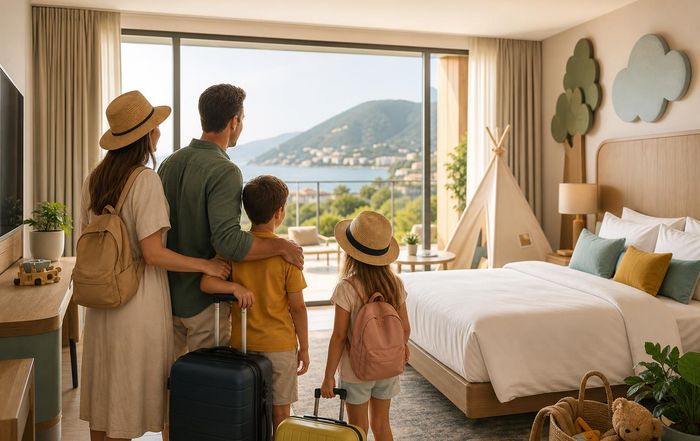
How to Choose Family-Friendly Accommodation Abroad
Choosing the right place to stay can transform a family trip from stressful to unforgettable. For fans where inspiration meets practical expertise, accommodation is not simply a bed for the night but the foundation of safety, comfort, connection and discovery in a new country. As families travel more frequently and more widely-from the United States and Canada to Japan, Italy, Thailand and beyond-the standards and expectations for family-friendly lodging have risen, and so have the options.
This article explores how parents and caregivers can evaluate hotels, apartments, villas and alternative stays abroad with confidence, using verifiable information, trusted resources and the collective lessons of the global travel community. The aim is to help families align their accommodation choices with their values, budgets and dreams, while staying grounded in safety, sustainability and cultural respect.
Understanding What "Family-Friendly" Really Means
The term "family-friendly" is used widely in marketing, yet its meaning can vary significantly between countries, brands and property types. In some destinations, a "family room" may simply mean a double bed with a sofa bed, while in others it may involve dedicated kids' clubs, interconnecting rooms and comprehensive safety measures.
Families planning their next journey through WorldWeTravel benefit from approaching this label with curiosity rather than blind trust. Reputable organizations such as UNICEF and the World Health Organization emphasize the importance of child safety and wellbeing in all environments, and those principles extend naturally to travel. When evaluating accommodation abroad, families can look beyond slogans and examine the tangible features that make a property genuinely supportive of children and caregivers.
Independent review platforms, including Tripadvisor, Booking.com and Trustpilot, allow travelers to filter for family stays and read specific feedback from other parents. While individual opinions can differ, recurring patterns in reviews-such as praise for staff attentiveness to children, or repeated concerns about noise and cleanliness-offer a more reliable picture than a single rating score. Cross-checking impressions across at least two platforms helps reduce the risk of being misled by outliers or outdated information.
For broader context on destinations that align with a family-first mindset, readers can explore the curated overviews on WorldWeTravel destinations, which connect location choices with suitable lodging styles, travel seasons and cultural expectations.
Safety and Security: The Non-Negotiable Foundation
When traveling abroad with children, safety is the primary lens through which all accommodation decisions should be viewed. International organizations such as the World Tourism Organization (UN Tourism) and bodies like the U.S. Department of State and the UK Foreign, Commonwealth & Development Office provide travel advisories and safety guidance that help families understand the broader context of a destination before booking.
At the property level, safety considerations include building standards, fire protection, access control and childproofing. In many countries across Europe, North America and parts of Asia, hotels are subject to strict fire codes, sprinkler requirements and regular inspections, while in some developing regions regulations can be less consistently enforced. Families can reduce uncertainty by choosing properties affiliated with established hotel groups or platforms with robust verification processes, and by reading recent guest reports for mention of smoke detectors, emergency exits and general maintenance. For additional reassurance, resources such as the National Fire Protection Association and Ready.gov offer universal fire safety guidance that can be adapted to hotel environments.
Parents traveling with toddlers or young children may wish to prioritize lower-floor rooms, secure window locks and balconies with solid railings. Many reputable hotels in the United States, United Kingdom, Germany, Australia and other highly regulated markets offer baby-proofing kits or can remove hazardous items from rooms on request. Families considering apartment-style stays via platforms like Airbnb or Vrbo can study listing photos closely and message hosts about stair gates, pool fencing and neighborhood lighting, then cross-reference their impressions with independent reviews.
Health-related safety is equally important, particularly when traveling to regions with different climates, water quality or disease risks. The Centers for Disease Control and Prevention (CDC) and the European Centre for Disease Prevention and Control (ECDC) publish up-to-date country-specific health advice, including recommended vaccinations, food and water precautions and guidance for traveling with children. Families can complement this information with articles from WorldWeTravel Health, which focus on practical strategies for staying well on the road.
Room Types and Layouts that Actually Work for Families
A key challenge in choosing family-friendly accommodation abroad is translating property descriptions into lived reality. Many booking engines allow filters for "family rooms" or "suites," yet these terms can encompass a wide variety of layouts. For example, in some European city hotels, a "family room" may be a compact space with a double bed and a fold-out sofa, whereas a resort in Thailand or Spain might offer multi-room suites with separate living areas and kitchenettes.
Families benefit from clarifying three core aspects before booking: sleeping arrangements, privacy and flexibility. Parents traveling with teenagers often prefer interconnecting rooms or two-bedroom apartments, allowing shared proximity with some degree of personal space. Those with babies and toddlers may prioritize a single large room or suite where a crib can be placed within arm's reach, avoiding the need for children to cross corridors at night. Many international hotel chains, including Marriott International, Hilton, Accor and IHG Hotels & Resorts, now highlight family-specific room categories on their official websites and often outline maximum occupancy, bed sizes and crib availability in detail.
Kitchen facilities can significantly reduce stress and costs, particularly in destinations where restaurant schedules or menus may not align with a child's routine. Properties offering kitchenettes, microwaves and refrigerators enable families to prepare simple meals, store snacks and accommodate dietary needs. Organizations like Allergy UK and Food Allergy Research & Education (FARE) emphasize the importance of controlled food preparation spaces for children with severe allergies; for such families, apartment hotels or serviced residences may provide a safer and more flexible environment than standard hotel rooms.
On WorldWeTravel Hotels at worldwetravel.com/hotels.html, readers can explore lodging types by region and family size, comparing the advantages of traditional hotels, serviced apartments, villas and eco-lodges for different stages of family life.
Location: Balancing Convenience, Culture and Calm
The choice of neighborhood can be as critical as the choice of building. Families often seek a balance between easy access to attractions, a sense of local culture and a peaceful environment conducive to rest. In major cities such as London, Paris, Tokyo, New York, Singapore, Sydney and Berlin, central areas may offer unmatched convenience but can also be noisy and expensive, whereas residential districts might provide parks, playgrounds and quieter evenings at the cost of longer commutes.
Mapping tools like Google Maps and OpenStreetMap allow travelers to visualize walking distances to public transport, supermarkets, pharmacies and medical facilities. Parents can virtually explore streetscapes using satellite and street view images, verifying whether a property is located on a busy thoroughfare, in a nightlife area or near green spaces. Many cities across Europe and Asia have invested in pedestrian-friendly zones and bike lanes, which can be particularly appealing for families who enjoy exploring on foot or by bicycle.
Local tourism boards and official city websites, such as VisitBritain, Germany Travel, Tourism Australia, France.fr and Japan National Tourism Organization, often publish neighborhood guides that highlight family-oriented districts, parks, museums and seasonal events. These sources are generally reliable and updated regularly, providing a useful counterpoint to purely commercial listings.
For a global overview of regions that consistently receive high marks from families, WorldWeTravel Global at worldwetravel.com/global.html connects macro trends-such as infrastructure investment, public safety and cultural openness-with on-the-ground experiences in North America, Europe, Asia, Africa and South America.
Evaluating On-Site Facilities and Child-Centered Services
Beyond the room and location, the range and quality of on-site facilities can profoundly influence how relaxed and engaged children feel while abroad. Many family-focused properties now offer kids' clubs, children's pools, playgrounds, game rooms and organized activities, particularly in popular resort areas of Spain, Greece, Thailand, Mexico and the Caribbean. The best of these programs are designed with child development principles in mind and staffed by trained professionals, although standards vary by region and brand.
Parents can look for clear information about age-appropriate activities, staff-to-child ratios and safety protocols. Brands such as Club Med, Four Seasons Hotels and Resorts and Disney Parks & Resorts have built reputations for high-quality children's programming, and their official websites detail the structure and philosophy of their kids' clubs. Industry organizations like the American Camp Association and the International Association of Amusement Parks and Attractions (IAAPA) provide general frameworks for child safety and program quality that, while not always directly applied to hotels, can help families ask informed questions.
Swimming pools are often a highlight for children but also a major safety consideration. Parents may wish to verify whether pools have lifeguards, shallow areas for younger children and clear depth markings. Health authorities, including the World Health Organization, publish guidelines for recreational water safety that can help families assess whether a facility appears well-maintained and hygienic. For beach resorts, the presence of lifeguards, flag systems and published information on tides and currents is an encouraging sign of safety awareness.
Families seeking wellness-oriented stays, including yoga retreats, spa hotels and nature lodges, can explore options via WorldWeTravel Retreat, where accommodation is often chosen for its capacity to nurture both adults and children through calm environments, healthy food and outdoor activities.
Cultural Sensitivity and Local Experiences for Children
One of the most powerful gifts of travel is the chance for children to encounter new cultures, languages and ways of life. Accommodation can either insulate families from these experiences or serve as a bridge to them. Increasingly, parents are seeking stays that combine comfort with meaningful cultural engagement, whether in the form of local architecture, regionally inspired design, language exposure or community-based experiences.
Cultural institutions such as UNESCO and national heritage organizations encourage respectful interaction with local traditions and sites, highlighting the importance of preserving both tangible and intangible heritage. Many family-friendly hotels and guesthouses now collaborate with local guides, artisans and cultural centers to offer workshops in cooking, music, crafts or storytelling that are suitable for children. For example, city tourism portals like NYC Tourism + Conventions, Tourism Thailand and Visit Norway maintain calendars of cultural events and family programs that can be combined with nearby accommodation.
Language exposure can also be woven into the lodging choice. In multilingual destinations such as Switzerland, Singapore, Canada and the Netherlands, staff often speak multiple languages and may be happy to teach children simple phrases or explain local customs. Boutique hotels and homestays in countries like Japan, Italy or Brazil may offer a more immersive environment, though families should consider communication needs and ensure that at least basic mutual understanding is possible in case of emergencies.
For readers interested in how accommodation choices shape cultural learning, WorldWeTravel Culture explores examples from Europe, Asia, Africa and the Americas, illustrating how families can respectfully connect with local communities while maintaining appropriate boundaries and safety.
Sustainability and Eco-Conscious Family Stays
As environmental awareness grows, many families want their accommodation choices to reflect their concern for the planet their children will inherit. Sustainable lodging is no longer a niche concept; major hotel groups and independent properties alike are adapting operations to reduce emissions, conserve water, minimize waste and support local ecosystems. However, the term "eco-friendly" is sometimes used loosely, so families benefit from seeking out verifiable indicators of genuine commitment.
International certification programs such as Green Key, EarthCheck, LEED (Leadership in Energy and Environmental Design) and the Global Sustainable Tourism Council (GSTC) provide frameworks and audits for environmentally and socially responsible properties. While certification alone is not a guarantee of perfection, it does indicate that a property has undergone external assessment and is working toward measurable goals. Families can also review sustainability pages on hotel websites for transparency about energy use, plastic reduction and community partnerships, and cross-check these claims with independent sources where available.
Environmental organizations like the World Wildlife Fund (WWF) and the International Union for Conservation of Nature (IUCN) offer guidance on responsible tourism, including how to avoid accommodations that contribute to habitat destruction or exploit wildlife. For instance, many experts now discourage stays that involve direct interaction with captive wild animals, such as riding elephants or handling big cats, citing welfare concerns documented by multiple animal welfare groups.
On WorldWeTravel Eco, families can discover destinations and lodging options that prioritize renewable energy, local sourcing, biodiversity protection and educational experiences for children, helping young travelers understand the connection between their choices and the health of the planet.
Health, Nutrition and Special Needs Considerations
Healthy, well-rested children are more likely to enjoy and remember their travels positively. Accommodation plays a central role in supporting sleep, nutrition and specific medical or developmental needs. The World Health Organization and pediatric associations in countries such as the United States, United Kingdom, Canada and Australia emphasize consistent sleep routines and balanced diets for children's wellbeing, recommendations that can be challenging but not impossible to maintain while abroad.
Parents may wish to prioritize quiet rooms away from elevators and nightlife areas, blackout curtains and adjustable climate control, especially in hot or humid destinations. Many hotels now offer pillow menus, hypoallergenic bedding and noise-reducing design features, which can be particularly helpful for children with sensory sensitivities. When booking, families can contact properties directly to inquire about these options and gauge the responsiveness and empathy of staff.
Food is another critical factor. Properties that provide varied breakfast buffets, healthy children's menus and the ability to accommodate allergies or intolerances can greatly reduce daily stress. Reputable hotel groups often publish allergen policies on their websites, and organizations like Coeliac UK and the Celiac Disease Foundation offer practical advice for navigating gluten-free diets abroad, including communication cards in multiple languages. For broader wellness strategies, WorldWeTravel Health features insights on managing jet lag, staying active and supporting immunity while traveling.
Families traveling with children who have disabilities or chronic conditions may need to pay particular attention to accessibility and medical access. Resources such as AccessibleGO and Mobility International USA share information on accessible travel infrastructure and accommodation across different regions. Parents can request photos or detailed descriptions of ramps, elevators, bathroom layouts and emergency procedures, and cross-reference these with recent guest reviews that mention accessibility.
Budget, Value and the Role of Technology
Financial considerations inevitably shape where families stay, especially on longer trips or in high-cost destinations like Switzerland, Norway, Singapore or major U.S. and UK cities. The most economical option at first glance is not always the best value once transport, meals and hidden fees are taken into account. A centrally located apartment with a kitchen might reduce daily expenses compared with a cheaper but distant hotel that requires multiple taxi rides and restaurant meals.
Comparing total trip costs rather than nightly rates helps families make more informed decisions. Tools like Kayak, Skyscanner and Google Travel allow travelers to see a range of accommodation options with price histories and flexible date searches, while loyalty programs from major hotel groups can offer free nights, upgrades or included breakfasts that add tangible value over time. Reviews on Hotels.com and Agoda can be cross-checked with those on other platforms to ensure consistency.
Technology also enhances safety and convenience. Many properties now provide digital check-in, mobile room keys and messaging services, which can reduce waiting times and allow parents to request cribs, extra towels or late check-out without leaving the room. Smart locks and monitored entry systems add a layer of security, while hotel apps and in-room tablets often include neighborhood maps, emergency contact details and activity schedules.
For families working remotely while traveling, or combining vacations with business trips, reliable high-speed internet and dedicated workspaces become essential. WorldWeTravel Work and WorldWeTravel Business explore how to balance professional obligations with family needs, including choosing accommodation that supports video calls, quiet study areas for children and flexible housekeeping schedules.
Practical Tips for Making Confident Choices
While every family is unique, several practical strategies can help parents make confident, informed decisions when choosing accommodation abroad. Reading multiple recent reviews, especially those written by families, provides a nuanced view of strengths and weaknesses. Contacting the property directly with specific questions about cribs, child policies, safety features and dietary accommodations tests responsiveness and often yields more precise information than generic listings.
Families can also benefit from planning accommodations alongside their overall travel strategy, rather than treating lodging as an afterthought. The guides and insights available on WorldWeTravel Travel and WorldWeTravel Tips help travelers integrate decisions about flights, ground transport, activities and accommodation into a coherent plan that reflects their values and priorities.
By combining trusted international resources, the collective wisdom of other travelers and the curated expertise of WorldWeTravel, parents and caregivers can navigate the expanding world of family-friendly accommodation with clarity and optimism. Across continents and cultures, the right place to stay becomes more than a temporary address; it becomes a safe harbor for curiosity, connection and shared memories that will shape how children see the world for years to come.