

New Zealand Travel Guide to Scenic Drives and Outdoor Adventures
New Zealand has long held a reputation as one of the world's most spectacular outdoor destinations, a place where dramatic coastlines, snow-capped mountains, ancient forests, and geothermal landscapes coexist within relatively short driving distances. For travelers planning their next journey with us today, the country offers an ideal canvas for scenic road trips, family-friendly adventures, wellness retreats, and immersive cultural experiences that can be tailored to almost any style of travel. As international tourism continues to recover and evolve, New Zealand's focus on sustainability, indigenous culture, and nature-based experiences positions it as a model for thoughtful, future-ready travel.
Why New Zealand Is a Road-Trip Paradise
New Zealand's compact geography, high-quality infrastructure, and diverse landscapes make it especially well suited to self-drive exploration. The two main islands, commonly referred to as the North Island and South Island, are linked by ferry, and major routes are supported by an extensive network of well-maintained highways and secondary roads. According to Waka Kotahi NZ Transport Agency, most state highways are sealed and regularly upgraded, which allows travelers to move safely between cities, national parks, and coastal regions while still discovering lesser-known side roads and viewpoints along the way.
Visitors who plan itineraries through resources such as our destination insights at worldwetravel.com/destinations can match their driving routes to seasonal conditions, daylight hours, and personal interests, whether that means glacier hiking, wine tasting, or geothermal spa days. The relatively modest distances between key hubs, such as Auckland to Rotorua or Queenstown to Milford Sound, mean that travelers can often experience multiple environments in a single day without feeling rushed, especially when they allow time for unplanned stops at local cafes, farm gates, and scenic lookouts.
Planning a Scenic Drive: Practical Considerations
While New Zealand is famous for its freedom and sense of open road adventure, safe and enjoyable driving requires thoughtful preparation. The country drives on the left-hand side, and NZ Transport Agency and Tourism New Zealand both emphasize the importance of allowing extra time, as many scenic routes are winding, with frequent single-lane bridges and changeable weather. For travelers unfamiliar with these conditions, using official route planners and checking live road updates on the Waka Kotahi website can help avoid unexpected closures due to heavy rain, slips, or snow at higher elevations.
Car and campervan rentals remain one of the most popular ways to explore the country. Reputable providers generally include clear instructions about insurance, gravel road restrictions, and safe driving times. Travelers who prefer not to self-drive can still enjoy many of the classic routes through guided small-group tours or coach services, which can be especially appealing for families or multi-generational groups organizing their journeys through a new family travel hub at worldwetravel.com/family.
For up-to-date information on border entry requirements, biosecurity rules, and customs regulations, the official New Zealand Government and Immigration New Zealand websites provide the most reliable guidance, and travelers are encouraged to verify details close to their departure date, as policies can change in response to global health and security trends.
Iconic North Island Scenic Drives
The North Island offers a blend of volcanic landscapes, lush farmland, subtropical beaches, and vibrant cities, making it an ideal introduction for first-time visitors. Many itineraries begin in Auckland, where travelers can quickly transition from urban waterfronts to rural coastlines.
One of the most celebrated routes is the drive from Auckland to the Bay of Islands, a journey that can be completed in a few hours but rewards those who linger. The route passes through rolling hills, kauri forests, and harbor towns before arriving in Paihia and Russell, gateways to the historic Bay of Islands. Heritage New Zealand highlights the region's significance in the country's early colonial and Māori history, including sites such as the Waitangi Treaty Grounds, where the Treaty of Waitangi was first signed between Māori chiefs and the British Crown. Travelers interested in culture and history can deepen their understanding through curated content on worldwetravel.com/culture, which complements on-the-ground experiences with context about Māori traditions and language revitalization.
Another classic North Island drive connects Auckland to Rotorua and Taupō, passing through the Waikato region's dairy country and the Hobbiton Movie Set near Matamata, which remains a popular attraction for fans of Peter Jackson's film adaptations of J.R.R. Tolkien's work. Rotorua, built around geothermal activity, offers steaming vents, mud pools, and hot springs, while Taupō sits on the shores of Lake Taupō, the country's largest lake, formed by a supervolcanic eruption thousands of years ago. Official information from GNS Science and GeoNet explains the geological forces that shape these landscapes, and visitors can safely enjoy them through managed geothermal parks and spa complexes that prioritize environmental protection and cultural respect.
For those seeking coastal beauty, the Coromandel Peninsula and the Pacific Coast Highway linking the Bay of Plenty and Gisborne offer winding roads past surf beaches, pohutukawa-lined bays, and small communities. These areas are particularly suited to slow travel, where visitors can combine scenic drives with walking tracks, sea kayaking, and local food experiences, many of which emphasize seasonal produce and sustainable fishing practices supported by organizations such as Forest & Bird and Sustainable Coastlines.
South Island Road Trips through Alpine and Coastal Landscapes
The South Island is renowned for its dramatic alpine scenery, fjords, and sparsely populated wilderness areas, which have been showcased in numerous films and documentaries. Scenic drives here often involve mountain passes, lakefront roads, and coastal highways where snow-topped peaks meet the sea.
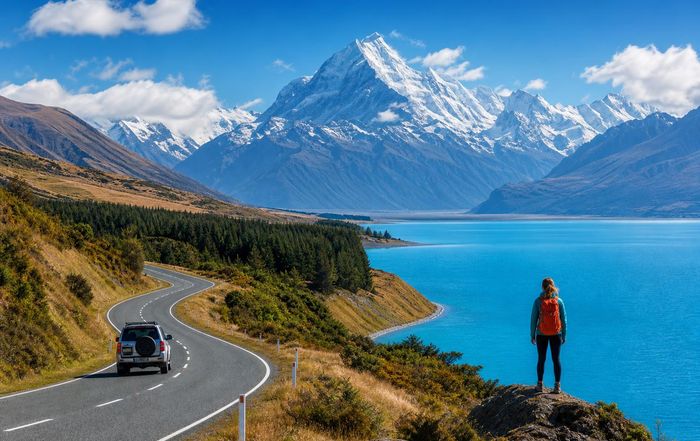
One of the most iconic routes is the drive from Christchurch through the Mackenzie Basin to Aoraki/Mount Cook National Park. This journey passes turquoise lakes such as Tekapo and Pukaki, whose distinctive color is caused by glacial flour suspended in the water. According to Department of Conservation (DOC) sources, the region is also part of the Aoraki Mackenzie International Dark Sky Reserve, one of the world's largest dark sky reserves, offering exceptional stargazing opportunities. Travelers can explore accommodation options ranging from lakeside motels to alpine lodges via WorldWeTravel's hotel guide at worldwetravel.com/hotels, allowing them to stay close to key trailheads and observatories.
Further south, the drive from Queenstown to Milford Sound/Piopiotahi has become a bucket-list experience for many visitors. The route, which passes through Te Anau and the Fiordland National Park, features mirror-like lakes, beech forests, and the engineering marvel of the Homer Tunnel. Due to heavy rainfall and the risk of avalanches in certain seasons, the NZ Transport Agency and DOC recommend checking road and weather conditions before departure and considering guided coach-and-cruise combinations, which can reduce driving stress while still providing access to viewpoints and walking tracks. Scientific and conservation organizations such as Fiordland Conservation Trust and Predator Free 2050 Ltd highlight the region's ecological importance and ongoing efforts to protect native bird species from introduced predators.
The West Coast, stretching from Westport to Haast, offers one of the most atmospheric coastal drives in the country. Here, travelers encounter wild beaches, limestone formations such as Punakaiki's Pancake Rocks, and access roads to the Franz Josef and Fox Glaciers. Research from NIWA (National Institute of Water and Atmospheric Research) and DOC documents how these glaciers have been retreating over recent decades, altering access routes and prompting a shift toward helicopter-assisted experiences and valley walks that prioritize safety and environmental stewardship. Travelers who value low-impact tourism can explore eco-focused itineraries through worldwetravel.com/eco, which emphasizes responsible operators and conservation partnerships.
Outdoor Adventures for Every Traveler
New Zealand's reputation as an outdoor playground is underpinned by a sophisticated network of walking tracks, cycle trails, and adventure providers that cater to a wide range of abilities and interests. The Department of Conservation manages the country's Great Walks, including the Tongariro Northern Circuit, the Routeburn Track, and the Milford Track, which are internationally recognized for their scenery and well-maintained infrastructure. These multi-day hikes require advance bookings, especially in peak season, and walkers are encouraged to prepare using official DOC guidelines on equipment, weather, and safety.
For travelers who prefer shorter excursions, many regions offer day walks and family-friendly trails that can be accessed directly from scenic drives. The New Zealand Walking Access Commission and regional tourism organizations provide maps and etiquette information, including guidance on respecting private land and sensitive ecosystems. Families planning multi-stop itineraries can integrate these walks with rest days, wildlife encounters, and cultural visits by drawing on the planning tools at worldwetravel.com/travel, which help balance activity levels for different age groups.
Adventure sports remain a defining feature of the New Zealand experience. Queenstown, often described as the "adventure capital," hosts commercial bungy jumping, jet boating, canyon swings, and skydiving, with safety standards overseen by regulatory frameworks such as Adventure Activities Regulations administered by WorkSafe New Zealand. Independent assessments and media coverage have noted that the country has strengthened its adventure tourism safety systems over the past decade, and reputable operators provide detailed briefings and equipment checks. Mountain biking has also grown significantly, with trail networks in Rotorua's Whakarewarewa Forest, Wellington's Makara Peak, and the South Island's Alps 2 Ocean and Old Ghost Road drawing both domestic and international riders. The New Zealand Cycle Trail (Ngā Haerenga) initiative, supported by the government and local partners, promotes multi-day rides that combine rural hospitality, heritage sites, and natural scenery.
Water-based adventures are equally diverse, ranging from sea kayaking in Abel Tasman National Park to white-water rafting on rivers such as the Rangitīkei and Shotover. Surfing hotspots in Raglan, Piha, and the lower North Island attract enthusiasts who appreciate consistent swells and a laid-back culture, while sailing and boating opportunities in the Bay of Islands and Marlborough Sounds allow for more tranquil exploration. Organizations such as Surf Life Saving New Zealand and Maritime New Zealand provide safety advice and beach flag systems that visitors are urged to follow, particularly in remote or less patrolled areas.
Family-Friendly Nature Experiences
For families, New Zealand offers a rare combination of manageable distances, child-friendly attractions, and nature experiences that can be tailored to different ages and comfort levels. Wildlife sanctuaries such as Zealandia Te Māra a Tāne in Wellington and Orokonui Ecosanctuary near Dunedin provide accessible introductions to native species like kākā, tuatara, and little spotted kiwi, while also explaining the conservation challenges posed by introduced predators. These sanctuaries often collaborate with research institutions and community groups, and their websites present verifiable information about species recovery programs and habitat restoration.
Many coastal drives incorporate opportunities to see marine wildlife, including dolphins, seals, and, in some regions, whales. Kaikōura, located on the South Island's east coast, is particularly known for its deep underwater canyon and nutrient-rich waters that attract sperm whales and other marine life, and operators there work under permits guided by Department of Conservation regulations to minimize disturbance. Families can combine such excursions with stops at playgrounds, picnic sites, and short walks, creating itineraries that are both educational and relaxing. Planning tools and suggested family routes on worldwetravel.com/family support travelers in aligning these experiences with school holidays and seasonal conditions.
Farm stays and agritourism also play a role in family travel. Working farms across regions like Canterbury, Waikato, and Otago invite guests to feed animals, learn about sustainable agriculture, and understand how climate and global markets influence rural livelihoods. Organizations such as Beef + Lamb New Zealand and DairyNZ publish data and educational resources that give context to these visits, highlighting the sector's efforts to improve environmental performance and animal welfare. For many children, these experiences create lasting memories that connect food, landscapes, and culture in a tangible way.
Wellness, Retreats, and Slow Travel
Beyond adrenaline and sightseeing, New Zealand has increasingly positioned itself as a destination for wellness, retreats, and restorative travel, trends that have gained momentum in the mid-2020s as travelers seek experiences that support mental and physical health. Geothermal spa towns like Rotorua and Hanmer Springs pair scenic drives with mineral pools, massage therapies, and forest walks, while luxury lodges and eco-retreats in regions such as the Bay of Islands, Central Otago, and Marlborough Sounds emphasize privacy, locally sourced cuisine, and personalized outdoor activities.
Global wellness organizations, including the Global Wellness Institute, have cited New Zealand as an example of a country that integrates nature-based wellness with strong environmental stewardship and indigenous knowledge. Many retreat operators collaborate with local guides and practitioners to incorporate Māori perspectives on wellbeing, which emphasize balance between people, land, and community. Travelers interested in such experiences can explore curated retreat suggestions at worldwetravel.com/retreat, where itineraries often combine yoga, guided meditation, and gentle hikes with opportunities for digital detox and mindful reflection.
Slow travel principles, which encourage longer stays in fewer places, align well with New Zealand's regional diversity and sustainability goals. Instead of attempting to "see everything" in a short period, many travelers now choose to base themselves in one or two hubs, using scenic drives for day trips and focusing on deeper engagement with local communities. This approach can reduce travel fatigue, lower emissions, and provide more meaningful interactions, from farmers' markets and local festivals to community conservation projects.
Sustainable and Regenerative Travel Practices
Sustainability has moved to the center of New Zealand's tourism strategy, with public agencies, businesses, and communities working together to manage visitor impacts and protect fragile ecosystems. Tourism New Zealand promotes the Tiaki Promise, a visitor care code that encourages travelers to respect nature, drive carefully, and show consideration for local culture and communities. The Tiaki initiative is supported by airlines, rental car companies, and accommodation providers, who share its principles through in-flight videos, brochures, and digital content.
In parallel, the New Zealand Tourism Sustainability Commitment, developed by Tourism Industry Aotearoa (TIA), sets goals for economic, environmental, and social sustainability across the tourism sector. Many operators now track their carbon footprints, invest in predator control or tree-planting initiatives, and work with local iwi (tribes) to ensure that tourism benefits are shared. Independent research from institutions such as Victoria University of Wellington and Lincoln University has examined both the progress and challenges in this area, noting that while there is significant momentum, ongoing efforts are needed to address emissions from long-haul flights and infrastructure pressures in popular destinations.
Travelers can support these goals by choosing certified operators, minimizing waste, and favoring experiences that contribute to conservation and community wellbeing. Eco-labels and certifications, such as Qualmark's sustainable tourism awards, help identify businesses that meet high standards. WorldWeTravel provides additional guidance at worldwetravel.com/eco, where readers can learn more about sustainable business practices and how to integrate them into their own travel decisions. Simple actions, such as carrying reusable bottles, staying on marked tracks, and respecting wildlife viewing distances, collectively make a measurable difference.
The Role of Technology in Modern Road Trips
Technology has transformed the way travelers plan and experience New Zealand's scenic drives, enhancing safety, navigation, and storytelling. Digital mapping tools and GPS-enabled apps provide real-time routing, traffic updates, and estimated arrival times, while official apps from organizations like MetService offer accurate weather forecasts that are crucial in alpine and coastal areas prone to rapid changes.
Electric vehicles (EVs) are increasingly visible on New Zealand roads, supported by a growing network of public charging stations documented by sources such as ChargeNet and EECA (Energy Efficiency and Conservation Authority). While the EV charging network is denser in urban areas and along main highways, planning ahead allows environmentally conscious travelers to complete many popular routes with minimal emissions. WorldWeTravel's technology-focused content at worldwetravel.com/technology explores how navigation tools, safety apps, and digital translation services can enhance accessibility and confidence for international visitors.
Social media and digital storytelling also shape modern road trips, with travelers sharing real-time updates, photography, and video content from viewpoints, trails, and cultural events. While this connectivity can inspire others and support local businesses, authorities and researchers have also raised concerns about overcrowding at specific sites promoted through viral posts. To address this, regional tourism organizations collaborate with platforms and influencers to highlight lesser-known attractions and encourage dispersal across seasons and locations, thereby reducing pressure on fragile environments.
Health, Safety, and Responsible Enjoyment
Travelers exploring New Zealand's outdoors benefit from a strong focus on health and safety, underpinned by coordinated emergency services and public education campaigns. New Zealand Police, St John Ambulance, and Rescue Coordination Centre New Zealand work together to respond to incidents on roads, trails, and waterways, while organizations like Mountain Safety Council and Water Safety New Zealand provide accessible advice on trip planning, equipment, and risk assessment.
Before embarking on remote drives or hikes, visitors are encouraged to check weather forecasts, inform others of their plans, and carry basic emergency supplies. For higher-risk activities such as alpine climbing, backcountry skiing, or multi-day tramping outside the Great Walks network, DOC and Mountain Safety Council resources recommend detailed preparation, including avalanche awareness and navigation skills. Health authorities such as Te Whatu Ora - Health New Zealand offer guidance on sun protection, hydration, and managing pre-existing conditions while traveling, emphasizing that ultraviolet radiation can be intense even on cooler days.
The health-oriented content at worldwetravel.com/health complements these official resources by helping travelers think holistically about wellbeing on the road, including sleep, nutrition, and mental health. By approaching scenic drives and outdoor adventures with respect for their own limits and the environments they visit, travelers can enjoy New Zealand's landscapes with confidence and care.
Crafting a New Zealand Journey with Us
New Zealand represents more than a collection of postcard views; it is a living, evolving destination where natural beauty, indigenous culture, and contemporary innovation intersect. Scenic drives weave together volcanic plateaus, fjords, vineyards, and cities, while outdoor adventures range from tranquil forest walks to world-class adventure sports. Families, solo travelers, business visitors, and wellness seekers alike can find experiences that match their interests and values, particularly when they draw on curated resources such as worldwetravel.com/travel, worldwetravel.com/tips, and worldwetravel.com/business to shape their itineraries.
As global travel patterns continue to evolve in 2026, New Zealand's commitment to sustainability, safety, and cultural authenticity offers a compelling blueprint for future-focused tourism. By choosing routes that spread benefits across regions, engaging respectfully with local communities, and supporting operators who invest in conservation and wellbeing, travelers can ensure that the scenic drives and outdoor adventures they enjoy today remain vibrant and accessible for generations to come. For those ready to begin planning, we aim to stand as a trusted site, connecting inspiration with practical guidance and helping each journey through Aotearoa become both personally enriching and positively impactful.