

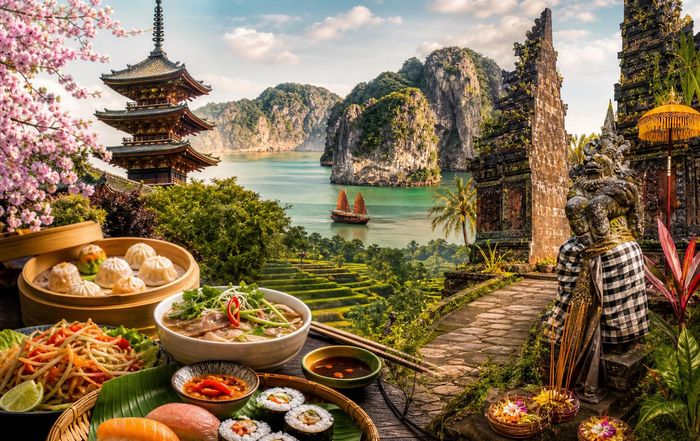
Best Asian Destinations for Food, Nature and Cultural Travel
Asia has long been a continent where ancient traditions coexist with fast-moving modernity, where culinary heritage is preserved in humble street stalls and refined in Michelin-starred dining rooms, and where some of the world's densest megacities sit within a short journey of pristine rainforests, coral reefs and high mountain passes. For travelers planning their next journey with WorldWeTravel, the region offers a remarkably rich canvas for food-driven exploration, nature immersion and cultural discovery, with countries investing heavily in sustainable tourism, improved infrastructure and heritage preservation.
As travel has resumed across borders and new routes and experiences have opened, discerning visitors are looking beyond the obvious landmarks to seek authentic flavors, quieter landscapes and deeper encounters with local communities. From the night markets of Thailand and the tea fields of Japan to the karst peaks of Vietnam and the temples of India and Cambodia, the best Asian destinations today reward curiosity and respect, offering experiences that can be both transformative and responsible.
This article highlights leading destinations across Asia through three interwoven lenses-food, nature and culture-while emphasizing reliable information, sustainability and the type of immersive journeys that align with the ethos of worldwetravel and its readers.
Culinary Journeys: Asia's Great Food Destinations
Food is often the most immediate and memorable entry point into a culture, and Asia's culinary diversity is unmatched. Major organizations such as UNESCO, World Tourism Organization (UNWTO) and respected guides like Michelin and The World's 50 Best Restaurants consistently recognize Asian cities for their gastronomic excellence, while local governments increasingly support food heritage as a key part of cultural identity and tourism.
Thailand: Street Food Capitals and Regional Flavors
Thailand's reputation as a food lover's paradise is supported by extensive coverage from sources such as Tourism Authority of Thailand, UNESCO and independent culinary media. Bangkok's street food culture, highlighted in multiple Michelin Guide editions, remains one of the most vibrant in the world, with districts such as Yaowarat (Chinatown) and Bang Rak offering everything from charcoal-grilled satay and boat noodles to refined royal Thai cuisine.
Chiang Mai in the north provides a contrasting culinary landscape where khao soi, herb-laden sausages and fermented pork reflect the region's Lanna heritage and cross-border influences from Myanmar and Laos. Coastal areas like Phuket and Krabi, recognized in UNESCO's Creative Cities of Gastronomy network and regional food studies, showcase seafood dishes with Peranakan and Malay flavors, making them ideal for travelers who wish to combine beaches with culinary immersion.
Visitors planning multi-city itineraries can use WorldWeTravel's dedicated destinations guide and broader travel resources to compare seasonal conditions, local festivals and food experiences, ensuring that time in Thailand balances urban energy with quieter coastal or countryside stays.
Japan: From Sushi Counters to Rural Kaiseki
Japan's culinary reputation is underpinned by meticulous documentation from organizations such as Japan National Tourism Organization (JNTO), the Michelin Guide, and academic research into washoku, which UNESCO inscribed as Intangible Cultural Heritage. Cities including Tokyo, Osaka and Kyoto are frequently cited among the world's top food destinations by sources like The World's 50 Best Restaurants and Eater, not only for fine dining but for everyday excellence in ramen, tempura, yakitori and convenience-store snacks.
Tokyo's dense constellation of small sushi counters, izakaya and specialty shops allows travelers to explore hyper-focused crafts such as soba making or tempura frying. Kyoto's kaiseki cuisine, with its seasonal and often temple-influenced dishes, connects directly to Zen Buddhism, local agriculture and centuries-old etiquette. Osaka, often described by domestic tourism sources as the "nation's kitchen," offers a more relaxed and boisterous street-food scene centered on takoyaki and okonomiyaki.
For travelers who wish to connect food with nature, rural regions like Hokkaido and the Japanese Alps provide farm-to-table experiences, onsen ryokan stays and access to artisanal producers of miso, sake and cheese. Those planning family-friendly itineraries can turn to WorldWeTravel's family travel section to identify areas where culinary curiosity can be balanced with child-friendly attractions and outdoor activities.
Singapore and Malaysia: Multicultural Food Gateways
The city-state of Singapore and neighboring Malaysia offer some of the most accessible introductions to Southeast Asian flavors, supported by reliable infrastructure, English-language signage and extensive coverage in outlets like CNN Travel, National Geographic, and UNESCO cultural listings. Singapore's hawker culture, recognized as Intangible Cultural Heritage, brings together Chinese, Malay, Indian and Peranakan influences in highly regulated yet affordable food centers, making it easy for visitors to sample dishes such as Hainanese chicken rice, laksa and roti prata in a single afternoon.
Malaysia's capital Kuala Lumpur and cities like Penang and Malacca extend this diversity in more informal settings. Penang, often cited by food writers and organizations such as Lonely Planet as one of Asia's street-food capitals, is particularly appealing for travelers who want to explore food within a historic urban landscape of shophouses, temples and colonial architecture. Here, char kway teow, nasi kandar and Nyonya dishes reflect centuries of migration and trade across the Malacca Strait.
Travelers interested in understanding how multicultural food systems intersect with urban planning and sustainability can explore further analysis through platforms such as World Resources Institute and then use WorldWeTravel's tips hub to translate that knowledge into practical choices about where and how to eat responsibly.
India: Regional Cuisines and Spice Routes
India's culinary landscape is so diverse that it is more accurate to speak of Indian cuisines rather than a single national food culture. Research from UNESCO, FAO, and numerous academic studies highlights how regional climates, religious traditions and historical trade routes have shaped dishes from Kashmir to Kerala. Cities like Delhi, Mumbai, Kolkata and Hyderabad are recognized by outlets such as BBC Travel and The Guardian for their rich street-food scenes, while smaller centers such as Lucknow and Amritsar attract visitors for specific traditions like Awadhi kebabs or Punjabi tandoori cooking.
Southern states including Tamil Nadu and Kerala offer distinctly different culinary experiences, with rice-based breakfasts, coconut-rich curries and vegetarian temple meals that appeal to health-conscious travelers and those interested in Ayurveda. Coastal regions along the Konkan and Malabar coasts provide seafood specialties and opportunities to visit spice plantations, connecting contemporary travel directly to the historic spice routes that shaped global trade.
For travelers using WorldWeTravel as a planning base, combining information from national tourism boards, reputable health organizations like the World Health Organization and the site's own health-focused travel guidance can help ensure that culinary adventures are safe, enjoyable and aligned with individual dietary needs.
Nature Immersion: Mountains, Forests and Seas
Asia's natural diversity is extraordinary, encompassing the Himalayas, tropical rainforests, coral reefs and highland tea terraces. Conservation groups such as the World Wide Fund for Nature (WWF) and International Union for Conservation of Nature (IUCN) emphasize that many of these ecosystems are under pressure from climate change, over-tourism and urban expansion; however, they also highlight positive examples where responsible travel supports local livelihoods and biodiversity.
Vietnam: Karst Landscapes and Coastal Ecosystems
Vietnam has emerged as a leading destination for travelers seeking a blend of dramatic scenery, cultural depth and evolving culinary scenes. Ha Long Bay, a UNESCO World Heritage Site, is well known for its limestone karsts and islands, but in recent years authorities and environmental groups have drawn attention to the need for stricter waste management and visitor caps, as reported by outlets like Reuters and Al Jazeera. Nearby Bai Tu Long Bay and the less visited Lan Ha Bay offer quieter alternatives that many eco-minded travelers now prefer.
Inland, the karst landscapes and river caves of Phong Nha-Ke Bang National Park, documented by UNESCO and adventure organizations, provide opportunities for guided caving, jungle trekking and community-based tourism. Central and southern Vietnam's coastal zones, including Hoi An, Da Nang and the islands of Con Dao and Phu Quoc, offer beaches, mangroves and coral reefs, though travelers should pay attention to current guidance on reef health and responsible snorkeling or diving practices from sources such as Coral Reef Alliance and local conservation NGOs.
WorldWeTravel's eco-travel section encourages visitors to choose certified sustainable operators, stay in accommodations that minimize plastic use, and support community-run homestays in rural areas, thereby ensuring that nature experiences in Vietnam contribute to long-term environmental resilience.
Japan and South Korea: Four Seasons in the Mountains
Beyond their dynamic cities, Japan and South Korea offer some of the most accessible mountain and forest experiences in East Asia, supported by strong public transport networks and well-maintained trails. Japan's national parks, detailed by the Ministry of the Environment of Japan and organizations like Nature Conservation Society of Japan, range from the volcanic peaks and caldera lakes of Hokkaido to the subtropical forests of Yakushima, another UNESCO World Heritage Site famous for its ancient cedar trees.
South Korea's Seoraksan and Jirisan National Parks, featured by Korea Tourism Organization, provide dramatic granite peaks, autumn foliage and temple stays that appeal to hikers and those seeking contemplative retreats. Both countries have invested in trail signage, visitor centers and rescue services, making them suitable for travelers with varying levels of hiking experience, including families and older visitors.
Travelers who want to integrate nature with wellness can explore WorldWeTravel's retreat-oriented content, which highlights onsen communities in Japan, temple and meditation retreats in Korea, and ways to combine outdoor activity with restorative practices such as forest bathing, yoga and traditional spa therapies.
Nepal and Bhutan: High-Altitude Adventures and Spiritual Landscapes
For those drawn to high mountains and spiritual heritage, Nepal and Bhutan remain among the most compelling destinations. Nepal's trekking routes in the Annapurna and Everest regions are extensively documented by organizations such as Nepal Tourism Board, Trekking Agencies' Association of Nepal, and international mountaineering bodies, which track changes in glacier conditions, weather patterns and trail infrastructure. Over the past decade, there has been a concerted push to regulate trekking permits and encourage more equitable distribution of tourism revenue to local communities.
Bhutan, known for its Gross National Happiness philosophy and cautious approach to tourism, maintains a regulated daily tourism fee and emphasizes high-value, low-volume travel, as outlined by the Tourism Council of Bhutan. This policy, while sometimes debated in terms of its economic impact and accessibility, has helped preserve cultural integrity and environmental quality, particularly in fragile Himalayan ecosystems.
Travelers inspired by these destinations should consult up-to-date safety and environmental information from sources such as UN Environment Programme and reputable mountaineering organizations, then use WorldWeTravel's global travel insights to understand how high-altitude journeys fit into broader trends in adventure and sustainable tourism.
Indonesia and the Philippines: Islands, Reefs and Volcanoes
The archipelagic nations of Indonesia and the Philippines offer extraordinary opportunities for marine and volcanic exploration. Indonesia's Komodo National Park, Raja Ampat and Bali's neighboring islands are regularly highlighted by conservation organizations and dive communities as biodiversity hotspots, though they also face challenges from coral bleaching and tourism pressure. The Indonesian government, in consultation with UNESCO and marine scientists, has periodically adjusted visitor regulations in sensitive areas, illustrating the dynamic nature of conservation policy.
The Philippines, with well-known destinations such as Palawan and Cebu, is likewise celebrated in sources like Conservation International and WWF for its marine life, while also grappling with issues such as coastal development and plastic pollution. Both countries offer volcano trekking opportunities, from Mount Bromo and Mount Rinjani in Indonesia to Mount Mayon and Mount Pinatubo in the Philippines, where travelers must pay close attention to official safety advisories due to the inherently unpredictable nature of volcanic activity.
WorldWeTravel's hotels and stays guide can help travelers identify eco-conscious lodges and resorts that support reef restoration, mangrove protection and community-based tourism, thereby ensuring that time on these islands contributes positively to both local economies and fragile ecosystems.
Cultural Immersion: Heritage, Traditions and Contemporary Life
While food and nature are often the most visible aspects of a journey, many travelers ultimately remember the cultural exchanges, stories and rituals that give destinations their unique character. Asia's cultural landscapes encompass ancient temples, historic trade routes, living craft traditions and rapidly evolving creative scenes in film, design and technology.
India, Sri Lanka and the Himalayan Foothills: Living Heritage
India's cultural depth is widely documented by UNESCO, national institutions like the Archaeological Survey of India, and international scholarship. The Golden Triangle of Delhi, Agra and Jaipur introduces visitors to Mughal architecture, Rajput forts and bustling bazaars, while cities such as Varanasi and Rishikesh along the Ganges provide windows into Hindu rituals, classical music and yoga traditions. In recent years, there has been growing interest in heritage walks, craft tours and homestays that allow travelers to engage directly with artisans, musicians and storytellers, often facilitated by local NGOs and social enterprises.
Sri Lanka, recovering from periods of political and economic instability, has been cautiously welcoming back international visitors, with organizations like Sri Lanka Tourism Development Authority emphasizing community-based tourism and cultural preservation. Ancient cities such as Anuradhapura and Polonnaruwa, along with the hill country's tea estates and Kandy's temple traditions, provide a compact yet rich introduction to South Asian heritage.
Travelers can look to WorldWeTravel's culture-focused articles for guidance on respectful behavior at religious sites, appropriate dress codes, and ways to support local communities through responsible purchasing of crafts and services.
Southeast Asia's Temple Cities: Angkor, Bagan and Beyond
The monumental temple complexes of Angkor in Cambodia and Bagan in Myanmar are among Asia's most iconic cultural landscapes, documented extensively by UNESCO, archaeological institutes and conservation organizations. Angkor Wat and its surrounding temples, while facing issues of over-tourism and water management, remain accessible through well-regulated ticketing systems and increasingly sophisticated visitor management plans. Conservation bodies have emphasized the importance of staying on marked paths and respecting restoration work, themes that responsible travelers can integrate into their itineraries.
Bagan, which gained UNESCO World Heritage status in 2019, has faced challenges related to earthquake damage, past restoration practices and political instability in Myanmar. Reliable travel advisories from national foreign ministries and organizations like International Crisis Group should be consulted carefully, as conditions can change. For those able to visit safely and responsibly, sunrise and sunset views over the plain of temples, along with encounters with local artisans and monastic communities, can be profoundly moving.
WorldWeTravel's travel planning pages encourage visitors to balance time at major landmarks with visits to lesser-known sites and villages, spreading economic benefits and reducing pressure on the most famous monuments.
China and the Silk Roads: History and Modernity
China's vast territory and long history mean that travelers can experience everything from ancient Silk Road towns to hyper-modern megacities in a single journey. Historic centers such as Xi'an, with its Terracotta Army, and the classical gardens of Suzhou are well documented by UNESCO and Chinese cultural authorities, while contemporary cities like Shanghai and Shenzhen showcase cutting-edge architecture, design and technology.
The revival of interest in the Silk Roads, supported by UNESCO's Silk Roads Programme and academic research, has highlighted cities in western China and neighboring Central Asian states where caravan routes once facilitated exchanges of goods, ideas and religions. While infrastructure improvements have made some of these regions more accessible, travelers must pay close attention to current political and security conditions, as well as cultural sensitivities.
To understand how these historical and contemporary forces shape travel, readers can explore WorldWeTravel's technology section and work and business travel insights, which examine how high-speed rail, digital payment systems and remote work trends are changing the way visitors move through and experience China's cities and landscapes.
Japan, South Korea and Urban Culture
In addition to their natural and culinary appeal, Japan and South Korea are global cultural powerhouses in media, fashion and design. Tokyo's neighborhoods, from Shibuya and Shinjuku to Asakusa and Yanaka, juxtapose neon-lit skyscrapers with traditional temples and wooden houses, while Seoul's districts such as Hongdae and Bukchon Hanok Village blend K-pop culture, street art and preserved hanok architecture. Organizations like Japan Foundation and Korea Foundation support cultural exchanges that help travelers understand these societies beyond surface-level trends.
Museums such as Tokyo National Museum, Seoul's National Museum of Korea and contemporary art spaces like Mori Art Museum and Leeum Museum of Art provide structured introductions to history and creative expression. Meanwhile, everyday cultural experiences-public baths, tea ceremonies, night markets, baseball games and K-pop concerts-offer more informal yet equally revealing insights into contemporary life.
Travelers using WorldWeTravel's work-and-travel resources can explore how digital nomadism and long-stay visas intersect with these cultural environments, enabling deeper engagement with local communities through language study, volunteering or co-working spaces.
Practical Inspiration for Responsible Asian Travel
Across Asia, governments, local communities and international organizations are increasingly aligned around the idea that tourism must support cultural preservation, environmental protection and inclusive economic development. Reports from bodies such as UNWTO, World Bank and OECD highlight both the opportunities and challenges that tourism brings, from job creation and infrastructure investment to overtourism and ecological stress.
Travelers planning journeys with WorldWeTravel can play a constructive role in this evolving landscape by favoring off-peak travel periods, spending more time in fewer destinations, and supporting locally owned accommodations, guides and restaurants. Internal resources such as the site's economy and travel trends pages and comprehensive global overview help readers understand how their choices influence not just their personal experiences but also the livelihoods and environments of host communities.
From the food stalls of Bangkok and hawker centers of Singapore to the cedar forests of Yakushima, the rice terraces of Vietnam and the monasteries of Bhutan, Asia offers an extraordinary array of experiences for those seeking food, nature and cultural travel. By combining trustworthy information from international organizations, national tourism boards and on-the-ground reporting with the curated guidance available through worldwetravel, travelers can design journeys that are not only memorable and inspiring, but also respectful, sustainable and deeply connected to the people and places they encounter.