

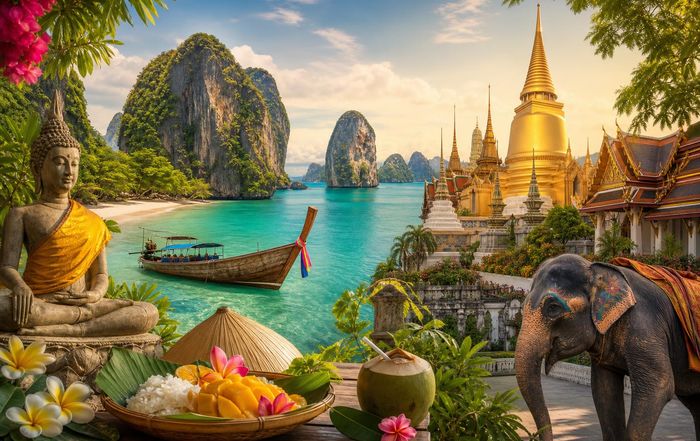
Thailand Travel Guide to Islands, Temples and Local Culture
Thailand has long held a magnetic appeal for travelers seeking a harmonious blend of tropical landscapes, spiritual heritage and vibrant everyday life. From the limestone karsts of the Andaman Sea to the golden spires of mountain temples and the hum of night markets in Bangkok's neighborhoods, the country offers an unusually rich combination of experiences within a relatively compact geography. For readers of WorldWeTravel, Thailand represents not only a classic destination for first-time visitors to Asia but also a country that rewards repeat journeys with deeper cultural immersion, regional diversity and opportunities to travel more sustainably and thoughtfully.
Understanding Thailand's Regional Diversity
Thailand stretches from the dense jungles and misty mountains of the north to the coral-fringed islands of the south, with a central plain and eastern seaboard that have shaped the nation's history and economy. Travelers who understand this regional diversity are better placed to craft itineraries that balance relaxation, cultural discovery and family-friendly adventure.
The capital, Bangkok, sits along the Chao Phraya River and functions as the country's political, commercial and cultural hub. Its modern skyline, extensive public transit and thriving street food scene make it an ideal starting point for exploring Thailand's wider destinations. To the north, the historic cities of Chiang Mai and Chiang Rai provide gateways to hill forests, national parks and communities of diverse ethnic groups, while in the northeast, the Isan region offers a more rural experience with ancient Khmer ruins and a strong culinary identity that is increasingly recognized internationally.
Southern Thailand, stretching down the Malay Peninsula, is best known for its islands and beaches in the Andaman Sea and the Gulf of Thailand. Areas such as Phuket, Krabi, Koh Samui and the Similan Islands have become global bywords for tropical escapes, yet many quieter islands and coastal communities still retain a slower rhythm and traditional livelihoods focused on fishing, rubber and coconut cultivation. This variety means that travelers can design trips tailored to family travel, wellness retreats, cultural immersion or business-related journeys while staying within a single country.
For an overview of how Thailand fits into broader global travel patterns and changing visitor expectations, readers may wish to explore the regional perspectives presented on WorldWeTravel's global travel insights.
Island Escapes: Andaman Sea and Gulf of Thailand
Thailand's islands have been central to its tourism story for decades, and they continue to evolve as authorities and local communities balance visitor demand with environmental protection. The Andaman Sea, on the country's western flank, is home to some of the most photographed coastal scenery in the world, including the limestone cliffs of Phang Nga Bay and the beaches of Railay and Phi Phi Islands. Official information from the Tourism Authority of Thailand on thailandtravel.or.th and conservation-focused organizations such as IUCN confirm that certain national marine parks have introduced seasonal closures and visitor limits to allow coral reefs and marine ecosystems to recover, a trend mirrored elsewhere in Southeast Asia.
Travelers heading to the Andaman coast increasingly divide their time between well-developed hubs like Phuket, with its extensive hotel infrastructure and international connectivity, and quieter islands such as Koh Lanta or Koh Yao Noi, where community-based tourism projects and smaller eco-resorts are more prevalent. Those interested in the environmental aspects of island tourism can learn more about marine conservation efforts in the region through resources from UNEP on coastal ecosystem protection and from UNESCO regarding biosphere reserves and World Heritage marine sites on unesco.org.
On the eastern side of the peninsula, the Gulf of Thailand offers a different island character. Koh Samui, Koh Phangan and Koh Tao have become familiar names for travelers from the United States, Europe and Australia, each with a distinct identity. Samui combines upscale resorts, family-friendly beaches and a growing wellness scene; Phangan is known for both its party culture and increasingly sophisticated yoga and meditation retreats; Tao has built a reputation as a hub for scuba diving training and coral reef exploration. Safety and quality standards for diving are supported by organizations such as PADI, which provides guidance on responsible dive practices on padi.com, and travelers are encouraged to verify that operators follow internationally recognized safety protocols.
For those planning island-focused itineraries, WorldWeTravel provides curated guidance on beach and island hotels and practical travel tips, helping visitors choose properties and routes that align with their preferences and values, whether that means family-oriented resorts, eco-conscious bungalows or boutique hotels suitable for remote work.
Temples, Heritage and the Spiritual Landscape
Beyond the beaches, Thailand's temples and historic sites offer a window into the country's religious traditions, artistic heritage and political history. The majority of the population practices Theravada Buddhism, and temples, or "wats," function not only as religious centers but also as community hubs and guardians of cultural memory.
Bangkok's Wat Phra Kaew and the adjoining Grand Palace stand at the symbolic heart of the nation, housing the revered Emerald Buddha and showcasing intricate mural paintings that depict scenes from the Ramakien, Thailand's national epic. Nearby, Wat Pho is recognized for its reclining Buddha statue and for its historical role in traditional Thai massage and medicine; the UNESCO-listed documentary heritage relating to Thai traditional massage underscores its cultural significance, and visitors can explore more about this on unesco.org. Across the river, Wat Arun presents a striking riverside silhouette, especially at sunrise and sunset, and reflects the influence of earlier Ayutthaya and Khmer architectural styles.
Historic cities such as Ayutthaya and Sukhothai, both designated UNESCO World Heritage Sites, allow travelers to walk among the ruins of former capitals, where stone Buddha images, prang towers and lotus-bud chedis testify to centuries of regional trade, warfare and cultural exchange. Official information on these sites, including conservation status and visitor guidelines, is available on UNESCO's World Heritage Centre pages at whc.unesco.org. Archaeologists and historians continue to refine understanding of these ancient kingdoms, and while some interpretations of specific structures remain debated in academic literature, there is broad consensus about their central role in the formation of the Thai state and in the spread of Theravada Buddhism from Sri Lanka and the Mon regions.
In the north, Chiang Mai's old city is ringed by historic temples such as Wat Phra Singh and Wat Chedi Luang, while Wat Phra That Doi Suthep, perched on a mountain overlooking the city, is one of the country's most visited pilgrimage sites. The combination of forested surroundings, views over the valley and the rhythmic chanting of resident monks offers a powerful experience even for those who do not share the Buddhist faith. Travelers interested in the broader context of Buddhism in Southeast Asia may find useful background from Oxford Bibliographies on Buddhism in Southeast Asia and from Britannica's overview of Theravada Buddhism.
For visitors using WorldWeTravel to plan culture-centered itineraries, the platform's dedicated culture section can help integrate temple visits with local festivals, traditional arts and culinary experiences, providing a holistic perspective that goes beyond sightseeing.
Everyday Culture: Food, Markets and Festivals
Thailand's cultural appeal is not limited to monumental architecture; it is equally present in daily rituals, food culture and seasonal celebrations. Street food has become one of the country's most recognizable cultural exports, and cities like Bangkok, Chiang Mai and Hat Yai are frequently highlighted in international food media. Guides from sources such as CNN Travel on Asian street food and National Geographic on global food cultures emphasize Thailand's balance of sweet, sour, salty and spicy flavors, as well as the role of fresh herbs and regional ingredients.
Night markets remain central to the urban experience, offering not only food but also clothing, handicrafts and informal entertainment. In Bangkok, areas such as Chinatown (Yaowarat) and Ratchada are known for their market culture, while in Chiang Mai, the Saturday Walking Street and Sunday Walking Street markets draw both locals and visitors. These environments provide opportunities to observe social interactions, support small vendors and sample regional specialties at relatively modest prices, though travelers are encouraged to consider food safety guidelines from organizations such as the World Health Organization on safe food practices.
Thailand's festival calendar adds another dimension to cultural immersion. Songkran, the traditional Thai New Year celebrated in April, is marked by water-related rituals that range from gentle pouring of scented water over elders' hands to exuberant street-wide water fights in major cities. Loi Krathong, usually in November, sees rivers and lakes illuminated by floating offerings made from banana leaves, flowers and candles, while in the north, the related Yi Peng festival involves the release of paper lanterns into the sky. Local authorities and environmental groups have raised concerns about the ecological impact of lanterns and non-biodegradable materials, leading to the promotion of more sustainable festival practices; organizations like WWF discuss such issues in broader terms on wwf.org.
For families planning multi-generational trips, festivals and markets offer accessible ways to experience culture without requiring specialist knowledge or extended travel into remote areas. WorldWeTravel's family travel guidance highlights how to incorporate these experiences while balancing rest, child-friendly activities and considerations such as noise levels and crowd management.
Sustainable and Eco-Conscious Travel in Thailand
As global awareness of climate change and biodiversity loss grows, Thailand's tourism sector has increasingly engaged with sustainability initiatives, though progress remains uneven across regions and industry segments. National parks and marine reserves have adopted stricter regulations on visitor numbers, waste management and wildlife interaction, particularly in sensitive areas such as Maya Bay in the Phi Phi Islands, where authorities previously closed the bay for several years to allow coral and beach ecosystems to regenerate. Reports from Thailand's Department of National Parks, Wildlife and Plant Conservation and independent coverage by organizations such as The Guardian and Reuters have documented both the ecological damage from over-tourism and the early signs of recovery following these measures.
Travelers who wish to support more responsible tourism practices can look for accommodations and tour operators that hold recognized certifications or participate in credible sustainability initiatives. International frameworks such as those promoted by the Global Sustainable Tourism Council on gstcouncil.org provide guidelines and accreditation for businesses that meet environmental and social criteria. In addition, certain hotels and resorts highlight their participation in energy efficiency programs, waste reduction efforts and community partnerships, and while marketing claims vary in reliability, third-party verification and transparent reporting are useful indicators of genuine commitment.
Ethical wildlife tourism is another important consideration. Elephant experiences have been central to Thailand's image, yet animal welfare organizations, including World Animal Protection on worldanimalprotection.org, have documented concerns about practices such as riding, performances and inadequate living conditions. In response, a growing number of sanctuaries and rehabilitation centers have shifted toward observation-based experiences where visitors can watch elephants forage and bathe without direct contact or forced behaviors. Cross-checking reviews, examining sanctuary policies and consulting independent animal welfare assessments can help travelers make informed choices.
The eco-focused resources on WorldWeTravel's sustainability section offer additional guidance on aligning personal travel habits with broader environmental goals, including advice on minimizing plastic use, choosing lower-impact transport options and supporting community-led initiatives across Thailand's islands and rural regions.
Wellness, Health and Retreat Travel
Thailand has established itself as a leading destination for wellness tourism, combining traditional healing practices, modern medical facilities and a hospitable climate that encourages outdoor living. From beachfront yoga retreats on Koh Samui to meditation centers in the forests around Chiang Mai, visitors can design trips that prioritize physical and mental health as much as sightseeing or leisure.
Traditional Thai massage, recognized for its stretching and acupressure techniques, is widely available, and reputable establishments often require therapists to have completed formal training programs. Resources from institutions like Chulabhorn Royal Academy and coverage in peer-reviewed journals indexed on PubMed via ncbi.nlm.nih.gov discuss the therapeutic potential and limitations of massage and complementary therapies, though they also emphasize that such treatments are not substitutes for conventional medical care when serious conditions are present.
Thailand's medical tourism sector, particularly in Bangkok and major regional cities, has gained international attention for its combination of relatively affordable costs and high-standard facilities. Hospitals such as Bumrungrad International Hospital and Bangkok Hospital have sought accreditation from organizations like Joint Commission International, whose standards are outlined on jointcommissioninternational.org. Travelers considering medical procedures abroad are advised to consult their home-country physicians, review hospital accreditation and understand potential risks, including follow-up care and insurance coverage.
For those seeking more contemplative experiences, numerous meditation centers and monastic retreats, some of which welcome international participants, offer structured programs ranging from weekend introductions to multi-week silent retreats. Guidelines and recommendations from Buddhist organizations such as Insight Meditation Society and regional spiritual networks can be useful starting points, although availability and conditions vary, and applicants are usually expected to adhere to clear codes of conduct. The retreat-focused content on WorldWeTravel helps readers evaluate which formats best align with their goals, whether they prioritize mindfulness, detox, fitness or broader lifestyle change.
Health-related travel also intersects with public health considerations such as vaccinations, food and water safety and heat management. Up-to-date guidance can be found on the World Health Organization's travel health pages and from national health agencies such as the U.S. Centers for Disease Control and Prevention on cdc.gov/travel. These sources provide evidence-based recommendations that travelers can discuss with healthcare providers before departure.
Practical Tips for Families, Remote Workers and Business Travelers
Thailand's infrastructure and connectivity make it attractive not only for vacationers but also for families, remote workers and business travelers. Major urban centers offer extensive hotel options, coworking spaces and reliable internet, while many islands and secondary cities have adapted to the needs of longer-stay visitors who blend work and leisure.
Families often prioritize safety, convenience and access to medical care, and cities like Bangkok, Chiang Mai and Hua Hin, as well as islands such as Phuket and Samui, provide a good mix of family-oriented attractions, international schools and hospitals. Resources from organizations like UNICEF on child-friendly cities can help parents think through broader issues of child safety and well-being, while WorldWeTravel's dedicated family travel insights offer destination-specific suggestions, including kid-friendly cultural activities and accommodation options with suitable facilities.
Remote workers and digital nomads are drawn to Thailand's relatively low cost of living in comparison with North America and Western Europe, alongside a growing ecosystem of coworking spaces and community events. Cities such as Chiang Mai and Bangkok are frequently mentioned in international rankings of remote work hubs, though methodologies and criteria differ among publications, and such rankings should be interpreted cautiously. Reliable information on visas and work permissions is best obtained from official sources such as the Royal Thai Embassy websites and Thailand's Ministry of Foreign Affairs on mfa.go.th. The work and travel section of WorldWeTravel discusses broader trends in location-independent work and how Thailand fits into this emerging landscape.
Business travelers continue to regard Bangkok as a key meeting point in Southeast Asia, with its extensive hotel conference facilities, modern transit links and role as a regional headquarters location for multinational companies. Organizations such as the World Bank on worldbank.org and the OECD on oecd.org provide data and analysis on Thailand's economic development, infrastructure investments and integration into global supply chains, which can be useful context for those combining corporate travel with broader regional strategy discussions. WorldWeTravel's business travel resources complement this macroeconomic perspective with practical advice on logistics, etiquette and meeting planning.
Regardless of traveler type, practical considerations such as seasonal weather patterns, local transport options and cultural etiquette remain important. Official meteorological data from the Thai Meteorological Department and climate summaries from agencies like NOAA on noaa.gov can help visitors understand the implications of monsoon seasons for beach and island travel, while WorldWeTravel's travel tips hub offers concise guidance on topics ranging from temple dress codes to bargaining norms in markets.
Looking Ahead: Thailand in a Changing Travel Landscape
As the global travel industry continues to adapt to technological innovation, environmental pressures and shifting traveler expectations, Thailand stands at an interesting crossroads. Digital tools have made it easier for visitors to discover lesser-known destinations, book local experiences and stay connected while on the move, yet they have also contributed to the rapid popularization of once-quiet locations. Developments in travel technology, including route-planning platforms, translation apps and digital payment systems, are reshaping how people move through the country; readers can explore these broader trends in WorldWeTravel's technology and travel section and through independent analyses from organizations such as The World Economic Forum on weforum.org.
At the same time, discussions about overtourism, carbon emissions and community impact are prompting both policymakers and travelers to reconsider what constitutes responsible travel. Initiatives to promote secondary cities, diversify tourism products and encourage longer, more immersive stays rather than rapid multi-destination itineraries are gaining attention in policy documents and industry forums. Reports from UNWTO on unwto.org and from regional organizations like ASEAN on asean.org highlight efforts to align tourism development with sustainability goals, though implementation varies and remains a work in progress.
For individual travelers, the most meaningful contribution often lies in everyday choices: selecting locally owned accommodations where possible, respecting cultural norms in temples and villages, minimizing waste on islands, and engaging with communities in ways that prioritize listening and learning over consumption. Thailand's enduring appeal rests not only on its scenery and monuments but also on the warmth of its people and the resilience of its cultural traditions, which have adapted over centuries to changing political and economic currents.
WorldWeTravel aims to be a trusted companion in this evolving landscape, offering readers the context, inspiration and practical tools needed to experience Thailand's islands, temples and local culture with curiosity, respect and a sense of shared responsibility. By combining authoritative information from international organizations, local expertise and on-the-ground insights, the platform supports travelers in crafting journeys that are enriching for themselves and beneficial for the destinations they visit.