

Mindfulness, Wellness, and the New Global Traveller: How Retreats Are Redefining Modern Life
Wellness Travel as a Strategic Choice, Not a Luxury
Mindfulness and wellness are no longer fringe interests or short-lived trends; they have become central pillars of how professionals, families, and organizations think about performance, resilience, and long-term health. Across North America, Europe, Asia-Pacific, and beyond, senior executives, entrepreneurs, remote workers, and multigenerational families now routinely integrate wellness retreats into their annual plans in the same way they once scheduled conferences or financial reviews. For the global audience of WorldWeTravel.com, which spans the United States, United Kingdom, Germany, Canada, Australia, France, Italy, Spain, Netherlands, Switzerland, China, Japan, Singapore, South Korea, and emerging hubs from Brazil to South Africa, wellness travel has become both a personal investment and a strategic business decision.
This shift is strongly supported by research from organizations such as the World Health Organization, which continues to highlight the rising burden of stress-related illness and mental health challenges worldwide, and the World Economic Forum, which consistently ranks well-being, psychological safety, and resilience among the most critical factors shaping the future of work. As global travellers seek destinations that do more than entertain, they now look for environments that restore mental clarity, strengthen physical health, and provide structured frameworks for sustainable lifestyle change. Those priorities align closely with the editorial mission of WorldWeTravel.com, where travel is framed not only as movement across borders but as a pathway to deeper self-knowledge and more conscious living.
Why Mindfulness and Wellness Matter More in 2026
The post-pandemic years, combined with geopolitical uncertainty, rapid technological disruption, and the continued blending of work and home life, have accelerated a profound re-evaluation of what "success" actually means. Professionals across sectors now recognize that high performance without recovery is unsustainable, and that mental clarity, emotional balance, and physical vitality are non-negotiable assets rather than optional extras. Reports from institutions such as Harvard Medical School and the Mayo Clinic have reinforced the evidence that mindfulness-based practices can reduce anxiety, improve sleep, and enhance cognitive performance, outcomes that resonate strongly with executives, founders, and knowledge workers navigating complex global markets.
At the same time, wellness has become a family and community concern. Parents in Canada, Australia, and Scandinavia, for example, are increasingly seeking destinations that support emotional regulation and digital balance for children and teenagers, while older travellers from Europe and Asia are looking for programs that address longevity, mobility, and chronic disease prevention. This is reflected in the growing interest in curated wellness journeys across family travel experiences and intergenerational retreats that allow different age groups to pursue tailored programs while still connecting around shared meals, nature excursions, and cultural experiences.
The Global Landscape of Mindfulness and Wellness Retreats
From the Himalayan foothills to Californian cliffs, from Balinese jungles to Mediterranean coastlines, the world's leading mindfulness and wellness retreats now operate at the intersection of tradition, innovation, and hospitality. Rather than simply listing destinations, it is more useful for discerning travellers and corporate decision-makers to understand how these retreats position themselves across several key dimensions: therapeutic depth, cultural authenticity, integration of medical science, environmental responsibility, and the capacity to support long-term habit change once guests return home.
In India, Thailand, and Bali, retreats such as Ananda in the Himalayas, Kamalaya, Chiva-Som, and Shambhala Estate draw on millennia-old systems like Ayurveda, yoga, and meditation, while integrating them with modern diagnostics and coaching. In Europe, properties such as Six Senses Douro Valley, SHA Wellness Clinic, Borgo Egnazia, and the Longevity Health & Wellness Hotel in Portugal's Algarve region exemplify a European approach that blends spa culture, integrative medicine, and culinary sophistication rooted in Mediterranean nutrition. In North America and Oceania, destinations such as the Esalen Institute, Canyon Ranch, Miraval Arizona, Golden Door, Lake Austin Spa Resort, Gwinganna Lifestyle Retreat, and Aro Ha in New Zealand focus strongly on personal growth, experiential learning, and nature immersion, often with a strong psychological and coaching element.
These retreats do not operate in isolation; they are part of a broader ecosystem that includes advances in digital health, wearable technology, and evidence-based interventions. Travellers increasingly consult resources such as the Global Wellness Institute to understand macro-trends in wellness tourism, while healthcare-focused travellers may refer to guidance from the National Institutes of Health or NHS in the United Kingdom when evaluating medical or integrative offerings. For the audience of WorldWeTravel.com/economy, wellness retreats also intersect with macroeconomic trends, influencing hospitality investment, regional development, and workforce productivity in key markets.
Experience and Expertise: What Sets Leading Retreats Apart
The most respected wellness retreats in 2026 distinguish themselves by their depth of expertise, the quality of their practitioners, and the coherence of their programs rather than simply by their aesthetics or price point. At Ananda in the Himalayas, for example, guests undergo detailed Ayurvedic consultations that inform personalized treatment plans combining herbal therapies, yoga, pranayama, and nutrition, a model that aligns with growing global interest in integrative and preventive medicine. Similarly, Vana in Dehradun has earned recognition for its disciplined approach to holistic living, blending Sowa Rigpa (Tibetan medicine), Ayurveda, yoga, and contemporary therapies in a setting that encourages digital disconnection and contemplative silence.
In Thailand, Kamalaya and Chiva-Som have become case studies in how to fuse Eastern healing traditions with Western clinical insight, offering structured programs for stress and burnout recovery, metabolic health, and emotional resilience. Their multidisciplinary teams often include physicians, naturopaths, TCM practitioners, psychologists, and movement specialists, reflecting a level of expertise that appeals to health-conscious travellers from Germany, Switzerland, Nordic countries, Singapore, and Japan, who are accustomed to rigorous standards in healthcare and wellness. Those seeking a deeper understanding of integrative health models often explore resources from organizations such as Cleveland Clinic or Stanford Medicine, then choose retreats whose philosophies align with those research-backed perspectives.
In the United States, destinations like the Esalen Institute in Big Sur and Canyon Ranch in Tucson have played foundational roles in the evolution of modern wellness culture. Esalen's legacy in human potential, somatic therapies, and mindfulness-based workshops continues to attract leaders in psychology, organizational development, and creativity, making it particularly relevant for executives designing corporate offsites or leadership retreats. Canyon Ranch, by contrast, has become synonymous with medically informed wellness, offering comprehensive assessments, lab testing, and personalized plans that often complement ongoing care from personal physicians. Professionals exploring business-focused travel increasingly see these destinations as extensions of their leadership development and executive health strategies.
Authoritativeness and Trust: Evaluating Retreats in a Crowded Market
As wellness travel has grown, so too has the number of offerings that use the language of mindfulness and holistic health without necessarily delivering the depth, safety, or professionalism that discerning travellers require. For the audience of WorldWeTravel.com, trust has become a central criterion, and the most authoritative retreats are those that demonstrate clear standards in practitioner qualifications, medical oversight where appropriate, transparent program design, and robust ethical and environmental practices.
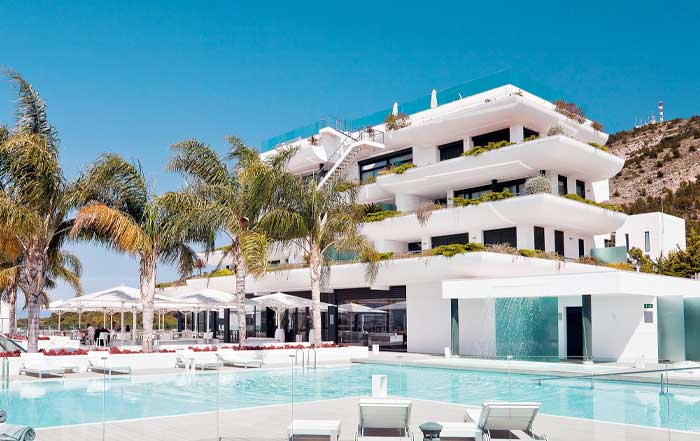
In Spain, SHA Wellness Clinic stands out for its integration of advanced medical diagnostics, nutrition, and natural therapies, under the supervision of qualified healthcare professionals. The clinic's programs for weight management, metabolic health, and stress resilience are structured around measurable outcomes, an approach that aligns with the expectations of data-driven executives and health-conscious travellers who follow research from institutions like Johns Hopkins Medicine or Karolinska Institute in Sweden. Similarly, the Longevity Health & Wellness Hotel in Portugal's Algarve region offers longevity-focused programs that combine biomarker analysis, functional medicine, and lifestyle coaching, appealing to travellers from Northern Europe, North America, and Asia who are actively managing long-term health strategies.
Trust also extends to environmental and social responsibility. Retreats such as Song Saa Private Island in Cambodia and The Farm at San Benito in the Philippines have positioned sustainability at the core of their identities, integrating regenerative practices, community engagement, and plant-based nutrition into their wellness philosophies. Their approaches resonate with travellers who consult resources such as the United Nations Environment Programme or UNWTO when assessing the impact of their journeys and who are increasingly drawn to experiences that align with the values explored in eco-conscious travel coverage.
Global Destinations: From Mountains and Forests to Islands and Cities
The geography of wellness is as diverse as the travellers who pursue it. In Asia, the Himalayan foothills, Balinese jungles, Thai islands, and Japanese forests remain powerful magnets for those seeking contemplative environments. Ananda in the Himalayas and Vana offer mountain solitude and access to sacred sites in India, while Shambhala Estate in Bali immerses guests in tropical greenery and Balinese spiritual traditions. On Koh Samui, Kamalaya combines ocean views with hillside sanctuaries, and Amanpuri in Phuket offers beachfront serenity with highly tailored programs for detox, fitness, and mindfulness.
In Europe, the vineyards of the Douro Valley, the whitewashed villages of Puglia, the coastal cliffs of Algarve, and the Mediterranean light of Alicante provide backdrops for retreats such as Six Senses Douro Valley, Borgo Egnazia, Longevity Health & Wellness Hotel, and SHA Wellness Clinic. These destinations attract travellers from across Europe, North America, and Asia who wish to combine wellness programs with cultural exploration, wine tourism, and culinary discovery. Readers planning multi-stop itineraries often explore destination overviews to align retreat stays with city breaks in London, Paris, Berlin, Amsterdam, Zurich, or Barcelona, or nature-focused journeys through Norway, Sweden, Finland, and the Alps.
In North America, the dramatic coastline of Big Sur, the deserts of Arizona, and the lakes of Texas offer distinct emotional atmospheres. The Esalen Institute combines cliffside hot springs with introspective workshops, Miraval Arizona and Canyon Ranch use desert landscapes as catalysts for reflection and resilience, and Lake Austin Spa Resort leverages its lakeside setting for water-based fitness and restorative calm. Travellers from Canada and the United States increasingly treat these destinations as essential components of annual well-being plans, often coordinated with remote work or extended stays.
In Oceania, Aro Ha in New Zealand's Southern Alps and Gwinganna Lifestyle Retreat in Queensland highlight the power of immersion in wild landscapes. Their programs typically include hiking, yoga, mindfulness, and whole-food cuisine, designed not merely as a temporary reset but as a blueprint for sustainable living once guests return to Sydney, Melbourne, Auckland, Singapore, or Hong Kong. For those considering longer stays or sabbaticals, retreat-focused content on WorldWeTravel.com provides frameworks for integrating such experiences into broader life transitions.
Technology, Data, and the Future of Wellness Travel
By 2026, technology has become deeply embedded in the wellness travel journey, from planning and booking to personalized program design and post-retreat integration. Many guests now arrive with extensive health data from wearables, continuous glucose monitors, or sleep trackers, and leading retreats have begun to incorporate this information into tailored protocols, while maintaining strict privacy and security standards. Organisations such as MIT and ETH Zurich continue to explore the intersection of digital health, AI, and human performance, and their research indirectly shapes expectations for personalization and feedback in wellness settings.
For the tech-savvy audience following travel and technology insights, the most forward-looking retreats are those that use technology judiciously: data and diagnostics are leveraged to enhance personalization, but the on-site experience still prioritizes human connection, nature immersion, and contemplative practice over constant digital engagement. In practice, this may mean structured digital detox periods, guided by research on attention and cognition from institutions such as UCLA or Oxford University, combined with optional assessments and remote coaching once guests return home.
Corporate clients and remote-first companies, many of which are based in hubs like San Francisco, New York, London, Berlin, Toronto, Singapore, and Seoul, are also using wellness retreats as components of their talent strategy. Offsites at destinations such as Miraval, Esalen, Six Senses Douro Valley, or Borgo Egnazia are designed not only for team bonding but for psychological safety, creativity, and strategic reflection, themes that align with the future-of-work discussions found in WorldWeTravel.com/work.
Health, Prevention, and Long-Term Impact
One of the defining characteristics of wellness retreats in 2026 is the shift from short-term pampering to long-term prevention and behavioural change. Guests increasingly arrive with specific objectives: mitigating burnout, improving metabolic health, addressing sleep disorders, supporting recovery from life transitions, or proactively managing aging. Retreats respond with structured programs that combine movement, nutrition, mindfulness, therapeutic interventions, and education, often informed by guidelines from organizations such as the American Heart Association or European Society of Cardiology.
For readers focusing on health-oriented travel, the key question is whether a retreat provides the tools and frameworks needed to sustain change after departure. The most effective programs include follow-up coaching, digital resources, and clear recommendations for integrating new habits into daily life in cities such as New York, London, Munich, Tokyo, Singapore. Many guests now view retreats as annual or biannual checkpoints, complementing regular medical care and mental health support, and they often coordinate with their physicians or therapists to ensure continuity.
Cultural Authenticity and Ethical Travel
As wellness travel expands, cultural sensitivity and authenticity have become central concerns for informed travellers. Retreats that draw on indigenous traditions, spiritual practices, or local healing systems are now expected to do so with respect, transparency, and meaningful collaboration with local communities. In Bali, Thailand, India, and Cambodia, discerning guests look for evidence that retreats honour local cultures through fair employment, community partnerships, and preservation of heritage rather than superficial branding.
This aligns with a broader movement toward responsible travel, in which visitors consider the social, cultural, and environmental impact of their choices. Resources from organizations such as UNESCO and OECD Tourism help frame these questions at a policy level, while publications like WorldWeTravel.com/culture and WorldWeTravel.com/travel translate them into practical guidance for individuals and families. In practice, this can mean selecting retreats that invest in local agriculture, support conservation projects, offer education to surrounding communities, and provide guests with opportunities to learn about local history, art, and spiritual practices in a context of mutual respect.
Practical Considerations for the 2026 Wellness Traveller
For business leaders, families, and solo travellers planning wellness journeys in 2026, the decision-making process has become more sophisticated. Beyond comparing prices and amenities, they evaluate practitioner credentials, program structure, medical oversight, environmental impact, and alignment with personal values and health goals. They also consider logistical factors such as accessibility from major hubs like New York, London, Frankfurt, Amsterdam, Zurich, Singapore, Tokyo, Seoul, Bangkok, and Sydney, visa requirements, travel insurance, and the stability of local healthcare systems, often referencing guidance from bodies such as the U.S. Centers for Disease Control and Prevention or Government of Canada - Travel Advice and Advisories.
Readers of WorldWeTravel.com/tips often approach wellness retreats as part of a broader itinerary that may include city stays, cultural immersion, or remote work periods. They weigh whether to choose a single deep-dive retreat of 7-14 days or to build a modular journey combining shorter programs in different regions, such as a mindfulness retreat in Thailand, a medical wellness stay in Spain, and a nature-based reset in New Zealand. They also increasingly evaluate how retreats accommodate diverse needs, including dietary restrictions, accessibility, family-friendly programming, and the ability to balance structured activities with unstructured time for reflection and exploration.
The Evolving Role of WorldWeTravel.com in Wellness Journeys
As mindfulness and wellness retreats continue to evolve, WorldWeTravel.com serves as a bridge between travellers' aspirations and the complex global landscape of destinations, providers, and philosophies. For some readers, the platform offers inspiration and discovery, highlighting emerging regions in Asia, Africa, South America, and Europe that are investing in wellness infrastructure and sustainable tourism. For others, it provides frameworks for aligning retreats with business objectives, family needs, or long-term health strategies, drawing on its coverage of global travel trends, hospitality and hotels, and the intersection of travel with work, technology, and the economy.
In 2026, the pursuit of mindfulness and wellness through travel is best understood as an ongoing, iterative journey rather than a one-time escape. Whether a reader is considering a silent retreat in the Himalayas, a data-driven longevity program in Portugal, a leadership offsite in Arizona, a family-friendly spa stay in Texas, or an eco-conscious island experience in Southeast Asia, the central question remains consistent: how can travel be used as a catalyst for deeper alignment between values, health, relationships, and work? The answer lies in the careful selection of retreats that embody experience, expertise, authoritativeness, and trustworthiness, and in the willingness to translate the insights gained in those sanctuaries into everyday life at home, in the office, and on the road.