

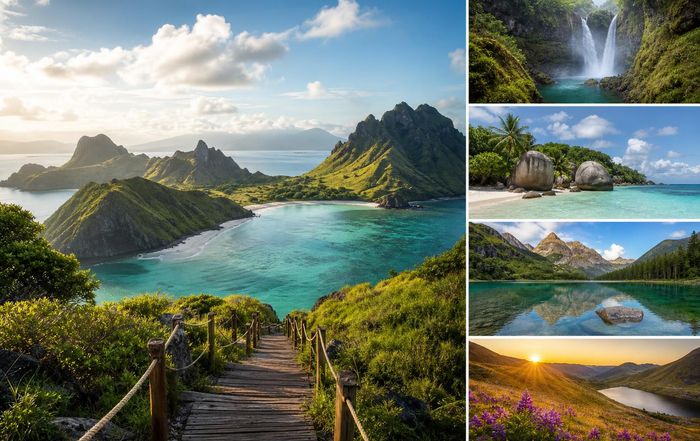
Underrated Worldwide Destinations for Nature Lovers
Rediscovering the Planet Beyond the Usual Icons
For many travelers, the idea of nature travel still conjures the same shortlist of icons: the Grand Canyon, the Great Barrier Reef, the Serengeti, the Swiss Alps. These places are extraordinary and remain well worth visiting, yet they tell only a fraction of the planet's story. As overtourism pressures grow in some of the world's most famous parks and coastlines, a quiet shift is underway: nature lovers are seeking lesser-known landscapes, spreading their impact more evenly, and discovering that some of the most profound encounters with the natural world happen far from the usual postcard scenes.
For WorldWeTravel, this movement toward under-the-radar nature destinations is not merely a trend; it reflects a deeper change in how travelers think about their journeys. Many are looking for places where they can slow down, connect with local communities, protect fragile ecosystems through their choices, and experience the wild in ways that feel personal and unhurried. Organizations such as UNESCO, IUCN, and WWF have repeatedly highlighted the importance of diversifying tourism flows to protect biodiversity hotspots, and this has inspired a wave of interest in regions that once received little international attention.
As travel continues to rebound and evolve, these underrated nature destinations are emerging as compelling alternatives, offering rich ecosystems, cultural depth, and room to breathe.
Europe Beyond the Crowds: Wild Coasts, Forests, and Quiet Peaks
Europe's natural beauty is often overshadowed by its cities, yet some of its most rewarding landscapes lie far from the usual tourist circuits. For travelers browsing WorldWeTravel's destinations guide, several lesser-known regions stand out as havens for hikers, wildlife enthusiasts, and families seeking quieter outdoor experiences.
In northern Spain, the Picos de Europa mountains offer dramatic limestone peaks, deep gorges, and traditional villages without the congestion of the Alps. The area forms part of a national park recognized by UNESCO as a biosphere reserve, where conservation initiatives have helped protect populations of chamois, griffon vultures, and, in nearby areas, the endangered Cantabrian brown bear. Travelers who explore the park's well-marked trails, such as the Ruta del Cares, often find that the combination of rugged scenery and living rural culture feels more intimate than in more commercialized mountain resorts. Information on protected areas across Spain can be explored through Spain's official tourism portal at spain.info.
Further north, the Westfjords of Iceland remain relatively untouched compared with the famous Golden Circle. According to Visit Iceland and data summarized by the Icelandic Tourist Board, the Westfjords receive a fraction of the visitors who head to the south coast, yet they offer some of the country's most dramatic coastal cliffs, geothermal pools, and Arctic fox habitat. The Hornstrandir Nature Reserve, accessible only by boat in summer, is a rare example of a largely roadless wilderness in Europe. Travelers interested in the region's conservation efforts can learn more through the Icelandic Environment Agency at ust.is.
In Eastern Europe, Romania's Carpathian Mountains and the Danube Delta remain among the continent's richest wildlife regions. The Carpathians host one of Europe's largest populations of brown bears, wolves, and lynx, with organizations such as Rewilding Europe and WWF Romania working alongside local communities to balance ecotourism and conservation. The nearby Danube Delta, shared with Ukraine, is recognized by Ramsar and UNESCO for its wetlands and birdlife, attracting serious birdwatchers but relatively modest mainstream tourism. Responsible visitors who explore these landscapes with local guides, stay in village guesthouses, and follow guidelines for wildlife viewing can play a small yet meaningful role in supporting sustainable rural economies.
For travelers seeking alpine scenery without the crowds of the most famous Swiss and Austrian resorts, the Julian Alps of Slovenia present another compelling alternative. The Triglav National Park region, promoted by Slovenia Tourism at slovenia.info, combines turquoise rivers, glacial lakes, and accessible hiking and cycling routes. The country has gained recognition from organizations like the Global Sustainable Tourism Council for its national commitment to sustainable tourism, and this ethos is increasingly visible in locally owned lodges, farm stays, and eco-conscious outdoor operators.
Readers and fans of WorldWeTravel planning European trips can find further inspiration for mountain villages, coastal retreats, and lesser-known parks through the platform's Europe and global travel pages, which highlight how to pair major hubs such as London, Paris, or Berlin with quieter nature escapes.
Asia's Quiet Corners: Forests, Islands, and High Plateaus
Asia's scale and ecological diversity are immense, yet international travelers often concentrate on a few famous beaches or city gateways. For those willing to venture a bit further, some of the continent's most underrated nature destinations offer profound immersion in landscapes and cultures that remain deeply connected to their environments.
In Japan, much of the international attention goes to Tokyo, Kyoto, and the iconic view of Mount Fuji, yet the country's less-visited islands and national parks are equally compelling. The Ogasawara Islands, sometimes called the "Galápagos of the Orient," are a remote Pacific archipelago governed by Tokyo Metropolitan Government but located nearly 1,000 kilometers from the mainland. Recognized as a UNESCO World Heritage Site for their high rate of endemism, these islands support unique plant and animal species and are accessible only by a multi-day ferry journey, which has helped limit overtourism. Information on visiting while respecting strict environmental guidelines is available through Japan National Tourism Organization at japan.travel.
On Japan's northern island of Hokkaido, the Shiretoko Peninsula offers another example of a relatively under-visited nature destination compared with the country's urban centers. Shiretoko's forests, coastal cliffs, and marine ecosystems support brown bears, orcas, and sea eagles, and the region has been recognized by UNESCO for its outstanding natural value. Responsible wildlife viewing practices, guided by local operators and park authorities, are essential to minimize disturbance to animals, and updated guidance can be found via the Ministry of the Environment Japan at env.go.jp.
In Southeast Asia, the rapid growth of tourism has raised concerns about reef degradation, plastic waste, and habitat loss in popular areas. Yet lesser-visited national parks and community-led ecotourism projects are showing that nature travel can support conservation when carefully managed. In southern Thailand, for example, islands within the Tarutao National Marine Park remain quieter than the country's most famous beaches, with mangroves, seagrass beds, and coral reefs that are monitored by the Department of National Parks, Wildlife and Plant Conservation. Travelers can learn more about protected marine areas through regional resources compiled by UNEP's Coral Reef Unit at unep.org.
In Malaysia, the ancient rainforests of Taman Negara and the highland cloud forests of Fraser's Hill and Cameron Highlands offer cooler climates and rich birdlife, though some areas have faced pressures from development and agriculture. Organizations such as BirdLife International and local NGOs have documented both the challenges and the conservation successes in these regions, emphasizing the importance of choosing accommodations and tour operators that adhere to sustainable practices. Travelers seeking balanced, experience-driven guidance can consult WorldWeTravel's eco-focused pages, which highlight how to support community-based tourism and low-impact exploration across Asia.
Further west, the high plateau regions of Ladakh in India and parts of Kyrgyzstan and Tajikistan in Central Asia represent some of the most remote and striking mountain landscapes on earth. These areas host snow leopards, high-altitude wetlands, and pastoral cultures that have adapted to harsh climates over centuries. Reliable information on trekking routes, homestay networks, and conservation initiatives can be found through organizations like Snow Leopard Trust at snowleopard.org and via responsible trekking associations that promote Leave No Trace principles. For nature lovers who value solitude and cultural exchange as much as scenery, these highlands offer experiences that remain far removed from mass tourism.
Africa's Lesser-Known Wild Spaces: Beyond the Big Five
Africa's reputation among nature travelers is often synonymous with the classic safari circuit, yet the continent's diversity extends far beyond its most famous reserves. An emerging generation of conservationists, community leaders, and eco-lodges is drawing attention to lesser-known landscapes that combine biodiversity with meaningful local partnerships.
In East Africa, Rwanda is internationally known for mountain gorilla trekking in Volcanoes National Park, but its other protected areas are only beginning to gain wider recognition. Nyungwe National Park, a montane rainforest in the country's southwest, harbors chimpanzees, colobus monkeys, and hundreds of bird species. In recent years, Rwanda's government and partners such as African Parks have invested in conservation infrastructure and community engagement, aiming to position Nyungwe as a flagship example of high-value, low-volume ecotourism. Background on these initiatives can be explored through African Parks at africanparks.org.
To the south, Zambia offers some of the continent's most rewarding yet surprisingly under-visited national parks. South Luangwa National Park is often cited by safari experts and conservation NGOs as one of the best places in Africa for walking safaris, a style of travel that emphasizes tracking, ecology, and immersion rather than vehicle-based game viewing alone. The Luangwa Valley is also a stronghold for African wild dogs and large elephant herds, and conservation organizations such as Conservation South Luangwa and Zambian Carnivore Programme have documented how carefully managed tourism can contribute to anti-poaching and community livelihoods. Travelers interested in understanding these dynamics can consult reports and updates through Panthera at panthera.org.
In North Africa, the Atlas Mountains of Morocco and the Sahara Desert oases have long histories of local travel but remain relatively niche among international nature enthusiasts compared with coastal resorts. The region's High Atlas villages, terraced agriculture, and endemic plant species are increasingly the focus of community-based tourism projects that aim to preserve Amazigh (Berber) cultural heritage while offering guided treks and homestays. Organizations such as the High Atlas Foundation and regional sustainable tourism networks provide resources on how visitors can support reforestation, water access, and cultural preservation through their travel choices.
Southern Africa's coastline also hides some remarkable yet lesser-known marine and coastal ecosystems. The Wild Coast of South Africa's Eastern Cape, for example, offers cliffs, estuaries, and indigenous forests that are less developed than parts of the Garden Route. Conservation groups like Wildlife and Environment Society of South Africa (WESSA) and Endangered Wildlife Trust have highlighted both the ecological importance of these landscapes and the need to balance tourism with community rights and environmental protection. Travelers can complement on-the-ground research with broader context from South African National Parks at sanparks.org.
For readers coming here who are planning family trips or multi-generational journeys, the platform's family travel section offers ideas on how to introduce younger travelers to African ecosystems in ways that emphasize safety, education, and respect for local communities, whether in well-known reserves or in emerging conservation landscapes.
The Americas: Quiet Trails from Canada to Patagonia
From the boreal forests of Canada to the glaciers and steppe of Patagonia, the Americas offer vast natural spaces, yet many travelers still cluster in a handful of celebrated parks and coastal hotspots. Some of the continent's most memorable nature experiences, however, can be found on quieter trails, in lesser-known reserves, and in regions that are only beginning to appear on international itineraries.
In Canada, Gros Morne National Park in Newfoundland and Labrador exemplifies this quieter grandeur. Recognized as a UNESCO World Heritage Site for its geological significance, including exposed sections of the earth's mantle, the park features fjords, coastal bogs, and a network of hiking routes that remain relatively uncrowded compared with western icons such as Banff or Jasper. The Parks Canada website at pc.gc.ca provides detailed guidance on seasonal conditions, wildlife safety, and the park's unique geology, helping visitors plan low-impact adventures.
Farther north, the Arctic territories of Canada and Greenland are experiencing increased interest from expedition cruise lines and adventurous travelers, yet many regions remain largely untouched. Organizations such as Polar Bears International at polarbearsinternational.org and the Arctic Council at arctic-council.org emphasize the fragility of Arctic ecosystems and the importance of rigorous environmental standards for any tourism operations, from waste management to wildlife disturbance protocols. For travelers who choose carefully vetted operators and respect local Inuit and Indigenous knowledge, these polar landscapes can offer profound insights into climate, ecology, and resilience.
In the United States, interest in lesser-visited public lands has grown as some marquee national parks face congestion during peak periods. Regions such as North Cascades National Park in Washington State, Great Basin National Park in Nevada, and parts of Big Bend in Texas provide dark skies, rugged mountains, and desert canyons with far fewer visitors than more famous neighbors. The U.S. National Park Service at nps.gov offers up-to-date information on trail conditions, fire risks, and park capacity, helping nature lovers identify times and places where they can experience solitude without compromising safety.
In Latin America, the southern cone's Patagonia region has become a symbol of wilderness travel, yet within this vast area there are still parks and reserves that see only modest international visitation. In Chile, the creation of the Route of Parks of Patagonia, supported by the Tompkins Conservation foundation and the Chilean government, has linked a chain of national parks from Puerto Montt to Cape Horn. While icons like Torres del Paine are well known, parks such as Pumalín Douglas Tompkins National Park and Patagonia National Park are still emerging on global travel radars, despite offering dramatic fjords, temperate rainforests, and grasslands where guanacos and pumas roam. More details on these conservation projects can be found at tompkinsconservation.org.
In Brazil, the Amazon rainforest rightly commands attention, yet the country's Pantanal wetlands and Chapada dos Veadeiros savanna are equally remarkable for wildlife and scenery, and in some areas more accessible for focused nature observation. The Pantanal, shared with Bolivia and Paraguay, is widely recognized by conservation scientists, including those at WWF and Conservation International, as one of the best places in the world to see jaguars in the wild when visiting with licensed guides who follow ethical wildlife-viewing practices. For travelers interested in the intersection of conservation, Indigenous rights, and climate resilience, organizations such as Instituto Socioambiental at socioambiental.org provide in-depth analysis of the region's environmental challenges and community-led solutions.
Travelers exploring the Americas through WorldWeTravel can use the ace platform's daily curated global travel resources and hotel recommendations to identify lodges, guesthouses, and small operators that prioritize conservation, cultural respect, and authentic local engagement.
Oceania and the Pacific: Islands, Rainforests, and Alpine Lakes
Oceania's natural appeal often centers on the Great Barrier Reef and a few iconic Australian and New Zealand national parks. Yet across the region, a wealth of lesser-known islands, rainforests, and alpine areas offer nature lovers opportunities to encounter distinctive ecosystems with fewer visitors.
In Australia, Tasmania has evolved from a relatively peripheral destination to a leading example of nature-based tourism that integrates wilderness protection and local culture. While some areas like Freycinet and Cradle Mountain have become more popular, the island's Southwest National Park and parts of the Tarkine rainforest remain remote and sparsely visited. Conservation groups such as the Wilderness Society and Bob Brown Foundation provide detailed information on efforts to protect old-growth forests and wild rivers, highlighting both successes and ongoing debates around logging and development. Travelers can consult Parks and Wildlife Service Tasmania at parks.tas.gov.au for guidance on safe and low-impact travel in these regions.
New Zealand's South Island is famous for Fiordland and Aoraki/Mount Cook, yet the Marlborough Sounds, Catlins Coast, and Kahurangi National Park still feel comparatively undiscovered, especially outside peak holiday periods. The Department of Conservation at doc.govt.nz manages a network of huts, tracks, and marine reserves that enable visitors to explore forests, coastal ecosystems, and alpine terrain while contributing to conservation through fees and volunteer programs. The country's emphasis on biosecurity and invasive species control also underscores the responsibility that visitors share in preventing the spread of pests and diseases.
Across the wider Pacific, small island nations such as Palau and Vanuatu have drawn attention from sustainability experts for their pioneering approaches to marine conservation and community-based tourism. Palau's National Marine Sanctuary, for instance, has been cited by National Geographic and The Pew Charitable Trusts as a model for large-scale marine protection, covering a vast portion of the country's exclusive economic zone. Visitors are required to sign the Palau Pledge, a commitment stamped in their passports that outlines responsible behavior to protect the islands' environment and culture. More information on this initiative can be found at palaupledge.com.
For travelers using WorldWeTravel to plan longer retreats or wellness-focused journeys, the platform's impartial retreat page and health and wellness section highlight how remote islands and nature-rich lodges in Oceania can support digital detox, mental health, and physical rejuvenation, provided that visitors respect local carrying capacities and cultural protocols.
Traveling Lightly: Practical Principles for Underrated Nature Destinations
As interest grows in these quieter corners of the planet, responsible travel practices become even more critical. Underrated destinations are often "underrated" precisely because they have limited infrastructure, fragile ecosystems, or communities that are only beginning to engage with international tourism. When travelers arrive with mindfulness and preparation, they can help ensure that these places retain their character and ecological integrity.
One of the most important principles is to research local conservation and community priorities before traveling. Resources such as UNEP at unep.org, IUCN at iucn.org, and national park agencies provide context on threatened species, visitor limits, and ongoing environmental programs. By aligning itineraries with these priorities and choosing guides and accommodations that contribute to them, travelers can increase the positive impact of their spending. WorldWeTravel's eco-travel section offers accessible introductions to these issues, along with region-specific advice.
Another key consideration is transportation. Long-haul flights and internal connections carry significant carbon costs, which organizations like the Intergovernmental Panel on Climate Change (IPCC) have documented extensively. While not every journey can be emission-free, travelers can mitigate their impact by staying longer in each destination, choosing trains or buses when feasible, and supporting verified climate projects through reputable organizations. Those interested in the broader economic and environmental context of travel can explore analyses and reports linked from WorldWeTravel's economy and travel-technology pages and technology section, which examine how innovations in transport and energy intersect with tourism.
Respect for local culture is equally essential. Many underrated nature destinations are home to Indigenous peoples and long-established rural communities whose knowledge and stewardship have shaped the landscapes visitors admire. Organizations such as UNESCO, Cultural Survival at culturalsurvival.org, and regional heritage councils emphasize the importance of informed consent, fair compensation, and cultural sensitivity when visiting these areas. WorldWeTravel's culture-focused content encourages travelers to see nature and culture as inseparable, and to approach each journey as an opportunity for mutual learning rather than one-sided consumption.
Finally, travelers can adopt simple but powerful habits: packing out all waste, minimizing single-use plastics, staying on marked trails to prevent erosion, using reef-safe sunscreen in marine areas, and limiting noise and light pollution in sensitive habitats. Many of these principles are encapsulated in the Leave No Trace guidelines at lnt.org, which have been adapted worldwide for different ecosystems and cultural contexts.
Inspiration for the Next Journey
As the world navigates complex environmental and social challenges, nature travel can be a source of hope, learning, and connection when practiced thoughtfully. Underrated destinations-from Spain's Picos de Europa and Iceland's Westfjords to Rwanda's Nyungwe, Canada's Gros Morne, and Palau's protected seas-offer travelers the chance to experience ecosystems that are still relatively intact, to support communities that are investing in conservation, and to rediscover a sense of wonder that is sometimes hard to find in crowded hotspots.
For WorldWeTravel and its loyal and increasing number of community members, the invitation is clear: look beyond the obvious, listen carefully to local voices, and treat each landscape as both a privilege and a responsibility. By choosing paths less traveled, nature lovers can help write a more balanced and hopeful chapter in the story of global travel, one that celebrates not only the planet's most famous marvels but also its quiet, resilient, and often overlooked wild places. Those ready to begin can explore ideas, itineraries, and practical guidance across WorldWeTravel's main site and its dedicated original helpful pages on destinations, travel tips, and sustainable journeys, and then carry that inspiration into the field with humility, curiosity, and care.