

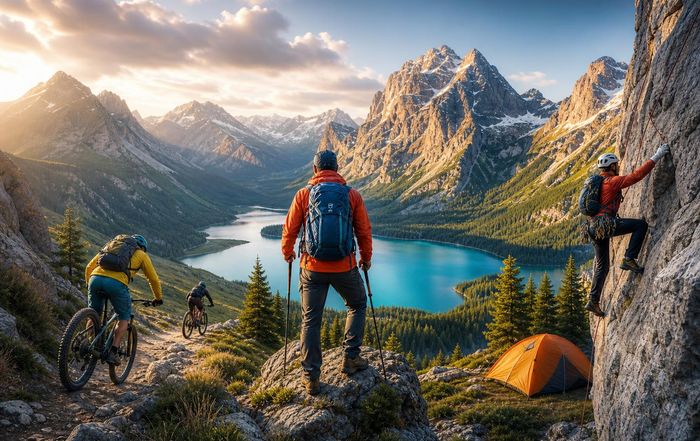
Best Mountain Destinations for Outdoor Adventure
Mountain landscapes have always held a particular allure for travelers seeking challenge, beauty, and renewal, and in an era when wellness, sustainability, and meaningful connection increasingly shape travel choices, high-altitude destinations are becoming focal points for transformative journeys. For WorldWeTravel, whose travel discovery community looks for destinations that blend outdoor exhilaration with culture, family experiences, and responsible tourism, the world's great mountain ranges offer some of the most compelling itineraries available, from the Rockies and the Alps to the Himalayas, Andes, and beyond.
This article explores leading mountain destinations for outdoor adventure across several continents, emphasizing the experiences that define them today, the infrastructure that supports travelers, and the evolving commitment to environmental stewardship. All information is based on verifiable sources and the most reliable recent developments, with an emphasis on practical inspiration for planning future journeys.
Why Mountains Are the New Global Adventure Hubs
Across regions from North America and Europe to Asia, Africa, and South America, mountain destinations have significantly expanded their offerings beyond traditional skiing and climbing to include year-round hiking, trail running, mountain biking, paragliding, wellness retreats, and immersive cultural exchanges. Organizations such as UNWTO highlight how highland regions are increasingly central to sustainable tourism strategies, as they often host unique biodiversity and Indigenous cultures while facing acute climate vulnerability. Learn more about how mountain tourism is evolving on the UN World Tourism Organization's site.
For travelers exploring options on WorldWeTravel's destinations hub, mountains promise a rare convergence of physical challenge and mental restoration, especially as nature-based tourism continues to grow. Reports from bodies such as the OECD and World Bank indicate that outdoor recreation and nature tourism are among the fastest-growing segments of global travel, with mountain regions investing in trails, safety infrastructure, and sustainable lodging to meet this demand. Resources from organizations like the International Climbing and Mountaineering Federation also underscore the importance of safety standards and environmental ethics as visitor numbers increase.
The North American Rockies: Iconic Peaks and Accessible Wilderness
The Rocky Mountains, stretching from New Mexico through the United States and into Canada, remain one of the most accessible and diverse mountain playgrounds in the world, combining national park protection, extensive trail systems, and well-developed resort towns.
In the United States, destinations such as Rocky Mountain National Park in Colorado and Grand Teton National Park in Wyoming offer classic alpine hiking, wildlife viewing, and mountaineering. The U.S. National Park Service provides detailed, regularly updated information on trail conditions, permits, and safety, which can be explored through the NPS official website. For families browsing WorldWeTravel's family travel section, these areas are particularly attractive because they combine beginner-friendly day hikes with educational ranger programs and accessible viewpoints.
Further north, the Canadian Rockies around Banff, Lake Louise, and Jasper form one of the world's most celebrated mountain corridors, with turquoise glacial lakes, extensive backcountry trails, and well-maintained campgrounds. Parks Canada has invested heavily in visitor education on wildlife encounters and climate impacts, and travelers can consult the Parks Canada site for up-to-date guidance on seasonal access, avalanche risk, and conservation initiatives. For those interested in the economics of mountain tourism, analyses from institutions like Destination Canada provide insight into how these regions balance visitor growth with environmental limits.
Adventure travelers using WorldWeTravel's travel guide will find that the Rockies excel in multi-activity itineraries: a single week can combine summit attempts on non-technical peaks, white-water rafting, mountain biking, and hot spring relaxation, making them ideal for families and groups with varied interests and abilities.
The European Alps: Year-Round Adventure and Alpine Culture
The Alps, spanning France, Switzerland, Italy, Austria, Germany, and Slovenia, remain the benchmark for integrated mountain tourism, with dense networks of trails and lifts, historic villages, and a deeply rooted mountain culture. Towns such as Chamonix, Zermatt, Cortina d'Ampezzo, and St. Anton are recognized worldwide for skiing and alpinism, yet they have also transformed into four-season adventure bases.
In France, Chamonix-Mont-Blanc retains its status as a global capital of mountaineering and trail running, with access to challenging routes on Mont Blanc and a vast network of high-altitude trails. Organizations like the Compagnie des Guides de Chamonix, one of the oldest guiding companies in the world, illustrate the long-standing tradition of professional guiding in the region. Travelers can explore more about Chamonix and its safety standards through resources such as the Chamonix tourist office.
Switzerland's Zermatt and the surrounding Valais region offer some of Europe's most iconic vistas, including the Matterhorn, along with a sophisticated mix of luxury hotels and traditional mountain lodges. For visitors comparing lodging options, Switzerland Tourism's official site provides a reliable overview of sustainable hotels and mountain huts, complementing curated options on WorldWeTravel's hotels page. Many Alpine regions participate in sustainability initiatives such as the Alpine Convention, which promotes balanced development and environmental protection across the transnational mountain range; more details can be found on the Alpine Convention website.
The Dolomites in northern Italy, recognized as a UNESCO World Heritage Site, have become a magnet for via ferrata climbing, long-distance trekking, and road cycling. The UNESCO World Heritage Centre provides comprehensive background on why these limestone peaks are considered globally significant, from geological history to cultural landscapes. European mountain destinations also excel at integrating culture and cuisine into outdoor itineraries, aligning with the interests of readers exploring WorldWeTravel's culture section, where alpine festivals, mountain huts serving regional dishes, and historic villages add depth to physical adventures.
The Himalayas: High-Altitude Treks and Spiritual Landscapes
The Himalayas, spanning Nepal, India, Bhutan, China, and Pakistan, represent the world's highest mountain range and a pinnacle of trekking and mountaineering aspiration. Destinations such as the Everest region in Nepal, the Annapurna Circuit, and Bhutan's Druk Path and Snowman Trek offer multi-week journeys through remote valleys, high passes, and culturally rich communities.
In Nepal, the Everest Base Camp trek and the Annapurna region remain among the most popular long-distance treks globally, with established teahouse networks and local guiding services. The Nepal Tourism Board and organizations such as the Trekking Agencies' Association of Nepal (TAAN) provide verified information on permits, seasonal conditions, and responsible trekking guidelines, which can be accessed through the official Nepal tourism portal. In recent years, authorities have introduced and adjusted regulations aimed at improving safety and environmental protection on popular routes; travelers are advised to consult multiple up-to-date sources, including reputable trekking agencies, when planning itineraries.
Bhutan, with its high-value, low-volume tourism policy, offers a contrasting model in the Himalayas, focusing on sustainability and cultural integrity. The country's approach, grounded in the concept of Gross National Happiness, shapes how trekking permits, guiding requirements, and route access are managed. Visitors can learn more from the Tourism Council of Bhutan, which outlines current policies and recommended trekking circuits. For travelers interested in combining mountain adventure with wellness and spiritual exploration, Bhutan's monasteries, traditional hot stone baths, and contemplative retreats align naturally with themes explored on WorldWeTravel's retreat page.
Across the Himalayas, altitude, weather volatility, and remoteness require careful preparation. Reputable organizations such as the International Society for Mountain Medicine and the Centers for Disease Control and Prevention provide evidence-based guidance on acclimatization, altitude illness, and vaccinations, which can be reviewed on the CDC's travel health site. Readers of WorldWeTravel's health section will find that planning for high-altitude travel involves not only physical fitness but also informed risk management and respect for local communities and ecosystems.
The Andes: South America's Backbone of Adventure
The Andes, running along the western edge of South America through countries including Colombia, Ecuador, Peru, Bolivia, Chile, and Argentina, form the longest continental mountain range on Earth and host a remarkable diversity of climates, cultures, and adventure opportunities.
Peru's Cordillera Blanca and Cordillera Huayhuash are widely regarded as among the most spectacular trekking and climbing areas in the Andes, with towering ice-clad peaks and remote valleys. The city of Huaraz serves as a gateway to these ranges, offering guiding services and equipment rentals. The Peruvian government's official tourism portal, Peru.travel, provides reliable overviews of trekking routes, seasonal considerations, and cultural sites, while mountaineering communities often reference data from organizations like the American Alpine Club for technical route information and safety reports.
Further south, Patagonia, shared by Chile and Argentina, has become synonymous with wilderness adventure, from the classic "W" and "O" treks in Torres del Paine National Park to ice trekking on Perito Moreno Glacier and mountaineering around Fitz Roy. Chile's national park service (CONAF) and Argentina's Administración de Parques Nacionales both maintain updated information on park regulations, trail closures, and conservation programs, which can be consulted via the official Chile travel site and Argentina's tourism site. Patagonia is also a focal point for discussions about over-tourism, rewilding, and private land conservation, with organizations like Tompkins Conservation playing a significant role in establishing and expanding protected areas.
For travelers browsing WorldWeTravel's eco travel section, the Andes illustrate how adventure tourism can support conservation and local economies when managed responsibly. Initiatives promoting community-based tourism, responsible trekking, and Leave No Trace principles are increasingly prominent, and international bodies such as the International Union for Conservation of Nature (IUCN) provide broader context on Andean biodiversity and protected areas, accessible through the IUCN website.
The Southern Alps and Oceania's Mountain Playgrounds
In Oceania, New Zealand's Southern Alps and Australia's Snowy Mountains stand out as key mountain destinations, offering a mix of alpine hiking, skiing, mountaineering, and family-friendly outdoor activities.
New Zealand's Aoraki/Mount Cook National Park, Fiordland, and the Routeburn and Milford tracks are internationally recognized for their dramatic scenery and well-maintained trail infrastructure. The Department of Conservation (DOC) manages a network of Great Walks and backcountry huts, and its official site is the authoritative source for track conditions, booking requirements, and conservation guidelines. For families and multi-generational groups exploring WorldWeTravel's family travel resources, New Zealand's combination of clearly marked trails, safety information, and varied difficulty levels makes it an appealing introduction to mountain adventure.
In Australia, the Australian Alps, which include Kosciuszko National Park in New South Wales and alpine regions of Victoria, provide hiking, mountain biking, and winter sports within relatively easy reach of major cities. The Parks Australia website and state-level park services offer verified information on seasonal access and conservation measures. While Australia's peaks are lower than many counterparts in Europe or North America, they play an important role in regional ecosystems and water supplies, and they offer accessible adventure options for travelers who may be new to mountain environments.
These destinations align well with the interests of readers browsing WorldWeTravel's tips section, as planning successful trips to the Southern Alps or Australian high country often involves understanding rapidly changing weather, hut booking systems, and the specific gear needed for variable conditions.
Asia's Emerging Mountain Destinations Beyond the Himalayas
Beyond the Himalayas, several Asian countries have been investing in mountain tourism infrastructure, opening up new areas for trekking, climbing, and nature-based travel while grappling with the need to protect fragile environments.
In Japan, the Japanese Alps on Honshu and iconic peaks such as Mount Fuji attract both domestic and international hikers. The Japan National Tourism Organization (JNTO) provides detailed guidance on climbing seasons, route options, and cultural etiquette, including the importance of respecting sacred sites and mountain shrines. Authorities have periodically adjusted regulations and visitor caps on Mount Fuji to address crowding and environmental degradation, and travelers are encouraged to check the latest rules through official channels before planning ascents.
South Korea's Seoraksan National Park and other mountainous areas offer well-marked trails, dramatic rock formations, and autumn foliage that draw large numbers of hikers. The Korea Tourism Organization provides up-to-date information on park access, safety, and public transportation links, which is particularly helpful for travelers planning independent trips. These destinations exemplify how countries with high population density can still create meaningful mountain experiences through careful trail management and visitor education.
In Southeast Asia, countries such as Thailand and Malaysia feature notable peaks like Doi Inthanon and Mount Kinabalu. The latter, located in Sabah on the island of Borneo, is one of the most prominent mountains in the region and a UNESCO World Heritage Site. The Sabah Parks official site outlines the current permit system, daily climber limits, and conservation efforts, reflecting a long-term strategy to balance tourism with protection of unique montane ecosystems. These developments resonate with the interests of travelers who consult WorldWeTravel's global insights to understand how different regions manage visitor pressure and environmental challenges.
Africa's Great Peaks: Kilimanjaro, Atlas, and Beyond
Africa's mountain destinations combine high-altitude adventure with rich cultural experiences and wildlife encounters. Mount Kilimanjaro in Tanzania, the continent's highest peak, remains one of the most sought-after non-technical climbs in the world. The Tanzania National Parks Authority (TANAPA) and reputable guiding companies emphasize the importance of gradual ascent, adequate acclimatization, and environmental respect on the mountain's various routes. Reliable background information on Kilimanjaro's ecology and climbing conditions can be found on the TANAPA website.
In Morocco, the Atlas Mountains, including Jebel Toubkal, offer accessible trekking within a short distance of Marrakech, combining Berber village homestays, mountain refuges, and rugged high passes. The Moroccan National Tourist Office provides official information on regional highlights and seasonal considerations, although travelers are often advised to work with established local guides who understand weather patterns and cultural norms. These experiences align with travelers who view mountain journeys as opportunities for cross-cultural learning, a perspective that WorldWeTravel highlights across its destination features.
Elsewhere on the continent, ranges such as South Africa's Drakensberg and Ethiopia's Simien Mountains provide exceptional hiking and wildlife viewing, including endemic species and dramatic escarpments. The UNESCO World Heritage Centre lists both the uKhahlamba/Drakensberg Park and Simien National Park as World Heritage Sites, and its official entries offer reliable overviews of their natural and cultural significance. These African peaks are increasingly recognized not only for their adventure potential but also for their role in regional water security and biodiversity, themes that intersect with the broader environmental focus found on WorldWeTravel's eco travel pages.
Safety, Sustainability, and Technology in Mountain Travel
Across all these destinations, safety and sustainability have become central pillars of responsible mountain tourism. Organizations such as the International Commission for Alpine Rescue (ICAR) and national mountain rescue services provide frameworks for search and rescue coordination, while many countries have established avalanche forecasting systems and real-time trail information to support informed decision-making. Authoritative avalanche forecasts for regions like the Alps and Rockies are often available through national meteorological or avalanche centers, such as Avalanche.org in the United States and the European Avalanche Warning Services portal.
Travelers who follow WorldWeTravel's technology insights will note that digital tools now play a significant role in mountain adventures, from GPS-based navigation apps and satellite communicators to online hut reservation systems. At the same time, experts consistently remind visitors that technology should complement, not replace, traditional skills such as map reading, weather interpretation, and conservative decision-making. Reputable mountain training organizations and alpine clubs offer courses that blend modern tools with foundational safety practices, and their websites, such as the British Mountaineering Council or Alpine Club of Canada, are useful starting points for skill development.
Sustainability initiatives are also evolving rapidly. Many mountain regions are adopting measures such as waste reduction programs, restrictions on single-use plastics in parks, and support for low-carbon transportation options. Reports from entities like the Intergovernmental Panel on Climate Change (IPCC), accessible via the IPCC site, underscore how mountain ecosystems are particularly sensitive to warming temperatures, glacier retreat, and changing precipitation patterns, which in turn affect water resources and local livelihoods. Travelers who prioritize responsible choices can look for certifications such as Green Key or Global Sustainable Tourism Council (GSTC) recognition when selecting accommodations, and can learn more about sustainable business practices through organizations like the GSTC.
These themes intersect closely with the interests of readers who explore WorldWeTravel's business travel and economy sections and https://www.worldwetravel.com/economy.html, as mountain tourism increasingly influences regional development, infrastructure investment, and community resilience.
Crafting a Personal Mountain Journey with Us!
For travelers planning their next adventure through WorldWeTravel, the world's mountain ranges present a spectrum of possibilities, from family-friendly hikes in the Rockies or Japanese Alps to demanding expeditions in the Himalayas or Andes. The key to a rewarding experience lies in aligning destination choice with personal goals, fitness level, travel companions, and values around culture and sustainability.
Families might prioritize regions with established infrastructure, educational programs, and varied activity levels, such as national parks in North America, the Alps, or New Zealand, drawing on expert guidance from WorldWeTravel's family and travel sections. Those seeking deep cultural immersion and spiritual reflection may be drawn to Himalayan monasteries, Andean villages, or Berber communities in the Atlas Mountains, while wellness-focused travelers can combine mountain hiking with retreats, hot springs, and mindful practices highlighted on WorldWeTravel's retreat and health pages.
As mountain destinations continue to evolve through this decade, travelers who stay informed through reliable sources, respect local communities, and adopt low-impact practices will play an important role in safeguarding these landscapes for future generations. By curating top information and emphasizing experience and facts, WorldWeTravel aims to be a partner in that journey, helping adventurers of all ages and backgrounds discover the peaks that will shape their most memorable stories.