

Best African Destinations for Wildlife and Coastal Adventures
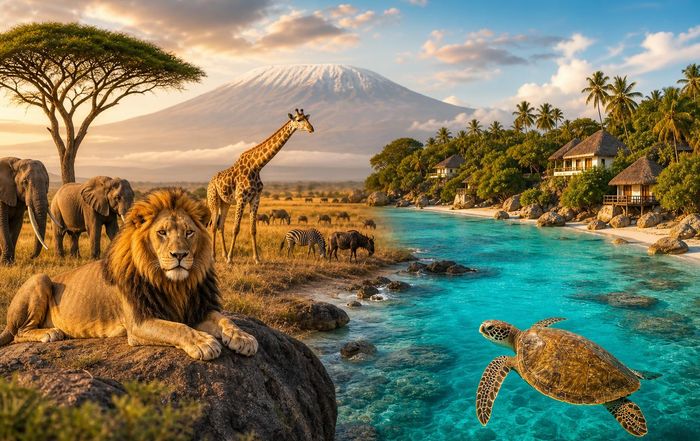
Africa's immense diversity of landscapes, cultures, and ecosystems continues to inspire travelers who seek both profound encounters with wildlife and restorative time along some of the world's most beautiful coasts. For readers of WorldWeTravel, the continent offers a rare opportunity to combine bucket-list safaris with pristine beaches, marine reserves, and coastal cities that are increasingly focused on sustainability, community empowerment, and authentic cultural exchange. As global tourism recovers and evolves, a growing number of African destinations are demonstrating that conservation, local livelihoods, and exceptional visitor experiences can reinforce each other rather than compete.
This article explores leading wildlife and coastal destinations across the continent, drawing on up-to-date information from conservation organizations, tourism boards, and international bodies. It highlights where travelers can responsibly experience Africa's iconic species on land and at sea, stay in memorable lodges and hotels, and support long-term protection of fragile ecosystems. The focus is on inspiration grounded in verifiable facts, with an emphasis on destinations that align with the values of WorldWeTravel: expertise, trustworthiness, and a commitment to positive, sustainable travel.
Southern Africa: Iconic Safaris and World-Class Coastlines
Southern Africa has long been regarded as a premier region for wildlife viewing, with well-developed national parks, reliable infrastructure, and a strong tradition of conservation tourism. Increasingly, it also offers sophisticated coastal experiences, from urban beaches to remote marine reserves.
South Africa: Kruger, the Cape, and Two Oceans
South Africa remains one of the most accessible entry points to African safaris, and it offers the rare combination of Big Five wildlife encounters and world-renowned coastal scenery. Kruger National Park, together with the surrounding private reserves of Sabi Sand and Timbavati, continues to be one of the continent's best places to see lions, leopards, elephants, rhinos, and buffalo in relatively high densities. According to South African National Parks, ongoing anti-poaching efforts and habitat management are central priorities, with collaborative programs involving local communities and technology-assisted monitoring.
Travelers often pair Kruger with the coast around Cape Town, where the meeting of the Atlantic and Indian Oceans creates a dramatic backdrop of cliffs, beaches, and marine life. The Cape Peninsula offers opportunities to see African penguins at Boulders Beach and seasonal whale watching near Hermanus, one of the world's recognized whale-watching hotspots. The city itself has become a culinary and cultural hub, with a growing focus on sustainable gastronomy and responsible wine tourism in nearby regions such as Stellenbosch and Franschhoek.
For readers planning multi-stop journeys, WorldWeTravel provides a helpful overview of regional options in its destinations guide, making it easier to combine inland safaris with coastal city breaks and wine country retreats. The country's well-developed hospitality sector, from upscale boutique hotels to family-friendly guesthouses, is reflected in resources like South African Tourism, which highlights both established and emerging routes.
Namibia: Desert Dunes, Skeleton Coast, and Desert-Adapted Wildlife
Namibia offers one of the most distinctive combinations of wildlife and coastline anywhere in the world. The country's Atlantic shoreline, particularly the Skeleton Coast, is characterized by fog-shrouded dunes, shipwrecks, and seal colonies, creating an almost otherworldly environment. The Namib-Naukluft National Park, which includes the famous red dunes of Sossusvlei, showcases desert landscapes that are as compelling as any traditional savanna.
What sets Namibia apart is the presence of desert-adapted elephants, lions, and black rhinos, which have evolved to survive in arid conditions. Conservation organizations such as Save the Rhino and WWF point to Namibia's community-based conservancy model as a significant success story, with local communities retaining rights over wildlife and tourism revenues. This framework has encouraged the development of lodges and camps that prioritize low-impact design, local employment, and wildlife protection.
Coastal towns like Swakopmund and Walvis Bay offer marine excursions to see dolphins, seals, and in some seasons whales, while also serving as gateways for sandboarding, desert tours, and cultural experiences. Travelers interested in more detailed planning support can explore WorldWeTravel's eco-travel insights, which align closely with Namibia's emphasis on conservation-driven tourism.
Mozambique: Indian Ocean Islands and Marine Reserves
Mozambique's long Indian Ocean coastline is increasingly recognized for its coral reefs, tropical islands, and opportunities to encounter marine megafauna such as whale sharks, manta rays, and humpback whales. The Bazaruto Archipelago and the Quirimbas Archipelago are particularly notable, with marine protected areas that aim to balance tourism, fishing, and ecosystem preservation.
Organizations such as Marine Megafauna Foundation and IUCN have highlighted the importance of Mozambique's waters for globally significant populations of manta rays and whale sharks. While some studies indicate declines in sightings in certain areas, ongoing research and community-based conservation projects are working to mitigate threats such as overfishing and habitat degradation. Responsible operators emphasize small-group diving, strict no-touch policies, and support for local education and livelihoods.
For travelers seeking to combine safari and sea, it is increasingly common to pair Mozambique's coast with inland wildlife destinations in South Africa or Zimbabwe. Guidance on how to structure such multi-country itineraries, including family-friendly options, can be found in WorldWeTravel's family travel section, which emphasizes safety, logistics, and age-appropriate activities.
East Africa: Classic Safaris and Coral-Rich Shores
East Africa is synonymous with the archetypal African safari, featuring vast savannas, great migrations, and snow-capped peaks. At the same time, its Indian Ocean coastline, from Kenya to Mozambique, offers white-sand beaches, coral reefs, and Swahili culture that enrich the overall travel experience.
Kenya and Tanzania: The Great Migration and Swahili Coast
The Serengeti-Mara ecosystem, spanning Serengeti National Park in Tanzania and the Maasai Mara National Reserve in Kenya, remains one of the most famous wildlife regions on Earth. The annual migration of wildebeest and other herbivores, tracked and analyzed by organizations such as the Serengeti Conservation Programme and local wildlife authorities, is considered one of the planet's great natural spectacles, though its timing and exact routes can vary year to year depending on rainfall patterns.
Both Kenya and Tanzania have made efforts to strengthen anti-poaching enforcement, expand community conservancies, and regulate tourism densities in key areas. The Kenya Wildlife Service and Tanzania National Parks provide updated information on park regulations, conservation projects, and visitor guidelines, helping travelers make informed decisions about where and when to visit.
Along the coast, Zanzibar and Kenya's Lamu Archipelago offer a blend of Indian Ocean beaches, coral reefs, and centuries-old Swahili heritage. UNESCO recognizes Stone Town in Zanzibar and Lamu Old Town as World Heritage Sites, reflecting their historical significance as trading ports and cultural crossroads. Beachfront lodges and boutique hotels increasingly emphasize locally sourced materials, traditional architecture, and partnerships with community initiatives focused on education, marine conservation, and cultural preservation.
For readers of WorldWeTravel, combining a migration-focused safari with a few days on the Swahili Coast is an appealing way to balance adventure with relaxation. The site's travel planning resources highlight how to sequence flights, choose suitable accommodations, and respect local customs in both rural and coastal settings.
Rwanda and Uganda: Primates, Lakes, and Emerging Eco-Tourism
While not primarily coastal destinations, Rwanda and Uganda deserve mention for travelers seeking wildlife experiences that complement time on Africa's eastern shores. Mountain gorilla trekking in Volcanoes National Park in Rwanda and Bwindi Impenetrable National Park in Uganda, overseen by authorities such as the Rwanda Development Board and the Uganda Wildlife Authority, is frequently cited by conservation organizations as a model of high-value, low-volume tourism that directly funds habitat protection and community development.
Both countries also offer tranquil lakeside retreats, such as Lake Kivu in Rwanda and the Ssese Islands on Lake Victoria in Uganda, which can serve as restorative interludes between more intense wildlife activities and coastal stays in neighboring Kenya or Tanzania. Travelers who prioritize health and well-being during active trips may find useful guidance in WorldWeTravel's health and wellness content, particularly regarding altitude, vaccinations, and responsible trekking practices.
Indian Ocean Islands: Biodiversity Hotspots and Beach Retreats
The Indian Ocean islands off Africa's eastern and southern coasts combine some of the world's most biodiverse marine environments with distinctive cultural histories and increasingly sophisticated hospitality sectors. Many of these islands are actively positioning themselves as leaders in sustainable tourism and climate resilience.
Madagascar: Endemic Wildlife and Wild Coasts
Madagascar, separated from mainland Africa for millions of years, is renowned for its extraordinary endemic wildlife, including lemurs, chameleons, and baobab trees. Conservation organizations such as Conservation International and WWF Madagascar emphasize that much of the island's biodiversity is found nowhere else on Earth, making responsible tourism particularly important.
Coastal areas such as Nosy Be, Île Sainte-Marie, and parts of the southwest coast offer coral reefs, mangroves, and seasonal whale migrations, while also facing pressures from overfishing and habitat loss. Marine protected areas and community-managed reserves, supported by groups like Blue Ventures, demonstrate how tourism revenue can help fund sustainable fisheries, reef restoration, and education.
Travelers interested in combining Madagascar with mainland African safaris or other Indian Ocean islands can consult WorldWeTravel's global travel perspectives, which discuss multi-country routing, visa considerations, and the practicalities of visiting more remote destinations.
Mauritius and Seychelles: Luxury, Marine Parks, and Climate Leadership
Mauritius and Seychelles are well-known for their luxury resorts, turquoise lagoons, and coral reefs, but they are also increasingly recognized for their efforts to protect marine ecosystems and address climate change. The Seychelles Marine Spatial Plan, developed in partnership with conservation organizations, has designated large areas of the country's waters for protection or sustainable use, while a pioneering "debt-for-nature" swap has drawn international attention as an innovative financing model.
Mauritius, supported by institutions such as the Mauritius Tourism Promotion Authority, has invested in reef restoration, coastal zone management, and community-based tourism to diversify beyond traditional resort offerings. Both countries are working with scientific bodies and NGOs to monitor coral bleaching, protect seagrass meadows, and promote low-impact marine activities such as snorkeling, diving, and non-motorized water sports.
For travelers seeking restorative holidays that combine beach relaxation with learning about conservation and local culture, these islands offer a compelling mix. WorldWeTravel's hotels and stays guide can help readers identify properties that prioritize environmental certifications, community engagement, and wellness-oriented services such as spa treatments, yoga, and healthy cuisine.
West and Central Africa: Emerging Wildlife and Coastal Experiences
West and Central Africa are less visited than their eastern and southern counterparts, yet they contain some of the continent's most intact rainforests, mangroves, and Atlantic shorelines. As infrastructure improves and conservation projects gain momentum, these regions are slowly attracting more adventurous travelers.
Gabon and São Tomé & Príncipe: Forests, Beaches, and Low-Impact Tourism
Gabon, often referred to as "Africa's last Eden" in conservation circles, has designated a significant portion of its territory as national parks, including coastal areas where elephants and hippos can be seen near the beach. National Geographic and conservation organizations such as Wildlife Conservation Society have documented Gabon's efforts to develop a high-end, low-impact tourism model focused on wildlife, rainforests, and marine ecosystems.
Nearby São Tomé & Príncipe, an island nation in the Gulf of Guinea, is gaining attention for its endemic birdlife, volcanic landscapes, and quiet beaches. According to sources such as BirdLife International, the islands are important for several threatened species, while local and international partners are working to expand eco-lodges, guided nature walks, and community-based tourism initiatives.
These destinations particularly appeal to travelers who value pioneering experiences and are willing to trade some convenience for access to relatively untouched ecosystems. WorldWeTravel's eco-focused articles frequently emphasize that such trips require careful preparation, respect for local customs, and a realistic understanding of on-the-ground conditions.
Ghana and Senegal: Cultural Coasts and Growing Nature Tourism
Along the Atlantic coast of West Africa, countries such as Ghana and Senegal offer a powerful combination of cultural heritage, coastal scenery, and emerging nature tourism. Ghana's Cape Coast and Elmina are known for their historical forts and castles, recognized by UNESCO for their role in the transatlantic slave trade, while nearby beaches and national parks provide opportunities for reflection and recreation. Ghana Tourism Authority highlights initiatives to integrate heritage tourism with community development and coastal conservation.
Senegal, with its capital Dakar and nearby Île de Gorée, also blends cultural history with Atlantic beaches and nature reserves such as the Saloum Delta. Organizations like Ramsar list the delta as a wetland of international importance, noting its significance for migratory birds and local fisheries. Responsible tourism in these regions can support coastal communities as they navigate challenges related to erosion, overfishing, and climate change.
Travelers who wish to connect coastal experiences with broader explorations of African history and contemporary culture will find rich material in WorldWeTravel's culture section, which emphasizes respectful engagement, local storytelling, and learning through travel.
Responsible Travel: Supporting Wildlife, Oceans, and Communities
Across Africa, the link between tourism, conservation, and community well-being is becoming more widely recognized, and travelers are increasingly aware that their choices have direct impacts. Organizations such as UN World Tourism Organization and The Travel Foundation emphasize that tourism can support protected areas, generate employment, and fund conservation, but only when managed with transparency and long-term planning.
For wildlife destinations, it is important that visitors choose operators and lodges that adhere to ethical wildlife viewing guidelines, limit vehicle numbers, avoid disturbing animals, and contribute financially to park fees and conservation funds. Many parks and private reserves publish codes of conduct, and reputable operators will be transparent about their contributions and partnerships. Independent reviews and reports from organizations such as African Parks and IUCN can help travelers understand which areas are benefiting most from tourism revenue.
In coastal and marine environments, responsible travel means selecting activities that minimize harm to coral reefs, seagrasses, and marine life. This includes using reef-safe sunscreen, respecting no-touch policies while snorkeling or diving, and avoiding products made from shells, corals, or endangered species. NOAA and similar scientific bodies provide accessible information on how individual behavior can affect marine ecosystems, even during short visits.
From a broader perspective, travelers can support destinations by staying in locally owned or community-partnered accommodations, purchasing crafts and services directly from artisans and guides, and learning about local conservation and social projects. WorldWeTravel's travel tips hub regularly shares practical suggestions for aligning travel choices with personal values, including guidance on carbon-conscious itineraries, cultural sensitivity, and health preparedness.
Planning Wildlife and Coastal Journeys with WorldWeTravel
Designing an African journey that combines wildlife and coastal adventures requires careful consideration of seasonality, logistics, and personal interests. Wildlife viewing can be highly seasonal, with dry seasons often providing better visibility in savanna parks, while coastal conditions for diving, snorkeling, and whale watching vary by region and time of year. Official tourism boards and park authorities, such as South African National Parks, Kenya Wildlife Service, and Mauritius Tourism, provide up-to-date information on conditions, safety, and regulations, which should be cross-checked when planning.
Health and safety considerations, including vaccinations, malaria prevention, and travel insurance, also require attention, and authoritative sources such as the World Health Organization and national health agencies provide current guidance. WorldWeTravel's health section synthesizes many of these recommendations in a travel-focused format, helping readers prepare thoroughly and travel with confidence.
For those balancing work and leisure, or considering extended stays that combine remote work with exploration, Africa's growing network of co-working spaces, digital-nomad-friendly lodges, and well-connected cities offers new possibilities. WorldWeTravel's work and travel insights discuss how to integrate professional responsibilities with meaningful time in nature, whether that means scheduling game drives around online meetings or choosing coastal bases with reliable connectivity and easy access to marine activities.
Ultimately, the most rewarding African journeys are those that respect the pace of the places visited, allowing enough time to appreciate both the drama of wildlife encounters and the quiet beauty of coastal sunsets, forest trails, and village markets. By drawing on trusted information from conservation organizations, tourism authorities, and local partners, and by aligning choices with the values of sustainability and cultural respect, travelers can ensure that their experiences contribute positively to the destinations that welcome them.
For readers of WorldWeTravel, Africa's wildlife and coastal destinations offer not only unforgettable memories but also a chance to participate in a broader story of conservation, resilience, and cross-cultural connection. Thoughtful planning, informed decision-making, and a willingness to engage with local voices can transform a holiday into a journey that supports the long-term health of the planet's most remarkable ecosystems and the communities that care for them.