

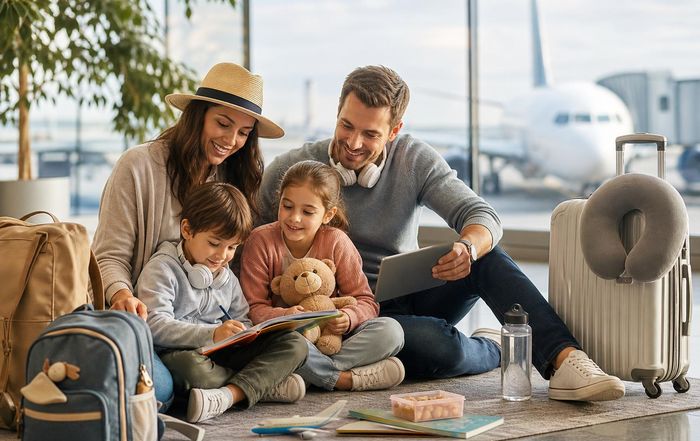
Family Travel Tips for Long Flights and Airport Layovers
Family travel has entered a new era in which long-haul flights and complex connections are no longer rare exceptions but a normal part of global life, and as international mobility expands, parents are increasingly seeking practical, evidence-based guidance to make those extended journeys smoother, healthier, and more enjoyable for everyone. For WorldWeTravel, whose still growing travelling community spans continents and time zones, the challenge is not simply to endure long flights and airport layovers, but to transform them into meaningful and even memorable parts of the family travel experience.
Understanding the Modern Long-Haul Family Journey
Over the past decade, the rise of ultra-long-haul routes, expanding low-cost carriers, and dynamic pricing has reshaped how families move across the world. Flights exceeding 10 hours are now common between hubs such as New York, London, Singapore, Sydney, and Dubai, and itineraries involving two or more connections often offer the best value for families seeking to explore distant destinations. According to route information from sources such as FlightRadar24 and airline schedules published by major carriers like Qantas and Singapore Airlines, ultra-long segments continue to operate on routes like New York-Singapore and Perth-London, which frequently attract families visiting relatives or combining work and leisure.
This environment means that planning family travel is no longer just about picking a destination; it is about thoughtfully navigating airports, aircraft cabins, time zones, and the emotional needs of children and caregivers alike. On WorldWeTravel, families exploring new destinations increasingly look for advice that integrates comfort, health, culture, and sustainability, recognizing that the journey can shape how children perceive the world and their place in it.
Preparing Before Departure: Setting the Foundation for a Smooth Trip
The most successful long-haul family trips are rarely improvised; they are built on careful preparation that balances structure with flexibility. Health organizations such as the Centers for Disease Control and Prevention and the World Health Organization recommend that families review health requirements and destination-specific advice several weeks before departure, especially when traveling with infants, pregnant travelers, or family members with chronic conditions. Verifying vaccination recommendations, packing necessary medications in carry-on bags, and carrying copies of prescriptions can prevent avoidable stress in transit, particularly during long layovers where access to pharmacies may be limited.
Parents planning itineraries through major hubs such as Heathrow, Frankfurt, Dubai, or Changi can benefit from consulting official airport websites, which typically list family facilities, play areas, quiet zones, and breastfeeding rooms. For example, Singapore Changi Airport and Heathrow Airport provide detailed maps and descriptions of family services, allowing travelers to plan where to rest, play, or shower during extended connections. Integrating this information into a personalized route through the airport helps children feel more secure, reduces the sense of chaos, and allows adults to allocate time for meals, movement, and relaxation.
On the practical side, aligning flight times with children's natural sleep patterns can make a significant difference on long routes. While there is no universal rule, many pediatric sleep experts, including those referenced by organizations such as the American Academy of Pediatrics, emphasize the value of preserving a familiar routine, even in transit. Choosing overnight flights when possible, packing familiar sleep items such as small blankets or soft toys, and rehearsing the idea of "sleeping on the plane" with young children before departure can ease the adjustment and reduce anxiety.
For the WorldWeTravel audience, integrating this preparation with broader trip planning is essential. Resources such as WorldWeTravel's family travel hub and its general travel guidance allow parents to coordinate flight logistics with hotel check-in times, ground transportation, and cultural activities at the destination, creating a coherent journey rather than a series of disconnected segments.
Packing Strategically for Comfort, Health, and Sanity
Packing for long flights and layovers with children is a balancing act between traveling light and being prepared for realistic contingencies. Aviation security authorities such as the U.S. Transportation Security Administration and the UK Civil Aviation Authority provide clear guidelines on liquids, baby food, and medical items, and families benefit from reviewing these rules in advance so that essential items are not confiscated at checkpoints. Many countries offer exemptions for breast milk, formula, and baby food, even when they exceed standard liquid limits, provided they are screened separately.
Health experts, including those at Mayo Clinic, highlight the importance of hydration, movement, and infection prevention on long flights. For families, this translates into packing refillable water bottles (to be filled after security), hand sanitizer that meets airline size regulations, disinfecting wipes for tray tables and armrests, and layers of clothing to adapt to fluctuating cabin and airport temperatures. A small, dedicated "health pouch" containing basic pain relievers appropriate for children, motion sickness remedies as advised by a pediatrician, saline nasal spray, and bandages can be invaluable, particularly when pharmacies are closed or difficult to access during layovers.
Equally important is a well-curated entertainment kit, which can transform hours in the air or on the ground into creative, educational, or calming moments. While digital devices are popular, organizations such as Common Sense Media encourage parents to balance screen time with offline activities such as books, puzzles, drawing materials, or simple travel-friendly games. For younger children, reusable sticker books, magnetic play sets, or compact building toys can offer quiet engagement without creating mess or noise that might disturb other passengers.
For families who rely on hotels to recharge between flights, WorldWeTravel offers a dedicated hotels guide that can help identify properties near major airports with family rooms, flexible check-in, and amenities such as pools or kids' clubs. Booking a day room during a very long layover can transform an exhausting wait into a restorative break, allowing children to nap in a real bed and adults to shower and regroup.
Navigating Airport Check-In and Security with Confidence
Airports can be overwhelming environments for children, with bright lights, crowds, queues, and unfamiliar procedures, yet with preparation and the right mindset, families can move through them efficiently and calmly. Many major airlines, including Lufthansa and Emirates, offer dedicated family check-in counters or priority boarding for travelers with young children, and taking advantage of these services can reduce waiting time and allow families to settle more easily at the gate. It is advisable to verify these policies on the airline's website before travel, as they can differ by route and aircraft type.
Security screening is often the most stressful stage, particularly when parents must manage liquids, strollers, laptops, and sometimes anxious children. Guidance from authorities such as the European Union Aviation Safety Agency and national security agencies emphasizes the value of organizing carry-on bags so that electronics and liquids are easy to remove, wearing slip-on shoes, and explaining the process to children in age-appropriate language. Practicing a "security rehearsal" at home, where children role-play placing items in bins and walking through an imaginary scanner, can demystify the experience and reduce fear.
Once through security, families can shift their focus to well-being and orientation. Many airports now offer interactive maps through their official apps, and some, like Amsterdam Schiphol and Hong Kong International Airport, highlight children's play areas, quiet rooms, and family restrooms. By identifying these spaces early, caregivers can create a gentle rhythm of movement, play, meals, and rest that carries children toward the flight in a calm and predictable way.
Turning Layovers into Mini-Adventures
For the community at worldwetravel, long airport layovers are increasingly viewed not as burdens but as opportunities to experience a new city, stretch legs, and create family memories. The feasibility of leaving the airport depends on visa requirements, security wait times, and the length of the connection, and official government sources such as U.S. Customs and Border Protection and UK Visas and Immigration should be consulted to ensure compliance with entry rules.
Some airports, notably Incheon International Airport in South Korea and Changi Airport in Singapore, have developed transit tours that allow passengers with sufficiently long layovers to join guided excursions into the city or nearby attractions, often free of charge or at modest cost. These programs are designed with time buffers to ensure that travelers return to the airport well before their onward flights, and they can be particularly enriching for older children who are curious about local culture, architecture, and food.
Even when remaining airside, families can design their own "micro-itineraries" within the terminal. Some hubs feature indoor gardens, art installations, aviation museums, or observation decks where children can watch aircraft movements. Others provide nap pods, yoga rooms, or quiet lounges that support rest and mindfulness. Combining these amenities with thoughtful dining choices-such as seeking out healthier options recommended by resources like Harvard T.H. Chan School of Public Health's nutrition guidance-can make layovers significantly more pleasant and help maintain energy and mood.
For those planning complex multi-stop routes, WorldWeTravel's global overview at worldwetravel.com/global.html and its curated tips section can assist in comparing different transit hubs, highlighting which airports are particularly family-friendly and how to align layover lengths with children's ages and temperaments.
Managing Sleep, Jet Lag, and In-Flight Comfort
Long-haul flights pose specific challenges related to sleep, circadian rhythms, and physical comfort, especially for children whose bodies are still developing. Research from institutions such as Sleep Foundation and Cleveland Clinic indicates that gradual adjustment to the destination time zone, exposure to natural light upon arrival, and strategic timing of sleep can mitigate jet lag symptoms. For families, this often means gently shifting bedtimes in the days before departure, encouraging children to sleep during the destination's night hours while in the air, and avoiding heavy meals or excessive sugar close to sleep periods.
On board, simple measures can significantly improve comfort. Wearing loose, layered clothing, using compression socks for older children and adults as recommended by medical professionals for long flights, and periodically walking the aisle when safe can reduce stiffness and the risk of circulation problems. Hydration is crucial, as cabin air is dry; health authorities such as the National Health Service (NHS) advise drinking water regularly while limiting caffeinated and sugary beverages, which can disrupt sleep and contribute to dehydration.
Parents should consult their pediatrician before considering any sleep aids for children, as organizations like the American Academy of Sleep Medicine caution against unmonitored use of melatonin or over-the-counter medications in young travelers. Non-pharmacological strategies, such as familiar bedtime routines, calming stories, gentle music, and dimmed personal lights, are widely regarded as safer and often effective. Noise-reducing headphones or soft earplugs designed for children can also help create a more restful environment.
For families balancing travel with wellness goals, WorldWeTravel's health-focused insights at worldwetravel.com/health.html provide additional guidance on staying well during long journeys, including tips on stretching, posture, and managing anxiety in the air.
Supporting Children's Emotions and Behavior in Transit
Beyond logistics, long flights and layovers are emotional experiences, and children often mirror the stress or calm of their caregivers. Child development experts, including those referenced by UNICEF, emphasize the value of preparation, empathy, and clear communication when helping children navigate unfamiliar situations. Explaining the journey step by step, using maps or simple drawings, and inviting children to participate in small decisions-such as choosing a snack or selecting a quiet corner to rest-can foster a sense of control and reduce fear.
When challenging behaviors arise, it is helpful to remember that hunger, fatigue, overstimulation, and discomfort are common triggers. Maintaining regular meal and snack times, encouraging short movement breaks in the aisle or terminal, and offering quiet time away from screens can prevent or de-escalate many conflicts. For neurodivergent children or those with sensory sensitivities, advance planning is particularly important. Some airlines and airports, including several in North America and Europe, have introduced sensory rooms and rehearsal programs for travelers with autism, and organizations such as Autism Speaks offer detailed guidance for families.
Respect for fellow passengers is an integral part of the experience. Modeling courtesy, acknowledging when children are noisy, and making visible efforts to comfort or redirect them can build goodwill in the cabin. Many travelers are understanding when they see parents actively engaged and responsive, and this shared humanity often transforms what could be moments of tension into opportunities for kindness.
Integrating Culture, Learning, and Sustainability into the Journey
Long flights and airport layovers can also become rich educational experiences that align with WorldWeTravel's commitment to culture, eco-consciousness, and global awareness. In-flight entertainment systems increasingly feature documentaries, language lessons, and destination guides curated by airlines and partners such as National Geographic or BBC, which provide age-appropriate introductions to local history, wildlife, and traditions. Parents can supplement these with printed maps, simple phrasebooks, or downloaded audio lessons, turning idle hours into an engaging classroom in the sky.
From a sustainability perspective, families are paying closer attention to the environmental impact of air travel. While aviation remains a significant source of emissions, organizations like the International Air Transport Association (IATA) and International Civil Aviation Organization (ICAO) document ongoing efforts to improve fuel efficiency and develop sustainable aviation fuels. Families can contribute by packing lighter, choosing airlines that publicly report and work to reduce their carbon footprint, and offsetting emissions through reputable programs vetted by independent evaluators such as Gold Standard. At the individual level, simple actions such as carrying reusable water bottles and utensils, minimizing single-use plastics, and recycling when facilities are available can model responsible behavior for children.
For readers seeking deeper insight into sustainable travel practices, WorldWeTravel's eco-focused content at worldwetravel.com/eco.html and its reflections on the global travel landscape provide a framework for making more mindful choices before, during, and after long journeys.
Choosing Family-Friendly Airlines, Cabins, and Airports
Not all airlines and airports are equally suited to family needs, and careful selection can significantly influence the quality of long-haul journeys. Independent review platforms such as Skytrax and consumer publications like Consumer Reports and Travel + Leisure regularly assess airlines and airports on service, comfort, and amenities, and while rankings can vary, they provide useful comparative insights. Families may prioritize seat pitch and width, in-flight entertainment options, child meals, and policies on strollers and checked baggage, all of which are usually detailed on airline websites.
When budget permits, premium economy cabins can offer a valuable compromise between cost and comfort, with extra legroom and sometimes enhanced meals that make long flights more manageable for parents holding children or accessing diaper bags and activity kits. Some carriers provide bassinets for infants in bulkhead rows, though these are subject to weight and age limits and must typically be reserved in advance. Reviewing these details on airline pages and confirming them with customer service can prevent misunderstandings at the gate.
Airport choice also matters when constructing itineraries with layovers. Hubs known for efficiency, clear signage, and family facilities can reduce stress and make tight connections more realistic. For example, Munich Airport and Zurich Airport are frequently praised in industry reviews for their organization and amenities, while Doha's Hamad International Airport and Dubai International Airport have invested heavily in art, play spaces, and relaxation zones.
On WorldWeTravel, parents exploring business travel with family or combining work with extended stays can also consult the platform's work and travel insights to identify routes and hubs that support both professional obligations and family comfort.
Recovering After Arrival and Reflecting on the Journey
The hours and days after a long-haul trip are as important as the flight itself, especially for children adjusting to new environments. Health authorities, including the World Health Organization, recommend allowing time for rest, maintaining hydration, and gradually adapting to local meal and sleep schedules. Gentle outdoor activities, such as walks in parks or along waterfronts, can provide exposure to natural light that helps reset circadian rhythms while also offering a soft introduction to the destination's atmosphere.
For families staying in hotels or resorts, selecting properties that offer quiet rooms, blackout curtains, and flexible dining options can ease the transition. WorldWeTravel's hotel recommendations at worldwetravel.com/hotels.html highlight accommodations that understand the needs of traveling families, from cribs and connecting rooms to kids' menus and wellness facilities. In some destinations, wellness-oriented retreats and family-friendly spas provide services such as gentle massages, yoga classes, or mindfulness sessions suitable for children, which can be particularly helpful after demanding journeys; readers can explore these options through WorldWeTravel's retreat-focused top content at worldwetravel.com/retreat.html.
Reflecting on the journey as a family can also deepen its value. Discussing what went well, what felt challenging, and what everyone learned about travel, patience, and the wider world helps children build resilience and confidence. It allows parents to adjust strategies for future trips, perhaps experimenting with different layover lengths, packing approaches, or airport choices. Over time, long flights and layovers become less intimidating and more like familiar rituals that frame the excitement of discovering new places.
Inspiring a New Generation of Confident Young Travelers
As global connectivity continues to expand, the children who travel today will grow up in a world where crossing oceans for study, work, or family connections is increasingly normal. By approaching long flights and airport layovers with intention, knowledge, and empathy, parents can help them develop not only practical skills but also a sense of curiosity, adaptability, and respect for diverse cultures. Organizations such as UNESCO and OECD emphasize the importance of global competence in education, and travel-when undertaken thoughtfully-can be a powerful complement to classroom learning.
For WorldWeTravel, sharing these positive insights is part of a broader mission to empower families worldwide to travel with confidence, health, and purpose. By drawing on trusted sources, lived expertise, and the collective wisdom of travelers across continents, the platform aims to transform the practical challenges of long-haul journeys into opportunities for growth and connection. Whether a family is flying from the United States to Europe, from Asia to Africa, or between neighboring countries, the principles remain the same: prepare carefully, travel kindly, care for body and mind, and embrace each stage of the journey as an integral, meaningful chapter in the story of seeing the world together.