

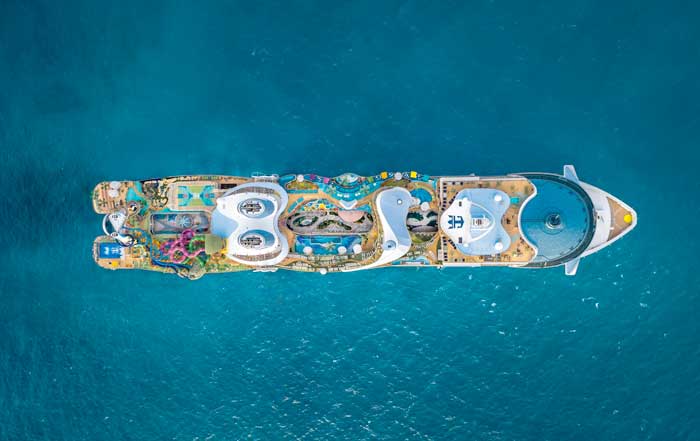
Cruise Holidays: How Modern Voyages Are Redefining Global Travel
A New Era of Cruising for the World We Travel Community
Cruise holidays have matured into one of the most sophisticated, data-driven, and guest-centric segments of global tourism, and for the readers of World We Travel, they now sit at the intersection of leisure, business, family life, and personal wellbeing. What began decades ago as a relatively uniform model of ocean travel has evolved into a highly differentiated ecosystem of ocean, river, expedition, luxury, and themed voyages that serve travelers from the United States, United Kingdom, Germany, Canada, Australia, and across Europe, Asia, Africa, South America, and North America.
Cruise lines in 2026 operate as complex hospitality and logistics platforms, combining elements of luxury hotels, entertainment resorts, wellness retreats, and mobile conference centers, all while moving guests between some of the world's most desirable destinations. For the business-focused audience of worldwetravel.com, cruise holidays are no longer merely an indulgence; they have become a strategic component of how families plan multi-generational travel, how companies design incentive programs and offsites, and how individuals structure remote work, health, and cultural enrichment around the globe.
The Enduring Allure of All-Inclusive, Multi-Destination Travel
The core attraction of cruising remains the same: an all-inclusive, multi-destination experience that removes friction from travel planning. Instead of separately arranging flights, hotels, restaurants, transfers, and entertainment, guests book a single product that includes accommodation, meals, transport between ports, and an extensive menu of activities. This integrated model is particularly compelling for time-poor professionals and families who want predictability in cost and logistics while still enjoying variety and discovery.
In 2026, leading cruise brands such as Royal Caribbean Group, Norwegian Cruise Line Holdings, and Carnival Corporation have refined this proposition with sophisticated itinerary design, using advanced demand forecasting and maritime routing tools to create voyages that blend iconic ports with emerging destinations. Travelers can sail from Miami to the Caribbean, from Southampton around Northern Europe, along the Mediterranean from Barcelona or Rome, or explore Asia from hubs like Singapore and Tokyo, often combining marquee cities with lesser-known coastal towns that offer a more authentic sense of local culture. Those interested in how cruise travel fits into the wider global tourism landscape can explore broader travel trends and analysis that contextualize this growth.
The emotional appeal of being at sea remains powerful. Long, unbroken horizons, the ritual of sunrise and sunset over the ocean, and the rhythm of sailing days interspersed with port calls create a sense of psychological reset that many land-based vacations struggle to replicate. For high-pressure professionals in London, New York, Frankfurt, Singapore, or Sydney, this blend of structure and serenity is a key reason they return to cruising as a preferred form of rest and reconnection.
Multi-Generational and Family Travel at Scale
Families have emerged as one of the most important customer segments for cruise lines, and in 2026 ships are designed from the keel up to accommodate parents, children, and grandparents traveling together. For the World We Travel audience planning family-focused itineraries, cruises now function as floating family resorts where each generation can pursue their own interests without fragmenting the overall vacation.
Children's and teen programs have become highly specialized, with age-banded clubs, STEM workshops, digital creativity labs, supervised sports, and character-led entertainment. Major lines collaborate with brands such as LEGO, Disney, and prominent educational partners to deliver structured, safe, and engaging experiences for young guests. This allows parents to balance shared family time with moments of personal relaxation or adult-oriented activities, confident that their children are in secure, professionally managed environments. Organizations like CLIA (Cruise Lines International Association) provide additional guidance for families evaluating safety and operational standards; those interested can learn more about cruise industry standards.
Accommodation design has evolved to reflect the reality of multi-generational travel. Many ships now feature family suites, interconnecting cabins, and flexible bedding configurations, allowing grandparents from Canada, parents from the United States, and children studying in the United Kingdom to share space in ways that respect privacy and comfort. Dining has also diversified, with buffet venues, casual eateries, and specialty restaurants offering menus that can accommodate everything from picky young eaters to guests adhering to plant-based, low-sodium, or medically indicated diets, in line with global guidance from organizations such as the World Health Organization.
For families comparing cruises with land-based resorts, the ability to visit multiple countries-such as Italy, Spain, France, and Greece-in a single week without constant packing and unpacking is a decisive advantage, creating shared memories across generations while maintaining operational simplicity.
Senior Travelers and the Rise of Enrichment-Focused Voyages
Senior travelers, particularly retirees from Germany, Sweden, Norway, Japan, and New Zealand, continue to form a significant and influential segment of the cruise market. In 2026, many of them are healthier, more active, and more globally minded than previous generations, and they seek cruises that combine comfort and safety with intellectual stimulation and meaningful cultural engagement.
Longer itineraries, including world cruises and extended grand voyages, have grown in popularity as seniors leverage their time flexibility to explore Asia, Africa, South America, and remote regions such as Antarctica and the Arctic. Lines like Viking, Holland America Line, and Cunard Line emphasize enrichment programming, offering lectures by historians, economists, authors, and former diplomats, often in partnership with universities and cultural institutions. Travelers can deepen their understanding of global economics, geopolitics, and cultural history, complementing broader insights available through global economy coverage.
Accessibility and health security are central to this demographic's decision-making. Modern ships are built with accessible cabins, ramps, elevators, and assistive technologies aligned with best practices from organizations such as the U.S. Centers for Disease Control and Prevention and the European Union's transport accessibility guidelines. Onboard medical centers are staffed by licensed physicians and nurses, and post-pandemic protocols refined in the early 2020s have resulted in more rigorous hygiene, air filtration, and outbreak management systems. For travelers with chronic conditions or mobility challenges, this combination of medical readiness and environmental control offers reassurance that can be harder to guarantee in more fragmented land-based itineraries.
Romantic Escapes and Luxury Experiences for Couples
Couples from France, Italy, Spain, Switzerland, and beyond are increasingly turning to cruises as a sophisticated alternative to traditional city breaks or beach holidays. Honeymoons, anniversaries, vow renewals, and milestone birthdays are often celebrated at sea, where curated experiences and tailored service can create a sense of occasion that aligns with the expectations of discerning travelers.
Luxury and ultra-luxury brands such as Seabourn, Regent Seven Seas Cruises, and Silversea Cruises have expanded their fleets with smaller, high-end vessels featuring spacious suites, butler service, fine dining curated by Michelin-starred chefs, and intimate lounges. These ships often carry fewer guests, allowing for a quieter, more personalized atmosphere that appeals to couples seeking privacy and exclusivity. Those interested in the standards shaping premium hospitality can explore guidelines and insights from organizations like Forbes Travel Guide and Virtuoso.
Many large-ship operators now incorporate "ship-within-a-ship" concepts-exclusive suite complexes with private pools, lounges, and dining rooms-offering couples a luxury enclave while preserving access to the broader ship's entertainment and facilities. Sunset dinners on private balconies, couples' spa rituals informed by global wellness practices, and curated shore excursions-such as vineyard visits in Tuscany, hot-air balloon rides over Cappadocia, or private yacht charters in the Greek Islands-turn cruise holidays into bespoke romantic journeys. For readers considering a more restorative angle, World We Travel also highlights how cruises can complement land-based retreat and wellness experiences.
Solo Travelers, Community, and Safety at Sea
The growth of solo travel, particularly among professionals from Singapore, South Korea, Japan, United Kingdom, and United States, has reshaped cruise product design. Historically, single supplements made cruising an expensive option for solo guests, but in 2026 many lines now offer purpose-built solo cabins, studio lounges, and social programming designed to foster community without compromising independence.
Cruises provide a structured yet flexible environment where solo travelers can explore Europe, Asia, or the Caribbean without navigating unfamiliar cities alone at night or constantly arranging local logistics. Group shore excursions, shared dining tables, and activity-based meetups-such as photography walks, wine tastings, or language classes-offer low-pressure opportunities to connect with fellow guests. At the same time, the controlled environment of the ship, supported by robust security and surveillance systems, appeals to those who prioritize personal safety, particularly women traveling alone. Organizations such as Travelers' Health initiatives from the World Health Organization and national foreign offices provide additional guidance on safe international movement, which many solo cruisers consult when planning complex itineraries.
For remote workers and digital nomads, some cruise lines now offer extended "work from sea" packages, integrating high-bandwidth satellite internet, quiet co-working spaces, and tailored time-zone sensitive activities. This aligns with broader shifts in flexible work models that the World We Travel community can explore further through its dedicated work and travel insights.
Entertainment, Technology, and the Floating Smart City
The modern cruise ship has effectively become a floating smart city, integrating hospitality, entertainment, retail, and advanced technology in a single platform. Guests sailing from Fort Lauderdale to the Caribbean, from Vancouver to Alaska, or from Singapore to Thailand and Malaysia can expect a level of onboard choice that rivals major resort destinations.
Entertainment spans Broadway-style productions, live music, comedy clubs, immersive multimedia shows, and cinematic experiences. Partnerships with entertainment giants such as Disney, Cirque du Soleil, and major music labels have raised the bar for performance quality. At the same time, experiential attractions-indoor skydiving, surf simulators, ice rinks, zip lines, and virtual reality gaming-provide high-energy options for younger guests and adventure seekers. Readers interested in the technological dimension of this evolution can learn more about travel technology trends shaping both ship design and guest experience.
Behind the scenes, ships leverage Internet of Things (IoT) networks, AI-driven personalization, and advanced maritime engineering. Wearable devices and mobile apps allow guests to open cabin doors, order food, reserve seats at shows, and track children's locations in real time, while also enabling operators to optimize crowd flow and reduce wait times. Satellite connectivity, improved significantly since the early 2020s, supports not only guest internet access but also real-time operational data exchange with shore-based control centers, enhancing safety, fuel efficiency, and environmental compliance. Organizations such as the International Maritime Organization and DNV play a central role in defining the technical and safety standards that underpin this complexity.
Destination Immersion: From Iconic Ports to Remote Frontiers
While ships themselves have grown more sophisticated, the quality of destination experiences remains a decisive factor for cruise guests. Travelers increasingly want depth rather than mere "port sampling," and in 2026 cruise lines respond with more immersive, locally anchored shore programs.
In Europe, guests may combine marquee cities such as Barcelona, Rome, Athens, and Amsterdam with smaller ports in Croatia, Portugal, or the Norwegian fjords, where curated excursions highlight local food, crafts, and traditions. In Asia, itineraries might blend major hubs like Singapore, Hong Kong, and Tokyo with calls in Thailand, Vietnam, Malaysia, and South Korea, offering a spectrum of culinary, cultural, and historical experiences. For those keen to explore how cruise destinations fit into wider regional dynamics, World We Travel provides complementary coverage in its global travel section.
Expedition cruising has expanded dramatically, opening up Antarctica, Greenland, the Galápagos Islands, and remote corners of South America, Africa, and the Arctic to a broader audience. These small-ship experiences, led by expert naturalists and scientists, focus on wildlife observation, glaciology, and climate science, often in collaboration with organizations such as the World Wildlife Fund and National Geographic. Guests may kayak among icebergs, participate in citizen science projects, or visit research stations, gaining a more nuanced understanding of environmental change and conservation.
River cruising, particularly on the Danube, Rhine, Seine, Douro, Mekong, and Yangtze, offers a different kind of immersion. Smaller vessels dock in the heart of historic towns and cities, enabling guests to walk directly into cultural districts, markets, and museums. For travelers who prioritize art, history, and gastronomy, these itineraries complement broader cultural travel insights that highlight how local heritage shapes modern destinations.
Health, Wellness, and the Cruise as a Moving Retreat
The convergence of health, wellness, and travel has accelerated since the global health crises of the early 2020s, and cruise lines have responded by positioning their ships as holistic wellbeing environments. For the World We Travel audience, which increasingly evaluates holidays through the lens of physical and mental health, this shift is particularly relevant.
Onboard wellness offerings now extend far beyond traditional spas and gyms. Guests can participate in evidence-informed fitness programs, mindfulness and meditation sessions, sleep optimization workshops, and nutrition consultations, often developed with input from medical advisors and wellness brands. Thermal suites, hydrotherapy pools, and recovery zones cater to travelers seeking restorative experiences, while outdoor running tracks, yoga decks, and cycling excursions encourage active engagement with destinations. Those who wish to contextualize these trends within broader health guidance can explore resources from institutions such as the Mayo Clinic and Harvard T.H. Chan School of Public Health.
Post-pandemic, health security remains a core pillar of cruise operations. Ships maintain enhanced sanitation protocols, upgraded HVAC and air filtration systems, and refined medical contingency plans. Collaboration with public health authorities, including the U.S. CDC's Vessel Sanitation Program, has produced transparent frameworks that travelers can review when evaluating different lines. For a broader view of how health considerations intersect with travel choices, readers can refer to health-oriented travel insights curated for the World We Travel community.
Sustainability, Regulation, and the Future of Responsible Cruising
As cruise capacity expands and ships visit more fragile ecosystems, scrutiny of the sector's environmental and social impact has intensified. In 2026, sustainability is no longer a peripheral marketing message but a strategic imperative that shapes ship design, itinerary planning, and port partnerships.
Many new vessels are powered by liquefied natural gas (LNG) or hybrid systems, and the industry is investing heavily in alternative fuels, including methanol and biofuels, to align with decarbonization targets set by bodies such as the International Maritime Organization and national regulators. Shore power capabilities allow ships to plug into local electrical grids in ports like Oslo, Vancouver, and Los Angeles, reducing emissions while docked. Waste management systems, advanced wastewater treatment, and initiatives to eliminate single-use plastics are becoming standard, reflecting guidelines from organizations such as the UN Environment Programme.
Social sustainability is equally important. Cruise lines increasingly collaborate with local communities to design shore excursions that distribute economic benefits more equitably, avoid overtourism in sensitive areas, and respect cultural heritage. Travelers who want to align their choices with broader environmental and social values can learn more about sustainable business practices and explore World We Travel's dedicated eco and sustainability content, which examines how tourism can support long-term resilience for destinations worldwide.
Strategic Considerations When Choosing a Cruise in 2026
For business leaders, families, and independent professionals reading worldwetravel.com, selecting the right cruise in 2026 involves a structured assessment of objectives, budget, and risk tolerance, much like any significant business decision. Key variables include destination, ship size, demographic profile, onboard amenities, and sustainability credentials.
Families may prioritize large ships in the Caribbean, Mediterranean, or Alaska with extensive children's facilities and entertainment, while senior travelers might gravitate toward mid-size or smaller ships with enrichment programs and longer itineraries. Couples seeking privacy and high-touch service often choose luxury or ultra-luxury brands, whereas solo travelers may focus on lines that offer solo cabins, social programming, and strong safety reputations. Business groups and corporate incentive programs increasingly evaluate ships as venues for conferences, product launches, or executive retreats, weighing factors such as onboard meeting spaces, connectivity, and the prestige associated with specific brands; those planning such events can find additional context in World We Travel's business travel insights.
Reputation and transparency matter greatly. Prospective guests routinely review safety records, environmental performance, and guest satisfaction metrics from independent platforms and regulators, including port state control databases and consumer advocacy organizations. Resources such as Cruise Critic, Travel + Leisure, provide qualitative assessments, while official channels from operators like Royal Caribbean, Norwegian Cruise Line, and Viking detail fleet specifications, itineraries, and onboard protocols.
For those planning complex, multi-country journeys that combine cruises with land stays, World We Travel offers practical travel tips and planning guidance, helping readers integrate voyages into broader itineraries that might include city stays in London, New York, or Singapore, or extended time in regional hubs across Europe, Asia, and Oceania.
The Role of World We Travel in the Cruise Decision Journey
As cruising continues to evolve in scope, complexity, and ambition, travelers need trusted, independent perspectives that go beyond marketing narratives. World We Travel positions itself as that strategic partner, providing analysis that integrates destination knowledge, economic context, technological innovation, health and safety considerations, and sustainability frameworks into a coherent view of what cruise holidays can offer in 2026 and beyond.
For readers exploring where to sail next, the site's curated coverage of global destinations, hotel and accommodation trends, and broader travel insights allows cruise decisions to be made within the wider context of personal and professional goals. Whether the priority is creating shared experiences for a multi-generational family from Canada, Germany, and Australia, designing an incentive trip for a sales team across Europe and Asia, or planning an extended, wellness-focused journey that balances sea days with cultural immersion on land, cruise holidays in 2026 offer a flexible, sophisticated platform on which to build.
In this environment, the most successful travelers are those who approach cruising with the same rigor they would apply to major investments or strategic initiatives: clarifying objectives, understanding risk and return, and selecting partners-whether cruise lines, travel advisors, or information sources-whose expertise, authoritativeness, and trustworthiness are demonstrable. For that audience, World We Travel serves not only as an inspiration hub but as an informed, globally oriented advisor, helping ensure that each voyage at sea contributes meaningfully to a broader portfolio of life, work, and travel experiences.