

Wearable Tech And The Future Of Travel: A Strategic Guide For Global Travelers And Businesses
The intersection of travel and technology has become one of the most dynamic frontiers in the global visitor economy, reshaping how individuals, families, and corporate travelers plan, experience, and evaluate every journey. For the community around WorldWeTravel.com, which spans leisure explorers, business leaders, digital nomads, and travel decision-makers from the United States, United Kingdom, Germany, Canada, Australia, Singapore, Japan, and beyond, wearable technology is no longer a niche add-on; it is a core infrastructure layer that underpins safety, productivity, wellness, and sustainability on the road. From advanced smartwatches and biometric health monitors to augmented reality glasses, smart luggage, and hyper-efficient connectivity solutions, the new generation of wearables is rewriting expectations of what a seamless trip should look like, whether that journey leads to New York, London, Berlin, Singapore, Tokyo, Cape Town, or remote eco-retreats across Asia, Europe, Africa, and South America.
This article explores how these technologies are maturing in 2026, what they mean for travelers and businesses, and how organizations that rely on travel can align their strategies with these changes. It is written from the perspective of WorldWeTravel.com, whose focus on destinations, travel, business, technology, and health puts it at the center of this transformation.
Smart Wearables As The New Travel Infrastructure
The most important shift between the early 2020s and 2026 is that wearable technology has moved from being a personal gadget category to a de facto component of travel infrastructure. For many travelers across North America, Europe, and Asia-Pacific, boarding a flight without a smartwatch, smart band, or health-tracking ring now feels as incomplete as traveling without a passport. Organizations such as Apple, Samsung, Garmin, Google, and Huawei have consolidated their positions by integrating navigation, payments, health analytics, and security features into cohesive ecosystems that follow the traveler from home to airport, hotel, meeting room, and retreat.
Regulatory and industry frameworks have accelerated this evolution. Aviation and security bodies, including the International Air Transport Association (IATA), have increasingly highlighted digital identity, biometrics, and mobile credentials as key to the "airport of the future." Learn more about how global air travel is being reshaped by digital tools on the IATA website. In parallel, hospitality groups and travel management companies have been investing in wearable-compatible check-in, room access, loyalty programs, and wellness services, reinforcing the perception of wearables as a trusted mediator between traveler and service provider.
For the audience of WorldWeTravel.com, this means that wearable technology is no longer an optional convenience. It is now deeply embedded in how itineraries are designed, how risk is assessed, how family and corporate travel policies are implemented, and how value is measured across increasingly complex journeys that span multiple regions and time zones.
Smartwatches As Command Centers For Modern Travel
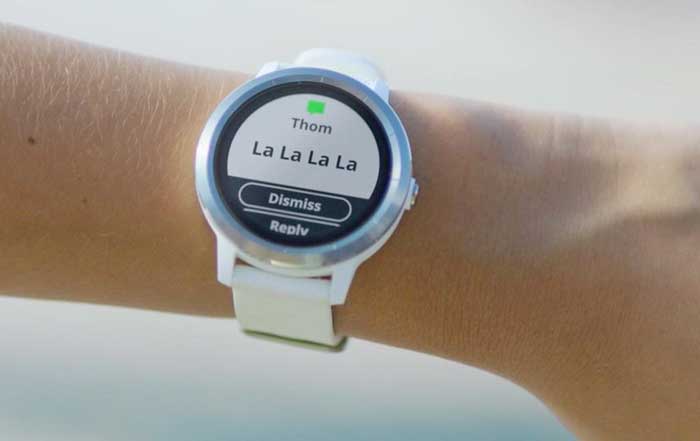
In 2026, smartwatches have matured into powerful, wrist-based command centers that orchestrate every stage of the journey. Leading platforms such as Apple Watch, Samsung Galaxy Watch, and Garmin devices combine navigation, payments, identity verification, health monitoring, and communication in a way that is particularly valuable to frequent travelers and business executives who must remain productive and reachable across continents.
Navigation has become more context-aware and less dependent on the smartphone. Enhanced satellite systems and mapping platforms such as Google Maps and HERE Technologies enable smartwatches to deliver turn-by-turn directions in dense urban environments like New York, London, Tokyo, and Singapore, as well as in remote regions of Scandinavia, South Africa, and New Zealand, often with offline capabilities that are essential when connectivity is patchy. Business travelers can leave their phones in their bags and still find their way through unfamiliar business districts, conference venues, or industrial parks with minimal friction.
Payments and identity are now integral to the smartwatch experience. Services including Apple Pay, Google Wallet, and Samsung Pay are widely supported across airports, metro systems, hotels, and restaurants in key markets such as the United States, United Kingdom, Germany, France, Italy, Spain, the Netherlands, Singapore, and Japan. Travelers can move through their day with a tap of the wrist, from airport security to hotel check-in to a cafe near a client's office. Learn more about the evolution of digital payments and their security standards from the Bank for International Settlements at the BIS website.
For corporate travelers and global mobility managers, health monitoring has become a strategic consideration rather than a lifestyle add-on. Modern smartwatches measure heart rate variability, blood oxygen levels, sleep cycles, stress indicators, and activity metrics, helping travelers mitigate the impact of jet lag, long-haul flights, and irregular schedules. Organizations that manage global teams are increasingly integrating these insights into their duty-of-care frameworks, encouraging healthier travel patterns and using anonymized, aggregated data to refine travel policies. Readers interested in how these trends intersect with global labor and workplace standards can explore the International Labour Organization resources on work-related health and well-being.
For WorldWeTravel.com, these developments shape how itineraries and advice are curated. When the platform recommends a demanding multi-city business trip or a long-haul family vacation, the assumption is that the traveler will rely on a smartwatch to coordinate flights, ground transport, hotel access, and wellness routines, and guidance is tailored accordingly across sections such as business travel and family journeys.
Augmented Reality Glasses And Immersive Exploration
Augmented reality (AR) glasses, once viewed as experimental, have matured into credible tools for both leisure and corporate travel in 2026. Organizations such as Meta, Microsoft, Google, and a growing ecosystem of specialized AR hardware manufacturers in the United States, Europe, South Korea, and Japan have refined their devices to be lighter, more discreet, and more battery-efficient, making them viable companions for city walks, museum visits, industrial site tours, and executive site inspections.
For leisure travelers, AR glasses overlay digital information directly onto the physical world, transforming cityscapes from London to Rome, Paris, Berlin, Amsterdam, Barcelona, and Tokyo into dynamic, interactive learning environments. As a traveler walks through the historic streets of Florence or Kyoto, contextual data about architecture, art, and cultural practices can appear in their field of view, often curated in partnership with museums, tourism boards, and cultural institutions. The UNESCO World Heritage Centre provides a useful framework for understanding the cultural significance of many of these sites, which can be explored further at the UNESCO website.
Language barriers, a long-standing friction point for travelers in Asia, Europe, and South America, are increasingly mitigated by real-time translation overlays. AR devices working with cloud-based translation engines from companies such as Google, Microsoft, and DeepL can display translated versions of street signs, menus, and informational boards, supporting more confident, independent travel in destinations such as China, Japan, Thailand, Brazil, and France. While these translations are not perfect, they are sufficiently reliable to support daily navigation, dining, and simple commercial interactions.
In business contexts, AR glasses are being used for on-site training, remote inspections, and hybrid meetings. Executives visiting factories in Germany, logistics hubs in the Netherlands, renewable energy projects in Denmark, or tech campuses in South Korea can access real-time overlays of operational data, safety instructions, and workflow diagrams. This is particularly relevant for multinational companies that must maintain consistent standards across geographically dispersed operations. Learn more about how extended reality is transforming industry and training at the World Economic Forum's insights on emerging technologies.
For WorldWeTravel.com, AR shapes how destination content is conceived. Instead of simply describing a location, there is an increasing emphasis on how digital layers can enhance on-the-ground experiences, whether in a cultural district, at a wellness retreat, or during an offsite corporate workshop. This shift is reflected across sections such as destinations, culture, and retreats and wellness travel.
Health Monitoring And The New Duty Of Care
In a world where global mobility has resumed at scale, health monitoring wearables have become a central pillar of responsible travel. The lessons learned from the early 2020s, combined with demographic shifts and rising awareness of mental and physical well-being, have led both travelers and organizations to treat health data as a strategic asset rather than a peripheral concern.
Portable ECG monitors and advanced health rings or patches from companies such as Withings, Oura, and AliveCor enable travelers with known cardiovascular risks or chronic conditions to monitor their status in real time. These devices can detect irregular heart rhythms, track recovery after long flights, and provide early warnings that may prompt medical consultation before minor issues escalate. The World Health Organization (WHO) continues to underline the importance of cardiovascular health and early detection, and its guidance on global health trends can be found at the WHO website.
For frequent travelers crossing multiple time zones-from New York to London, from Frankfurt to Singapore, from Sydney to Los Angeles-advanced fitness trackers now provide more than step counts. They offer evidence-based recommendations on sleep timing, light exposure, and activity patterns to mitigate jet lag and maintain cognitive performance. These insights are particularly valuable for executives, consultants, and remote workers whose decision-making and creativity must remain sharp despite constant movement. The National Institutes of Health (NIH) and other research institutions have contributed to a deeper understanding of circadian rhythms and travel-related fatigue, and more information on sleep and health can be found via the NIH website.
Mental well-being has also entered the foreground. Wearables capable of tracking stress indicators, such as heart rate variability and breathing patterns, are increasingly integrated with mindfulness and resilience apps that guide travelers through short interventions in airport lounges, hotel rooms, or between meetings. For the WorldWeTravel.com audience, this intersects with growing interest in wellness retreats, digital detox journeys, and restorative experiences, which are explored in depth in the platform's health and retreat sections.
For organizations managing global teams, these tools support a more robust duty-of-care strategy. Travel policies can be designed to encourage healthier itineraries, longer recovery windows, and access to wellness services at partner hotels and retreats. This reflects a broader shift toward sustainable work models, which the Organisation for Economic Co-operation and Development (OECD) discusses within its analysis of future of work and productivity.
Smart Luggage And Biometric Security
Smart luggage, once viewed largely as a novelty, has matured into a serious category that combines logistics efficiency, security, and data-driven insights into traveler behavior. Leading luggage and travel-tech companies in the United States, Europe, and Asia now integrate GPS modules, biometric locks, and weight sensors into their products, creating a connected ecosystem that supports both individual travelers and corporate travel programs.
GPS-enabled suitcases allow travelers to monitor the location of their bags in real time through dedicated smartphone apps, reducing anxiety during layovers and providing clearer evidence when bags are misrouted. This functionality aligns with broader improvements in baggage handling, supported by airlines and airports that are under pressure to reduce lost luggage incidents. Industry perspectives on these developments can be explored through the Airports Council International (ACI World), whose insights are available at the ACI World website.
Biometric locks have become a standard feature in higher-end smart luggage lines, relying on fingerprint or facial recognition to secure access. These systems, while still subject to careful privacy and data protection considerations, significantly reduce the risk of opportunistic theft in transit hubs across North America, Europe, and Asia. They also align with broader trends toward biometric identity in travel, including e-gates at borders and facial-recognition-based boarding processes. The International Organization for Standardization (ISO) continues to refine standards related to biometrics and security, which can be reviewed at the ISO website.
For WorldWeTravel.com, smart luggage is integrated into practical guidance on packing, security, and risk management, particularly in content aimed at business travelers, families with children, and solo travelers. Through sections such as travel tips and global travel insights, the platform helps readers understand when these investments are justified and how to balance convenience, cost, and data privacy.
Power And Connectivity: The Hidden Backbone Of Wearable Travel
Behind every successful wearable experience lies a reliable supply of power and connectivity. As travelers carry more devices-smartwatches, AR glasses, health trackers, smartphones, laptops-the need for efficient charging and robust connectivity has become a defining feature of modern travel planning.
Portable power solutions have improved significantly. High-density power banks with fast-charging capabilities, compact multi-device charging hubs, and lightweight solar chargers allow travelers to maintain continuity of service even in regions with less developed infrastructure, such as remote areas of Africa, South America, Southeast Asia, and parts of Eastern Europe. For sustainability-focused travelers and organizations implementing environmental, social, and governance (ESG) strategies, solar chargers and energy-efficient accessories support lower carbon footprints and align with broader commitments to responsible travel. Learn more about sustainable business practices and climate-related travel considerations from the UN Environment Programme (UNEP) at the UNEP website.
Connectivity has become equally critical. Portable Wi-Fi hotspots, eSIM-based global data plans, and signal boosters are now standard tools for many international travelers, particularly those whose work depends on uninterrupted access to cloud services, collaboration platforms, and corporate networks. The rollout of 5G networks across major hubs in the United States, United Kingdom, Germany, South Korea, Japan, Singapore, and the Nordic countries has improved performance, but coverage gaps remain, especially in rural and remote regions. The International Telecommunication Union (ITU) provides a global overview of connectivity trends and digital infrastructure, which can be explored at the ITU website.
For the WorldWeTravel.com audience, connectivity tools are not just about convenience. They underpin the viability of remote work arrangements, digital nomad lifestyles, and hybrid corporate travel models that blend meetings, retreats, and extended stays. The platform's work and travel and technology sections therefore place strong emphasis on understanding local connectivity conditions, regulatory climates, and data security practices in key markets from North America to Europe and Asia-Pacific.
Safety, Privacy, And Trust In A Hyper-Connected Travel World
As wearable technology becomes more deeply embedded in travel, questions of safety, privacy, and trust have taken center stage. Devices that continuously collect location, biometric, and behavioral data provide immense value, but they also create potential vulnerabilities that must be addressed by travelers, businesses, and policymakers.
Personal safety devices, including discreet personal alarms, location-sharing wearables, and smart locks for accommodation, are now widely used by solo travelers, particularly women and younger professionals navigating unfamiliar cities. These tools have been integrated into safety strategies recommended by many national travel advisories and risk management firms. Government travel resources, such as those provided by the U.S. Department of State on its travel advisory page, increasingly reference digital tools as part of comprehensive safety planning.
At the same time, data privacy regulations such as the EU General Data Protection Regulation (GDPR) and its counterparts in the United Kingdom, Canada, Brazil, and several Asia-Pacific jurisdictions shape how wearable data can be collected, stored, and shared. Travelers are becoming more selective about which platforms and providers they trust with their data, favoring companies that are transparent about data use, provide clear consent mechanisms, and offer robust security protections. Guidance on digital rights and privacy can be found through organizations such as the European Data Protection Board, whose materials are available at the EDPB website.
For WorldWeTravel.com, trust is a foundational principle. The platform's content emphasizes informed decision-making, encouraging readers to evaluate wearable technologies not only for their features but also for their data governance practices and alignment with personal and corporate risk tolerances. Whether advising a family planning a multi-country vacation, a startup team organizing an offsite in Thailand, or a multinational designing a global travel policy, the emphasis is on balancing innovation with responsible use.
How Travelers And Businesses Can Strategically Adapt In 2026
In 2026, the question facing travelers and organizations is not whether to adopt wearable technology, but how to do so strategically, in a way that strengthens experience, productivity, and resilience without compromising privacy, sustainability, or cultural authenticity. For individuals, this means selecting a coherent ecosystem of devices-smartwatch, health tracker, AR glasses, smart luggage, connectivity tools-that align with their typical travel patterns, destinations, and health profiles. For families, it may involve equipping children or older relatives with simple, robust wearables that support location sharing, safety alerts, and basic health monitoring during trips, a topic explored in the family travel resources on WorldWeTravel.com.
For businesses, the stakes are higher and more complex. Corporate travel programs must now consider wearable compatibility when selecting airlines, hotels, and retreat venues, evaluate the data implications of encouraging or subsidizing health trackers, and balance the benefits of continuous monitoring with respect for employee autonomy and privacy. Economic and policy perspectives on these shifts can be consulted through institutions such as the International Monetary Fund (IMF), which provides analysis on global economic trends that indirectly shape travel demand, investment, and workforce mobility.
Across all these scenarios, WorldWeTravel.com serves as a bridge between technology, destinations, and lived experience. By combining expertise in global travel, economy and travel trends, and on-the-ground tips, the platform helps readers translate abstract innovations into concrete travel strategies that work in New York and London as well as in Bangkok, Cape Town, Rio de Janeiro, or Helsinki.
As the decade progresses, wearable technology will continue to evolve, incorporating more advanced sensors, richer contextual intelligence, and deeper integration with transportation, hospitality, and workplace systems. Yet the fundamental questions will remain consistent: does this technology make travel safer, healthier, more sustainable, and more meaningful? In 2026, the answer is increasingly yes-but only when travelers and organizations engage with these tools thoughtfully, guided by expertise, evidence, and a clear sense of purpose.