

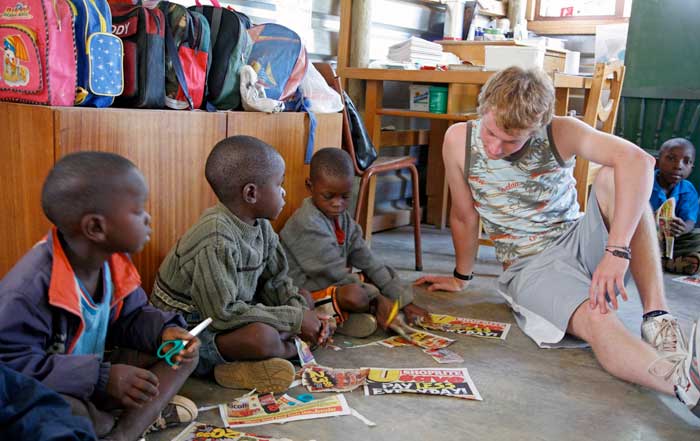
Volunteering Abroad in 2026: How Purpose-Driven Travel Is Redefining the Global Journey
Meaningful Travel in a Changed World
By 2026, international travel has moved far beyond the traditional pursuit of leisure, with a growing number of travelers now seeking experiences that combine exploration, personal growth, and social impact. For the global audience that turns to WorldWeTravel.com for guidance on destinations, business travel, family trips, and responsible tourism, volunteering abroad has become one of the most compelling ways to experience the world with intention. From North America and Europe to Asia, Africa, and South America, individuals and organizations are rethinking what it means to travel well, placing greater emphasis on ethical engagement, sustainability, and long-term community benefit.
This evolution has been shaped by several converging trends: heightened awareness of global inequality, increased visibility of climate and biodiversity crises, the rise of remote and hybrid work, and a renewed appreciation for authentic cultural exchange after years of disrupted mobility. As a result, volunteer travel-once perceived as a niche activity for students or gap-year travelers-has matured into a structured, multi-stakeholder ecosystem involving NGOs, social enterprises, universities, corporations, and specialist travel providers. Platforms such as GoAbroad and Volunteer World now act as global marketplaces for vetted volunteer projects, enabling travelers to search programs by region, skill set, and impact area, while also setting clearer expectations about costs, responsibilities, and outcomes. Travelers who begin their planning with broad destination research on resources like the WorldWeTravel destinations hub increasingly narrow their choices based on where their time, expertise, and values can create the greatest positive effect.
The New Geography of Volunteer Travel
Southeast Asia: Community, Culture, and Conservation
Southeast Asia continues to be one of the most dynamic regions for international volunteers, attracting participants from the United States, United Kingdom, Germany, Canada, Australia, and across Asia and Europe. Countries such as Thailand, Vietnam, and Cambodia have developed robust frameworks for hosting volunteers, particularly in education, community development, and environmental protection. Specialized providers like Plan My Gap Year have helped professionalize these experiences, offering structured placements that balance hands-on engagement with cultural immersion, language exposure, and safety standards appropriate for both younger volunteers and experienced professionals.
In Thailand, the shift toward ethical wildlife experiences has been especially notable. Following years of criticism of exploitative elephant tourism, a new generation of sanctuaries and conservation centers-guided by best practices promoted by organizations like the World Wildlife Fund-now focus on habitat restoration, veterinary care, and public education rather than entertainment. Travelers who once might have booked a short elephant ride now increasingly seek to understand the broader ecosystem, contributing to data collection, reforestation, and responsible tourism initiatives. Those planning such experiences often combine them with broader regional itineraries using resources like the WorldWeTravel travel overview, integrating leisure, cultural discovery, and volunteer service into a single journey.
In Cambodia and Vietnam, education-focused programs remain central, yet the model has evolved. Volunteers are more likely to support local teachers, help develop curriculum resources, or contribute to after-school enrichment rather than take over classrooms entirely. This aligns with guidance from global education bodies such as UNESCO, which emphasize capacity-building and local ownership. In rural areas, volunteers may assist with digital literacy, STEM clubs, or English conversation practice, particularly in communities that rely on tourism and international trade, while also learning about local history, religion, and post-conflict reconstruction in ways that deepen their understanding of the region's complexities.
Sub-Saharan Africa: Development, Healthcare, and Biodiversity
Sub-Saharan Africa remains a powerful draw for volunteers motivated by development, healthcare, and conservation. Countries including Kenya, Tanzania, South Africa, and Ghana have become established hubs for structured volunteer programs that emphasize collaboration with local NGOs and government agencies. Organizations such as African Impact have played a key role in setting higher ethical and operational standards, integrating impact measurement, community consultation, and long-term project design.
In East Africa, wildlife conservation projects often operate in partnership with national parks and research institutes, aligning their work with guidelines recommended by bodies like the International Union for Conservation of Nature (IUCN). Volunteers may support anti-poaching units through data entry and mapping, assist with camera trap analysis, or participate in community outreach that links conservation to sustainable livelihoods. Rather than positioning foreign volunteers as "saviors," these programs increasingly frame them as temporary contributors to locally led strategies, echoing the principles of responsible travel promoted in the WorldWeTravel eco and sustainability section.
Healthcare volunteering has also evolved significantly. In Ghana, South Africa, and other countries with strong public health frameworks, volunteers are more likely to participate in health education, administrative support, or non-clinical roles unless they hold appropriate qualifications and are working under local supervision. This shift reflects guidance from organizations such as the World Health Organization, which has warned against unregulated clinical volunteering that can undermine local systems. For professionals in medicine, nursing, or public health, structured partnerships with universities and hospitals now offer more rigorous, ethically grounded opportunities, often tied to research, training, or long-term capacity-building.
Latin America: Education, Ecology, and Indigenous Partnerships
Latin America offers a rich tapestry of volunteer opportunities that blend social impact with environmental stewardship. Countries such as Costa Rica, Peru, and Guatemala have developed reputations as leaders in community-based tourism and conservation, drawing volunteers from across North America, Europe, and Asia. Organizations like Maximo Nivel facilitate placements that emphasize Spanish language immersion, cultural exchange, and close collaboration with local NGOs.
Costa Rica, frequently cited by the UN Environment Programme as a model for conservation and renewable energy, has become a global classroom for volunteers interested in biodiversity and climate resilience. Participants may support sea turtle monitoring on Pacific and Caribbean coasts, assist with reforestation in areas affected by deforestation, or work with community-run eco-lodges that demonstrate how tourism revenue can support both livelihoods and ecosystems. Travelers who first discover Costa Rica as a leisure destination on sites like the WorldWeTravel hotels and stays guide increasingly extend their trips to include structured volunteer components, transforming a standard beach holiday into a more purposeful retreat.
In Peru and Guatemala, education and community development projects remain central, but there is growing sensitivity around working with Indigenous communities. Many organizations now follow principles aligned with the UN Declaration on the Rights of Indigenous Peoples, ensuring that projects are community-initiated, culturally appropriate, and respectful of traditional knowledge. Volunteers might assist with documentation of local languages, support women's cooperatives in marketing fair-trade products, or help develop digital tools that allow communities to tell their own stories to global audiences, reinforcing cultural resilience while expanding economic opportunity.
Why Volunteering While Traveling Matters in 2026
Personal and Professional Development
For many volunteers, the most immediate benefit of international service is personal transformation. Immersing oneself in unfamiliar environments, navigating new languages, and collaborating across cultural and professional boundaries can accelerate the development of adaptability, resilience, and leadership. Business travelers who are accustomed to structured corporate environments often describe their volunteer experiences as a powerful counterbalance, forcing them to operate with limited resources, ambiguous information, and diverse stakeholder expectations.
These experiences can also be strategically valuable for careers. Employers in sectors ranging from consulting and finance to technology and healthcare increasingly recognize international volunteer work as evidence of cross-cultural competence, initiative, and ethical awareness. Resources like the World Economic Forum regularly highlight such skills as critical for the future of work, particularly in globalized industries. For readers of the WorldWeTravel work and careers section, integrating volunteering into professional development plans-through sabbaticals, corporate programs, or remote work arrangements-has become an increasingly viable and respected pathway.
Cross-Cultural Understanding and Global Networks
Volunteering abroad also deepens cross-cultural understanding in ways that traditional tourism rarely achieves. Living with host families, collaborating with local colleagues, and participating in community events enables volunteers to see beyond simplified narratives about countries and regions. This is particularly meaningful in destinations that are often portrayed only through the lens of crisis or exoticism, such as parts of Africa, South Asia, or Latin America.
These relationships frequently outlast the volunteer placement itself, evolving into long-term friendships, professional collaborations, or ongoing support for local initiatives. Alumni networks of programs coordinated through platforms like Idealist and Projects Abroad now span continents, connecting individuals who share a commitment to social impact. For families exploring international experiences with children or teenagers, the WorldWeTravel family travel section often highlights stories of multi-generational volunteering that foster empathy, global awareness, and a shared sense of purpose.
Supporting Sustainable and Inclusive Development
When thoughtfully designed and responsibly managed, volunteer programs can complement local development efforts, particularly in areas such as education, environmental conservation, and social enterprise. The United Nations Sustainable Development Goals (SDGs) have provided a shared framework for many organizations, helping them align volunteer projects with broader national and global priorities, from quality education and gender equality to climate action and reduced inequalities.
For example, volunteers working with community-based tourism initiatives in South Africa, Brazil, or Thailand may help small businesses improve their digital presence, financial management, or customer experience, drawing on their own professional expertise. These contributions, when integrated into long-term strategies and training, can strengthen local resilience to economic shocks and support more inclusive participation in the global tourism economy. Readers who follow the WorldWeTravel economy and global trends coverage increasingly recognize that volunteer travel, when done well, is not a charitable add-on but a component of broader systems of sustainable development and responsible business.
Navigating the Ethics of Volunteer Tourism
Choosing Organizations with Credibility and Accountability
The rapid growth of volunteer travel has also brought significant ethical challenges. Concerns about "voluntourism"-short-term, superficial experiences that prioritize the traveler's satisfaction over community needs-have prompted critical scrutiny from academics, journalists, and development professionals. In response, reputable organizations have introduced more rigorous screening, impact assessment, and transparency measures, while travelers themselves have become more discerning.
Prospective volunteers are now encouraged to evaluate organizations based on their governance, local partnerships, and track record. Resources like Charity Navigator and GuideStar offer insights into the financial health and accountability of NGOs, while sector-specific networks such as Bond in the United Kingdom provide guidance on best practices in international development. For readers of WorldWeTravel, this means that due diligence is no longer optional; it is a core part of responsible trip planning, alongside booking flights or accommodations.
Centering Community Voice and Long-Term Impact
Ethical volunteering in 2026 is defined by one central principle: communities, not volunteers, should determine priorities and define success. This requires organizations to conduct thorough needs assessments, engage local leaders and beneficiaries in project design, and ensure that volunteer roles complement rather than replace local jobs. It also means being honest about what short-term volunteers can realistically achieve and focusing on continuity across multiple cohorts rather than one-off interventions.
In sectors like child welfare and education, this shift has been especially pronounced. Following guidance from bodies such as UNICEF, many countries have moved away from foreign-run orphanage volunteering, which has been linked to harmful institutionalization and perverse incentives. Instead, volunteers are redirected toward community-based support, family strengthening programs, and capacity-building for local educators and social workers. Travelers who consult responsible tourism resources, including the WorldWeTravel tips and advice section, are increasingly aware of these issues and choose programs that explicitly avoid practices that can harm children or vulnerable populations.
Avoiding Performative "Voluntourism"
The term "voluntourism" has become shorthand for experiences that are more about optics than impact: staged photo opportunities, unskilled volunteers performing sensitive tasks, or projects that exist primarily to attract foreign fees. In an era of social media, where images can circulate widely and shape perceptions of entire countries, the risk of reinforcing stereotypes or undermining local dignity is significant.
Responsible organizations now provide clear guidelines on storytelling and photography, encouraging volunteers to seek consent, avoid objectifying images, and amplify local voices rather than centering themselves. They also emphasize reflection, humility, and learning over hero narratives. For travelers who follow global culture and ethics debates through the WorldWeTravel culture insights, this more nuanced approach aligns with a broader shift away from extractive forms of travel toward more reciprocal, respectful engagement.
Preparing for a High-Impact Volunteer Journey
Researching Destinations and Context
In 2026, preparing for a volunteer trip requires more than scanning a brochure or online listing. Travelers are expected to understand the political, economic, and cultural context of their destination, drawing on credible sources such as the World Bank, OECD, and national tourism boards. This research helps volunteers appreciate local strengths and challenges, avoid insensitive behavior, and engage in informed conversations with hosts and colleagues.
For those considering countries like the United States, United Kingdom, Germany, or Japan as volunteer destinations-often in areas such as refugee support, urban community development, or environmental restoration-this means recognizing that "need" is not limited to the Global South. Urban food insecurity in North America, aging populations in Europe, or climate adaptation in coastal cities across Asia all present complex challenges where well-designed volunteer programs can contribute, particularly when coordinated with local authorities and civil society.
Building Relevant Skills and Cultural Competence
Many organizations now expect volunteers to bring specific skills, whether in teaching, healthcare, technology, business, or environmental science. Online learning platforms such as Coursera and edX offer pre-departure training in areas like intercultural communication, project management for development, or basic public health, which can significantly enhance a volunteer's effectiveness. Language preparation, even at a basic level, is also increasingly encouraged, as it signals respect and facilitates deeper connection.
Cultural competence extends beyond etiquette to include awareness of power dynamics, historical legacies, and one's own positionality. Volunteers are urged to approach their roles as learners first, contributors second, acknowledging that local partners possess deep knowledge of their own contexts. For readers who follow technology and innovation coverage on the WorldWeTravel technology section, this mindset parallels emerging best practices in global tech deployment, where solutions are co-created with users rather than imposed from outside.
Managing Health, Safety, and Well-Being
Health and safety planning has become more sophisticated in the wake of global health crises and increased climate-related disruptions. Volunteers are advised to consult official guidance from agencies such as the U.S. Centers for Disease Control and Prevention (CDC) or the European Centre for Disease Prevention and Control (ECDC) for destination-specific vaccination and health advice, and to secure comprehensive travel and medical insurance that covers volunteer activities. Mental health is also receiving greater attention, with organizations offering pre-departure briefings on stress, culture shock, and resilience, as well as post-return debriefing and peer support.
For many volunteers, especially those combining service with wellness or spiritual renewal, integrating rest and reflection into their itinerary is essential. The WorldWeTravel retreat and wellness section increasingly features programs that blend mindful travel, nature immersion, and community engagement, recognizing that sustainable giving requires sustainable self-care.
The Future of Purpose-Driven Travel
As 2026 unfolds, the landscape of international volunteer opportunities continues to evolve, shaped by technological innovation, shifting global power dynamics, and growing expectations around corporate and individual responsibility. Remote volunteering and hybrid models-where participants contribute skills online before or after in-person placements-are expanding access for those unable to travel for extended periods, while also supporting continuity in long-term projects. Corporate volunteer programs, aligned with environmental, social, and governance (ESG) strategies and frameworks such as those promoted by the Global Reporting Initiative, are integrating employee skills into social impact initiatives around the world.
For the global community that relies on WorldWeTravel.com as a trusted guide to destinations, business travel, family experiences, and responsible tourism, volunteering abroad represents more than an optional add-on to a trip. It is part of a broader redefinition of what it means to move through the world with awareness, respect, and purpose. Whether a traveler is supporting marine conservation in Australia, mentoring entrepreneurs in Singapore, assisting with climate adaptation projects in the Netherlands, or contributing to community health initiatives in South Africa, the underlying motivation is the same: to connect more deeply, to learn more humbly, and to leave a positive trace.
Ultimately, the most successful volunteer journeys are those that recognize the limits of what a single trip can accomplish while embracing the possibility of long-term engagement-through ongoing donations, advocacy, skills sharing, or repeat visits. As travelers plan their next purposeful adventure, drawing on the destination insights, practical guidance, and ethical perspectives available across WorldWeTravel and trusted external resources, they participate in a quiet but profound transformation of global travel itself: from consumption to collaboration, from observation to partnership, and from fleeting encounters to enduring, mutually beneficial relationships.