

Australia in 2026: A Strategic Guide to High-Value Travel Experiences for Global Professionals
Australia in 2026 stands at a compelling intersection of natural wonder, cultural depth, sustainable innovation, and business opportunity, making it one of the most strategically attractive destinations for globally mobile professionals, corporate travel planners, and high-net-worth families. For readers of WorldWeTravel.com, who increasingly combine work, wellness, and leisure across continents, the Land Down Under offers not only iconic landscapes but also a sophisticated ecosystem of infrastructure, hospitality, and technology that supports meaningful, high-value journeys.
Why Australia Matters More Than Ever for Global Travelers
As international travel patterns normalize and evolve after the disruptions of the early 2020s, Australia has reasserted itself as a premium long-haul destination for travelers from the United States, United Kingdom, Germany, Canada, Singapore, Japan, and across Europe and Asia, who are seeking more than short-term escapes. They are looking for destinations that align with long-range lifestyle goals, family needs, corporate sustainability commitments, and personal wellbeing. Australia's combination of political stability, advanced healthcare, strong environmental regulation, and world-class tourism infrastructure has positioned it as a safe, aspirational, and future-facing choice for discerning travelers.
Business and leisure decision-makers can explore regional overviews and planning resources through the broader lens of global travel insights, while aligning trip design with macroeconomic considerations via travel and economy coverage. When viewed through this integrated perspective, Australia becomes less a one-off "bucket list" trip and more a long-term part of a personal or corporate mobility strategy.
Uluru at Sunset: Culture, Reverence, and Responsible Access
The experience of watching the sun set over Uluru remains one of the most powerful moments available to travelers anywhere in the world. This sandstone monolith, rising from the Central Australian desert, is not simply a photogenic landmark; it is a living spiritual and cultural site for the Anangu people, whose connection to the land dates back tens of thousands of years. In 2019, climbing Uluru was formally closed in recognition of its sacred status, a shift that has since become a global reference point for respectful tourism and indigenous rights.
Today, travelers approach Uluru with a deeper sense of responsibility, joining guided base walks led by Aboriginal rangers, exploring rock art sites with cultural interpreters, and engaging with stories of Tjukurpa, often described as "Dreaming" or "Dreamtime," which explains the creation and ongoing custodianship of the landscape. Those planning high-end or incentive travel programs increasingly integrate Uluru into broader itineraries that highlight indigenous knowledge, land stewardship, and cross-cultural learning, rather than merely sightseeing.
For leaders designing meaningful corporate retreats or executive offsites, Uluru can anchor programs focused on long-term thinking, resilience, and environmental responsibility. To understand how such experiences can be integrated into broader wellness and leadership journeys, readers can consult retreat-focused content and align their plans with global best practices in sustainable cultural tourism, as outlined by organizations such as UNESCO, where visitors can explore World Heritage principles.
The Great Barrier Reef: Conservation, Technology, and Transformative Diving
The Great Barrier Reef, stretching along the coast of Queensland, remains the world's largest coral reef ecosystem and a critical barometer of planetary health. While climate change, coral bleaching, and extreme weather events have placed the reef under unprecedented stress, coordinated efforts by organizations such as the Great Barrier Reef Marine Park Authority and research institutions like CSIRO have reshaped how tourism and conservation intersect in this region.
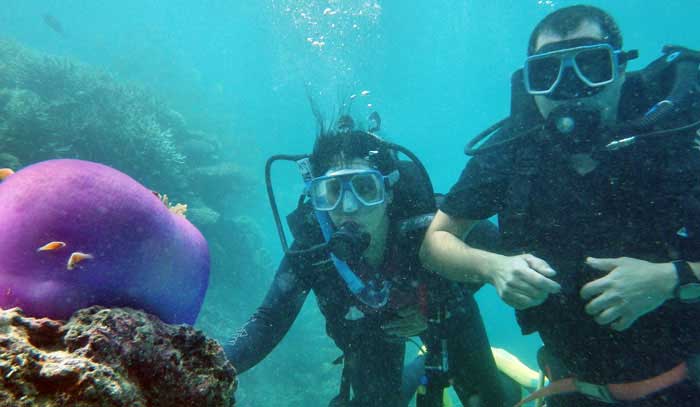
For divers and snorkelers, the reef still offers extraordinary encounters with marine life, from intricate coral gardens to sea turtles and reef sharks, but the experience in 2026 is increasingly framed around participation in citizen science, reef monitoring, and low-impact practices. Many operators now incorporate briefings on reef health, carbon-conscious travel, and marine protection, aligning with global frameworks such as those promoted by the UN Environment Programme, where travelers can learn more about ocean conservation initiatives.
Professionals planning travel from North America, Europe, or Asia are increasingly combining reef experiences with business or remote work stays in coastal hubs such as Cairns and Townsville, which offer robust connectivity, coworking spaces, and access to nature. For guidance on integrating work and travel in such locations, WorldWeTravel.com provides dedicated resources on work-compatible journeys and long-stay strategies that maximize both productivity and environmental responsibility.
Whale Sharks and Marine Encounters on Western Australia's Coral Coast
On Western Australia's Coral Coast, the annual congregation of whale sharks at Ningaloo Marine Park between March and July has become one of the world's most sought-after marine experiences. Unlike great white sharks, whale sharks are filter feeders, and despite reaching lengths of up to 18 meters, they pose no threat to humans. Swimming alongside these gentle giants offers a rare combination of adrenaline and serenity, and in recent years, operators have increasingly aligned with strict environmental and safety protocols.
International travelers now assess tour providers not only on comfort and photography opportunities, but also on their adherence to guidelines established by bodies such as Parks Australia and marine research organizations like AIMS, the Australian Institute of Marine Science, which shares insights on sustainable marine tourism. For families and multi-generational groups, Ningaloo offers a powerful educational opportunity, allowing younger travelers to understand biodiversity, seasonal migration, and the impact of warming oceans, all while enjoying a once-in-a-lifetime experience.
This shift toward experiential learning aligns with a broader trend in family travel, where parents and guardians seek destinations that build resilience, curiosity, and environmental awareness in children. For those planning such itineraries, WorldWeTravel.com offers a family-focused perspective through its family travel hub, providing frameworks to balance safety, education, and adventure.
Extreme Encounters: Great White Sharks and Crocodile Diving
For a subset of travelers and corporate incentive planners, Australia's reputation for high-intensity wildlife encounters continues to be a unique draw. Off the coast of Port Lincoln in South Australia, cage diving with great white sharks allows participants to observe one of the ocean's apex predators in a controlled environment. While the activity has historically attracted controversy, the industry has evolved, with stricter regulations, scientific partnerships, and refined safety protocols.
Travel planners evaluating such experiences now consider ethical dimensions, ecological impact, and alignment with corporate risk management frameworks. Organizations such as Shark Trust and IUCN provide broader context on shark conservation, and travelers can review global shark conservation information when assessing whether and how to engage with these activities.
In Darwin, the "Cage of Death" at Crocosaurus Cove offers a different kind of adrenaline, placing visitors in a transparent enclosure alongside massive saltwater crocodiles. While the experience is intentionally theatrical and designed for thrill-seekers, it also underscores Australia's unique relationship with its wildlife and the importance of understanding risk, habitat, and safety in tropical environments. Those planning such activities should ensure that travel insurance, medical preparedness, and safety briefings are fully integrated into their itineraries, referencing best practices from organizations such as the World Health Organization, where visitors can review travel health guidance.
Readers of WorldWeTravel.com can further align such high-intensity experiences with broader wellbeing and resilience goals by consulting the platform's health-oriented travel content, ensuring that adventure does not come at the expense of long-term physical or mental health.
The Great Ocean Road and the Grampians: Scenic Strategy for Time-Pressed Professionals
For travelers arriving in Melbourne, the Great Ocean Road has long been marketed as one of the world's premier coastal drives, and in 2026 it remains a strategic choice for time-pressed executives and families seeking a high-impact, short-duration escape. Renting a car or using a private driver from Melbourne allows visitors to design flexible itineraries that include surf towns like Torquay, rainforest walks, waterfall hikes, and the dramatic limestone stacks of the Twelve Apostles.
Those with additional time often extend into Grampians National Park, where rugged sandstone mountains, panoramic lookouts, and Aboriginal rock art sites offer a more introspective, nature-focused experience. The region is increasingly popular for wellness retreats, leadership programs, and digital detox journeys, as connectivity becomes more selective and travelers consciously step back from always-on work environments.
Travel planners looking to integrate coastal and mountain experiences into a single, coherent itinerary can use WorldWeTravel.com's destination planning resources, while also referencing Parks Victoria, which provides detailed information on national park access and conservation. This combination of scenic immersion and structured downtime aligns well with emerging models of high-performance travel that prioritize recovery, reflection, and creativity.
The Northern Territory and The Kimberley: Remote Luxury and Cultural Depth
The Northern Territory and The Kimberley region of Western Australia have become emblematic of a new kind of remote luxury, where high-net-worth individuals and senior executives seek profound disconnection from urban environments without compromising safety, comfort, or connectivity when needed. In the Northern Territory, Kakadu National Park, a UNESCO World Heritage site, offers wetlands, escarpments, and some of the world's most significant collections of Aboriginal rock art, while Arnhem Land provides one of the most immersive cultural experiences available in Australia, subject to permits and guided access.
In The Kimberley, travelers encounter the Bungle Bungle Range in Purnululu National Park, the remote gorges of the Gibb River Road, and the waterfalls of Mitchell Plateau, often accessed via small aircraft, expedition cruises, or four-wheel-drive convoys. Such experiences require careful logistical planning, risk assessment, and coordination with experienced operators, making them particularly suited to curated itineraries and bespoke travel services.
Professionals and families considering these remote regions increasingly evaluate their trips through the lens of sustainable travel and indigenous partnership. Organizations such as Tourism Australia and Indigenous Tourism Australia share frameworks for responsible engagement with Aboriginal communities, while WorldWeTravel.com provides complementary guidance on eco-conscious travel strategies. This ensures that visits contribute positively to local economies and cultural preservation, rather than merely extracting experiences.
Perth, Rottnest Island, and the Pinnacles: Urban Ease Meets Coastal Play
Perth, the capital of Western Australia, has matured into a sophisticated gateway city for travelers originating from Europe, Asia, and Africa, thanks to its strong air connectivity, diversified economy, and high quality of life. Its Indian Ocean beaches, riverside parks, and growing arts and dining scenes make it an attractive base for both business and leisure. A short ferry ride away, Rottnest Island offers car-free exploration by bicycle, sheltered bays for snorkeling, and encounters with quokkas, whose photogenic charm has become a social media phenomenon.
Further north, the Pinnacles Desert in Nambung National Park provides a surreal landscape of limestone pillars emerging from golden sands, often visited on day trips from Perth. For time-constrained travelers, these three elements-city, island, and desert-can be woven into a compact, high-yield itinerary that delivers variety without excessive transit.
Those designing such multi-stop journeys can align accommodation choices with their expectations by referencing hotel and lodging insights on WorldWeTravel.com, and by cross-checking sustainability and safety credentials with resources such as Sustainable Hospitality Alliance, where travelers can learn more about sustainable hotel operations.
Tasmania: Wilderness, Heritage, and Culinary Sophistication
Tasmania has transformed from a relatively niche destination into a global benchmark for integrated nature, culture, and gastronomy experiences. Its national parks, including Cradle Mountain-Lake St Clair and Freycinet, offer pristine hiking, wildlife encounters, and coastal scenery, while historic sites such as Port Arthur and Hobart's Battery Point provide insight into Australia's colonial and penal history.
Hobart itself now balances heritage architecture with contemporary culture, anchored by the Museum of Old and New Art (MONA), which has redefined how art, tourism, and regional development can intersect. In northern Tasmania, Launceston and the Tamar Valley have become synonymous with cool-climate wines and farm-to-table dining, aligning with global trends in sustainable, provenance-focused gastronomy.
Travelers who prioritize wellness, slow travel, and culinary exploration increasingly choose Tasmania as a destination for retreats and extended stays. For those planning such journeys, WorldWeTravel.com offers relevant guidance through its retreat and culture sections, while global food and wine enthusiasts can deepen their understanding of regional trends via organizations such as Wine Australia, where they can explore Australian wine regions.
Sydney, Melbourne, and Canberra: Business Hubs with Lifestyle Dividends
Australia's major cities-Sydney, Melbourne, and Canberra-continue to play a central role in global business travel, conferences, and governmental engagement, but in 2026 they are increasingly evaluated not just as meeting locations, but as holistic environments for work-life integration.
Sydney's iconic Opera House and Harbour Bridge, combined with beaches such as Bondi, Manly, and Coogee, offer a powerful blend of urban dynamism and coastal leisure. Corporate travelers often extend stays to include nearby Blue Mountains hikes or wine-focused excursions to the Hunter Valley, enhancing the return on investment of long-haul flights.
Melbourne is widely recognized for its cultural institutions, including the National Gallery of Victoria and the Melbourne Museum, as well as its laneway cafes, street art, and live music. Its proximity to the Yarra Valley wine region and the Great Ocean Road allows for seamless transitions from boardroom to vineyard or coastal retreat.
Canberra, while more understated, provides access to national institutions such as the Australian War Memorial, the National Gallery of Australia, and Parliament House, making it a strategic destination for policy-related travel, education, and civic engagement. The city's green spaces, including the National Arboretum and Australian National Botanic Gardens, reflect Australia's broader commitment to integrating nature into urban design.
For corporate travel planners and executives, these cities can be compared and evaluated through business-focused resources on travel for work and meetings, while also aligning with global best practices in sustainable business travel as outlined by organizations such as the Global Business Travel Association, where one can learn more about sustainable business practices.
The Australian Alps and the Gold Coast: Seasonal Versatility and Active Lifestyles
The Australian Alps, spanning Victoria, New South Wales, and the Australian Capital Territory, provide year-round opportunities for active travelers. In winter, ski resorts such as Thredbo and Perisher attract visitors from across Asia-Pacific and beyond, while in summer, alpine hiking, mountain biking, and wildflower viewing support a quieter, more reflective style of travel. As climate variability increases, resorts and local governments are investing in diversification, ensuring that mountain regions remain attractive in all seasons.
On the eastern seaboard, Queensland's Gold Coast continues to be synonymous with sun, surf, and entertainment. Areas such as Surfers Paradise offer high-rise beachfront living and nightlife, while the hinterland provides rainforest walks, waterfalls, and more tranquil villages. For families and younger travelers, the Gold Coast's theme parks and beaches remain a major draw; for remote workers and entrepreneurs, the region's infrastructure and lifestyle appeal have made it an emerging base for location-independent professionals.
Travelers considering activity-intensive itineraries in these regions can reference WorldWeTravel.com's travel tips and planning advice, while also consulting organizations such as Adventure Travel Trade Association, which shares global perspectives on safe and sustainable adventure travel.
Technology, Health, and the Future of Travel in Australia
By 2026, Australia's travel ecosystem is increasingly shaped by digital innovation, health security, and sustainability imperatives. From biometric border processing and contactless hotel check-ins to real-time wildfire and weather monitoring, technology underpins safer, more efficient journeys. Travelers can monitor developments in travel technology via technology-focused coverage on WorldWeTravel.com, while referencing broader digital trends reported by organizations such as World Economic Forum, which offers insights into the future of travel and tourism.
Health remains central to travel decision-making, and Australia's robust healthcare system, public health protocols, and environmental standards are key factors for risk-aware travelers from regions such as North America, Europe, Asia, and South Africa. International visitors can align their planning with guidance from the Centers for Disease Control and Prevention, which provides country-specific travel health information, ensuring that vaccinations, medications, and contingency plans are in place.
At the same time, sustainability has moved from a niche concern to a core expectation. Australia's protected areas, marine parks, and cultural sites are managed under increasingly rigorous frameworks, while hotels, airlines, and tour operators are under pressure to reduce emissions, waste, and biodiversity impacts. Travelers can align their choices with global sustainability frameworks such as those promoted by the Global Sustainable Tourism Council, where they can explore sustainable tourism criteria.
Integrating Australia into a Long-Term Global Travel Strategy
For the audience of WorldWeTravel.com, which spans executives, entrepreneurs, families, and globally mobile professionals across the United States, United Kingdom, Germany, Canada, Australia, France, Italy, Spain, Netherlands, Switzerland, China, Sweden, Norway, Singapore, Denmark, South Korea, Japan, Thailand, Finland, South Africa, Brazil, Malaysia, and New Zealand, Australia in 2026 is not simply a remote destination; it is a strategic choice that can support personal growth, professional development, family bonding, and corporate objectives.
Whether the priority is a culturally grounded journey to Uluru, a conservation-focused dive on the Great Barrier Reef, a remote leadership retreat in The Kimberley, a culinary exploration of Tasmania, or a blended work-and-leisure stay in Sydney or Melbourne, Australia offers a sophisticated platform on which to build high-value experiences. By leveraging the integrated resources of WorldWeTravel.com, from destinations and travel insights to business, eco, and work coverage, travelers can design itineraries that are not only memorable, but also aligned with long-term goals in health, sustainability, and global engagement.
In an era when time, attention, and environmental impact are scrutinized more than ever, Australia rewards those who plan with intention, respect local cultures and ecosystems, and approach travel as an investment in knowledge, wellbeing, and connection.