

Thailand's Most Stunning Beach Getaways in 2026: A Strategic Guide for Global Travelers and Businesses
Thailand's beaches remain among the most powerful magnets in global tourism, and in 2026 they are more than postcard-perfect escapes; they are strategic hubs where leisure, business, wellness, and sustainability intersect. For the international audience of WorldWeTravel.com, spanning executives planning incentive trips from the United States, families from the United Kingdom, digital professionals from Germany, and long-haul travelers from Australia, Thailand's coastal destinations now represent not only places to unwind, but also vital nodes in a rapidly evolving global travel economy. From the Andaman Sea to the Gulf of Thailand, the country's islands and peninsulas have adapted to shifting traveler expectations around health, remote work, environmental responsibility, and premium experiences, while still offering the crystal-clear waters, powdery sands, and lush tropical backdrops that first made them famous.
As global travel has rebounded and matured following years of disruption, decision-makers and discerning travelers increasingly evaluate destinations through the lens of reliability, safety, digital readiness, and sustainable growth. Thailand's leading beach regions-Phuket, Krabi, Koh Samui, Koh Phi Phi, Koh Lanta, and Koh Phangan-have responded with upgraded infrastructure, enhanced health and safety protocols, and more diversified offerings for families, business travelers, wellness seekers, and eco-conscious visitors. This article, written for the global community that turns to WorldWeTravel.com for insight and direction, examines these coastal regions in depth, highlighting their unique strengths, evolving positioning, and practical considerations for 2026.
Phuket: The Pearl of the Andaman in a New Era
Phuket, long known as the "Pearl of the Andaman," continues to operate as Thailand's most influential beach destination and a critical gateway for international arrivals from Europe, North America, and Asia. With a modern international airport, extensive hotel inventory, and a mature service ecosystem, Phuket has become a benchmark for how a beach destination can serve both high-volume tourism and sophisticated, high-yield segments such as luxury travelers, long-stay guests, and corporate groups.
Evolving Beach Districts and Visitor Segments
Patong Beach remains the island's most recognized name, but its role has shifted in recent years. While nightlife and entertainment continue to draw visitors, there has been a notable rise in mixed-use developments that integrate co-working spaces, boutique hotels, and premium dining, reflecting the growth of remote work and "work-from-anywhere" lifestyles. Travelers who consult WorldWeTravel's business travel insights increasingly view Patong as a base for combining meetings, networking, and leisure in a single trip, especially for regional teams from Singapore, Hong Kong, and Japan.
By contrast, Kata Beach and Karon Beach have consolidated their reputations as family-oriented and mid- to upper-scale leisure zones. Resorts here are investing in kids' clubs, wellness facilities, and multi-bedroom suites that appeal to multigenerational travelers from Canada, France, and the Netherlands. The beaches' gently sloping shores and calm seas during high season make them particularly attractive to families who prioritize safety and convenience, while the surrounding dining and retail infrastructure offers enough variety to support week-long stays without sacrificing comfort or choice.
At the more exclusive end of the spectrum, Surin Beach and nearby enclaves have become magnets for high-net-worth travelers and corporate leaders seeking privacy, premium villas, and curated experiences. The presence of internationally recognized hotel brands, high-end beach clubs, and gourmet restaurants has reinforced Phuket's authority as a luxury destination that can stand alongside the French Riviera, Ibiza, or Bali in terms of service standards and brand recognition. Those seeking to benchmark global luxury trends often turn to resources such as Forbes Travel Guide to evaluate Phuket's premium offerings relative to other top-tier beach destinations.
Connectivity, Sustainability, and Strategic Positioning
Phuket's role as a regional hub has been strengthened by improved air links and digital infrastructure. Enhanced connectivity with major cities in Europe, China, South Korea, and India has supported a more diversified visitor base, while investment in broadband and 5G networks has made the island attractive to remote professionals and digital entrepreneurs, a trend highlighted in WorldWeTravel's technology coverage.
At the same time, Phuket has faced pressures related to carrying capacity, environmental resilience, and community impact. Local authorities and tourism stakeholders have increased their focus on sustainable practices, aligning with frameworks promoted by organizations such as the UN World Tourism Organization, where travelers and businesses can learn more about sustainable tourism development. Beach clean-up initiatives, marine conservation projects, and stricter regulations on coastal construction are gradually reshaping how tourism growth is managed, aiming to preserve the very assets-clear waters, coral reefs, and scenic coastlines-that underpin Phuket's long-term competitiveness.
Krabi: Nature-Driven Appeal and Experiential Growth
Krabi province, stretching along the Andaman coast, has carved out a differentiated position as a destination where dramatic landscapes, outdoor adventure, and relatively low-density development converge. Its towering limestone cliffs, mangrove forests, and emerald waters attract travelers who prioritize nature, photography, and soft adventure, while still expecting reliable accommodation and transport infrastructure.
Railay Beach and the Premium Adventure Segment
Railay Beach, accessible only by boat from the mainland, has become emblematic of Krabi's brand. Surrounded by vertical limestone karsts and fringed by calm, shallow seas, Railay appeals to rock climbers, kayakers, and travelers seeking a more immersive nature experience without sacrificing comfort. Over the past few years, boutique resorts and midscale hotels have enhanced their offerings with guided climbing packages, wellness programs, and curated excursions to nearby lagoons and caves, aligning with global demand for experience-rich travel documented by organizations such as Skift, where professionals can explore analysis on experiential tourism.
For decision-makers planning incentive trips or executive retreats, Railay's semi-secluded setting provides a controlled environment that supports team-building, leadership workshops, and wellness-focused meetings. The absence of major roads and the reliance on boat transfers also contribute to a sense of exclusivity, which is increasingly valued by companies looking to differentiate their offsite programs and align them with broader well-being and engagement strategies.
Ao Nang and Regional Accessibility
Ao Nang functions as Krabi's main coastal hub, combining a lively promenade with easy access to offshore islands such as Koh Poda and Chicken Island. The town's accommodation portfolio ranges from budget guesthouses to upscale resorts, making it suitable for diverse traveler profiles, from younger visitors from Spain and Italy to older couples from Sweden and Norway seeking relaxed, mid-range comfort.
Ao Nang's strategic advantage lies in its connectivity: it is close to Krabi International Airport, well-linked to Phuket by road and sea, and serves as a departure point for island-hopping excursions. Travelers looking to structure multi-stop itineraries across southern Thailand often combine Ao Nang with Phuket or Koh Lanta, using resources such as WorldWeTravel's destinations hub to compare travel times, seasonal conditions, and cost structures. For those interested in the economic implications of tourism growth in the region, platforms like the World Bank provide valuable context on how tourism contributes to Thailand's broader economic landscape.
Koh Samui: Integrated Luxury, Wellness, and Business Travel
Situated in the Gulf of Thailand, Koh Samui has matured into a sophisticated island destination that blends resort luxury, wellness retreats, and increasingly, business and remote work infrastructure. Its international airport, extensive villa inventory, and strong brand recognition in markets such as United Kingdom, Germany, and Singapore underpin its status as a preferred choice for high-value travelers and corporate groups.
Chaweng, Lamai, and the Diversification of Demand
Chaweng Beach remains the commercial and entertainment heart of Koh Samui, with a dense concentration of hotels, restaurants, and nightlife venues. In recent years, however, Chaweng has also seen the rise of co-working lounges, extended-stay accommodations, and health-focused cafes, reflecting the island's appeal to remote professionals, digital entrepreneurs, and "bleisure" travelers who combine business and leisure in a single trip. This aligns with broader trends documented by the OECD, which offers insights into how tourism and work patterns are evolving globally.
Lamai Beach, traditionally seen as a quieter alternative, has leaned into its strengths as a more relaxed yet still well-serviced area. The growth of mid- to upper-tier resorts, yoga studios, and spa facilities has positioned Lamai as a strong option for wellness-focused travelers and families seeking a calmer environment than Chaweng, while still having access to restaurants, beach clubs, and local markets.
Bophut, Fisherman's Village, and High-Value Experiences
On the northern shore, Bophut Beach and Fisherman's Village have emerged as some of Koh Samui's most desirable addresses for discerning visitors. The area's boutique hotels, fine dining venues, and carefully curated retail and entertainment options are designed to appeal to travelers who value authenticity and character over mass-market offerings. Strolling through Fisherman's Village in the evening, with its blend of heritage architecture and contemporary design, many visitors from Switzerland, Netherlands, and Denmark perceive an experience that balances local flavor with international service standards.
For corporate planners and high-net-worth individuals, Koh Samui's villa market is a major asset. Private villas with dedicated staff, meeting spaces, and wellness facilities enable confidential retreats, board meetings, and product launches in a controlled environment. Those evaluating Samui alongside other global villa destinations often consult platforms such as Luxury Travel Advisor or refer to WorldWeTravel's hotels and accommodation insights to understand comparative value, seasonality, and service levels.
Koh Phi Phi: Iconic Landscapes, Managed Access, and Marine Stewardship
The Phi Phi Islands have maintained their status as one of Thailand's most photographed and aspirational destinations, thanks to their dramatic cliffs, turquoise bays, and vibrant marine life. However, in 2026, the story of Phi Phi is as much about stewardship and capacity management as it is about scenic beauty.
Maya Bay and Conservation-Led Tourism
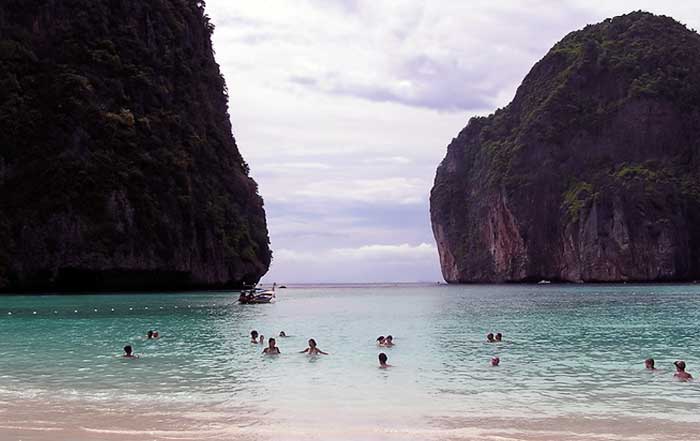
Maya Bay on Phi Phi Leh, made globally famous by cinema, has become a case study in how overexposure can threaten fragile ecosystems and how targeted interventions can restore balance. Thai authorities have implemented strict controls on visitor numbers, regulated boat access, and designated swimming and viewing zones to protect coral and marine habitats. These measures, aligned with best practices promoted by organizations such as the International Union for Conservation of Nature, where stakeholders can explore marine conservation approaches, have gradually improved environmental indicators while still allowing carefully managed tourism.
For visitors, this means that trips to Maya Bay are now more structured and often more expensive, but they also tend to be less crowded and more aligned with a sense of responsibility. Many travelers who follow WorldWeTravel's eco-focused coverage view such models as a positive evolution, demonstrating that iconic sites can remain accessible without being overwhelmed.
Tonsai Bay and Diversified Experiences
On Phi Phi Don, Tonsai Bay continues to operate as the main arrival point and commercial center, with a spectrum of accommodation ranging from hostels to upscale resorts. While nightlife and social interaction remain key draws for younger visitors from Brazil, Malaysia, and New Zealand, there has been a gradual shift toward more diversified offerings, including wellness classes, guided snorkeling, and sustainability-focused excursions.
Nearby beaches such as Loh Dalum and Monkey Beach offer quieter alternatives where travelers can swim, kayak, or snorkel amidst coral and tropical fish. As awareness of reef vulnerability grows, operators increasingly promote responsible snorkeling and diving practices, often drawing on guidelines from organizations like PADI, which provides extensive resources on responsible diving and marine protection.
Koh Lanta: Understated Charm and Sustainable Growth
Koh Lanta, located south of Krabi, has cultivated a reputation as an understated, slow-paced island that appeals to families, long-stay visitors, and those seeking a more authentic, less crowded environment. Its relatively low-rise development, welcoming local communities, and emphasis on eco-conscious practices position it as a model for sustainable island tourism.
Long Beach and Family-Oriented Stays
Long Beach (Phra Ae Beach) is one of Koh Lanta's most prominent stretches of sand, known for its spaciousness, gentle waves, and relaxed atmosphere. Families from United Kingdom, Germany, and Finland often choose Long Beach for extended stays, drawn by midscale resorts, family-run guesthouses, and a growing number of international schools and learning centers that support longer-term remote work and study abroad arrangements. Visitors planning such stays frequently consult WorldWeTravel's family travel resources to assess educational, healthcare, and connectivity factors alongside leisure considerations.
The island's accommodation mix is particularly attractive to travelers who prioritize value and authenticity over ostentatious luxury. Many properties integrate local design, employ community members, and participate in beach clean-ups or conservation projects, aligning with broader ESG objectives that are increasingly important to corporate travelers and socially conscious tourists alike.
Kantiang Bay and Boutique Seclusion
Further south, Kantiang Bay offers a more secluded experience, with a sweeping crescent of sand framed by jungle-clad hills. The presence of boutique resorts and high-quality, independent restaurants has made Kantiang a favored choice for honeymooners and couples from France, Italy, and Switzerland seeking privacy and intimacy without the crowds of more famous islands.
Koh Lanta is also a gateway to the Mu Ko Lanta National Park and nearby marine reserves, which attract divers and nature enthusiasts. Those interested in the intersection of conservation and tourism often turn to sources like National Geographic, where they can explore stories on marine parks and responsible travel. This emphasis on nature and sustainability is closely aligned with the ethos that underpins WorldWeTravel's global coverage, where long-term destination resilience is a central theme.
Koh Phangan: From Party Reputation to Holistic Island Destination
Koh Phangan has historically been synonymous with the Full Moon Party, but by 2026 the island's identity has broadened significantly. While the famous beach gatherings in Haad Rin continue to attract visitors interested in nightlife, a substantial portion of the island is now associated with wellness, remote work, and nature-based tourism.
Haad Yuan and the Wellness Economy
Haad Yuan Beach, accessible primarily by boat, has established itself as a wellness enclave, home to yoga centers, meditation retreats, and plant-based cafes. Its secluded setting and focus on holistic practices attract visitors from United States, Canada, and Australia who are interested in extended retreats that integrate physical, mental, and spiritual well-being. The global rise in wellness travel, documented by organizations such as the Global Wellness Institute, where professionals can review data on the growth of wellness tourism, has reinforced Koh Phangan's positioning as a key node in this expanding market.
Bottle Beach and Low-Impact Exploration
Bottle Beach (Haad Khuat), reachable via boat or a challenging hike, offers a more rustic, low-density environment that appeals to travelers who value simplicity and natural beauty over extensive infrastructure. Basic bungalows, limited connectivity, and a strong sense of place make it ideal for digital detoxes and short-term escapes from high-intensity urban life in cities such as Tokyo, Seoul, or Singapore.
Beyond its beaches, Koh Phangan's interior is increasingly being explored for hiking, waterfalls, and community-based tourism. This diversification reduces pressure on coastal areas and spreads economic benefits more evenly across local communities, aligning with best practices in inclusive tourism development. Travelers interested in how tourism can support local economies and cultural preservation may find valuable context in resources from UNESCO, which provides insights into cultural heritage and sustainable tourism.
Strategic Considerations for Thailand Beach Travel in 2026
For the global audience of WorldWeTravel.com, which spans leisure travelers, corporate planners, digital workers, and families, Thailand's beach destinations now sit at the intersection of multiple macro trends: the normalization of remote work, heightened health awareness, sustainability imperatives, and a renewed appreciation for cultural authenticity. Making the most of a Thai beach retreat in 2026 involves thinking beyond simple sun-and-sand criteria and considering a broader set of strategic factors.
Health and safety remain central. Thailand's healthcare system, with reputable private hospitals in hubs like Phuket and Samui, provides reassurance to travelers who prioritize medical readiness, especially families and older visitors. Those interested in evaluating healthcare quality often refer to organizations such as Joint Commission International, which offers information on accredited international hospitals, while WorldWeTravel's health-focused content helps contextualize destination-specific considerations.
Digital infrastructure and work-readiness are critical for professionals and companies adopting hybrid or fully remote models. Islands such as Phuket, Koh Samui, and parts of Koh Phangan have invested in co-working facilities, robust internet connectivity, and extended-stay accommodation, making them viable bases for medium- to long-term stays that combine work and leisure. Readers interested in structuring such stays can explore WorldWeTravel's work and remote lifestyle section, which offers guidance on balancing productivity, time zones, and local immersion.
Sustainability and environmental stewardship are no longer niche concerns but mainstream expectations. Destinations like Koh Lanta and the Phi Phi Islands provide tangible examples of how communities and authorities are attempting to balance visitor demand with ecosystem protection. Travelers and businesses who wish to align their trips with ESG objectives can look to frameworks from the Global Sustainable Tourism Council, which outlines criteria for sustainable destinations and operators, and then apply those principles when selecting accommodation, tours, and transport.
Finally, cultural and experiential depth play a major role in destination choice. Even within beach-focused itineraries, many visitors now seek opportunities to engage with local food, traditions, and communities, whether through markets, cooking classes, or village-based excursions. For those designing multi-stop journeys that combine coastlines with urban centers like Bangkok or cultural regions in Northern Thailand, WorldWeTravel's travel planning and tips section offers practical guidance on sequencing, logistics, and seasonal patterns, while the broader travel hub supports comparative planning across Asia, Europe, Africa, and the Americas.
Conclusion: Thailand's Beaches as Global Platforms for Experience and Connection
In 2026, Thailand's beaches are more than idyllic destinations; they are dynamic platforms where global travelers, families, businesses, and local communities intersect. Phuket leverages its infrastructure and brand power to serve as a multi-segment hub for leisure, luxury, and business. Krabi positions itself as a nature-first alternative, emphasizing landscapes and experiential travel. Koh Samui integrates high-end hospitality with wellness and remote work capabilities. Koh Phi Phi illustrates the challenges and possibilities of managing iconic natural assets responsibly. Koh Lanta offers a template for understated, community-aligned growth, while Koh Phangan demonstrates how a destination can evolve from a party image to a more holistic, wellness-driven identity.
For the international audience that turns to WorldWeTravel.com to navigate a complex and rapidly changing travel landscape, Thailand's coastal regions offer not only relaxation and beauty but also instructive examples of how destinations can adapt to new expectations around health, sustainability, and digital lifestyles. Whether the priority is a family retreat, a corporate offsite, a wellness immersion, or an extended work-from-beach stay, Thailand's beaches continue to provide compelling, future-ready options that reflect both the country's enduring appeal and its ongoing commitment to innovation and responsible tourism.