

Italy's Enduring Appeal to Global Travelers
Italy at the Intersection of Heritage, Innovation, and Global Mobility
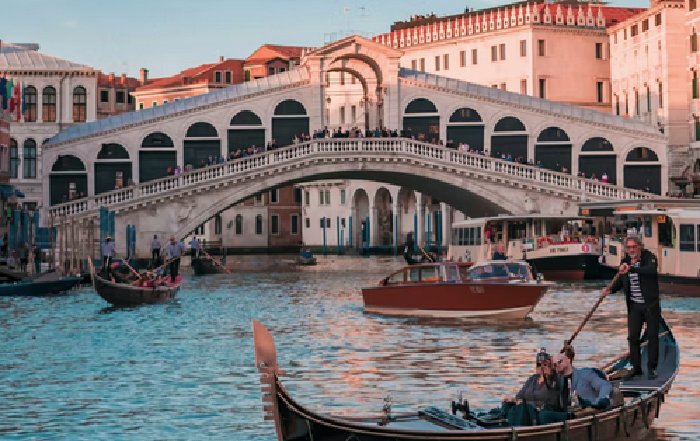
Italy occupies a distinctive position in the global travel landscape, standing at the intersection of deep historical continuity and accelerating change in how people move, work, and live across borders. For the international audience of WorldWeTravel.com, Italy has evolved beyond its long-standing reputation as a dream vacation spot to become a sophisticated testing ground for sustainable tourism, digital nomadism, wellness-centered lifestyles, and experience-driven business travel. From the canals of Venice and the Renaissance streets of Florence to the industrial design districts of Milan, the vineyards of Piedmont and Tuscany, and the sun-drenched coasts of Puglia, Sicily, and Sardinia, the country continues to attract travelers from the United States, United Kingdom, Germany, Canada, Australia, and across Europe, Asia, Africa, and the Americas, not only as visitors but increasingly as temporary residents, remote professionals, and repeat guests who build long-term relationships with specific places.
Italy's enduring magnetism rests on a combination of tangible and intangible assets: unparalleled artistic and architectural heritage, layered urban histories, regional diversity in food and culture, and a social rhythm that prioritizes human connection, sensory richness, and quality of life. At the same time, the country has been compelled to adapt to the expectations of a post-pandemic, climate-aware, and digitally connected traveler, integrating sustainability frameworks, smart-city technologies, and new hospitality models into its tourism strategy. For executives, entrepreneurs, families, and wellness-focused professionals shaping their itineraries through the WorldWeTravel destinations hub, Italy in 2026 presents not just a destination to be consumed, but a living ecosystem to be engaged with thoughtfully, whether for a week-long holiday, a corporate retreat, or a months-long work stay.
A Heritage Superpower in a Digital, Post-Pandemic Era
Italy's status as a cultural superpower is reinforced by its concentration of UNESCO World Heritage Sites, which span ancient archaeological areas, medieval city centers, mountain landscapes, and coastal environments. The historic cores of Rome, Florence, Venice, Naples, and smaller cities such as Siena, Matera, and Verona continue to draw millions, yet the way these sites are presented and managed has changed markedly in recent years. The UNESCO World Heritage Centre provides a useful overview of how Italian sites are being preserved and reinterpreted, reflecting a broader shift from passive viewing to more curated, educational, and interactive experiences.
Leading institutions such as the Uffizi Galleries, the Vatican Museums, and the Galleria dell'Accademia have expanded their use of timed entry systems, dynamic pricing, and digital ticketing, while investing in virtual collections and high-resolution imaging that allow visitors to prepare for their trips in detail. Platforms like Europeana aggregate digitized content from Italian museums, archives, and libraries, enabling travelers to engage with artworks and artifacts before and after their physical visits. This digital infrastructure supports a more intentional style of travel that resonates strongly with the WorldWeTravel.com audience, which increasingly values depth, context, and narrative coherence over rapid-fire checklists of famous sites.
In practice, this has encouraged travelers to design thematic itineraries that align with their interests and professional backgrounds. An executive might trace the evolution of governance and law through Rome, Ravenna, and Palermo; an architect or designer might link Roman ruins with contemporary projects in Milan and Turin; a family might follow a Renaissance art trail across central Italy, using resources from Italia.it to connect major museums with lesser-known regional collections. Italy's heritage, in this sense, becomes a flexible platform for personal and professional development rather than a static set of monuments, and WorldWeTravel.com plays a role in helping readers translate that potential into concrete travel plans.
Many Italies: Regional Diversity as a Strategic Advantage
One of Italy's greatest strengths in 2026 is the extent to which it functions not as a single destination but as a mosaic of "many Italies," each region offering distinct cultural, economic, and experiential profiles. Readers exploring the WorldWeTravel travel section increasingly look beyond the traditional "big three" of Rome, Florence, and Venice, searching instead for regional hubs and secondary cities that combine authenticity, value, and access to nature.
Northern regions such as Lombardy, Piedmont, Veneto, and Trentino-Alto Adige blend industrial and technological innovation with refined gastronomy and wine culture. Milan operates as a global capital of fashion, design, and finance, while nearby Turin has repositioned itself as a center for automotive technology, cinema, and contemporary art. The lakes district-Como, Garda, and Maggiore-offers a blend of historic villas, luxury hotels, and outdoor activities that appeal to high-net-worth travelers and corporate groups. Business readers tracking broader European trends can complement their planning with insights from Eurostat, which highlights the economic role of tourism and services in these regions.
Central Italy, encompassing Tuscany, Umbria, Le Marche, and Lazio, remains the archetypal image of the Italian countryside, with rolling hills, vineyards, and medieval hill towns. However, the narrative in 2026 is increasingly shaped by agritourism, slow travel, and regenerative agriculture, as local communities seek to counter depopulation and overdependence on seasonal tourism. Many properties now integrate organic farming, wine production, and educational programming, aligning with the interests of travelers who follow WorldWeTravel's eco insights and want their spending to support resilient rural economies. Organizations such as the Food and Agriculture Organization of the United Nations offer additional context on how Italian food systems intersect with sustainability, biodiversity, and climate resilience.
In the south, regions including Puglia, Basilicata, Calabria, Campania, and Sicily have matured from "emerging" destinations into well-established alternatives for discerning travelers from Canada, Australia, Brazil, South Africa, and across Asia, who seek coastal beauty, layered history, and relatively lower costs than in some northern regions. The whitewashed villages and beaches of Salento, the cave dwellings of Matera, and the baroque cities of the Val di Noto illustrate how southern Italy's unique cultural stratification can be experienced through architecture, cuisine, and local festivals. Islands such as Sardinia and Elba appeal to eco-conscious visitors who wish to pair marine conservation and outdoor sports with boutique hospitality, and travelers can deepen their understanding of marine and coastal protection through resources from the International Union for Conservation of Nature.
Family Travel: Education, Safety, and Intergenerational Connection
For families designing complex, multi-generational journeys through the WorldWeTravel family portal, Italy remains one of the most attractive options worldwide, combining an educational environment with a high degree of safety, accessible healthcare, and a cultural emphasis on children and family life. Italian cities tend to be walkable, with dense historic centers that allow families to explore without excessive reliance on cars, while the cuisine-pizza, pasta, gelato, fresh fruits and vegetables-caters naturally to younger palates.
Museums and cultural institutions have invested in family-oriented programming, interactive exhibits, and child-friendly audio guides that make complex topics accessible. The Museo Nazionale della Scienza e della Tecnologia Leonardo da Vinci in Milan offers hands-on science experiences that appeal to both children and adults, while archaeological sites such as Pompeii, Herculaneum, and Ostia Antica provide open-air classrooms where ancient history, engineering, and urban planning come to life. Parents who want to align travel with broader educational or social goals can review the UNICEF overview of Italy to better understand the country's child-focused policies and social context.
Practical considerations further strengthen Italy's appeal to families. The high-speed rail network allows efficient movement between major cities, reducing the need for domestic flights and long car journeys, and regional trains connect smaller towns and coastal areas. The national healthcare system, supported by a mix of public and private providers, is regarded as robust, and families traveling with infants, elderly relatives, or individuals with chronic conditions can consult the World Health Organization for comparative data on health indicators and emergency preparedness. For many readers of WorldWeTravel.com, these factors combine to make Italy a low-friction, high-value choice for intergenerational trips that blend leisure, learning, and time together.
Business Travel, Conferences, and the Rise of Bleisure
In 2026, business travel has not returned to pre-2020 volumes in a simple linear fashion; instead, it has evolved into more purposeful, experience-rich trips that often blend professional obligations with personal exploration. Through the WorldWeTravel business section, corporate decision-makers can see how Italy has positioned itself as a strategic hub for conferences, sector-specific trade fairs, and executive retreats, particularly for organizations with footprints in Europe, North America, and Asia.
Milan remains Italy's principal financial and corporate center, hosting globally significant events such as Salone del Mobile and Milano Fashion Week, which attract leaders from Germany, France, United Kingdom, United States, Japan, South Korea, and Singapore. The city's airports, Malpensa and Linate, offer extensive international connections, while high-speed rail links to Rome, Turin, Venice, and Bologna make it an efficient base for multi-city itineraries. Business associations such as Confindustria and Assolombarda foster collaboration between manufacturing, design, and technology sectors, and professionals can complement their market research with macroeconomic insights from the International Monetary Fund.
Rome, as the political capital and home to agencies of the United Nations and numerous NGOs, functions as a key venue for conferences on climate policy, migration, cultural heritage, and sustainable development. Participants in such events often align their travel with the broader global agenda by consulting UN.org, ensuring that their presence in Italy contributes to ongoing policy dialogues. Secondary cities like Bologna, Turin, Naples, and Trieste are increasingly used for specialized summits and academic conferences, where smaller scale and strong local identities enable more focused networking and immersive experiences.
The "bleisure" trend-extending business trips for personal travel-remains particularly strong in Italy, where the density of attractions and the ease of rail travel make it natural for executives and teams to add days in wine regions, coastal areas, or mountain resorts. WorldWeTravel's work-focused insights highlight how corporate retreats and offsites in Tuscan villas, alpine lodges, or lakeside resorts can combine strategic planning with wellness, cultural immersion, and team cohesion, often at a lower cost than equivalent programs in some other major economies.
Hospitality and Hotels: From Historic Palazzi to Smart, Sustainable Stays
The Italian hospitality sector in 2026 reflects a nuanced balance between tradition and innovation, with historic palazzi converted into luxury hotels, design-forward boutique properties in urban centers, and agriturismi that blur the line between farm, home, and guesthouse. Readers using the WorldWeTravel hotels coverage encounter an increasingly segmented market, where large international chains coexist with family-owned properties and emerging hybrid models that cater to digital nomads and long-stay guests.
Global brands such as Marriott International, Hilton, and Accor continue to expand in key cities and resort destinations to serve loyalty-driven business travelers and high-end leisure guests from North America, Asia, and Oceania. Italian groups like NH Hotel Group, Starhotels, and Gruppo UNA differentiate themselves through localized design, partnerships with regional chefs, and curated cultural programming. Industry-wide perspectives on performance, investment, and sustainability can be explored through the World Travel & Tourism Council, which tracks trends affecting Italy and its competitors across Europe and beyond.
At the same time, Italy's long tradition of family-run hotels, B&Bs, and agritourism properties remains central to its hospitality identity. These establishments often deliver a level of personal attention, local knowledge, and culinary authenticity that large chains cannot easily replicate. Platforms such as Relais & Châteaux and Booking.com showcase many of these properties, but experienced travelers increasingly rely on editorially curated sources like WorldWeTravel.com to identify accommodations that align with specific priorities-whether that means proximity to conference venues, access to nature, wellness facilities, or strong digital infrastructure for remote work.
Sustainability, Overtourism, and the Eco-Conscious Traveler
As climate risk, resource constraints, and local resistance to overtourism intensify, Italy has become a focal point in the global debate on how to reconcile visitor demand with environmental and social sustainability. Venice's efforts to regulate cruise ship traffic and introduce access controls, Florence's management of visitor flows in its historic center, and the Dolomites' balancing of outdoor recreation with ecosystem preservation all illustrate the complex trade-offs involved. Policymakers, investors, and sustainability professionals can follow these developments through organizations such as the OECD Tourism Committee and the UN World Tourism Organization.
For readers of the WorldWeTravel eco section, Italy offers a growing portfolio of responsible travel options, including certified eco-lodges, low-impact trekking routes, and community-based tourism initiatives in rural and mountain areas. National parks such as Gran Paradiso, Cinque Terre, Abruzzo, Lazio and Molise, and Aspromonte have strengthened visitor education, trail management, and biodiversity protection programs, often in collaboration with Legambiente, the Italian Alpine Club, and local cooperatives. Travelers wishing to reduce their environmental footprint can explore guidance from Sustainable Travel International on carbon measurement and offsetting, while favoring rail over air for domestic movement and selecting accommodations with transparent sustainability practices.
This sustainability agenda is not only regulatory but also market-driven, as travelers from Scandinavia, Netherlands, Switzerland, New Zealand, and Canada increasingly prioritize environmental responsibility, social impact, and transparency when choosing destinations and suppliers. WorldWeTravel.com readers, who often occupy leadership positions in their sectors, are particularly attuned to how destinations manage growth, and Italy's ability to demonstrate credible progress in this area will be critical in maintaining its competitive edge over the coming decade.
Health, Wellness, and Retreat Travel: Italy as a Place to Reset
The global focus on mental health, preventative care, and work-life balance that intensified in the early 2020s continues to shape travel choices in 2026, and Italy is well positioned to benefit from this shift thanks to its long-standing spa culture, therapeutic landscapes, and culinary traditions rooted in fresh, seasonal ingredients. Through the WorldWeTravel health channel, readers can explore how Italian destinations integrate medical expertise, natural assets, and hospitality in ways that appeal to stressed professionals and health-conscious families alike.
Historic spa towns such as Montecatini Terme, Abano Terme, Sirmione, and Ischia have modernized their offerings, combining traditional hydrotherapy and balneotherapy with evidence-based wellness programs that may include physiotherapy, nutrition counseling, sleep clinics, and stress management. Many of these facilities operate in coordination with medical professionals and adhere to standards monitored at the European level, and travelers can consult the European Centre for Disease Prevention and Control for broader context on public health trends and risk management.
Retreat-style experiences have expanded into coastal and rural areas, where yoga retreats, mindfulness programs, creative residencies, and corporate offsites emphasize nature immersion, digital detox, and reflective time. The WorldWeTravel retreat section highlights how such programs can be integrated into longer itineraries that combine cultural exploration with structured downtime. For remote workers and entrepreneurs, Italy's combination of high-quality food, accessible healthcare, and a social rhythm that encourages time away from screens makes it a compelling base for sabbaticals and mid-term stays that prioritize well-being alongside productivity.
Italy in the Global Travel Economy
Tourism remains a critical pillar of Italy's economy, with significant contributions to employment, exports, and regional development. Business readers consulting the WorldWeTravel economy insights recognize that the performance of the tourism sector serves as a proxy for broader macroeconomic trends, including consumer confidence, investment in infrastructure, and the success of structural reforms. Institutions such as the World Bank and the OECD provide comparative data on tourism's share of GDP, productivity, and resilience, enabling investors and policymakers to benchmark Italy against other advanced economies.
Italy's visitor base has diversified in recent years, with steady flows from China, Japan, South Korea, Singapore, and Thailand complementing traditional markets in North America and Western Europe. Air connectivity, bilateral agreements, and visa policies all shape these flows, and Italy's strategic position in the Mediterranean makes it a natural gateway between Europe, Africa, and Asia. Continued investment in high-speed rail, airport modernization, and port infrastructure reinforces this role, while 5G deployment and fiber networks support both tourism and knowledge-intensive industries. The interplay of these factors underscores why travel trends in Italy are closely watched not just by tour operators, but also by multinational corporations, financial institutions, and technology firms.
Technology, Digital Nomads, and the Future of Work in Italy
Digital transformation has become central to Italy's tourism and mobility ecosystem, influencing how destinations are marketed, how services are delivered, and how travelers structure their time in the country. The WorldWeTravel technology channel documents how Italian cities and regions are deploying smart-city tools, data analytics, and digital platforms to manage visitor flows, reduce friction, and personalize experiences.
Many city tourism boards now offer integrated apps that provide real-time information on public transport, crowd levels at major attractions, cultural events, and even air quality, enabling visitors to make informed decisions on the move. Augmented reality tools allow users to visualize ancient structures or interpret artworks in situ, while contactless payments and digital IDs streamline check-in processes at hotels and cultural sites. The World Economic Forum regularly examines these developments as part of its broader analysis of digital transformation and the future of travel.
Italy has also become an increasingly attractive base for digital nomads and remote professionals from the United States, United Kingdom, Germany, Netherlands, Sweden, and beyond, who are drawn by the combination of quality of life, cultural richness, and improving connectivity. Co-working spaces in Milan, Rome, Florence, Bologna, Naples, and even smaller coastal and hill towns offer flexible memberships, networking events, and community support, while mid-term rentals and coliving spaces cater specifically to professionals planning stays of several months. The WorldWeTravel work section explores how these trends are reshaping local economies, influencing real estate markets, and encouraging new forms of collaboration between municipalities, property owners, and hospitality operators.
Culture, Cuisine, and the Intangible Allure of Italian Life
Beneath the statistics and infrastructure, Italy's true enduring appeal lies in the intangible qualities of daily life that visitors encounter in piazzas, neighborhood markets, cafes, and family-run trattorie. For readers of the WorldWeTravel culture section, Italy represents not only a repository of historic achievements but also a living culture in which art, conversation, and food are woven seamlessly into everyday routines.
Italian cuisine remains one of the country's most powerful soft-power assets, yet in 2026 it is increasingly understood in terms of regional diversity, sustainability, and health rather than just iconic dishes. Organizations such as Slow Food have long advocated for local, seasonal, and biodiversity-friendly food systems, and contemporary chefs across Italy integrate these principles into menus that appeal to both traditionalists and experimental diners. Guides and rankings from entities like Michelin help identify standout restaurants, while broader agricultural and nutritional context can be found through the Food and Agriculture Organization of the United Nations.
Cultural production extends beyond food and heritage into contemporary art, cinema, music, and design. Events such as the Venice Biennale, Rome Film Fest, Milano Design Week, and numerous regional festivals and fairs attract global creative communities and reinforce Italy's relevance as a site of ongoing cultural innovation. For travelers who return repeatedly, often planning new angles of exploration through the WorldWeTravel main portal, the country's charm lies in this dynamic interplay between continuity and change: the same piazza might host a centuries-old religious procession one week and a cutting-edge art installation the next, reminding visitors that Italy is not a museum but a complex, evolving society.
Why Italy Still Matters to Global Travelers in 2026
In 2026, Italy remains one of the world's most compelling destinations, not merely because of its historical treasures or scenic landscapes, but because of its capacity to adapt those assets to the evolving expectations of global travelers. It offers a rare combination of depth and accessibility, allowing visitors to move from high-level business meetings in Milan to agritourism experiences in Tuscany, from policy conferences in Rome to wellness retreats on Ischia, and from co-working hubs in Florence to hiking trails in the Dolomites, often within a single extended itinerary.
For the business-focused, globally minded audience of WorldWeTravel.com, Italy functions as both a destination and a lens through which to examine broader questions about sustainability, digital transformation, the future of work, and the role of culture in economic development. Whether the objective is to design a family journey that educates and connects generations, to plan a corporate retreat that fosters creativity and cohesion, to explore responsible travel models, or to test a new way of living and working abroad, Italy offers a uniquely rich and versatile context.
As new destinations emerge and global travel patterns continue to evolve, Italy's challenge is not to reinvent itself, but to refine and protect what makes it distinctive: the integration of art, landscape, community, and everyday life into a coherent, deeply human experience. For travelers planning their next steps with WorldWeTravel.com, Italy remains not only a place to visit, but a country to engage with repeatedly and thoughtfully, drawing fresh insight and inspiration from each return.