

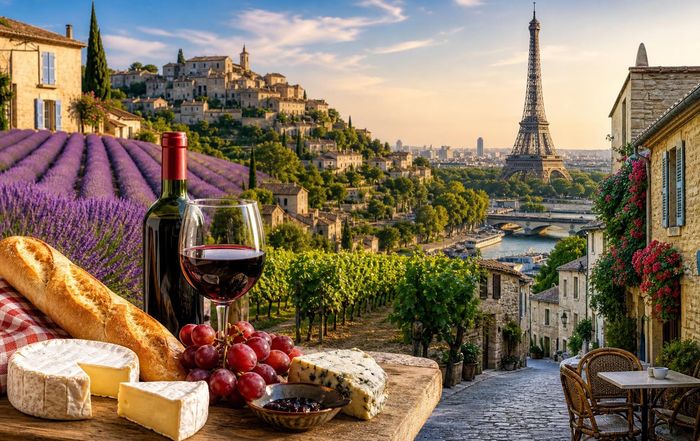
France Travel Guide to Food, Culture and Countryside
France has long held a singular place in the imagination of travelers, and as international mobility has rebounded, its appeal has only deepened. From the vineyards of Burgundy to the Atlantic surf of the Basque coast, from Michelin-starred dining rooms in Paris to family-run auberges in remote valleys, the country offers a rare blend of culinary excellence, cultural richness and pastoral calm that continues to inspire visitors from around the world. For readers of WorldWeTravel, France represents not only a classic destination but also a living laboratory for sustainable tourism, regional authenticity and slow travel.
This guide brings together current knowledge from tourism authorities, cultural institutions and culinary experts to help travelers design meaningful journeys across France's cities, villages and landscapes, while understanding the social and environmental context that shapes them.
Understanding Modern Travel in France
France remains one of the world's most visited countries, and data from Atout France, the national tourism development agency, indicates that international arrivals have returned to or exceeded pre-pandemic levels in many regions. The country's infrastructure, from high-speed trains to regional airports, has been reinforced with an emphasis on resilience, health protocols and digital services that simplify planning and on-the-ground navigation.
The French rail network, led by SNCF, continues to be a cornerstone of domestic and regional travel, with the TGV and newer low-carbon initiatives supporting a shift away from short-haul flights within Europe. Travelers exploring itineraries on WorldWeTravel can integrate rail journeys seamlessly when planning multi-city trips across destinations in France and beyond, combining major hubs such as Paris, Lyon and Marseille with smaller cultural centers and countryside retreats.
Digital passes for museums, contactless payment on public transport in major cities, and widely available mobile booking tools for hotels and guesthouses have made independent travel more accessible, even for first-time visitors. At the same time, French authorities and local communities are increasingly vocal about managing overtourism in fragile areas, encouraging visitors to discover lesser-known regions and travel outside peak periods, a trend that aligns strongly with the curated guidance offered by WorldWeTravel in its travel inspiration and eco-focused content.
The Culinary Landscape: From Bistros to Terroir
French gastronomy, recognized by UNESCO as an element of Intangible Cultural Heritage, remains a central motivation for many visitors. Yet the country's food culture is not frozen in time; it is evolving through renewed attention to regional products, sustainability and health.
Paris continues to be a global culinary capital, with guides such as Michelin and La Liste highlighting both long-established temples of haute cuisine and a new generation of bistros led by chefs who foreground seasonal produce and short supply chains. Neighborhoods like the 11th arrondissement, parts of the 10th, and the dynamic northern districts have seen a proliferation of creative, moderately priced restaurants where vegetable-forward menus and natural wines are common, reflecting broader European trends documented by outlets such as Eater and The World's 50 Best Restaurants.
Beyond the capital, regional gastronomy remains deeply rooted in local landscapes. In Normandy, cream, apples and seafood define traditional dishes, while Brittany's buckwheat galettes, salted butter and Atlantic shellfish express a maritime identity that visitors can explore in coastal towns like Saint-Malo and Quiberon. Travelers interested in designing food-centric itineraries can draw on France.fr's gastronomy section for regional overviews, then refine their plans with the more personal, experience-driven approach that characterizes WorldWeTravel.
The concept of terroir, linking soil, climate and human know-how, remains particularly visible in wine regions such as Bordeaux, Burgundy and the Loire Valley. Resources from Wine Spectator and Decanter provide in-depth profiles of appellations and producers, while local tourism offices increasingly promote vineyard walks, cycling routes and farm-to-table experiences that invite visitors to engage with rural communities rather than simply tasting wines in urban bars. For families and multi-generational groups planning trips through **WorldWeTravel's family section](https://www.worldwetravel.com/family.html), combining gentle countryside activities with visits to child-friendly farms and markets can create a shared appreciation of French food heritage.
Regional Destinations: Cities, Villages and Coastlines
France's geographic diversity offers a rare concentration of experiences within a relatively compact territory. Travelers can move from Alpine peaks to Mediterranean coves or from Atlantic dunes to vineyard-covered hills in a matter of hours, especially when using high-speed trains and regional networks.
Paris remains an essential starting point, not only for its museums and monuments but also for its role as a gateway to the rest of the country. Institutions such as the Louvre, the Musée d'Orsay and the Centre Pompidou continue to renew their exhibitions and educational programs, while neighborhoods like the Marais, Canal Saint-Martin and Belleville offer a more contemporary urban experience with independent galleries, cafés and concept stores. For travelers seeking cultural immersion, **WorldWeTravel's culture hub](https://www.worldwetravel.com/culture.html) can serve as a complementary resource to official museum sites, emphasizing lived experiences and neighborhood life.
Beyond the capital, each region offers distinct cultural and natural attractions. In Provence and the Côte d'Azur, lavender fields, hilltop villages and Mediterranean light have inspired generations of artists and writers; towns like Aix-en-Provence and Nice combine heritage architecture with modern art museums such as the Musée Matisse. In the southwest, the Basque Country and Landes coast attract surfers, hikers and food lovers, with organizations like France's official surfing federation highlighting the quality of Atlantic breaks from Biarritz to Hossegor.
The Loire Valley, often called the "Garden of France," offers châteaux, gardens and riverside cycling paths well suited to slow travel and family exploration. Platforms such as Loire à Vélo provide detailed route information, which can be combined with accommodation and wellness ideas from **WorldWeTravel's hotels](https://www.worldwetravel.com/hotels.html) and retreat content. Further north, Brittany's rugged coastline and Celtic heritage contrast with the half-timbered towns and cider orchards of Normandy, offering a compelling itinerary for visitors interested in maritime history, pilgrimage routes and coastal ecology.
In eastern France, Alsace and Burgundy present a blend of Germanic and French influences, with wine routes, Christmas markets and canal paths connecting small towns that have preserved their architectural character. Resources from Alsace Tourism and Burgundy Tourism help travelers navigate these regions, while WorldWeTravel can guide readers toward boutique stays and lesser-known villages that exemplify the intimacy of the French countryside.
French Culture: Art de Vivre and Everyday Rituals
Beyond monuments and museums, many visitors are drawn to what French commentators describe as the "art de vivre," a way of life that values time at the table, public space, and cultural participation. This dimension of travel is less about specific attractions and more about observing and joining everyday rituals: morning coffee at a café terrace, a stroll through a neighborhood market, or an evening apéritif with friends.
Sociologists and cultural historians, including researchers at institutions such as CNRS and Sciences Po, have documented how these practices reflect broader social structures, from labor laws that protect leisure time to urban planning that prioritizes walkable streets and local commerce. Visitors who approach France as a place to inhabit temporarily, rather than to "consume" in a rush of sightseeing, often report more rewarding experiences, and this perspective aligns closely with the slow-travel philosophy promoted across **WorldWeTravel's travel advice](https://www.worldwetravel.com/tips.html).
Cultural life is also expressed through festivals, performing arts and regional traditions. Major events such as the Festival d'Avignon for theater, the Cannes Film Festival for cinema, and the Festival Interceltique de Lorient in Brittany attract international audiences while maintaining strong local roots. Music festivals ranging from classical gatherings in Aix-en-Provence to contemporary events like Les Vieilles Charrues or Rock en Seine illustrate the breadth of French cultural production. For travelers planning around such events, combining official festival sites with curated insights on WorldWeTravel can help balance headline acts with smaller, community-driven experiences.
Family Travel: Multi-Generational Experiences
France is particularly well suited to multi-generational travel, with many regions offering a combination of cultural activities, outdoor recreation and family-friendly accommodation. Theme parks such as Disneyland Paris and Parc Astérix remain popular, but a growing number of families are choosing itineraries that include nature reserves, historical villages and interactive museums.
Institutions like the Cité des Sciences et de l'Industrie in Paris and the Musée des Confluences in Lyon offer hands-on exhibits that engage children and adults alike, while coastal areas such as the Vendée, Charente-Maritime and the Languedoc coast provide safe beaches and cycling paths suitable for younger travelers. The French government's emphasis on public parks, playgrounds and family pricing on trains and museums further supports accessible travel, and up-to-date details can be confirmed through Service-Public.fr and regional tourism boards.
For readers of WorldWeTravel, the family travel section can serve as a starting point for designing journeys that balance the interests of children, parents and grandparents, integrating cultural visits with downtime in nature and accommodations that prioritize comfort and safety.
Wellness, Health and Retreats in the Countryside
In recent years, wellness tourism has grown significantly, and France has responded with an expanded range of health-oriented retreats, spa towns and nature-based experiences. Historic thermal destinations such as Vichy, Dax and Aix-les-Bains, documented by organizations like France Thermes and referenced by the French Ministry of Health, have updated their facilities and programs to address contemporary concerns such as stress management, digital overload and musculoskeletal health.
Rural guesthouses and boutique hotels across regions like the Alps, the Pyrenees and the Dordogne now offer yoga retreats, meditation workshops and farm-to-table cooking classes that emphasize mental and physical well-being. Hiking trails maintained by the Fédération Française de la Randonnée Pédestre provide structured routes for all fitness levels, while national parks such as the Parc national des Écrins and Parc national des Cévennes promote low-impact outdoor activities.
Travelers seeking to prioritize health can turn to **WorldWeTravel's health](https://www.worldwetravel.com/health.html) and retreat content for inspiration, finding experiences that combine the restorative power of the French countryside with high standards of hospitality and local cuisine that supports balanced nutrition rather than restrictive regimes.
Sustainable and Eco-Conscious Travel
Environmental considerations are increasingly central to travel decisions, and France has been active in developing frameworks for sustainable tourism. Government initiatives, reported by sources such as France Diplomacy and ADEME, encourage regions to reduce carbon emissions, protect biodiversity and promote circular economy practices in hospitality and transport.
Eco-labels such as the European Ecolabel and France's own Clef Verte certification help travelers identify accommodations that meet recognized environmental criteria, from energy efficiency to waste reduction. Many rural gîtes, campgrounds and small hotels now highlight their sustainability commitments, offering options for visitors who wish to minimize their footprint while enjoying the countryside.
Cycling tourism has grown steadily, supported by long-distance routes like the EuroVelo network and national initiatives to develop safe infrastructure. River cruises on the Seine, Rhône and Garonne, increasingly powered by more efficient or hybrid propulsion technologies, offer slower alternatives to road travel and allow visitors to appreciate landscapes from a different perspective, though travelers are advised to review the environmental policies of individual operators.
For readers of WorldWeTravel, the eco-travel section provides a bridge between official sustainability frameworks and on-the-ground experiences, helping travelers choose itineraries and partners that align with their environmental values while still delivering comfort and cultural richness.
Business Travel and the Work-Life Balance
France remains a major hub for international business, with Paris, Lyon, Marseille, Toulouse and Lille hosting conferences, trade fairs and corporate headquarters across sectors such as aerospace, luxury goods, technology and finance. Organizations like Business France and Paris Île-de-France Chamber of Commerce document the country's role in global value chains and its efforts to attract foreign investment and talent.
Business travelers increasingly seek to combine professional obligations with meaningful local experiences, a trend sometimes referred to as "bleisure" travel. In France, this often means extending a work trip by a few days to explore nearby wine regions, coastal towns or cultural sites, facilitated by efficient rail connections and a wide range of accommodations. Cities such as Bordeaux, Montpellier and Nantes have invested in coworking spaces, digital infrastructure and sustainable urban mobility, making them attractive bases for remote workers and entrepreneurs, a development followed closely in **WorldWeTravel's work](https://www.worldwetravel.com/work.html) and business coverage.
French labor laws, which emphasize vacation time and limit working hours, shape local expectations around work-life balance, and visitors often observe a clear separation between professional and personal time, especially in smaller cities and rural areas. Understanding these norms can help international travelers navigate meetings, networking and social events more effectively, while also encouraging them to adopt a more measured pace and to appreciate the cultural value placed on rest and leisure.
Technology, Connectivity and Practical Tips
Modern travel in France is underpinned by robust digital infrastructure, with widespread 4G and expanding 5G coverage, especially in urban and peri-urban areas. Major telecom providers, documented by regulators such as ARCEP, continue to roll out high-speed mobile networks, and most hotels, cafés and public libraries offer Wi-Fi, making it straightforward for travelers to stay connected, work remotely or access navigation tools.
Public transport systems in cities like Paris, Lyon and Rennes have adopted contactless payment and real-time information platforms, while national services such as Oui.sncf (now SNCF Connect) and RATP provide journey planners and ticketing options in multiple languages. For drivers, the nationwide network of electric vehicle charging stations, tracked by tools like Chargemap, supports more sustainable road trips, although travelers are advised to plan charging stops carefully in rural areas.
Practical guidance on visas, health insurance, and safety can be obtained from official sources such as France Visas and the World Health Organization. Travelers should verify entry requirements and health recommendations from their own national authorities as well. Complementing these official channels, **WorldWeTravel's tips section](https://www.worldwetravel.com/tips.html) provides experience-based advice on topics such as navigating markets, understanding restaurant etiquette, and choosing between city neighborhoods.
The Countryside as France's Enduring Heart
While France's cities attract much of the international attention, many observers argue that the country's soul resides in its countryside. From the bocage landscapes of Normandy to the limestone plateaus of the Lot, from Alpine pastures to the sunflower fields of the Gers, rural France offers a slower rhythm and a strong sense of continuity with past generations.
Demographic studies by institutions such as INSEE show complex patterns of rural depopulation and peri-urban growth, but they also reveal renewed interest in village life, especially among urban residents seeking space, nature and community. This shift has supported the revival of local markets, artisanal bakeries and small-scale agriculture in some areas, providing visitors with richer encounters and more diverse accommodation options, from renovated farmhouses to eco-lodges.
Travelers who venture beyond the main tourist circuits often discover festivals dedicated to local products, such as truffles in the Périgord, chestnuts in the Ardèche, or oysters along the Atlantic coast, promoted by regional tourism boards and agricultural unions. Walking or cycling between villages, staying in chambres d'hôtes and participating in seasonal events can create a sense of belonging, even during a short stay, and this immersive approach is at the heart of **WorldWeTravel's global vision](https://www.worldwetravel.com/global.html) for responsible exploration.
France with WorldWeTravel: Crafting Meaningful Journeys
For travelers considering France as a destination, the country's combination of world-class gastronomy, deep cultural heritage and varied landscapes offers a wealth of possibilities. Yet the abundance of choices can be overwhelming without a clear sense of priorities and values. By integrating authoritative information from national and regional institutions, cross-checked reporting on tourism trends, and the lived experiences of travelers and locals, WorldWeTravel aims to help readers design journeys that are both inspiring and grounded in reality.
Whether planning a family summer along the Atlantic coast, a culinary exploration of Lyon and Burgundy, a wellness retreat in the Alps, or a work-and-travel stay in Paris or Bordeaux, visitors can use WorldWeTravel as a trusted companion, complementing official resources with curated insights that emphasize authenticity, sustainability and personal connection. With thoughtful preparation, respect for local communities and an openness to the unexpected, travel in France continues to offer not only beautiful images and memorable meals, but also a deeper understanding of how culture, landscape and everyday life intertwine.