

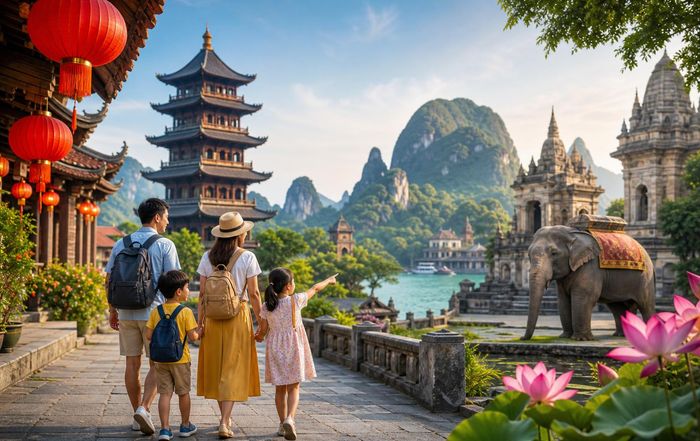
Best Asian Destinations for Family-Friendly Cultural Trips
Asia offers one of the richest tapestries of cultures on the planet, and for families seeking meaningful travel, it has become a classroom without walls where history, food, language, and tradition come alive. As parents look beyond purely recreational holidays and search for journeys that can inspire curiosity, empathy, and global awareness in their children, WorldWeTravel has seen a marked rise in interest in cultural itineraries that feel both enriching and genuinely fun. From temple-filled cities to coastal heritage towns, from high-tech metropolises to rural villages where time seems to slow, Asia presents an extraordinary variety of experiences that can be tailored to families of all ages and travel styles.
This feature explores some of the best Asian destinations for family-friendly cultural trips, focusing on places that combine safety, accessibility, and welcoming hospitality with deeply rooted traditions and living heritage. It is designed to serve as an inspirational guide for readers, who often seek destinations that blend learning and leisure, with an emphasis on positive, responsible, and memorable journeys.
Why Asia Works So Well for Family Cultural Travel
For many families, the idea of a cultural trip can raise practical concerns about logistics, safety, and whether children will truly enjoy the experience. Across much of Asia, however, these worries are often eased by strong family-oriented social norms, well-developed tourism infrastructure in key hubs, and a tradition of welcoming visitors with warmth and patience. In major cities such as Tokyo, Singapore, and Seoul, public transportation is efficient and generally safe, and many museums, cultural centers, and historic sites offer dedicated programs for younger visitors, often with interactive exhibits and multilingual explanations.
Organizations such as the UN World Tourism Organization and regional tourism boards have highlighted the growth of family travel in Asia, noting that destinations from Japan to Thailand and Singapore have increasingly invested in cultural attractions that are accessible and engaging for children. Parents can complement this research with planning resources on WorldWeTravel Destinations, where itineraries are tailored to different age groups and interests, helping families select the right blend of sightseeing, downtime, and hands-on experiences.
For those concerned about health and well-being, many Asian countries have robust healthcare systems and clear public health guidance for visitors. Families can review destination-specific advice from reliable sources such as the World Health Organization and national public health agencies, and then pair that information with wellness-focused insights from WorldWeTravel Health to ensure that cultural immersion goes hand-in-hand with safe and comfortable travel.
Tokyo and Kyoto, Japan: Tradition and Innovation for All Ages
Japan is widely regarded as one of the most family-friendly cultural destinations in the world, combining exceptional public safety, efficient transportation, and a deep reverence for tradition with cutting-edge modern life. In Tokyo, families can move seamlessly from exploring historic neighborhoods like Asakusa, with its iconic Senso-ji Temple, to discovering pop culture districts such as Akihabara and Harajuku, where contemporary fashion and anime culture fascinate teenagers and younger children alike. The city's numerous museums, including the Edo-Tokyo Museum and the National Museum of Nature and Science, often feature interactive exhibits and family-oriented programming; further information can be found via institutions like the Japan National Tourism Organization.
A short bullet-train ride away, Kyoto offers a contrasting atmosphere that helps children understand how Japan balances heritage and modernity. With its historic districts, wooden machiya townhouses, and hundreds of temples and shrines, Kyoto becomes a living history textbook. Families can experience tea ceremonies adapted for younger audiences, try simple calligraphy lessons, or attend seasonal festivals that introduce traditional music and dance. Responsible cultural experiences, such as learning about geiko and maiko culture through reputable local guides rather than staged encounters, can be researched through organizations that promote ethical tourism, including resources referenced by UNESCO on safeguarding intangible cultural heritage.
Parents planning a Japan itinerary can integrate practical advice from WorldWeTravel Tips, which offers guidance on navigating trains with children, understanding local etiquette, and choosing accommodations that suit family needs, whether that means Western-style hotels or family rooms in ryokan inns where tatami mats and futon beds become part of the adventure.
Seoul and Gyeongju, South Korea: Living History and Pop Culture
South Korea provides a dynamic mix of historical depth and contemporary culture that resonates strongly with multi-generational families. In Seoul, visitors can explore royal palaces such as Gyeongbokgung, where children often enjoy watching the colorful changing-of-the-guard ceremonies and trying on hanbok, traditional Korean clothing, at rental shops or cultural centers. Nearby, the Bukchon Hanok Village offers a glimpse into historic Korean architecture, while family-friendly museums and cultural spaces, including the National Museum of Korea, provide context on the peninsula's long and complex history, which can be further explored through resources from the Cultural Heritage Administration of Korea.
For families with older children and teenagers, the global wave of K-pop and Korean drama culture adds another layer of appeal. Neighborhoods like Hongdae and Gangnam in Seoul offer music-themed attractions, entertainment complexes, and creative workshops where visitors can learn basic dance routines or music production concepts, emphasizing participation rather than passive consumption. This blend of traditional and modern culture helps children understand how societies evolve while preserving core identities.
A journey to Gyeongju, often described as a "museum without walls," exposes families to the legacy of the ancient Silla Kingdom. Royal tombs, Buddhist temples such as Bulguksa, and the Seokguram Grotto, a UNESCO World Heritage Site, offer opportunities for gentle hikes and quiet reflection. Families can prepare by reading age-appropriate background material from trustworthy sources such as the UNESCO World Heritage Centre and by consulting cultural travel insights on WorldWeTravel Culture, ensuring that visits are framed in ways that spark curiosity rather than overwhelm.
Singapore: A Compact Gateway to Asian Cultures
For families who may be embarking on their first cultural trip to Asia, Singapore often serves as an ideal introduction. The city-state is known for its safety, cleanliness, and efficient public transportation, and it brings together Chinese, Malay, Indian, and other communities in a relatively compact urban landscape. Neighborhoods such as Chinatown, Little India, and Kampong Gelam allow children to experience distinct cultural traditions within short walking or metro distances, from temple visits and heritage shophouses to vibrant markets and diverse culinary scenes.
The government and cultural institutions in Singapore have invested heavily in museums and educational attractions that are designed with families in mind. The Asian Civilisations Museum, the National Museum of Singapore, and the Indian Heritage Centre all offer interactive exhibits and family trails, often with multilingual support. Information on these institutions is readily available via the Singapore Tourism Board and the museums' own websites, which typically highlight special programs for children and school groups.
Beyond museums, Singapore's blend of nature and urban planning provides opportunities for families to explore environmental themes alongside cultural ones. Attractions such as Gardens by the Bay and the Singapore Botanic Gardens, a UNESCO World Heritage Site, help children appreciate biodiversity and conservation, complementing broader discussions about sustainable travel. Parents interested in integrating environmental education into their itineraries can refer to WorldWeTravel Eco and global references such as the UN Environment Programme to better understand how tourism and conservation interact in city-states like Singapore.
Bangkok, Chiang Mai, and Ayutthaya, Thailand: Temples, Markets, and Gentle Adventure
Thailand has long been a favorite among international travelers, and it remains particularly welcoming to families. In Bangkok, the grandeur of the Grand Palace, Wat Pho, and Wat Arun introduces children to Buddhist art and architecture, while river ferries and canal boats offer a different perspective on city life. Busy markets, both on land and floating, provide sensory-rich experiences where families can sample tropical fruits, local snacks, and handcrafted souvenirs, though it is wise to choose reputable vendors and practice basic food safety, guided by resources such as the Food and Agriculture Organization and general travel health advice.
For a more relaxed pace, many families head north to Chiang Mai, a city known for its historic old town, night bazaars, and surrounding countryside. Here, cultural immersion can take the form of simple cooking classes where children learn to prepare dishes with local ingredients, craft workshops that introduce traditional textiles or umbrella painting, and temple visits that are often less crowded than in the capital. It is important for visitors to select ethical experiences, especially when it comes to wildlife tourism; organizations such as World Animal Protection and the World Wide Fund for Nature (WWF) offer guidelines on choosing animal-friendly attractions, which can be cross-checked before booking.
Nearby, the ancient city of Ayutthaya, accessible from Bangkok by train or river cruise, offers a powerful visual lesson in the rise and fall of kingdoms, with temple ruins and historical parks that invite exploration. Families can deepen their understanding of Thai history by consulting resources from the Tourism Authority of Thailand and by framing visits around age-appropriate stories of trade, diplomacy, and cultural exchange that once made Ayutthaya a global hub.
Bali and Yogyakarta, Indonesia: Living Traditions and Island Culture
In Indonesia, two destinations stand out for family-centered cultural travel: Bali and Yogyakarta on the island of Java. Bali has long attracted visitors with its beaches and landscapes, but for families seeking culture, the island's villages, temples, and community rituals can be particularly meaningful. Towns such as Ubud offer access to traditional dance performances, gamelan music, and craft workshops where children can try batik painting or woodcarving under the guidance of local artisans. Many Balinese ceremonies are community-based and not primarily tourist attractions, so families are encouraged to approach them with respect, modest dress, and guidance from reputable local hosts, a principle echoed by organizations such as the Global Sustainable Tourism Council, which promotes respectful engagement with local cultures.
In Yogyakarta, often considered the cultural heart of Java, families can explore the royal palace complex, known as the Kraton, and surrounding neighborhoods where batik-making and silverwork have been practiced for generations. Nearby, the monumental temples of Borobudur and Prambanan, both UNESCO World Heritage Sites, provide opportunities for sunrise visits and storytelling about Buddhist and Hindu narratives. Parents can use materials from the UNESCO World Heritage Centre and educational organizations such as National Geographic's online resources to introduce children to the religious and historical significance of these sites before they arrive, making the in-person experience more engaging and respectful.
By consulting WorldWeTravel Retreat, families can also incorporate wellness-focused stays in Indonesia, combining cultural exploration with yoga, nature walks, and healthy cuisine that reflect local traditions and contemporary approaches to well-being.
Rajasthan and Kerala, India: Palaces, Backwaters, and Everyday Life
India offers extraordinary diversity, and while the scale of its cities and the intensity of daily life can be overwhelming for some first-time visitors, many families find that carefully planned itineraries provide some of the most memorable cultural experiences anywhere. In the northern state of Rajasthan, cities such as Jaipur, Udaipur, and Jodhpur invite exploration of palaces, forts, and old city bazaars. Children often enjoy climbing ramparts, riding in traditional-style vehicles such as auto-rickshaws, and learning about royal history and folk tales that bring the architecture to life. Reliable context can be drawn from sources like the Archaeological Survey of India and well-regarded guidebooks and cultural organizations that document the region's heritage.
In the south, the state of Kerala offers a different rhythm, with backwater cruises, coastal towns, and hill stations where families can experience a blend of Hindu, Christian, and Muslim influences reflected in architecture, festivals, and cuisine. Traditional art forms such as Kathakali dance and Kalaripayattu martial arts can be watched in performances that often include explanatory introductions for newcomers. The state's emphasis on literacy, healthcare, and education has been widely studied by organizations such as the World Bank, and families interested in social development can use visits to Kerala as a springboard for discussions about community health, education, and sustainable tourism.
To navigate India's varied environments and ensure an enjoyable trip, parents can pair official travel advisories from their home governments with practical planning information from WorldWeTravel Travel, which often highlights family-tested accommodations and transportation options suited to children and older relatives alike.
Hanoi, Hoi An, and Ho Chi Minh City, Vietnam: Street Life and Heritage Towns
Vietnam has emerged as a popular destination for culturally curious families, offering a mix of historic cities, UNESCO-listed towns, and rural landscapes that can be explored at a measured pace. In Hanoi, the Old Quarter's narrow streets, lakes, and markets introduce children to daily life in a rapidly developing country, while sites such as the Temple of Literature and the Vietnam Museum of Ethnology offer insights into the country's Confucian heritage and ethnic diversity. Visitors can consult information from the Vietnam National Administration of Tourism and reputable cultural institutions to plan visits that align with children's interests and attention spans.
Further south, the historic trading town of Hoi An is often singled out as particularly family-friendly, with its lantern-lit streets, riverside setting, and well-preserved architecture. Families can participate in lantern-making workshops, bicycle through nearby rice fields, and learn about the town's history as a trading port where Chinese, Japanese, and European influences met. The preservation of Hoi An's old town has been documented by UNESCO and various heritage organizations, offering ample material for parents who wish to prepare children for what they will see and why it matters.
In Ho Chi Minh City (Saigon), the pace quickens, but families can still craft balanced itineraries that mix history with lighter activities. War-related museums and the Cu Chi tunnels can be powerful and sometimes intense experiences, so many parents choose to focus on age-appropriate content and supplement these visits with cultural outings to markets, pagodas, and contemporary art spaces. Guidance from WorldWeTravel Family can help caregivers design days that are emotionally and physically manageable, ensuring that difficult history is presented thoughtfully and respectfully.
Penang and Kuala Lumpur, Malaysia: Multicultural Heritage in an Accessible Package
In Malaysia, the island-state of Penang and the capital Kuala Lumpur offer complementary experiences that highlight the country's multicultural fabric. George Town, Penang's historic core, is known for its blend of Chinese clan houses, Indian temples, mosques, and colonial-era buildings, many of which have been restored as part of the city's UNESCO World Heritage status. Street art trails, food tours, and heritage house museums make it easy for families to explore at their own pace, sampling cuisines that reflect Chinese, Malay, Indian, and Peranakan traditions. Organizations such as Penang Global Tourism and heritage NGOs provide maps, event calendars, and educational materials to help visitors engage more deeply with local culture.
In Kuala Lumpur, iconic landmarks such as the Petronas Twin Towers share the skyline with historic areas like Merdeka Square and neighborhoods such as Brickfields (Little India) and Chinatown. Families can visit the Islamic Arts Museum Malaysia, which is widely recognized for its carefully curated exhibits and child-friendly educational resources, and then contrast these experiences with contemporary shopping districts and urban parks. The Malaysia Tourism Promotion Board offers up-to-date information on cultural festivals, museum programs, and family-oriented events, enabling visitors to align their trips with major celebrations such as Hari Raya, Chinese New Year, or Deepavali.
By combining Penang and Kuala Lumpur in a single itinerary, families gain a nuanced understanding of how multicultural societies function in practice, and how shared spaces, food, and festivals can foster a sense of national identity. These themes resonate strongly with the top perspective that WorldWeTravel emphasizes in its reporting on WorldWeTravel Global, where cross-cultural understanding is seen as a cornerstone of responsible travel.
Practical Considerations: Making Cultural Trips Enjoyable for Children
While each destination in Asia offers unique experiences, certain practical principles help families make the most of cultural travel. Many experts recommend building itineraries that balance structured activities with free time, allowing children to process what they have seen and to enjoy simple pleasures such as local parks or hotel pools. Selecting accommodations that are well-located and comfortable can significantly reduce transit time and fatigue; parents can research options via trusted booking platforms, cross-referencing reviews and safety information, and then refine their choices using insights from WorldWeTravel Hotels, which focuses on properties that consistently serve families well.
Health and safety remain important considerations. Families can consult official guidance from sources such as the U.S. Centers for Disease Control and Prevention or the European Centre for Disease Prevention and Control for vaccine recommendations, food and water precautions, and other health-related advice, and then adapt that information to their specific destinations and travel dates. Travel insurance that covers medical care and trip interruptions is widely recommended by consumer advocacy groups and travel associations, and many parents find peace of mind in policies that explicitly include coverage for children.
Cultural sensitivity is another vital component of a positive family trip. Simple practices such as learning a few words in the local language, dressing modestly when visiting religious sites, and following photography guidelines at temples, shrines, and community events can model respect for children and open doors to more genuine interactions. Parents can prepare by exploring background material from organizations such as UNESCO, UNICEF, and reputable cultural institutes, and by using resources on WorldWeTravel Work that discuss cross-cultural communication and global citizenship in accessible terms.
Inspiring the Next Generation of Global Citizens
As families around the world look ahead to future journeys, Asia stands out as a region where cultural travel can be transformative without sacrificing comfort or enjoyment. From Japan's seamless blend of ancient and modern, to Thailand's temple-filled cities and relaxed northern towns, to Indonesia's living arts and India's intricate tapestry of histories and faiths, each destination offers opportunities for children to expand their horizons and for adults to see the world through fresh eyes.
By approaching these trips with thoughtful planning, reliable information from trusted sources, and a spirit of openness and humility, families can create experiences that linger long after the suitcases are unpacked. For top travel enthusiasts, the goal is not merely to check destinations off a list, but to cultivate a deeper understanding of how people live, celebrate, and create meaning across different cultures. With careful preparation, collaboration with ethical local partners, and an emphasis on health, safety, and respect, family-friendly cultural trips in Asia can become some of the most inspiring chapters in a lifetime of travel.