

How to Plan Safe Family Travel Across South America
Family travel across South America in 2026 has matured into a sophisticated, highly manageable undertaking for parents who combine curiosity with disciplined preparation, and for the global audience of WorldWeTravel.com, this region increasingly represents not a risky frontier, but a dynamic, educational and safe arena in which children, parents and even grandparents can explore together. As connectivity, infrastructure and digital tools continue to advance across the continent, the discussion has shifted from whether South America is suitable for families from the United States, United Kingdom, Germany, Canada, Australia, France, Italy, Spain, the Netherlands, Switzerland, Japan, Singapore and beyond, to how best to design itineraries that balance cultural immersion, environmental responsibility and robust risk management. For readers used to evaluating destinations through the lens of experience, expertise, authoritativeness and trustworthiness, South America in 2026 rewards those who plan thoughtfully, verify information carefully and partner with reputable providers, while still leaving enough flexibility for serendipitous discovery.
The Evolving South American Travel Landscape in 2026
By 2026, the travel landscape across South America reflects a decade of sustained investment in tourism infrastructure, digital services and health security, tempered by ongoing regional disparities that prudent families must still navigate. Major hubs such as Rio de Janeiro, Buenos Aires, Santiago, Lima, Quito and Montevideo continue to upgrade airports, public transport networks, digital payment systems and emergency response capabilities, while secondary cities and gateway towns near major natural attractions have expanded family-friendly offerings, from improved road links and regulated tour operations to modern mid-range hotels and serviced apartments. Yet, as with any large and diverse continent, families must remain alert to pockets of elevated urban crime, varying road safety standards in rural areas, and the possibility of localized political demonstrations or social unrest that can affect mobility and comfort.
Responsible planning therefore begins with a disciplined review of official advisories and primary sources rather than social media anecdotes. Government portals such as the U.S. Department of State at travel.state.gov, the UK Foreign, Commonwealth & Development Office at gov.uk/foreign-travel-advice and the Government of Canada at travel.gc.ca provide continuously updated assessments of security, entry requirements, health conditions and potential disruptions, which families can cross-check with the regional and country overviews curated on WorldWeTravel.com Destinations. In practice, this means distinguishing between broad narratives about "South America" and the specific realities of individual cities, regions and national parks, allowing parents to construct itineraries that align with their risk tolerance while still accessing the continent's most rewarding experiences.
Selecting Family-Appropriate Destinations Across the Continent
Choosing the right destinations remains the single most consequential strategic decision for safe family travel, and in 2026 the range of viable options for families has widened considerably, from cosmopolitan capitals to remote eco-regions. Urban centers such as Santiago in Chile and Montevideo in Uruguay continue to perform strongly in global safety and liveability rankings published by organizations like the Economist Intelligence Unit, while Buenos Aires and Lima have deepened their focus on pedestrian zones, cultural districts, museum programming and gastronomy that are accessible and engaging for children and teenagers. Families evaluating these options can benefit from the comparative, cross-regional lens offered by WorldWeTravel.com Global, which situates South American cities alongside counterparts in Europe, Asia, North America and Oceania in terms of infrastructure, culture and cost.
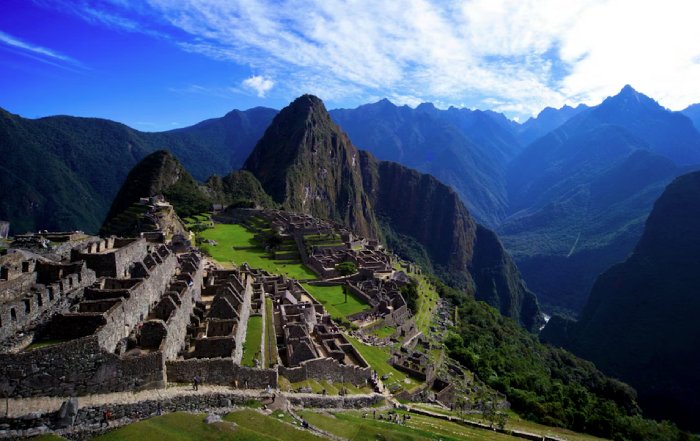
Beyond the cities, South America's natural environments are where many families find their most memorable yet controlled adventures. The Patagonian landscapes of Chile and Argentina, the stark beauty of the Atacama Desert, the Sacred Valley near Cusco, the Galápagos Islands, the Iguazú Falls straddling Brazil and Argentina, and the Andean lake regions of Chile and Peru offer structured encounters with nature through regulated national park systems, licensed guides and conservation-focused lodges. By reviewing frameworks from UNESCO at unesco.org and the International Union for Conservation of Nature at iucn.org, parents can identify World Heritage Sites and key biodiversity areas where tourism is managed according to international standards, thereby combining safety with educational depth for children who may be encountering glaciers, cloud forests or marine sanctuaries for the first time.
Health, Vaccinations and Medical Preparedness in a Post-Pandemic Era
Health planning has taken on a new level of sophistication in the years following the COVID-19 pandemic, and by 2026 families are generally more accustomed to integrating medical considerations into their travel design, particularly when crossing multiple climate zones and altitudes. Authoritative guidance from the World Health Organization at who.int and the Centers for Disease Control and Prevention at cdc.gov/travel remains essential for understanding recommended and required vaccinations, malaria or dengue risk, yellow fever certificate rules, food and water safety, and altitude-related issues that are especially relevant in destinations such as Cusco, La Paz or Quito. Because some vaccines and prophylaxis regimens require multiple doses or lead times, experienced families now routinely begin medical consultations several months before departure, particularly if their itinerary includes countries such as Brazil, Bolivia or parts of the Amazon basin.
For families traveling with infants, pregnant women, elderly relatives or members with chronic conditions, the standard of care must be even higher, encompassing comprehensive travel insurance with medical evacuation coverage, a clear understanding of how to access high-quality clinics in each major stop, and realistic contingency plans for itinerary changes. Internationally recognized health providers like Mayo Clinic at mayoclinic.org and Cleveland Clinic at my.clevelandclinic.org offer accessible resources on conditions such as altitude sickness, heat exhaustion, dehydration and food-borne illness that parents can review in advance, enabling them to brief teenagers and older children in age-appropriate terms. Many of the region's capitals now host private hospitals and clinics that meet international standards and offer English-speaking staff, and well-managed hotels often maintain updated lists of recommended facilities and on-call doctors. For a more holistic integration of wellness into trip planning, readers can draw on the insights at WorldWeTravel.com Health, where physical safety, mental well-being and preventive strategies are treated as interlocking elements rather than afterthoughts.
Security, Digital Tools and Everyday Risk Management
Security concerns in South America, as in many parts of the world, require nuance rather than alarmism, and experienced travelers increasingly recognize that the same urban safety practices they would adopt in New York, London, Paris or Los Angeles are largely applicable in Rio de Janeiro or Lima albeit with local adaptations. Families who avoid displaying valuables, stay away from poorly lit or isolated areas at night, rely on official taxis or vetted ride-hailing services, keep photocopies of passports and maintain situational awareness in crowded markets and transit hubs can dramatically lower their exposure to petty theft and opportunistic crime. Communities of expatriates and long-term residents, accessible through platforms such as InterNations at internations.org and Expatica at expatica.com, provide grounded perspectives on daily life in cities across Brazil, Argentina, Chile, Colombia, Peru and Ecuador, helping families separate sensational headlines from routine realities.
In 2026, digital tools have become indispensable components of family safety, and WorldWeTravel.com readers tend to be early adopters of technologies that enhance visibility and control without undermining the spontaneity of travel. Secure messaging apps, offline navigation tools, ride-hailing platforms and translation apps allow parents to coordinate movements, verify routes and communicate with local providers even when language skills are still developing. Cybersecurity is now recognized as an integral part of physical safety: families are increasingly careful to avoid conducting financial transactions over unsecured public Wi-Fi, to use reputable virtual private networks, and to configure children's devices with robust privacy and content controls. For a broader view of how biometrics, digital health records, e-visas and smart border systems are reshaping the travel experience in Europe, Asia, North America and South America alike, readers can explore WorldWeTravel.com Technology, which tracks these innovations from a traveler-centric, safety-conscious perspective.
Accommodation Strategy: Hotels, Apartments and Eco-Lodges
Accommodation choices are central to both comfort and security, and in 2026 families can choose from a far more diversified ecosystem than in previous decades, ranging from large international chains to boutique properties, serviced apartments and eco-lodges embedded in national parks or private reserves. Global hotel groups such as Marriott International, Hilton Worldwide and Accor have deepened their presence in South American capitals and key secondary cities, and their corporate sites at marriott.com and hilton.com detail standardized safety protocols, 24-hour reception, CCTV coverage, secure keycard systems, kids' clubs, connecting rooms and proximity to hospitals or embassies, all of which can be reassuring for parents arriving from the United States, United Kingdom, Germany or Japan on overnight flights.
At the same time, families seeking more characterful or immersive stays are increasingly turning to vetted boutique hotels, serviced apartments and eco-lodges across Chile, Peru, Ecuador, Colombia, Brazil and Argentina, often reserving through platforms like Booking.com at booking.com or Airbnb at airbnb.com. Parents with an eye for risk management now routinely scrutinize guest reviews not only for cleanliness and comfort, but also for comments about neighborhood safety, staff responsiveness, noise levels, child-friendliness and the handling of any incidents. In sensitive ecosystems such as the Amazon Rainforest or the Pantanal, eco-lodges that adhere to recognized sustainability standards, employ trained naturalists and maintain clear safety briefings for wildlife encounters are generally preferable to cheaper, less regulated operators. To help readers compare these options across continents and budget levels, WorldWeTravel.com Hotels offers experience-based guidance that emphasizes reliability, transparency and long-term relationships with trusted brands and independent properties alike.
Transportation and Mobility: Crossing a Continent Safely
South America's sheer scale, spanning from the Caribbean coast of Colombia to the subpolar regions of Patagonia, obliges families to make deliberate choices about how they move between and within countries, balancing cost, time, environmental impact and safety. Regional airlines such as LATAM Airlines, Avianca and Sky Airline operate dense networks that connect major hubs and tourist gateways, and their safety records and service standards are monitored by organizations like the International Air Transport Association at iata.org and Skytrax at skytraxratings.com. Experienced families often prefer direct flights when traveling with young children, build generous buffers into connection times to accommodate delays, and verify baggage rules for strollers, car seats and sports equipment well before departure.
Within countries, mobility options range from domestic flights and long-distance buses to trains, ferries and private transfers, with the optimal mix varying by geography and family profile. In Argentina and Chile, for example, reputable long-distance bus companies provide safe, comfortable services with assigned seating, reclining seats and onboard entertainment, while in some Andean or Amazonian regions, mountainous roads, weather volatility and limited lighting make private transfers with experienced, insured drivers a more prudent choice, especially for families traveling with grandparents or very young children. Major international car rental brands such as Hertz, Avis and Europcar maintain fleets in many urban centers, but self-driving demands familiarity with local traffic norms, insurance coverage details and parking practices, which can differ significantly from those in Europe or North America. Readers who wish to understand how broader economic trends and infrastructure investments influence transport reliability can consult WorldWeTravel.com Economy, which examines how road networks, airports and public transit systems are evolving across the region and what that means for risk-aware travelers.
Cultural Literacy, Respect and Family Preparedness
Safe travel is also cultural travel, and families who invest in understanding local norms, languages and histories tend to experience smoother, more respectful interactions while reducing the risk of misunderstandings that can escalate into uncomfortable or unsafe situations. Basic Spanish and Portuguese phrases, along with familiarity with local etiquette around greetings, personal space, tipping, photography and dress, help children and adults alike navigate social encounters in Brazil, Chile, Peru, Colombia, Ecuador and neighboring countries. Institutions such as the British Council at britishcouncil.org and Instituto Cervantes at cervantes.es offer language and cultural resources that can be used before departure or even during longer stays, supporting both linguistic confidence and cultural sensitivity.
In regions with strong Indigenous heritage, including Quechua and Aymara communities in Peru, Bolivia and Ecuador, Mapuche communities in Chile and Argentina, and diverse groups in the Amazon basin, respectful engagement means recognizing local leadership structures, following community protocols for photography and sacred sites, and supporting community-owned tourism enterprises where possible. Parents who brief their children about these considerations in advance help them appreciate that they are guests in living cultures rather than spectators in a theme park. For background reading, families can explore resources from major cultural institutions such as the Museo Nacional de Antropología in Mexico, whose information is accessible via culture.gouv.fr for comparative context, and then complement this with on-the-ground experiences curated through WorldWeTravel.com Culture, where traditions, festivals and heritage sites are analyzed from a global, family-oriented perspective.
Sustainable and Eco-Conscious Family Itineraries
By 2026, sustainability has become a central pillar of responsible family travel rather than a niche concern, and many WorldWeTravel.com readers now view environmental and social stewardship as integral to safety, recognizing that degraded ecosystems and strained communities can create instability over time. South American destinations such as the Galápagos Islands, the Amazon Rainforest, the Pantanal, the Atlantic Forest of Brazil and the high Andean páramo provide powerful opportunities for children to understand biodiversity and climate issues firsthand, but they also demand careful selection of operators who prioritize conservation over volume. Organizations like the World Wildlife Fund at wwf.org and the United Nations Environment Programme at unenvironment.org offer frameworks for evaluating wildlife encounters, carbon-conscious travel choices and community-based tourism models that channel economic benefits to local residents.
For families considering Amazonian river cruises, jungle lodges or wildlife safaris, due diligence now includes verifying waste management practices, group sizes, energy sources, local employment policies and the presence of trained naturalist guides, in addition to conventional safety metrics such as life jackets, first-aid capacity and emergency evacuation procedures. Similarly, trekkers in Peru and Chile increasingly seek out operators who adhere to Leave No Trace principles, treat porters and support staff fairly, and participate in reforestation or community development initiatives. To help integrate these considerations into the earliest stages of trip design, WorldWeTravel.com Eco presents sustainability not as an optional extra, but as a core dimension of modern travel planning that enhances both safety and educational value for children growing up in an era of heightened environmental awareness.
Blending Work, Study and Extended Travel
The rise of remote work, hybrid employment models and flexible schooling has transformed how many families approach time abroad, and in 2026 it is increasingly common for professionals from North America, Europe, Asia and Oceania to base their families in South American cities such as Buenos Aires, Quito, or Santiago for several weeks or months at a time. This lifestyle, while rewarding, introduces a distinct set of safety and logistical considerations that differ from those of short-term tourists, including the need for reliable high-speed internet, secure co-working spaces, child-friendly neighborhoods, long-stay visa compliance and access to local schools or structured learning environments. Global workspace providers such as WeWork at wework.com and Regus at regus.com list co-working facilities across the region, many of which offer controlled access, professional security and ergonomic setups conducive to sustained productivity.
Families embracing this blended model must think carefully about residential choices, often prioritizing walkable neighborhoods with parks, playgrounds, supermarkets, pharmacies and clinics within easy reach, as well as reliable public transport or safe ride-hailing coverage. They must also understand country-specific regulations on digital nomad visas, tax implications and school enrollment options, which differ between Brazil, Colombia, Chile and other jurisdictions. For readers designing itineraries that integrate professional obligations with family exploration, WorldWeTravel.com Work and WorldWeTravel.com Travel together provide frameworks for balancing productivity, safety, cultural immersion and educational outcomes for children who may be following online curricula from Canada, Australia or the United Kingdom while living temporarily in South America.
Wellness, Retreats and Psychological Safety
Safe family travel encompasses not only physical security and health, but also psychological well-being and emotional resilience, and in 2026 many families are intentionally incorporating wellness elements and rest periods into their South American journeys. Retreat centers and wellness-focused lodges in Colombia, Peru, Brazil, Costa Rica and parts of Chile now offer programs that combine nature immersion, light physical activity, mindfulness, yoga and digital detox periods, some of which are adapted for families with children or teenagers. The Global Wellness Institute at globalwellnessinstitute.org tracks standards and trends in wellness tourism, providing a useful reference point for parents evaluating claims about program quality, safety and practitioner credentials.
Parents must nonetheless exercise discernment, particularly with offerings that involve plant-based ceremonies, intense fasting, extreme sports or other experiences that may be culturally significant but not necessarily appropriate for all ages or health profiles. A measured approach often involves integrating shorter, family-friendly wellness experiences-such as thermal springs visits in the Andes, guided forest walks, gentle yoga classes or technology-free afternoons-into broader itineraries rather than committing to highly intensive retreats. Building in rest days after long-haul flights, altitude transitions or dense urban segments can significantly reduce fatigue-related risks and improve decision-making. For curated ideas on integrating restorative experiences into family travel, readers can explore WorldWeTravel.com Retreat, where wellness is framed as a practical tool for sustaining energy, attention and emotional balance on the road.
Practical Decision Frameworks and Actionable Tips for Parents
For families approaching South America for the first time, the abundance of information can feel overwhelming, and the most effective strategy is to translate high-level principles into a clear, repeatable decision framework that can be applied to any combination of countries and cities. Parents can begin by defining their primary objectives-whether these center on nature immersion, cultural exposure, language learning, adventure activities or a mix-then evaluating candidate destinations against criteria such as political stability, health infrastructure, connectivity, climate, seasonality and alignment with their children's ages and interests. Reputable editorial resources such as Lonely Planet at lonelyplanet.com and National Geographic Travel at nationalgeographic.com/travel provide narrative context and inspiration that complement the more operational data found on government and airline sites, while WorldWeTravel.com integrates these perspectives into global comparisons shaped by firsthand experience.
Once a realistic shortlist is established, families can design routes that minimize unnecessary backtracking, cluster destinations by altitude and climate, and build in acclimatization time for highland cities like Cusco, Quito or La Paz. It is prudent to establish family safety protocols before departure-covering meeting points, communication rules, handling of valuables, behavior expectations in crowds and emergency contacts-and to rehearse them with children in familiar environments at home. For distilled, experience-based guidance that speaks directly to the concerns of traveling families, WorldWeTravel.com Tips and WorldWeTravel.com Family offer practical checklists, scenario planning ideas and age-specific recommendations, all grounded in the realities of moving through diverse regions from South America to Asia, Africa and Europe.
Why South America in 2026 Remains a Compelling Choice for Families
Viewed through the combined lenses of experience, expertise, authoritativeness and trustworthiness, South America in 2026 stands out as a region where families can meaningfully broaden their children's horizons while maintaining a disciplined approach to safety and risk management. Its extraordinary geographic diversity-from the glaciers and fjords of Patagonia to the beaches of Brazil, the high plateaus of Bolivia, the vineyards of Chile, the colonial cities of Colombia and the rainforests of the Amazon-creates a natural classroom in which lessons about history, ecology, culture and economics come alive in ways that textbooks alone cannot match. Its cities, meanwhile, showcase dynamic gastronomy, contemporary art, music and innovation that resonate with visitors from Scandinavia, Singapore, South Korea, South Africa, Brazil itself and every corner of the globe.
For WorldWeTravel.com, whose global audience values both discovery and due diligence, South America exemplifies the kind of destination where careful planning amplifies reward rather than constraining it. By drawing on authoritative health and security sources, exercising cultural humility, prioritizing sustainable operators, leveraging technology wisely and pacing itineraries to respect the needs of every family member, parents can transform potential risks into managed adventures that build confidence and resilience in their children. As travel continues to evolve in response to technological, environmental and social shifts, those who engage with South America in this thoughtful, informed manner will find that safe family travel here is not an exception but an achievable standard-one that allows families from the United States, United Kingdom, Germany, Canada, Australia, Japan, Singapore and beyond to experience the world together with both wonder and assurance. For readers ready to take the next step, the broader ecosystem of insights at WorldWeTravel.com stands as a trusted companion in turning that ambition into a well-designed, safe and deeply memorable journey.