

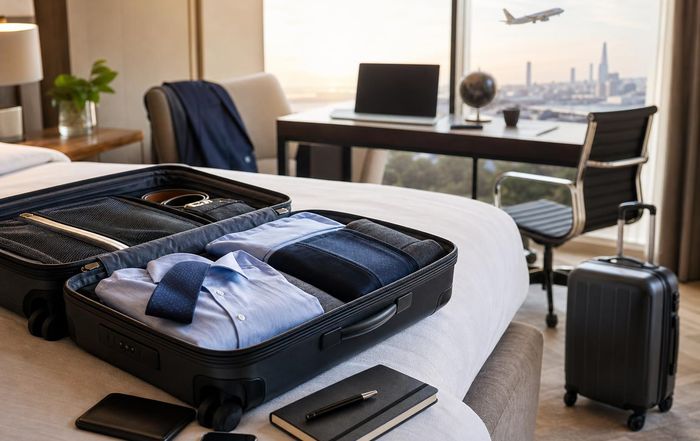
Business Travel Packing Tips for Short Overseas Trips
Rethinking Business Travel in a Changing World
Business travel has transformed dramatically over the past decade, shaped by advances in digital tools, shifting corporate priorities, and evolving border and health regulations. Yet short overseas trips remain essential for sealing partnerships, nurturing client relationships, and exploring new markets. For many professionals, the challenge is no longer simply getting from point A to point B, but doing so with maximum efficiency, minimal stress, and a lighter environmental footprint.
For our readers balance demanding careers with a deep curiosity about the world, smart packing for business trips is no longer a minor logistical detail; it is a core skill that influences productivity, wellbeing, and even professional reputation. As airlines refine cabin baggage rules, companies re-emphasize duty-of-care responsibilities, and travelers themselves become more conscious of sustainability and health, the way a person packs for a three- to five-day international assignment has become a telling reflection of their expertise and preparedness.
The New Realities of Short Overseas Business Trips
Short overseas journeys, often lasting two to four nights, present distinct challenges. Travelers must navigate different time zones, changing climates, and varying cultural expectations while typically carrying only cabin baggage to avoid delays and lost luggage. According to data from organizations such as the Global Business Travel Association (GBTA), corporate travel volume has been steadily recovering, with many companies adopting a hybrid model that combines virtual meetings with carefully chosen in-person visits.
This shift has made each trip more consequential and more tightly scheduled. A typical short trip might involve multiple client meetings, a conference appearance, an internal strategy session, and perhaps a networking dinner, all compressed into a few days. Packing, therefore, is not simply about clothing and toiletries; it is about curating a compact, mobile toolkit that enables a traveler to move seamlessly from airport lounge to boardroom to informal social gathering, without wasting time or mental energy.
Travelers who rely on resources such as the International Air Transport Association (IATA) for airline regulations, and official government portals like Gov.uk (UK foreign travel advice) or the U.S. Department of State (travel.state.gov) for entry requirements, increasingly recognize that preparedness begins well before the suitcase is opened. Packing strategy is best viewed as the final step in an integrated approach that includes documentation, health planning, and digital readiness, all of which are central themes across WorldWeTravel's dedicated business travel and global travel guides.
Choosing the Right Luggage for Efficiency and Comfort
The foundation of any successful short overseas trip is the right luggage. Frequent business travelers often favor a single carry-on suitcase combined with a personal item such as a slim backpack or briefcase. Leading aviation and consumer organizations, including IATA and independent review platforms like Consumer Reports (luggage buying advice), stress durability, weight, and maneuverability as key factors in selecting a bag that stands up to repeated journeys.
For short business trips, a hard-sided carry-on with four spinner wheels and a robust telescopic handle often offers the best balance of protection and ease of movement. Travelers who regularly traverse busy hubs like Heathrow, Frankfurt, Singapore Changi, or Atlanta know that being able to navigate crowds, escalators, and long concourses with one hand free is invaluable. Many professionals also choose luggage with integrated or removable USB power banks, though it is important to ensure that any batteries meet airline safety rules, which can be checked via resources such as Transportation Security Administration (TSA) guidelines and specific airline websites.
For the personal item, a slim, structured laptop backpack or a professional-looking tote with a dedicated device compartment and pass-through sleeve for attaching to the suitcase handle provides both organization and comfort. WorldWeTravel's broader travel insights emphasize that a well-chosen personal item should function as a mobile office, accommodating laptop, essential documents, chargers, and a small set of personal comfort items without becoming unwieldy. The aim is to remain agile during security checks, boarding, and ground transfers, whether the destination is New York, London, Singapore, or Sydney.
A Capsule Wardrobe Strategy for the International Boardroom
For a short overseas business trip, clothing must meet multiple, sometimes competing demands: professionalism, cultural appropriateness, climate adaptability, and resistance to wrinkling. Fashion and travel experts, including those at Business of Fashion (global style trends) and Condé Nast Traveler (packing strategies), consistently recommend a capsule wardrobe approach, focusing on a small number of high-quality, mix-and-match pieces.
A typical capsule for a three- to four-day trip might include one suit or tailored jacket, two or three shirts or blouses, one or two pairs of versatile trousers or skirts, and a single pair of polished yet comfortable shoes, supplemented by undergarments, sleepwear, and a compact set of accessories. Neutral colors such as navy, charcoal, black, and white or soft blue allow for multiple combinations, while a single accent item-a tie, scarf, or subtle piece of jewelry-can add personality without overwhelming a professional appearance.
Wrinkle-resistant, breathable fabrics such as wool blends, technical synthetics, or performance cotton can significantly reduce the need for ironing, which is especially helpful where hotel pressing services are limited or costly. Many premium and mid-range properties listed on WorldWeTravel's curated hotel recommendations now provide steamers or garment care options, but travelers cannot always rely on these amenities, particularly when staying in smaller boutique or eco-conscious lodgings. Learning simple techniques such as rolling garments instead of folding, using packing cubes to compress and organize, and hanging clothes in a steamy bathroom upon arrival can keep outfits presentable with minimal effort.
Cultural sensitivity remains vital. Resources such as CultureTrip (cultural etiquette overviews) and the BBC's country profiles (BBC country profiles) offer general guidance on dress norms in different regions. In some parts of Asia, the Middle East, or Africa, more conservative attire may be expected in corporate settings, while start-up hubs in Berlin, San Francisco, or Melbourne may embrace a more relaxed style. A seasoned traveler uses these insights, together with locally focused articles on culture and etiquette from WorldWeTravel, to assemble a wardrobe that shows respect and adaptability.
Document Essentials and Digital Readiness
No packing strategy can be considered complete without careful attention to documentation and digital tools. International business travelers must ensure that passports, visas, and any required entry forms or vaccination proofs are valid and easily accessible. Official sources such as Schengen Visa Info (Schengen area requirements), Immigration New Zealand (immigration.govt.nz), and Singapore's Immigration & Checkpoints Authority (ICA) provide up-to-date regulations, while many airlines now integrate document checks into their mobile apps.
A prudent traveler keeps both physical and digital copies of key documents, including passport identification pages, visas, invitation letters, hotel confirmations, and travel insurance policies. Secure cloud storage from providers such as Microsoft, Google, or Apple, combined with device-level encryption and strong authentication, helps protect sensitive information while ensuring that it can be retrieved quickly if a wallet or bag is misplaced. Cybersecurity organizations, including ENISA in Europe (ENISA security tips), emphasize the importance of using virtual private networks (VPNs) and avoiding public Wi-Fi for confidential work, advice that has become increasingly relevant as remote access to corporate systems has become standard practice.
From a productivity standpoint, a carefully curated set of digital tools and accessories can transform airport lounges and hotel rooms into efficient workspaces. A universal power adapter, compact multi-port USB charger, and noise-cancelling headphones are now considered essential for many professionals. Technology analysts at Wired (travel tech gear) and The Verge (mobile productivity devices) frequently highlight the value of lightweight laptops or tablets with long battery life, as well as cloud-based collaboration platforms that allow teams to work across time zones. For readers of WorldWeTravel, integrating these tools with broader technology trends in travel can support a seamless experience from departure to return.
Health, Wellbeing, and Jet Lag Management
In an era of heightened health awareness, travelers are increasingly conscious of the physical and mental demands of rapid international movement. Organizations such as the World Health Organization (WHO travel advice) and the Centers for Disease Control and Prevention (CDC travel health) provide evidence-based guidance on vaccinations, disease prevention, and safe food and water practices. For short business trips, where schedules are tight and downtime is limited, maintaining wellbeing requires both preparation and thoughtful packing.
A compact health kit tailored to the individual's needs can include any prescribed medications in original packaging, basic pain relief, motion sickness remedies where appropriate, rehydration salts, and a small supply of plasters or bandages. Travelers should also consider packing high-quality earplugs, an eye mask, and a lightweight neck pillow to facilitate rest during flights, particularly on overnight routes. Many frequent travelers find that carrying a reusable water bottle, where security rules permit, supports hydration, which is crucial for managing jet lag and maintaining focus in back-to-back meetings.
Research compiled by institutions such as Harvard Medical School (sleep and jet lag) suggests that adjusting sleep schedules gradually before departure, seeking daylight exposure at the destination, and avoiding heavy meals and excessive caffeine or alcohol close to bedtime can help the body adapt more quickly. Integrating these practices with practical advice from WorldWeTravel's dedicated health and wellness travel section enables professionals to arrive more alert and resilient, even on short trips that cross several time zones.
Many hotels in major business hubs, including cities like Zurich, Tokyo, and Toronto, now emphasize wellness amenities such as in-room fitness equipment, healthy menu options, and dedicated relaxation spaces. When choosing accommodation, travelers can consult both global booking platforms and curated guides, including WorldWeTravel's retreat and wellness travel recommendations, to identify properties that support restorative sleep and recovery. Packing light workout clothing and compact resistance bands or yoga straps can make it easier to maintain a basic exercise routine, even when gym access is limited.
Sustainable and Eco-Conscious Packing Choices
Sustainability has become a central concern for many organizations and individual travelers alike. Reports from entities such as the World Travel & Tourism Council (WTTC sustainability initiatives) and the United Nations Environment Programme (UNEP sustainable tourism) highlight the environmental impact of frequent flying, prompting companies and travelers to seek ways to reduce their footprint without abandoning essential trips. While the most significant sustainability gains often come from strategic choices-such as combining multiple meetings into a single journey or preferring rail over air on certain routes-packing decisions also play a meaningful supporting role.
Eco-conscious packing focuses on minimizing waste, choosing durable and repairable items, and avoiding unnecessary single-use products. Refillable toiletry containers, solid shampoo and soap bars, and reusable cutlery or coffee cups can significantly reduce reliance on disposable plastics. Many airlines and airports are expanding recycling and refill stations, and resources like Sustainable Travel International (sustainabletravel.org) offer guidance on low-impact travel habits. At the same time, travelers can align their choices with the values promoted in WorldWeTravel's eco travel features, which highlight destinations, hotels, and tour operators committed to responsible practices.
Selecting clothing and luggage from companies with credible sustainability commitments-such as verified use of recycled materials, transparent supply chains, or repair and take-back programs-can further enhance the positive impact of packing decisions. Independent organizations like B Lab (B Corp directory) and OEKO-TEX (oeko-tex.com) provide certifications that help distinguish genuinely responsible brands from superficial marketing claims. For business travelers, these choices often align with corporate environmental, social, and governance (ESG) goals, reinforcing professional credibility when meeting partners who share similar values.
Family, Work-Life Balance, and the Human Side of Packing
Even a brief overseas assignment can have significant implications for family routines and personal commitments, especially for professionals who travel regularly. Thoughtful packing can ease some of this strain by reducing last-minute stress and ensuring that essential items are not forgotten, which in turn allows travelers to focus more fully on both work and home responsibilities.
Parents, for example, may choose to pack small tokens or notes for children, or to include a lightweight item that helps maintain a familiar bedtime routine when video calls are scheduled across time zones. Articles from family-focused organizations such as Family Travel Association (familytravel.org) underscore the emotional importance of predictable rituals and clear communication during absences. In parallel, WorldWeTravel's family-oriented guidance recognizes that business trips often intersect with family life, whether through combined "bleisure" extensions or carefully timed returns.
Professionals who blend remote work with travel-sometimes staying on for a weekend or working from another city after formal meetings conclude-can benefit from packing a small set of casual clothes that allow them to explore safely and respectfully without needing additional luggage. This approach aligns with broader trends in flexible work and digital nomadism, discussed in depth in WorldWeTravel's work and mobility coverage. In every case, the goal is to treat packing not as a purely functional exercise, but as part of a holistic strategy for maintaining balance, presence, and personal wellbeing.
Practical Tips Refined by Experience
Across global business hubs, seasoned travelers have developed a set of practical habits that help them pack smarter and adapt quickly to changing circumstances. Travel experts at outlets such as Lonely Planet (travel tips and hacks) and National Geographic Travel (natgeo travel advice) often highlight the value of packing checklists, which can be stored digitally and refined after each trip. Over time, professionals learn which items they consistently use and which remain untouched, gradually streamlining their load.
Another widely endorsed practice is to plan each day of the trip in broad strokes-considering likely meetings, social engagements, and transit times-and then ensuring that every packed item serves at least one clear purpose within that plan. Redundancy can be helpful for critical items such as chargers or presentation materials, where a backup stored in the cloud or on a secondary device can prevent disruption. For clothing and accessories, however, versatility is more valuable than variety, and a well-curated capsule remains the most efficient approach.
Travel insurance, while not a physical item, is an essential part of the "packing list" for international business journeys. Providers and consumer advocates, including InsureMyTrip (travel insurance comparison) and MoneySavingExpert in the UK (travel insurance guidance), advise professionals to ensure that policies cover medical care, trip interruption, and the value of business equipment. For readers here, integrating this financial protection with broader economy and travel cost insights offers a more complete understanding of risk management.
Bringing It All Together: Packing as a Professional Skill
In a world where international business travel is both more intentional and more scrutinized than ever, the ability to pack effectively for short overseas trips has become a defining professional competency. It reflects not only organizational skills and foresight, but also respect for colleagues, clients, and the wider environment. The most successful travelers approach packing as a strategic exercise that connects destination research, health planning, digital security, sustainability, and personal wellbeing into a coherent whole.
For the growing community that turns to us and the destination insights for guidance on navigating cities from New York to Tokyo, Cape Town to Copenhagen, these packing practices serve as a bridge between aspiration and execution. They enable a professional to step off a long-haul flight, clear immigration with confidence, arrive at a hotel with everything needed in a single compact bag, and walk into the first meeting composed, prepared, and ready to build meaningful connections.
As organizations continue to refine their travel policies and individuals reassess how they wish to work and live, short overseas business trips are likely to remain a vital part of the global economy. By embracing thoughtful, informed, and eco-conscious packing strategies, today's traveler can turn each journey into an opportunity not only for commercial success, but also for personal growth, cultural understanding, and a more sustainable relationship with the wider world.