

Best Types of Hotels for Longer International Stays
Extended international stays are becoming a defining feature of modern travel, whether driven by remote work, family relocation, slow tourism, or long-term study and training programs. As borders have reopened and digital tools have matured, travelers increasingly look beyond short city breaks and seek accommodations that feel less like a stopover and more like a temporary home. For a global hopping audience, this shift raises an essential question: which types of hotels and accommodation models genuinely support longer international stays in a way that is comfortable, efficient, and financially sustainable?
This article explores the leading hotel formats suited to multi-week and multi-month trips, drawing on developments across North America, Europe, Asia-Pacific, and beyond. It examines how different properties have evolved to serve business travelers, families, digital nomads, and wellness-focused guests, and it highlights how travelers can align their accommodation choices with their own priorities in terms of comfort, culture, sustainability, and cost.
The Rise of Long-Stay Travel and Hybrid Lifestyles
Longer international stays have been strengthened by several converging trends, including the growth of remote and hybrid work, the expansion of digital nomad visas in destinations such as Portugal, Spain, Estonia, and Thailand, and a growing desire for "slow travel" that emphasizes immersion over rapid sightseeing. Data from organizations such as the World Tourism Organization (UNWTO) indicates that international tourism has been steadily recovering and transforming, with travelers staying longer and combining leisure and work more frequently than before the pandemic; readers can explore broader recovery patterns through resources such as the UNWTO tourism data and insights.
At the same time, large hotel groups and alternative accommodation providers have responded by expanding extended-stay brands, aparthotels, and serviced residences. Marriott International, Hilton, Accor, and Hyatt have each invested in long-stay concepts that blend hotel services with residential-style amenities, while regional groups in Europe and Asia have developed aparthotel chains tailored to urban professionals and relocating families. On the policy side, destinations from the United Arab Emirates to Costa Rica have introduced or refined long-stay and remote-worker schemes, which indirectly shape the supply and design of accommodation. Travelers researching country-specific entry and visa conditions can consult reliable sources such as the U.S. Department of State travel information or the European Union's official immigration portal.
Within this evolving landscape, WorldWeTravel positions itself as a guide to help readers evaluate not only destinations but also the living environments that make longer stays viable. Its resources on global destinations and long-term travel planning offer a complementary foundation for the practical and strategic decisions discussed below.
Extended-Stay Hotels: The Classic Solution for Long Trips
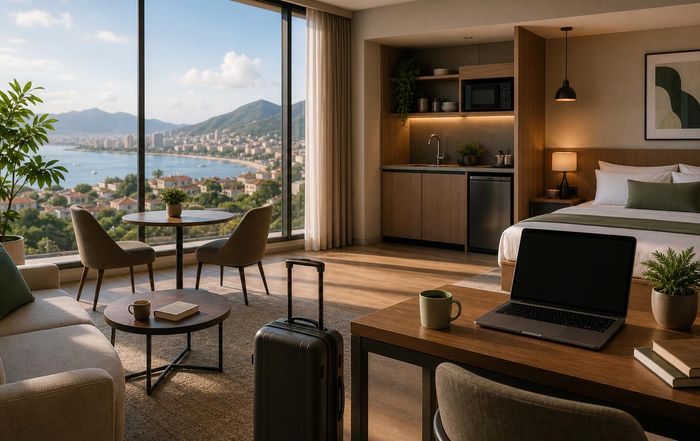
Extended-stay hotels, sometimes called "residence hotels" or "long-stay suites," were among the first mainstream solutions designed specifically for guests staying a week or longer. Brands like Residence Inn by Marriott, Staybridge Suites by IHG Hotels & Resorts, and Homewood Suites by Hilton typically offer studio or one-bedroom suites equipped with kitchenettes, workspaces, on-site laundry, and social areas.
For international travelers, the appeal of these properties lies in their balance between autonomy and service. Guests can cook their own meals, manage their schedules, and enjoy more living space than a traditional hotel room, while still benefiting from housekeeping, reception support, and loyalty program perks such as points and status recognition. Many of these hotels provide discounted weekly or monthly rates and include utilities and Wi-Fi, which simplifies budgeting for longer stays.
In major hubs such as New York, London, Singapore, and Dubai, extended-stay hotels have become particularly attractive for corporate relocations, training assignments, and project-based work. Business-focused readers of WorldWeTravel can complement this overview with the platform's dedicated advice on business travel planning, which explores how accommodation choices intersect with productivity, networking, and work-life balance.
However, extended-stay hotels are not uniform across regions. In some European cities with historic building constraints, rooms may be smaller and kitchens more compact, while in North America and parts of Asia, properties often feature larger suites and more extensive amenities. When evaluating options, travelers can review independent assessments on platforms such as Tripadvisor or Booking.com and compare multiple reviews to identify consistent patterns related to cleanliness, noise levels, and staff responsiveness.
Aparthotels and Serviced Apartments: Residential Comfort with Hotel Support
Aparthotels and serviced apartments occupy a middle ground between hotels and private rentals, offering self-contained apartments within a professionally managed building. Companies such as Adagio Aparthotels (a joint venture between Accor and Pierre & Vacances), Citadines Apart'hotel under The Ascott Limited, and regional brands like Quest Apartment Hotels in Australia and New Zealand have expanded significantly, reflecting demand for extended stays by both leisure and corporate travelers.
These properties typically provide full kitchens, separate living and sleeping areas, and on-site facilities like gyms, coworking lounges, and sometimes children's playrooms. They are particularly attractive to families, who benefit from the ability to maintain routines, prepare meals that suit dietary needs, and create a sense of stability for children over several weeks or months. For families planning multi-destination itineraries, WorldWeTravel's dedicated family travel guidance offers insights into managing schooling, health, and safety considerations across borders.
In cities such as London, Paris, Berlin, Singapore, and Tokyo, serviced apartments have also become popular among expatriates and long-term consultants. Many operators offer tiered services, allowing guests to choose between frequent housekeeping and more independent arrangements, which can affect both privacy and cost. Travelers can review regulatory and consumer information on housing and rentals through sites such as GOV.UK for the United Kingdom or Government of Canada travel and housing resources for Canadian contexts, especially when stays approach several months and intersect with local tenancy laws.
One of the advantages of aparthotels over informal rentals is the clarity of legal status and safety standards. Established brands are generally subject to commercial fire, health, and accessibility regulations, and they often provide 24-hour reception and maintenance, which can be particularly reassuring for solo travelers and parents. At the same time, nightly rates may be higher than those of private rentals, especially in prime central districts, so guests must weigh the value of professional support and predictable quality against budget constraints.
Lifestyle and Boutique Hotels with Long-Stay Programs
As travel preferences have diversified, lifestyle and boutique hotels have increasingly introduced long-stay packages aimed at remote workers, creatives, and culturally curious travelers. Brands such as Selina, citizenM, and certain properties within Accor's Mama Shelter or Hyatt's JdV by Hyatt portfolios have experimented with extended-stay discounts, coworking memberships, and community-building events.
These hotels often emphasize design, local partnerships, and social spaces, offering communal lounges, rooftop bars, and cultural programming that help long-stay guests integrate into the local scene. For travelers seeking to maintain professional productivity while also connecting with local communities, this model can be particularly appealing. Resources like Lonely Planet and Culture Trip can help identify neighborhoods and cultural experiences that align with the immersive ethos of such properties.
Many lifestyle hotels now offer "work from hotel" packages that include day-use of rooms as offices, access to meeting rooms, and high-speed internet, sometimes bundled with food and beverage credits. For extended-stay guests, these offerings can be negotiated into monthly arrangements, particularly during off-peak seasons. Readers interested in how technology supports such flexible working environments can explore WorldWeTravel's coverage of travel and technology, which examines connectivity, digital tools, and cybersecurity considerations for travelers.
The primary limitation of lifestyle hotels for long stays is that not all properties provide full kitchens or extensive storage, which can make multi-week living less convenient. Nevertheless, for travelers who prioritize atmosphere, social interaction, and design, and who do not mind relying on local restaurants and cafés, these hotels can make extended international stays feel vibrant and inspiring rather than purely functional.
Wellness, Retreat, and Health-Focused Stays
A growing number of travelers are designing longer international stays around wellness, medical care, or holistic retreats. From thermal spa towns in Germany and Switzerland to wellness resorts in Thailand, Bali, and Costa Rica, hotels are increasingly offering multi-week programs that combine accommodation with nutrition guidance, fitness, mental health support, and medical monitoring.
Reputable wellness resorts often collaborate with medical professionals, nutritionists, and therapists, and many are located in regions known for their natural beauty and healing traditions. Travelers can research evidence-based perspectives on wellness practices via organizations such as the World Health Organization and review clinical guidance on specific treatments through sources like the Mayo Clinic. It is important to distinguish between scientifically supported therapies and unverified claims, especially when programs involve significant dietary changes or medical procedures.
For well travelled folks here who are considering health-centered long stays, the platform's health-focused travel content and retreat recommendations provide frameworks for evaluating destinations and programs. Key factors include the credentials of on-site professionals, clarity of pricing, safety protocols, and the availability of follow-up care once guests return home.
Wellness-oriented hotels can be particularly suitable for travelers seeking to use an extended stay to reset lifestyle habits, recover from burnout, or manage chronic conditions in a supportive environment. However, they may be less practical for guests who need daily access to urban business centers or who are traveling with young children, unless the property offers family-friendly facilities and flexible programming.
Eco-Conscious Long Stays and Sustainable Accommodation
Sustainability has moved from a niche concern to a central criterion for many travelers planning long international stays. Extended visits amplify a traveler's environmental footprint, but they also create opportunities to reduce impact by minimizing frequent flights, supporting local economies, and choosing accommodations that prioritize energy efficiency, waste reduction, and responsible sourcing.
Many hotel groups now participate in sustainability initiatives and certifications, such as Green Key, EarthCheck, or the Global Sustainable Tourism Council (GSTC)'s recognized standards, which provide frameworks for evaluating environmental and social practices. Travelers can explore these frameworks through the GSTC's official site and learn more about sustainable business practices via resources like the UN Environment Programme.
Eco-lodges, sustainably designed aparthotels, and urban hotels with strong environmental commitments can be excellent bases for long stays, particularly when they integrate features such as renewable energy, efficient water management, and partnerships with local producers. For example, some Scandinavian and Dutch properties emphasize circular design and low-carbon operations, aligning with broader national sustainability policies that can be explored through organizations such as the Nordic Council or the European Environment Agency.
For fans of WorldWeTravel, the dedicated eco-travel section provides practical guidance on minimizing environmental impact while still enjoying comfort and cultural richness. Long-stay guests can further reduce their footprint by choosing accommodations within walking or cycling distance of daily needs, using public transportation, and supporting local businesses committed to fair labor and sustainable sourcing.
Family-Oriented Hotels and Multi-Generational Stays
Families planning extended international stays face unique challenges, including schooling or childcare, dietary needs, safety, and space requirements. Hotels that cater specifically to families, particularly in destinations such as the United States, United Kingdom, Germany, Canada, Australia, and parts of Asia, increasingly offer interconnected rooms or family suites, kids' clubs, educational activities, and childproofed environments.
Longer stays can be particularly rewarding for families seeking to immerse children in new languages and cultures, but they also require careful planning. Resources such as UNICEF and the Centers for Disease Control and Prevention (CDC) travel health pages provide guidance on child health, vaccinations, and safety considerations abroad. Within major cities, family-friendly aparthotels and serviced apartments often provide the best combination of space, kitchen facilities, and proximity to parks, schools, and cultural institutions.
WorldWeTravel's family travel hub and broader travel tips section can help parents think through logistics such as packing for long stays, managing jet lag, and balancing structured activities with downtime. Hotels that offer flexible housekeeping schedules, laundry facilities, and quiet hours are especially valuable when young children need consistent sleep routines.
Multi-generational travel, where grandparents, parents, and children share an extended stay, has also grown in popularity. In these cases, accommodations that offer multiple bedrooms, accessible bathrooms, and social spaces become essential. Resorts and long-stay hotels in Mediterranean countries, Southeast Asia, and North America have responded by designing villas or large suites that accommodate diverse age groups while still providing privacy.
Business, Remote Work, and the Blurring of Travel and Work
The expansion of remote and hybrid work has reshaped expectations for long international stays. Business travelers and remote professionals increasingly seek accommodations that function as both office and home, with reliable high-speed internet, ergonomic workspaces, quiet environments, and access to meeting facilities. In response, many hotels have upgraded their connectivity infrastructure and introduced dedicated coworking areas.
Organizations such as the International Labour Organization (ILO) and OECD have analyzed the broader economic and social implications of remote work, including its influence on urban development and international mobility. For individual travelers, the practical question is how to choose a hotel that supports sustained productivity without sacrificing well-being.
Extended-stay hotels, serviced apartments, and lifestyle properties with coworking spaces are often the best suited for this new reality. Many now advertise internet speed and redundancy (such as backup lines) and offer business services like printing, mail handling, and private rooms for video calls. Individuals can explore work and travel insights and business travel content for deeper analysis of how to structure productive routines, manage time zones, and maintain professional networks while abroad.
As remote work becomes more normalized, some countries have introduced specific visas for remote workers and digital nomads, which typically require proof of income, health insurance, and sometimes background checks. Official immigration and consular websites, such as Australia's Department of Home Affairs or Singapore's Ministry of Manpower, provide authoritative information on eligibility and application processes. Travelers should rely on such primary sources, rather than third-party summaries alone, to avoid misinformation.
Regional Considerations: North America, Europe, Asia-Pacific, and Beyond
The optimal type of hotel for a long international stay often varies by region due to differences in housing markets, labor costs, cultural norms, and regulatory environments. In North America, extended-stay brands are widely available in both city centers and suburbs, and they often provide generous room sizes and parking, which suits travelers who rely on cars. In Europe, aparthotels and serviced apartments are common in major cities, but space constraints and heritage building protections can lead to more compact layouts; however, these properties frequently excel in walkability and access to public transport, cultural sites, and local markets.
In Asia-Pacific, long-stay options span a wide spectrum, from high-rise serviced residences in Singapore, Hong Kong, and Tokyo to resort-style long-stay hotels in Thailand, Indonesia, and Malaysia. Many Asian cities have a strong tradition of serviced apartments aimed at expatriates and corporate clients, which can be ideal for professionals and families staying several months. Travelers can consult national tourism boards such as Tourism Australia, Japan National Tourism Organization, or Tourism Authority of Thailand for destination-specific information on accommodation zones and transportation.
In Africa and South America, long-stay hotels are expanding in major business hubs like Johannesburg, Cape Town, São Paulo, and Santiago, often linked to growing sectors such as technology, finance, and renewable energy. As infrastructure develops, travelers may find a mix of international hotel brands and locally owned serviced apartments, each with distinct strengths. For a global perspective on how these trends intersect with economic development, readers may wish to explore the global travel analysis and economy-focused content, which connect travel patterns with broader macroeconomic shifts.
Practical Tips for Choosing the Right Hotel Type for a Long Stay
Selecting the best hotel for a longer international stay requires aligning personal priorities with the strengths of each accommodation type. Travelers should consider factors such as desired level of independence, need for kitchen facilities, budget, proximity to work or study locations, and access to healthcare and schools for families. They can cross-check property information with multiple independent review platforms, verify safety and hygiene standards, and confirm cancellation and modification policies, which remain important given the ongoing evolution of global travel conditions.
Trusted resources such as Skyscanner's hotel comparison tools, Expedia, and Hotels.com can assist with price comparisons and availability checks, while national consumer protection agencies and tourism boards can provide guidance on local regulations and complaint mechanisms. Within WorldWeTravel, the hotels-focused section and general travel advice pages offer curated perspectives that connect these practical considerations with destination-specific insights.
It is also wise for travelers to contact properties directly when planning multi-week stays, as many hotels and aparthotels are willing to negotiate customized rates or include additional services such as airport transfers, storage, or flexible housekeeping. For those who plan to blend work, leisure, and family responsibilities, discussing needs in advance can ensure that the chosen accommodation can truly function as a temporary home.
How WorldWeTravel Helps Travelers Navigate Long-Stay Choices!
As travelers continue to redefine what it means to live and work internationally, WorldWeTravel aims to be more than a directory of destinations; it serves as a companion for those designing complex, multi-layered journeys that may last weeks or months. By integrating destination guides, hotel insights, family and health resources, and coverage of technology and global trends, the platform supports readers in making informed, trustworthy decisions about where and how to stay abroad.
Visitors can explore WorldWeTravel's main site for inspiration, then dive into specialized sections on destinations, travel logistics, family needs, hotels and accommodation, and eco-conscious choices. By combining this curated guidance with independent research from reputable organizations and official government sources, travelers can choose the hotel types that best match their aspirations, whether they are embarking on a three-week work project in Berlin, a three-month family immersion in Tokyo, or a six-week wellness retreat in the mountains of Costa Rica.
In an era where borders feel both more accessible and more complex, the right long-stay accommodation can transform an international trip from a transient experience into a meaningful chapter of life. Extended-stay hotels, aparthotels, lifestyle properties, wellness resorts, and eco-conscious lodgings each offer distinct pathways to comfort, connection, and growth. With thoughtful planning, careful verification of information, and support from platforms like WorldWeTravel, travelers can turn longer international stays into opportunities for learning, resilience, and lasting positive memories.
That’s all from us for now. Share the knowledge, save the page, and return soon for more thoughtful stories from our editorial team.