

Best European Retreat Settings for Peace and Reconnection
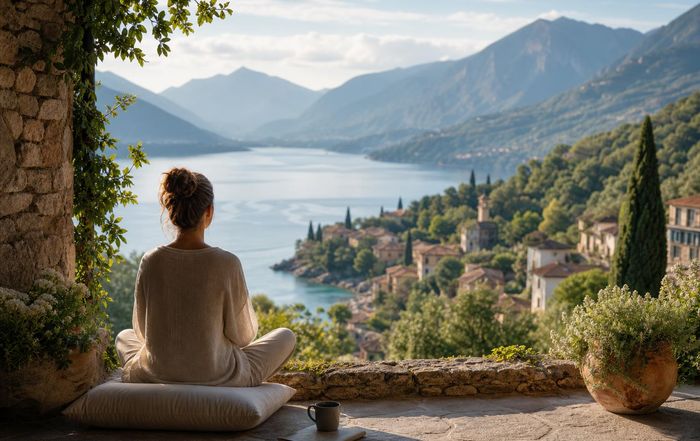
Across Europe, a quiet transformation is reshaping how people travel, rest and reconnect with themselves and others. Instead of rushing through cities and ticking off landmarks, more travelers are seeking places where silence is a luxury, nature is the main attraction, and time slows down enough for genuine reflection. For the team here whose readers value meaningful journeys over mere movement, Europe's retreat settings offer an inspiring blueprint for how travel can restore balance, deepen relationships and renew a sense of purpose.
The Rise of the European Retreat Journey
Retreat travel has moved from the margins to the mainstream, driven by growing awareness of mental health, digital overload and environmental concerns. Research compiled by organizations such as the World Health Organization shows rising rates of stress and anxiety in many countries, while surveys by groups like the Global Wellness Institute highlight increasing interest in wellness tourism and restorative experiences. In this climate, European destinations are drawing on centuries of spa culture, monastic traditions and landscape conservation to create retreat settings that feel both deeply rooted and distinctly contemporary.
From the Nordic forests to Mediterranean islands, European retreats today blend mindfulness, slow living and responsible travel in ways that align closely with the values that we promote. Travelers are not only seeking beautiful locations; they are choosing places where they can practice yoga at sunrise, walk ancient pilgrimage routes, share long meals made from local produce and return home with sustainable habits that last. Individuals exploring new possibilities on WorldWeTravel's travel inspiration hub increasingly look for experiences that nurture both personal wellbeing and the places they visit.
Nordic Calm: Scandinavia's Forests, Fjords and Quiet Coasts
Northern Europe has become synonymous with calm, clarity and a deep, respectful relationship with nature. Concepts such as the Swedish "friluftsliv," the Norwegian "kos," and the Finnish emphasis on sauna culture have shaped a regional approach to wellbeing that is now attracting global attention. According to Visit Finland, nature-based tourism and sauna experiences remain central to the country's appeal, and this emphasis is reflected in numerous small-scale retreats designed for contemplation and reconnection.
In Finland, lakeside cabins and eco-lodges invite visitors to unplug from digital life, with activities such as forest bathing, cold-water immersion and sauna rituals that build on traditional practices. Travelers can explore these experiences while planning broader Nordic itineraries through WorldWeTravel's destinations guide. Research highlighted by Visit Finland and academic institutions in the region indicates that spending time in forests can lower stress markers and improve mood, reinforcing the value of retreats that prioritize time outdoors over packed schedules.
Norway offers a different but equally powerful sense of retreat through its fjords and coastal landscapes. Small wellness hotels and cabins along the western fjords emphasize simplicity, local food and long hikes, often working with environmental guidelines promoted by Innovation Norway and the Norwegian Environment Agency to minimize ecological impact. In Sweden, archipelago islands and countryside estates host yoga weeks, silent retreats and creative workshops that draw on the country's design traditions and love of light-filled spaces, with Visit Sweden promoting sustainable travel options that complement these experiences.
Across Scandinavia, the retreat experience often extends to families, with child-friendly wellness stays and nature camps that encourage shared discovery rather than separate "adults only" escapes. For readers planning multi-generational journeys, WorldWeTravel's family travel section offers ideas for integrating Nordic calm into holidays that work for both children and adults, emphasizing outdoor play, simple comforts and screen-free evenings.
Alpine Sanctuaries: Mountain Retreats in Switzerland, Austria and Italy
The European Alps have long been associated with health and recovery, from 19th-century sanatoriums to modern spa resorts. Today, that heritage is being reimagined through retreat settings that combine mountain air, thermal waters and carefully designed wellness programs. In Switzerland, regions such as Graubünden and Valais host alpine lodges and spa hotels that draw on local spring waters and traditional herbal knowledge, often following sustainability criteria promoted by Switzerland Tourism and environmental organizations such as the Swiss Alpine Club.
Wellness towns in Austria, including those in Tyrol and Salzburg regions, have invested in thermal baths, hiking networks and mindfulness programs that support both physical and mental health. According to Austrian National Tourist Office resources, many resorts now integrate yoga, meditation and nutrition coaching into packages that encourage longer stays and deeper engagement with the surrounding landscape. These retreats often emphasize slow travel, encouraging guests to arrive by train and explore on foot or by bike in line with sustainable tourism guidelines supported by Austrian rail and local authorities.
In northern Italy, the Dolomites and South Tyrol region offer a distinctive blend of alpine and Mediterranean influences. Mountain refuges, design-forward wellness hotels and family-run guesthouses create settings where guests can combine guided hikes with spa rituals and regional cuisine based on seasonal ingredients. Organizations such as Dolomiti UNESCO and local tourism boards promote responsible use of trails and conservation of fragile mountain ecosystems, aligning well with the principles highlighted in WorldWeTravel's eco-conscious travel insights.
For travelers who view wellbeing as a holistic combination of movement, rest and nourishment, these alpine sanctuaries provide structured yet flexible programs. Guests might begin the day with a guided mountain walk, spend afternoons in thermal pools or saunas, and end with shared dinners that celebrate local food traditions, creating an environment where reconnection with self and others feels both natural and supported.
Mediterranean Serenity: Islands, Coastlines and Slow Living
The Mediterranean has always drawn travelers with its light, sea and food, yet in recent years many locations have consciously shifted toward retreat-oriented experiences that move beyond conventional beach tourism. On islands such as Mallorca, Ibiza, Crete and the smaller Greek isles, wellness centers, yoga farms and holistic retreats have emerged alongside traditional villages and historic sites, often repurposing old fincas, monasteries or farmhouses into tranquil havens.
In Spain, organizations like Spain.info and regional tourism offices highlight emerging trends in wellness travel, from yoga retreats in Andalusia to mindfulness programs in Catalonia's countryside. The Balearic Islands, once known primarily for nightlife, now host a growing number of retreats focused on meditation, digital detox and plant-based cuisine, with many adopting sustainable practices encouraged by local government initiatives and environmental groups such as SEO/BirdLife. Travelers can explore these evolving destinations while planning broader Iberian journeys through WorldWeTravel's Europe-focused destination pages.
Greece, with its network of islands and mountain villages, offers a complementary vision of Mediterranean serenity. According to information shared by Visit Greece, wellness travelers are increasingly drawn to locations where they can combine yoga, hiking and sea-based activities such as paddleboarding with visits to archaeological sites and traditional tavernas. Many retreats emphasize the Mediterranean diet, which organizations like the Harvard T.H. Chan School of Public Health describe as beneficial for heart health and longevity, integrating cooking classes and shared meals into their programs.
Italy's coastal regions, from Liguria and the Amalfi Coast to Puglia and Sicily, have also embraced the retreat model, often within renovated masserias, monasteries or agriturismo properties. These settings allow guests to experience slow living practices that prioritize seasonal food, community and time in nature, aligning closely with the values promoted in WorldWeTravel's culture and lifestyle features. By integrating local artisans, farmers and guides into their offerings, many Mediterranean retreats support regional economies while giving visitors a deeper sense of place.
Celtic Quiet: Ireland, Scotland and the Power of Wild Landscapes
For travelers seeking a different kind of peace, the Atlantic edges of Europe offer windswept coasts, moors and islands where silence is punctuated only by waves and birdsong. In Ireland, retreat centers along the Wild Atlantic Way and in counties such as Kerry, Clare and Donegal host mindfulness weekends, creative writing workshops and contemplative walking retreats. Fáilte Ireland and Tourism Ireland highlight the draw of these landscapes, which combine dramatic scenery with a strong cultural tradition of storytelling and hospitality.
Scotland's Highlands and islands extend this sense of wild quiet, with small lodges, eco-cabins and converted crofts offering spaces for solitude and reflection. Organizations like VisitScotland promote nature-based tourism and encourage visitors to follow guidance from conservation charities such as the John Muir Trust to protect fragile habitats. Retreats in these regions often integrate local history and Gaelic culture, inviting guests to learn about traditional music, crafts and folklore as part of their stay, which can be especially meaningful for travelers exploring their heritage.
For those traveling with family members or close friends, the Celtic regions lend themselves to shared experiences that blend adventure with tranquility. Long coastal walks, evenings by the fire and unhurried conversations can be more impactful than tightly scheduled activities. Readers planning such journeys can find practical support on WorldWeTravel's tips page, where guidance on packing, weather and responsible outdoor behavior helps ensure that time in these wild landscapes remains both safe and respectful.
Central European Spa Culture: Tradition Renewed
Central Europe has one of the world's richest spa traditions, with towns built around thermal springs, mineral waters and balneotherapy practices that date back centuries. In countries such as Germany, the Czech Republic, Hungary and Slovakia, many of these historic spa towns have renewed their appeal by integrating modern wellness science, medical expertise and sustainable tourism practices.
German spa towns known as "Kurorte," including Baden-Baden, Bad Kissingen and Bad Reichenhall, follow regulatory frameworks overseen by authorities such as the German Spa Association, which sets standards for therapeutic treatments and environmental quality. These towns often combine medical consultations with wellness programs, offering a bridge between traditional healthcare and holistic retreat experiences. Travelers interested in the health aspects of spa culture can explore evidence-based information through resources such as the Mayo Clinic or Cleveland Clinic, which provide balanced perspectives on hydrotherapy and related treatments.
The Czech Republic's spa triangle of Karlovy Vary, Mariánské Lázně and Františkovy Lázně continues to attract visitors seeking mineral water therapies, while also offering modern wellness facilities and cultural programs. According to CzechTourism, these towns have invested in heritage preservation and environmental management to maintain the quality of their springs and historic architecture. Hungary's capital, Budapest, known as the "City of Spas," complements this tradition with iconic bathhouses that now host both local communities and international wellness travelers.
For readers of WorldWeTravel who are curious about combining retreat experiences with cultural exploration, Central European spa towns provide an ideal setting. Visitors can spend mornings in thermal pools or on guided wellness walks, afternoons exploring museums and historic sites, and evenings enjoying local music or cuisine. This blending of health, history and community life reflects an integrated approach to wellbeing that goes beyond short-term relaxation.
Mindful Cities: Urban Retreats and Pocket Sanctuaries
While many retreat settings are rural or coastal, several European cities are developing their own approaches to peace and reconnection. Urban residents and visitors alike are turning to inner-city sanctuaries such as botanical gardens, riverside paths, rooftop gardens and dedicated mindfulness centers. Cities including Berlin, Amsterdam, Copenhagen and Paris have seen growth in yoga studios, meditation spaces and wellness hotels that emphasize quiet design, healthy food and access to green spaces.
In Germany, Visit Berlin highlights the city's parks, lakes and wellness offerings, which range from traditional saunas to contemporary mindfulness centers. Amsterdam's extensive network of canals and bike paths, promoted by Iamsterdam and urban planning experts, allows visitors to experience the city at a slower pace, while numerous small-scale retreats and co-working wellness spaces respond to the needs of digital nomads and remote workers. Readers considering extended stays or work-travel arrangements can find relevant insights in WorldWeTravel's work and business travel sections, which explore how to maintain wellbeing while balancing professional responsibilities.
Copenhagen and other Scandinavian capitals integrate wellness into everyday urban life through cycling infrastructure, waterfront saunas and public swimming areas, supported by city planning principles discussed by organizations such as the Danish Architecture Center. Paris, long associated with art and gastronomy, is increasingly recognized for its expanding green spaces and wellness-oriented hotels, with information available through Paris je t'aime and independent wellness publications. In these cities, retreat does not necessarily mean isolation; instead, it involves intentional pauses, mindful movement and curated experiences that counterbalance urban intensity.
Eco-Retreats and Regenerative Travel: Caring for Places While They Care for You
Across Europe, a growing number of retreat settings are embracing not only sustainability but regenerative principles, aiming to leave destinations better than they were found. This shift aligns with guidance from organizations such as the UN World Tourism Organization (UNWTO) and research shared by the World Resources Institute, which emphasize the importance of reducing emissions, protecting biodiversity and supporting local communities.
Eco-retreats in countries like Portugal, Slovenia and Croatia frequently use renewable energy, natural building materials and organic gardens, while encouraging guests to participate in conservation activities such as tree planting, beach cleanups or citizen science projects. In Portugal, for example, rural retreats in the Alentejo and along the Atlantic coast often collaborate with local farmers and conservation groups, as highlighted by Visit Portugal and environmental organizations working on rewilding and forest management.
Slovenia, recognized by Green Destinations and other sustainability rating bodies, has positioned itself as a leader in green tourism, with eco-lodges and wellness farms that integrate hiking, cycling and traditional crafts into their retreat offerings. Croatia's islands and coastal regions, promoted by Croatia Full of Life, are home to yoga and mindfulness centers that support marine conservation and local artisans, creating a circular relationship between travelers and host communities. These developments resonate strongly with the themes explored in the global and eco-focused coverage, where the emphasis is on travel that uplifts both visitors and destinations.
For many travelers, choosing an eco-retreat is as much about values as it is about comfort. Transparent communication about energy use, waste management, employment practices and community partnerships helps build trust, while certifications from bodies such as Green Key or EU Ecolabel provide additional reassurance. By selecting retreats that prioritize regeneration, guests contribute to a positive cycle in which peaceful environments are preserved and strengthened for future visitors and local residents alike.
Family and Multigenerational Retreats: Reconnecting Across Generations
Retreats are often imagined as solitary or couples' experiences, yet an increasing number of families are choosing them as a way to reconnect across generations. In Europe, family-friendly retreat settings range from farm stays in France and Italy to nature lodges in Norway and wellness resorts in Spain and Portugal. These places are designed so that children, parents and grandparents can share meaningful activities rather than scattering in different directions.
Farm-based retreats, particularly in regions such as Tuscany, Provence and the Basque Country, offer hands-on experiences such as gardening, cooking, animal care and simple crafts, drawing on resources and recommendations from tourism boards like Atout France and ENIT - Italian National Tourist Board. Nature lodges in Scandinavia and the Alps often provide guided hikes, wildlife observation and outdoor skills workshops that appeal to both younger and older travelers. Wellness resorts in southern Europe, meanwhile, increasingly incorporate family yoga, kids' mindfulness sessions and creative programs into their schedules.
For readers here who are considering a family retreat, the site's dedicated family travel resources can serve as a starting point for planning. These retreats allow families to step away from busy routines and digital distractions, replacing them with shared meals, outdoor adventures and unstructured time that fosters genuine conversation. By choosing environments that encourage presence rather than performance, families can build memories that endure long after the trip ends.
Practical Considerations: Choosing the Right European Retreat
Selecting a retreat setting in Europe involves more than comparing scenic photographs. Travelers benefit from considering personal goals, health needs, timeframes and logistical realities. Health-focused retreats may involve medical consultations or structured programs; in such cases, checking credentials and treatment evidence through reputable health sources such as the National Health Service (NHS) in the United Kingdom or the European Medicines Agency can be helpful. Those seeking spiritual or mindfulness retreats may wish to explore organizations like Plum Village in France or directories curated by respected meditation and yoga associations, ensuring that teachings and practices align with personal values.
Accommodation style is another key factor. Some travelers prefer full-service hotels that combine wellness facilities with concierge support, which can be researched via WorldWeTravel's hotels and accommodation insights alongside independent review platforms. Others may gravitate toward simple cabins, eco-lodges or monastic guesthouses, where the emphasis is on quiet and self-reflection rather than amenities. Transportation choices, including train travel promoted by networks such as Eurail and national rail operators, can significantly reduce the environmental footprint of a retreat journey while also contributing to a more relaxed pace.
Finally, travelers are increasingly attentive to how retreats support local communities. Checking whether staff are hired locally, food is sourced from nearby producers, and cultural experiences are led by residents can help ensure that retreat spending has a positive impact. Organizations such as Tourism Cares and the Global Sustainable Tourism Council provide frameworks and examples that travelers can use when evaluating options. In this way, the act of choosing a retreat becomes part of a broader commitment to ethical, responsible travel.
A New Chapter for European Travel and Personal Renewal
As the world navigates ongoing social, environmental and technological change, retreat settings across Europe offer a powerful reminder that travel can be a force for healing rather than exhaustion. Mountains, forests, islands, spa towns and mindful cities are inviting visitors to slow down, listen deeply and reconnect with what matters most, whether that is personal wellbeing, family relationships, creative expression or spiritual growth. The year 2026 finds European retreat culture more diverse and more thoughtful than ever, shaped by both ancient traditions and contemporary insights into health and sustainability.
For our little but growing community, these daily changes represent an inspiring evolution in how journeys are imagined and experienced. By choosing retreats that honor local cultures, protect natural environments and cultivate inner peace, travelers participate in a positive story that extends far beyond individual vacations. As new generations discover the value of stillness and presence, Europe's retreat settings stand ready as welcoming classrooms, sanctuaries and meeting places, where the simple act of being away becomes an opportunity to return home to oneself with greater clarity, gratitude and hope.