

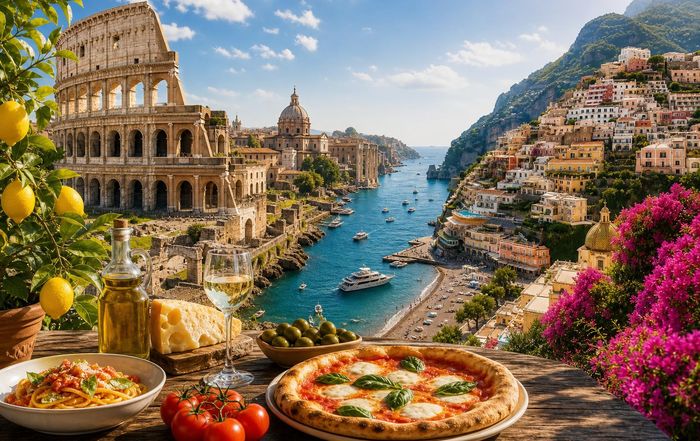
Italy Travel Guide to History, Food and Coastal Views
Italy continues to captivate travelers with an almost unmatched combination of historical depth, culinary excellence and coastal beauty, and in an era of renewed global mobility its appeal has only grown stronger. For most people visiting us, Italy represents not only a classic European escape but also a living classroom in art, architecture, gastronomy and sustainable tourism. From the Roman ruins that shaped Western civilization to the quiet fishing villages clinging to limestone cliffs, the country offers an experience that is at once timeless and constantly evolving.
This guide brings together up-to-date insights from Italian tourism authorities, heritage organizations and culinary institutions to help travelers plan meaningful journeys rooted in respect, curiosity and a sense of wonder. It focuses on how history, food and coastal landscapes intersect in Italy's most compelling destinations, while also emphasizing practical considerations such as seasonality, family travel, accommodation trends and responsible tourism practices that align with our values.
The Living History of Italy's Cities
Italy's major cities function as open-air museums, yet they are also dynamic urban centers where contemporary life unfolds among millennia-old monuments. According to ENIT - Agenzia Nazionale del Turismo and the Italian Ministry of Culture, visitor numbers to key heritage sites such as the Colosseum, the Uffizi and Pompeii have rebounded robustly in recent years, prompting renewed attention to preservation and visitor management.
In Rome, the layering of history is particularly evident. The Colosseum, Roman Forum and Palatine Hill, overseen by the Parco Archeologico del Colosseo, continue to be carefully conserved, with new areas periodically opened to the public as restoration advances. Travelers can consult the official Parco Archeologico del Colosseo site for current access information and exhibitions, which often highlight recent archaeological discoveries that refine understanding of imperial Rome. Nearby, the Vatican Museums and St. Peter's Basilica, under the auspices of the Holy See, hold some of the world's most significant religious and artistic treasures; up-to-date details on hours and special openings are available through the official Vatican Museums portal.
Florence offers a different historical lens, one defined by the Renaissance and the rise of banking families such as the Medici. Institutions like the Galleria degli Uffizi and Galleria dell'Accademia are central to any exploration of Western art history, and travelers can review current exhibitions and timed-entry policies via the official Uffizi Galleries website. The city's compact historic center, recognized by UNESCO as a World Heritage Site, makes it well-suited to travelers who prefer walking itineraries and slower-paced cultural immersion, something that aligns with the more reflective style of travel often highlighted on WorldWeTravel's culture coverage.
Venice presents a more delicate historical ecosystem, where preservation and overtourism are in constant tension. The city's status as a UNESCO World Heritage Site has led to global attention on rising sea levels, cruise ship restrictions and crowd management. The Comune di Venezia and national authorities have implemented measures such as limitations on large cruise vessels and, more recently, experimental access fees on peak days for day-trippers, which travelers can monitor through the official City of Venice information channels. These policies reflect a broader Italian and European conversation about balancing cultural access with the protection of fragile urban environments, a theme that resonates with the sustainable travel perspectives discussed in worldwetravel's eco travel section.
For those planning multi-city itineraries, WorldWeTravel's overview of global destinations can complement official Italian and European resources such as the European Travel Commission and UNESCO World Heritage Centre, which provide objective context on heritage conservation, seasonal considerations and responsible visitor behavior.
Coastal Italy: From the Cinque Terre to the Amalfi Coast and Beyond
Italy's coastline stretches for thousands of kilometers, and while iconic areas like the Amalfi Coast and Cinque Terre remain deservedly popular, there is increasing interest in lesser-known coastal destinations that offer similar beauty with fewer crowds. Data from ISTAT, Italy's national statistics institute, and regional tourism boards indicate that travelers are gradually diversifying beyond a handful of hotspots, a trend that supports more balanced local economies and reduces pressure on sensitive environments.
The Cinque Terre, a cluster of five villages along the Ligurian coast, is managed within the Parco Nazionale delle Cinque Terre, a national park and UNESCO-listed cultural landscape. Authorities have implemented trail maintenance programs and visitor guidance to protect terraced vineyards, historic footpaths and marine ecosystems. Travelers can consult the official Cinque Terre National Park site for trail conditions, train passes and sustainability initiatives, and are encouraged to consider shoulder-season visits to reduce crowding and heat-related risks on the often steep hiking routes. This approach aligns with the practical seasonal insights available in WorldWeTravel's general travel guidance, which frequently highlights the benefits of spring and autumn travel in the Mediterranean.
Further south, the Amalfi Coast, anchored by towns such as Positano, Amalfi and Ravello, remains one of Italy's most photographed stretches of shoreline. The Costiera Amalfitana is also recognized by UNESCO for its cultural landscape, and local authorities have experimented with traffic regulations and bus reservation systems to manage summer congestion along the narrow coastal road. Travelers can review transportation updates through regional portals such as the Campania Region tourism site and cross-check ferry schedules with operators listed on Italy's official tourism portal. For those seeking a quieter experience, nearby Sorrento and the island of Ischia, as well as less-publicized areas of Cilento to the south, offer coastal charm with a more relaxed atmosphere.
Puglia, in the country's heel, has emerged as a prominent coastal destination, with whitewashed towns like Polignano a Mare and Monopoli overlooking the Adriatic and Ionian seas. The region's tourism authorities, accessible through Puglia Promozione, emphasize slower travel, agritourism stays and cycling routes along the coast, reflecting a broader Italian and European push toward low-impact tourism. For readers of worldwetravel, Puglia exemplifies the kind of destination where cultural authenticity, culinary traditions and scenic beauty intersect in a way that particularly rewards longer stays and off-peak visits.
Sicily and Sardinia, Italy's two largest islands, round out the coastal picture with distinct identities. Sicily's mix of Greek temples, Norman cathedrals and volcanic landscapes, including Mount Etna, is documented by organizations such as UNESCO and Italy's Ministry of Culture, while Sardinia's coastline is renowned for its clear waters and protected marine areas like the La Maddalena Archipelago National Park. Travelers can research marine conservation efforts and responsible snorkeling or diving guidelines through sources such as the International Union for Conservation of Nature and local park authorities, ensuring that coastal enjoyment goes hand in hand with environmental stewardship.
A Culinary Journey: From Regional Traditions to Global Influence
Italian cuisine is not a monolith but a mosaic of regional traditions shaped by history, geography and local agriculture. Organizations such as Slow Food, founded in Italy, and culinary institutes like ALMA - The International School of Italian Cuisine emphasize the importance of understanding these regional distinctions, which are closely tied to protected designation systems overseen by the European Union.
Northern Italy is characterized by rice dishes, butter-based sauces and Alpine influences. In Lombardy and Piedmont, risotto, polenta and rich meat dishes reflect a cooler climate and historical ties to Central Europe. Institutions such as Slow Food International document traditional products and producers, while the Consorzio del Formaggio Parmigiano Reggiano and similar consortia safeguard iconic cheeses and cured meats. Travelers interested in the relationship between food and landscape can complement this knowledge with on-the-ground experiences like farm visits or cooking classes, many of which are vetted by regional tourism boards and agricultural associations.
Central Italy, particularly Tuscany, Lazio and Umbria, is often associated with simple yet deeply flavorful dishes built around olive oil, legumes, grains and grilled meats. The hills of Tuscany, dotted with vineyards and agriturismi, have become emblematic of slow travel and farm-based hospitality. Official portals such as Visit Tuscany and Lazio Tourism provide information on local food festivals, wine routes and protected appellations, while UNESCO's recognition of the Mediterranean diet as intangible cultural heritage underscores the broader health and cultural significance of these culinary traditions.
Southern Italy, including Campania, Calabria, Basilicata and Sicily, is home to many of the dishes that have traveled globally, such as Neapolitan pizza and various forms of pasta with tomato-based sauces. Naples, recognized as the birthplace of pizza, has seen its art of the Neapolitan pizzaiuolo inscribed on UNESCO's list of intangible cultural heritage, a status that highlights the craft and ritual behind a seemingly simple dish. Travelers can learn more about this recognition on the UNESCO Intangible Heritage platform and deepen their understanding by visiting traditional pizzerias that adhere to standards defined by organizations like the Associazione Verace Pizza Napoletana.
For those interested in the intersection of food, health and sustainable lifestyles, resources such as the World Health Organization and reputable nutrition research institutions discuss the Mediterranean diet's benefits, including its emphasis on plant-based ingredients, olive oil and moderate portions. These insights complement wellness-focused content on WorldWeTravel's health pages, where the Italian approach to leisurely meals, seasonal ingredients and social dining often serves as a model for balanced travel experiences that nourish both body and mind.
Family-Friendly Italy: Culture, Play and Shared Discovery
Italy's emphasis on family life and intergenerational connection makes it particularly welcoming to travelers with children. From interactive museums to open piazzas where children can play safely under the watch of locals and visitors alike, the country offers numerous opportunities for shared exploration that do not compromise on cultural depth.
Major cities such as Rome, Florence and Milan have invested in family-oriented attractions and museum programs. Institutions like the Museo dei Bambini di Roma (Explora) provide hands-on educational experiences, while many national museums offer family tickets and kid-friendly audio guides. Travelers can verify current offerings and accessibility features through the official Italian Ministry of Culture portal and individual museum websites, ensuring that activities are tailored to different age groups.
Outdoor experiences also play a significant role in family travel. The Italian Lakes, including Garda, Como and Maggiore, combine gentle hikes, water activities and historic towns, making them particularly suitable for multi-generational trips. Regional sites such as Visit Garda Lake provide comprehensive information on family-friendly accommodations, cycling paths and boat tours. Coastal towns, especially in Liguria, Emilia-Romagna and parts of Tuscany, often feature shallow beaches, well-equipped lidos and pedestrian promenades, which can be reassuring for parents and caregivers seeking safe environments for younger travelers.
For travel fans here, planning a family journey through Italy can be enriched by consulting worldwetravel's family travel insights, which often emphasize pacing, rest days and age-appropriate cultural experiences. Combining these perspectives with authoritative sources such as UNICEF and the World Tourism Organization (UNWTO) can help families incorporate responsible travel practices, respect for local communities and discussions about history and culture into their itineraries, turning vacations into formative learning experiences.
Where to Stay: From Historic Hotels to Agriturismi and Wellness Retreats
Accommodation choices in Italy have expanded significantly, reflecting broader shifts in global travel toward authenticity, sustainability and wellness. Traditional hotels remain central to the hospitality landscape, but there is growing interest in agriturismi, boutique guesthouses and retreats that integrate nature, spa services and local culture.
Italy's hotel sector is regulated and categorized at the regional level, with star ratings providing a general indication of service levels, though travelers are advised to cross-reference these with independent reviews and official tourism portals such as Italia.it. Many historic palazzi and villas have been converted into luxury hotels or charming mid-range properties, often under the umbrella of groups like Relais & Châteaux or national associations of historic residences. These properties allow guests to experience architectural heritage first-hand, sometimes with frescoed ceilings, original stonework or landscaped gardens that reflect centuries of history.
Agriturismi, or farm stays, offer a different kind of immersion, connecting guests with rural life, local food production and landscapes that are often overlooked by hurried itineraries. The concept is supported by national and regional regulations that require these establishments to maintain active agricultural operations. Platforms such as Agriturismo.it provide listings and background information, while regional tourism boards explain how agriturismi contribute to rural economies and landscape preservation. For travelers who follow top eco and retreat-focused content, these stays can offer a restorative balance between exploration and rest.
Wellness retreats and spa hotels have also gained prominence, particularly in regions with thermal springs such as Tuscany, Veneto and Campania. Towns like Montecatini Terme, Abano Terme and Ischia have long histories as spa destinations, and modern facilities now combine traditional hydrotherapy with contemporary wellness programs. Travelers interested in evidence-based wellness practices can consult organizations such as the Global Wellness Institute and reputable medical sources for guidance on the health aspects of thermal treatments, while hotels and retreats section can help frame these stays within a broader approach to mindful, restorative travel.
Practical Tips for Respectful and Enriching Travel
Planning a journey through Italy involves more than selecting destinations; it requires an understanding of local customs, transportation systems, seasonality and sustainability practices. The Italian National Tourist Board (ENIT), accessible via Italia.it, provides official guidance on entry requirements, public transport options and regional tourism resources, which should be cross-checked with travelers' home-country foreign affairs departments for the latest safety and health advisories.
Public transportation in Italy is extensive, with high-speed trains connecting major cities and regional lines reaching smaller towns. The national rail operator Trenitalia and private competitor Italo maintain official websites where travelers can verify timetables, fares and discount programs. For urban mobility, many cities have introduced contactless payment systems on buses and trams, as well as bike-sharing and e-scooter programs regulated by municipal authorities, reflecting broader European trends in sustainable urban transport documented by organizations like the European Commission's mobility initiatives.
Cultural etiquette plays a significant role in ensuring positive interactions. Modest dress is expected in churches, with shoulders and knees covered in many cases, and quiet behavior is appreciated in religious and residential areas. Dining customs, such as lingering over meals and avoiding rushed service, can be unfamiliar to visitors accustomed to faster-paced restaurant experiences, yet they are integral to the Italian way of life and contribute to the sense of ease that many travelers seek. Resources such as Italy Magazine and established guidebook publishers provide nuanced discussions of etiquette, while the travel tips section offers practical advice on aligning expectations with local norms.
Sustainability is an increasingly central theme in Italian tourism policy. National and regional authorities, in collaboration with organizations like Legambiente and the UNWTO, promote initiatives such as waste reduction on beaches, support for local food supply chains and incentives for energy-efficient accommodations. Travelers can contribute by choosing certified eco-friendly lodgings, using public transport when feasible, refilling water bottles at public fountains (where marked as potable) and respecting trail closures or conservation rules in national parks. Learning more about sustainable business practices and destination management through sources such as the Global Sustainable Tourism Council can help visitors make informed choices that support Italy's long-term environmental and cultural resilience.
Italy and the Future of Inspirational Travel
As global travelers look ahead, Italy remains a touchstone for journeys that combine beauty, learning and personal renewal. The country's commitment to preserving its artistic and architectural heritage, its evolving approaches to managing visitor flows in sensitive areas and its deep-rooted culinary and family traditions all contribute to a travel experience that feels both anchored in history and responsive to contemporary concerns.
For online visitors here, Italy offers a canvas on which to design trips that are not only memorable but also meaningful. Whether tracing the footsteps of Roman emperors, sharing a seaside meal in a small Ligurian village, introducing children to Renaissance masterpieces or unwinding in a hillside agriturismo, travelers can draw on a rich ecosystem of reliable information, from official tourism boards and cultural institutions to health and sustainability organizations. Complementing these with curated insights from worldwetravel's destination guides, business and work travel perspectives and global travel analysis allows for itineraries that reflect individual values and aspirations.
In a world where travel is increasingly seen not just as leisure but as a pathway to understanding and connection, Italy stands out as a place where history, food and coastal views come together to inspire. Approached with curiosity, respect and a willingness to slow down, it offers experiences that linger long after the return flight, shaping how travelers see culture, community and their own place within a shared global story.