

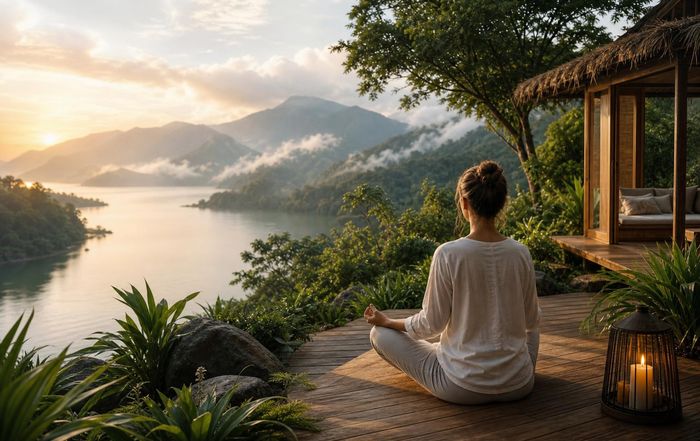
Best Wellness Retreat Destinations for Nature and Quiet
Wellness travel has evolved from a niche pursuit into a central pillar of global tourism, as travelers increasingly seek restorative experiences that combine nature, quiet, and evidence-based approaches to health. For WorldWeTravel, which connects readers to meaningful journeys rather than fleeting escapes, wellness retreats represent a convergence of destinations, culture, and conscious lifestyle choices. Across continents, remote valleys, coastal sanctuaries, forest hideaways, and mountain monasteries are welcoming guests who want to slow down, disconnect from digital overload, and reconnect with their bodies and minds in environments designed for deep rest.
In this landscape, "best" does not simply mean the most luxurious or the most famous. It increasingly refers to places that demonstrate a commitment to environmental stewardship, community engagement, and scientifically informed wellness practices, while offering the space and silence that modern life so often erodes. As wellness tourism continues to grow, organizations such as the Global Wellness Institute report sustained interest in nature-based retreats and mental health-oriented travel, underscoring a long-term shift in how people understand the value of time away from home.
This article explores some of the most respected wellness retreat destinations worldwide for those seeking nature and quiet, highlighting how they integrate local culture, sustainable practices, and holistic health. It also connects these destinations to the broader travel insights and new resources available through WorldWeTravel's destination guides, offering readers practical inspiration for planning restorative journeys.
Why Nature and Quiet Matter in Wellness Travel
Scientific research continues to reinforce what many traditional cultures have understood intuitively: immersion in nature and periods of intentional quiet can significantly improve physical and mental health. Studies compiled by institutions such as Harvard Medical School and Mayo Clinic indicate that time spent in green spaces can lower blood pressure, reduce stress hormones, and improve mood, while practices like meditation and breathwork can support better sleep and emotional regulation. Readers can explore additional context through resources such as Harvard Health Publishing and Mayo Clinic's wellness insights.
In countries like Japan, the concept of "shinrin-yoku," or forest bathing, promoted by organizations such as the Forest Therapy Society and supported by research referenced by Chiba University, illustrates how mindful walking in forests can reduce anxiety and enhance immune function. Learn more about the science behind forest bathing through sources such as National Institutes of Health research summaries and Nature-based health studies.
Quiet, meanwhile, is increasingly recognized as a health resource rather than a luxury. The World Health Organization has highlighted the negative impacts of chronic noise exposure on cardiovascular health and sleep, which helps explain why retreats emphasizing silence, minimal technology, and natural soundscapes are gaining popularity. Travelers interested in the intersection of health and travel can explore more perspectives through WorldWeTravel's health-focused content.
Against this backdrop, the best wellness retreats are those that do more than offer spa treatments; they curate environments where guests can slow their nervous systems, deepen self-awareness, and reconnect with the rhythms of the natural world.
Mountain Sanctuaries: Elevation, Clarity, and Calm
High-altitude environments have long been associated with contemplation and renewal. From the European Alps to the Himalayas and the Rockies, mountain retreats pair crisp air and panoramic views with wellness programs rooted in local traditions and modern integrative medicine.
In the Swiss Alps, wellness resorts and clinics such as those found in the regions of Graubünden and Valais have become renowned for combining alpine scenery with advanced medical and holistic services. Properties in towns like Bad Ragaz and Crans-Montana, many of which collaborate with board-certified physicians and physiotherapists, offer tailored programs for stress management, sleep optimization, and musculoskeletal health, often integrating hydrotherapy, thermal baths, and outdoor activities such as guided hiking and snowshoeing. Travelers can explore Switzerland's broader wellness infrastructure through official resources like Switzerland Tourism's wellness pages and then refine their travel plans using WorldWeTravel's global travel hub.
In the Himalayas, particularly in India and Nepal, mountain retreats combine yoga, meditation, and Ayurveda with dramatic landscapes. Centers in regions such as Rishikesh and Dharamshala, some of which are associated with traditional ashrams and long-established yoga schools, provide structured programs ranging from gentle restorative stays to intensive teacher trainings. Many of these retreats emphasize vegetarian cuisine, daily meditation, and limited digital access to support deeper inner work, reflecting principles that align with WorldWeTravel's focus on retreats and mindful travel. Travelers interested in the cultural roots of these practices can consult references from organizations like Yoga Alliance and educational resources from institutions such as The Ayurvedic Institute, as well as general context on UNESCO's documentation of intangible cultural heritage.
In North America, mountain wellness destinations in the Rockies, such as those in Colorado, Utah, and British Columbia, blend outdoor adventure with spa and mindfulness offerings. Many lodges and resorts in these regions, some affiliated with global hospitality groups like Hyatt, Marriott, and Accor, now feature guided forest walks, sound baths, and nutrition workshops, alongside access to national parks and protected areas. Travelers can learn about conservation and recreation guidelines through agencies like the U.S. National Park Service and Parks Canada, while planning stays that align with WorldWeTravel's curated hotel and lodging insights.
These mountain sanctuaries are particularly appealing to travelers from the United States, Canada, Germany, the United Kingdom, and beyond who are seeking clean air, expansive views, and quiet nights, combined with evidence-informed wellness treatments and opportunities for physical activity.
Coastal Retreats: Healing by the Sea
For many, the ideal healing environment includes the sound of waves, the scent of salt air, and the opportunity to alternate between contemplative stillness and gentle movement along the shoreline. Coastal wellness retreats harness these natural elements, often adding marine-based therapies, thalassotherapy, and mindful water practices.
In Europe, countries such as Spain, Portugal, France, and Greece host established and emerging coastal retreats that blend Mediterranean or Atlantic settings with wellness expertise. Thalassotherapy centers in France and Spain, some of which are endorsed by national tourism boards and medical associations, use seawater, algae, and marine mud treatments to address circulatory issues, stress, and musculoskeletal discomfort. Interested travelers can explore the background of these therapies through organizations like the International Thalassotherapy Association and consumer health resources such as Cleveland Clinic's wellness articles.
In Portugal's Algarve and along Spain's Costa Brava and Balearic Islands, many retreats now emphasize integrative wellness, combining yoga, Pilates, and mindfulness with locally sourced cuisine and sustainability initiatives. Several properties partner with local farmers, marine conservation groups, and wellness professionals to create programs aligned with slow travel principles, which resonate strongly with WorldWeTravel's emphasis on thoughtful, destination-aware itineraries. Readers can complement this research with WorldWeTravel's destination overviews, which highlight cultural and environmental context.
Across the Asia-Pacific region, coastal retreats in Thailand, Indonesia, and Australia have become global reference points for wellness tourism. In Thailand, islands such as Koh Samui and Phuket host retreats that integrate traditional Thai massage, Buddhist meditation, and detox programs, often guided by practitioners trained in recognized schools and clinics. Information about traditional Thai therapies can be accessed through institutions like Mahidol University and health authorities including the World Health Organization. In Indonesia's Bali, wellness resorts in Ubud and along the coast combine Balinese healing traditions, spa rituals, and yoga with plant-based cuisine and eco-conscious design. Travelers can cross-check cultural and environmental aspects through sources such as Indonesia's official tourism portal and independent environmental organizations.
In Australia, coastal wellness escapes in New South Wales and Queensland, including retreats near Byron Bay and the Sunshine Coast, blend surf culture, indigenous perspectives, and contemporary holistic health approaches. Many of these retreats emphasize connection to Country, guided by Aboriginal and Torres Strait Islander knowledge holders, in line with information provided by bodies such as the Australian Institute of Aboriginal and Torres Strait Islander Studies. For travelers planning extended stays or multi-destination trips, WorldWeTravel's travel tips and planning resources can help structure journeys that balance activity and rest.
Forest and Countryside Hideaways: Immersion in Green Silence
While mountains and coasts attract global attention, some of the most profound wellness experiences take place in quieter forest and countryside settings, where guests can experience long periods of silence, star-filled skies, and close contact with local ecosystems.
In the Nordic countries, particularly Sweden, Norway, and Finland, forest retreats and cabin stays have gained recognition for their minimalist design and emphasis on quiet. Projects such as Sweden's "The 72 Hour Cabin," which has been referenced in studies on stress reduction, and various off-grid lodges in Norway and Finland illustrate how short stays in nature can significantly lower stress markers. Official tourism portals such as Visit Sweden, Visit Norway, and Visit Finland provide additional information on nature-based wellness offerings, while WorldWeTravel helps readers translate these ideas into tailored travel plans through its eco-focused content.
Japan's forest-based wellness experiences, including certified forest therapy bases in prefectures like Nagano and Shizuoka, are grounded in extensive research on the health benefits of forest bathing. Government and academic sources such as Japan's Ministry of Agriculture, Forestry and Fisheries and universities involved in forest medicine research offer detailed background on how these environments support immune function and mental health. For travelers, many Japanese retreats now pair guided forest walks with onsen bathing, tea ceremonies, and mindfulness practices, creating a holistic immersion in both nature and culture.
In Central Europe, countryside retreats in Germany, Austria, and the Czech Republic build on long traditions of spa and nature cures. Concepts such as "Kur" in Germany, which historically involved physician-supervised stays in spa towns, have evolved into modern wellness programs that may include balneotherapy, climate therapy, and structured rest. Reputable spa towns like Baden-Baden and Bad Gastein often collaborate with medical professionals and comply with regulatory standards, which can be explored through organizations such as the European Spas Association. For readers of WorldWeTravel in Germany, Switzerland, and neighboring countries, these destinations offer accessible options for extended restorative stays.
In North America and the United Kingdom, countryside retreats in regions such as Vermont, the Lake District, and the Scottish Highlands increasingly emphasize digital detox, silent retreats, and farm-to-table cuisine. Many properties limit Wi-Fi access, encourage journaling and reading, and design programs around circadian rhythms rather than rigid schedules. For families considering wellness-oriented getaways that still accommodate children, WorldWeTravel's family travel section offers ideas for multi-generational stays that balance quiet time with nature-based activities suitable for all ages.
Retreats Focused on Mindfulness, Yoga, and Inner Work
While many wellness destinations integrate yoga and meditation into broader programs, some retreats focus almost entirely on inner work, often in settings chosen specifically for their quiet and seclusion. These retreats typically attract travelers from across Europe, North America, and Asia who are seeking deeper personal reflection rather than conventional vacations.
In India, Sri Lanka, and Nepal, long-established yoga ashrams and meditation centers offer structured programs ranging from silent Vipassana retreats to yoga immersions and mindfulness-based stress reduction courses. Many of these centers align their curricula with recognized traditions and may be associated with lineages documented by organizations such as Vipassana Research Institute or academic centers studying contemplative science, including those at Brown University and University of Wisconsin-Madison. Prospective participants are encouraged to review program details carefully, including teacher qualifications and daily schedules, using multiple sources such as center websites and independent reviews.
In Europe and North America, mindfulness and yoga retreats are often held in repurposed monasteries, country houses, or eco-lodges. Some collaborate with healthcare professionals, psychologists, or certified mindfulness teachers trained in approaches like Mindfulness-Based Cognitive Therapy (MBCT) or Mindfulness-Based Stress Reduction (MBSR), which have been researched extensively and documented in peer-reviewed journals accessible through databases such as PubMed. These collaborations add credibility and structure to programs targeting burnout, anxiety, or life transitions.
For professionals blending work and wellness, WorldWeTravel's business and work travel insights and remote work resources offer guidance on integrating short retreats into demanding schedules, including advice on digital boundaries and post-retreat reintegration. Many modern retreats now provide guidance on how to maintain mindfulness and healthy routines after returning to daily life, sometimes through follow-up virtual sessions or community platforms.
Eco-Conscious Wellness: Sustainability as a Core Value
An important trend in wellness retreats worldwide is the integration of sustainability and regenerative practices into the core offering, rather than treating them as optional extras. Travelers are increasingly aware that personal well-being is linked to planetary health, and they are seeking destinations that minimize environmental impact while supporting local communities.
Eco-conscious wellness retreats often prioritize renewable energy, water conservation, and low-impact architecture, sometimes using materials such as locally sourced wood, stone, and earth. Many operate organic gardens, partner with nearby farmers and artisans, and implement waste reduction strategies. Certifications and frameworks from organizations like Green Key, LEED, and the Global Sustainable Tourism Council provide benchmarks, although travelers are encouraged to look beyond labels and review specific practices described on retreat websites and in independent reports.
In regions such as Costa Rica, New Zealand, and South Africa, eco-lodges and wellness retreats frequently collaborate with conservation organizations to protect biodiversity and support reforestation or wildlife rehabilitation. Information from groups like WWF, Conservation International, and national parks agencies can help travelers understand the broader environmental context of their chosen destinations. For example, visitors to Costa Rica's cloud forests or South Africa's private reserves can learn about local conservation challenges and successes through official tourism portals and environmental NGOs, then choose retreats that actively contribute to these efforts.
WorldWeTravel emphasizes this intersection of wellness and ecology through its dedicated eco travel channel, encouraging readers to evaluate retreats not only on the quality of their spa facilities or yoga shalas, but also on their long-term impact on land, water, and local livelihoods. This approach aligns with broader global conversations on sustainable tourism, which are documented by bodies such as the United Nations World Tourism Organization and summarized in reports available through UNWTO's knowledge resources.
Practical Considerations for Choosing a Wellness Retreat
Selecting the right wellness retreat for nature and quiet involves more than scanning beautiful photographs. Travelers benefit from a methodical approach that considers health needs, personal goals, and logistical realities, as well as the credibility of providers.
Health and safety remain paramount. Prospective guests should review whether retreats have qualified medical or wellness professionals on staff, particularly for programs involving fasting, detox, or intensive physical activity. Checking credentials through professional bodies such as national medical boards, American College of Sports Medicine, or recognized yoga and therapy associations can help ensure that programs are grounded in appropriate expertise. For those managing chronic conditions, pre-travel consultations with healthcare providers and a careful review of retreat policies are advisable, with general health guidance available from sources like the Centers for Disease Control and Prevention's travel health pages.
Cultural sensitivity is another important factor. Many retreats draw on indigenous or traditional practices, from Ayurveda and Traditional Chinese Medicine to local spiritual ceremonies. Travelers are encouraged to seek providers who engage respectfully with these traditions, collaborate with local communities, and avoid superficial or exploitative representations. Resources from organizations such as UNESCO, World Bank, and regional cultural heritage bodies can provide context on local customs and histories, while WorldWeTravel's culture-focused section offers insights into navigating cultural experiences thoughtfully.
Accessibility and inclusivity are increasingly central considerations. Some retreats are designed for seasoned practitioners comfortable with silence and minimal comforts, while others cater to beginners, families, or older travelers seeking gentle introductions to wellness practices. Information on accessibility features, dietary accommodations, and language support should be clearly stated on retreat websites; where it is not, travelers may wish to contact providers directly or consult independent reviews on platforms such as Tripadvisor or Booking.com, cross-checking information for consistency.
Budget and value also matter, particularly as wellness retreats range from modest, community-run centers to high-end luxury resorts. While WorldWeTravel does not promote specific price points, it encourages readers to consider what is included in retreat packages, such as treatments, meals, and activities, and to compare options across regions using tools and insights from its economy and travel value pages. Transparent pricing and clear cancellation policies are markers of trustworthy providers.
Finally, travelers should reflect on their intentions. Whether the goal is to recover from burnout, deepen a meditation practice, strengthen family bonds through a nature-based holiday, or simply rest in quiet surroundings, clarity of purpose can guide the choice of destination and program. The main daily curated online portal at worldwetravel.com integrates destination information, wellness insights, and practical tips to support this kind of intentional planning.
The Evolving Future of Wellness Retreat Destinations
As of the mid-2020s, wellness retreat destinations focused on nature and quiet are moving from the periphery of travel to its center, reflecting broader shifts in how individuals and societies understand health, productivity, and happiness. Advances in digital health, wearable technology, and telemedicine are beginning to interact with traditional retreat models, allowing for more personalized programs and ongoing support after guests return home. At the same time, there is a countervailing desire to disconnect from screens and reconnect with analog experiences, which keeps demand strong for retreats that emphasize silence, minimal technology, and direct contact with the natural world.
Regions across Europe, Asia, the Americas, Africa, and Oceania are responding to this demand in diverse ways, from remote forest cabins and coastal eco-lodges to urban-adjacent sanctuaries that offer respite without long-haul flights. For travelers in the United States, United Kingdom, Germany, Canada, Australia, and beyond, the choice of where to go is increasingly shaped by values: sustainability, authenticity, inclusivity, and respect for local culture.
For hard-working team here, the mission in this evolving landscape is to help readers move beyond superficial wellness trends and toward journeys that genuinely nourish body, mind, and spirit. By connecting travelers to reliable information, highlighting destinations that prioritize both personal and planetary well-being, and offering guidance that bridges inspiration with practical planning, worldwetravel.com serves as a trusted companion for anyone seeking the best wellness retreat destinations for nature and quiet.