

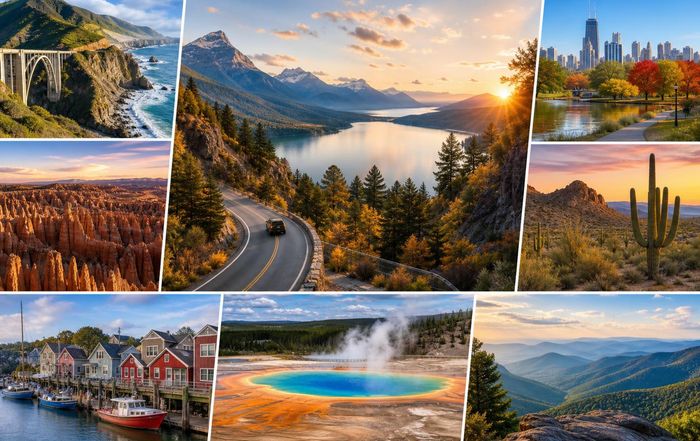
Best United States Destinations for Scenic Weekend Trips
Weekend travel has become one of the most powerful ways for people to restore their energy, reconnect with family and friends, and experience the beauty of the world without needing long breaks from work or school. Across the United States, a growing number of travelers now look for destinations that combine natural scenery, cultural richness, and accessible infrastructure, while still allowing enough time to slow down. For email member fans and following online readers of WorldWeTravel, scenic weekend trips are not only about seeing new places, but also about feeling grounded, inspired, and healthier when they return home.
This article explores some of the most compelling scenic weekend destinations in the United States, focusing on places that can be reached relatively easily, offer memorable landscapes, and provide a balance of activity and relaxation. From coastal drives and mountain retreats to desert escapes and lakeside hideaways, these destinations reflect broader trends in travel, wellness, sustainability, and family experiences that have shaped the way people explore in recent years.
The Rise of the Scenic Weekend Escape
In recent travel research, organizations such as Skift and Booking.com have highlighted a sustained increase in short leisure trips, often taken closer to home but with higher expectations for comfort and authenticity. Reports from the U.S. Travel Association suggest that domestic leisure travel remains one of the strongest segments of the tourism industry, with many travelers opting for flexible weekend getaways instead of longer, more complex itineraries. This shift is partly driven by remote and hybrid work, which allows people to extend weekends, and partly by a renewed appreciation for nature and outdoor spaces.
Travelers are also paying more attention to wellness and environmental impact. Surveys from McKinsey & Company and the World Travel & Tourism Council indicate that interest in sustainable and health-conscious travel continues to grow, with more people choosing destinations where they can hike, cycle, or simply breathe cleaner air, while supporting local communities and smaller businesses. Scenic weekend trips in the United States increasingly reflect these values, and WorldWeTravel has responded by curating daily guides to nature-rich destinations, eco-conscious stays, and wellness-focused retreats.
Pacific Coast Inspiration: Big Sur and the California Coast
Few drives in the world match the drama of California's Highway 1 along Big Sur, a stretch of coastline that has inspired writers, artists, and photographers for decades. Towering cliffs, crashing Pacific waves, and mist-shrouded redwoods create a setting that feels both wild and deeply restorative. Visitors typically base themselves in or near the communities of Carmel-by-the-Sea, Monterey, or San Simeon, using these as gateways to the more remote sections of the Big Sur coast.
Travelers often explore iconic viewpoints such as Bixby Creek Bridge and McWay Falls in Julia Pfeiffer Burns State Park, where a waterfall drops directly onto the beach. The California State Parks system provides up-to-date information on trail conditions and conservation efforts, helping visitors plan responsibly and understand the importance of staying on marked paths to protect fragile ecosystems. Those seeking a deeper immersion in nature can visit nearby redwood groves in Pfeiffer Big Sur State Park or Garrapata State Park, where trails offer sweeping ocean vistas and shaded canyon walks.
The region's hospitality scene ranges from simple campgrounds to some of the most celebrated coastal lodges in the country. Travelers who value design-forward comfort and culinary excellence can explore options through WorldWeTravel's curated hotel insights, while those on a tighter budget often choose charming inns and small motels in Monterey or Pacific Grove. Sustainable travel practices, including minimizing car stops in sensitive areas and supporting locally owned restaurants and shops, are strongly encouraged by organizations such as Visit California, which promotes responsible travel along this iconic route.
New England Charm: Coastal Maine and the Acadia Region
For travelers in the northeastern United States, Maine's rugged coastline offers one of the most rewarding weekend escapes, particularly around the gateway communities to Acadia National Park. The town of Bar Harbor, along with neighboring villages on Mount Desert Island, provides a classic New England atmosphere, with weathered shingle houses, working harbors, and restaurants specializing in locally caught seafood.
Acadia's appeal lies in its combination of accessible trails, scenic drives, and dramatic coastal landscapes. The Park Loop Road, maintained by the U.S. National Park Service, leads to highlights such as Sand Beach, Thunder Hole, and Otter Cliffs, while the summit of Cadillac Mountain offers panoramic views at sunrise and sunset during much of the year. The park's carriage roads, originally financed by John D. Rockefeller Jr., now form a network of car-free routes ideal for walking and cycling, giving families and casual visitors a safe way to experience the scenery.
Travelers interested in responsible tourism can consult resources from Leave No Trace and Friends of Acadia, both of which offer guidance on reducing impact in popular areas. Weekends in coastal Maine are particularly well-suited to family travel, with tide pools, easy coastal hikes, and educational ranger programs creating shared experiences that children and adults remember long after they return home. Readers planning multi-generational trips can explore family-focused ideas on WorldWeTravel, which often highlight destinations like Maine that combine natural beauty with accessible activities and comfortable lodging.
Mountain Serenity: The Blue Ridge Parkway and Asheville, North Carolina
The Blue Ridge Mountains of North Carolina and Virginia remain one of the most beloved scenic regions in the United States, and the city of Asheville serves as an ideal base for a weekend of mountain exploration. The Blue Ridge Parkway, managed by the National Park Service, stretches for hundreds of miles, but even a short segment near Asheville offers sweeping overlooks, forested trails, and access to waterfalls and highland meadows.
Asheville itself has evolved into a vibrant small city known for its arts scene, historic architecture, and emphasis on local food and craft beverages. The Biltmore Estate, built by George Vanderbilt in the late nineteenth century, remains a major attraction, drawing visitors to its extensive gardens, winery, and preserved mansion. Independent galleries, live music venues, and street art contribute to a creative atmosphere that appeals both to younger travelers and to couples seeking a sophisticated yet relaxed getaway.
The region has also become a hub for wellness and outdoor recreation. Nearby Pisgah National Forest and Great Smoky Mountains National Park provide extensive trail networks, while local outfitters offer guided experiences for hiking, fly fishing, and mountain biking. Travelers interested in wellness-focused retreats can find yoga, meditation, and spa programs in and around Asheville, and can explore broader wellness travel trends through WorldWeTravel's health and retreat coverage. Organizations such as Outdoor Alliance and Appalachian Trail Conservancy emphasize the importance of staying on designated paths and respecting wildlife, especially during peak visitation seasons.
Desert Light and Stargazing: Sedona and Northern Arizona
Sedona, Arizona, has long been associated with striking red rock formations, clear desert light, and a strong wellness culture. For weekend travelers, it offers a rare combination of scenic hiking, spiritual retreats, and easy access to one of the most famous natural wonders in the world, the Grand Canyon. While Sedona is not directly adjacent to Grand Canyon National Park, it is within driving distance, allowing motivated visitors to combine two iconic landscapes in a single long weekend.
The main draw in Sedona is its network of trails and viewpoints, including Cathedral Rock, Bell Rock, and Devil's Bridge, many of which are managed in coordination with the Coconino National Forest. Local authorities and stewardship groups such as Keep Sedona Beautiful encourage visitors to use designated trailheads and shuttles where available, in order to reduce congestion and protect sensitive desert vegetation. Clear desert skies also make Sedona a strong destination for stargazing; nearby Flagstaff has been recognized by the International Dark-Sky Association for its efforts to reduce light pollution, which benefits the wider region.
Sedona's wellness reputation is supported by a range of retreats, spas, and holistic centers that offer yoga, meditation, and alternative therapies. While some of the more spiritual claims surrounding energy "vortexes" are not scientifically verified, the area's psychological benefits are widely acknowledged by visitors who find the scenery deeply calming. Those looking for structured wellness experiences can explore retreat-focused content on WorldWeTravel, where Sedona and other desert destinations often appear as examples of restorative travel that blends outdoor activity with mindfulness.
Lakes, Forests, and Small-Town Comfort: The Great Lakes Region
The Great Lakes region, spanning several U.S. states, delivers a different kind of scenic weekend, defined by freshwater coastlines, dense forests, and historic towns. Areas such as Michigan's Upper Peninsula, Wisconsin's Door County, and the North Shore of Minnesota along Lake Superior have earned reputations as peaceful, nature-oriented escapes that remain relatively uncrowded compared with some coastal and mountain destinations.
In Michigan, the lakeside community of Traverse City and the nearby Sleeping Bear Dunes National Lakeshore provide a striking landscape of towering dunes, crystal-clear water, and forested backdrops. The National Park Service highlights the area's hiking trails, scenic drives, and family-friendly beaches, while local organizations promote sustainable tourism to protect the dunes and surrounding habitats. Door County in Wisconsin offers a string of small villages, lighthouses, and state parks along a peninsula that extends into Lake Michigan, and has become known for cherry orchards, fish boils, and maritime history.
Further west, Minnesota's North Shore, accessible via Highway 61 from Duluth, features a series of state parks with waterfalls, rocky shores, and boreal forest. Travelers can consult Explore Minnesota for up-to-date information on trails and seasonal conditions, and can pair weekend stays with visits to local galleries and cafes. For new and old readers of WorldWeTravel who are interested in balancing scenic beauty with cultural and culinary experiences, these Great Lakes communities offer a compelling alternative to more crowded coastal destinations, and they align well with the site's emphasis on thoughtful travel planning and local immersion.
Coastal Culture and History: Charleston and Savannah
For many travelers, the ideal scenic weekend is not only about landscapes but also about architecture, history, and food. The coastal cities of Charleston, South Carolina, and Savannah, Georgia, consistently rank among the most admired urban destinations in the United States for their preserved historic districts, tree-lined streets, and proximity to beaches and marshlands. Both cities offer a walkable core filled with restored buildings, churches, and squares, along with vibrant dining scenes that emphasize regional ingredients and culinary traditions.
Charleston's historic district, with its cobblestone streets and pastel-colored homes, reflects centuries of complex history, including the legacy of the transatlantic slave trade. Institutions such as the International African American Museum and Historic Charleston Foundation provide educational resources that encourage visitors to engage thoughtfully with the city's past. Nearby barrier islands such as Folly Beach and Sullivan's Island offer opportunities for coastal walks, surfing, and birdwatching, adding a natural dimension to an otherwise urban weekend.
Savannah, laid out in a distinctive grid of squares, invites slow exploration under canopies of live oaks draped with Spanish moss. The city's historic preservation efforts, supported by organizations like the Historic Savannah Foundation, have helped maintain a strong sense of place, while its arts and design schools contribute to a youthful, creative energy. Travelers can learn more about the region's cultural context through sources such as Georgia Historical Society, and can extend their trips to nearby Tybee Island for a quieter beach experience. For WorldWeTravel readers interested in culture-focused journeys, these coastal cities provide a rich blend of scenery, history, and hospitality.
National Parks and Iconic Landscapes: Yosemite, Zion, and Beyond
The United States is home to some of the world's most famous national parks, many of which can be visited on a long weekend with careful planning. Yosemite in California and Zion in Utah are two particularly photogenic parks that continue to attract travelers seeking dramatic cliffs, waterfalls, and canyon vistas. However, both parks have introduced reservation systems and shuttle requirements during peak seasons, and it is essential for visitors to consult the National Park Service websites for the latest entry rules, trail closures, and safety advisories.
Yosemite Valley, with its granite walls, meadows, and waterfalls such as Yosemite Falls and Bridalveil Fall, offers several short hikes and viewpoints suitable for weekend trips. The park's higher elevations, including Glacier Point and Tuolumne Meadows, can be more seasonally dependent, with snow and road closures affecting access in some months. Organizations such as Yosemite Conservancy support restoration projects and visitor education, encouraging travelers to tread lightly in heavily visited areas and to consider shoulder-season travel when possible.
Zion National Park is best known for its towering sandstone cliffs and the Virgin River, which winds through the main canyon. Popular hikes such as Angels Landing and the Narrows draw large numbers of visitors, and safety guidance from the National Park Service is particularly important due to exposure, flash flood risks, and permit requirements. Travelers who prefer quieter experiences may explore the park's east side or nearby state parks in Utah, which offer similarly striking scenery with fewer crowds. For those planning multi-park itineraries or road trips, WorldWeTravel provides broader destination overviews that help readers link iconic sites into coherent, sustainable journeys.
Wellness, Sustainability, and the Future of Scenic Weekend Travel
As weekend travel continues to evolve, several themes are shaping the way scenic destinations in the United States are experienced and managed. Wellness is one of the most prominent trends, with travelers seeking out places where they can disconnect from digital overload and reconnect with nature, often incorporating hiking, yoga, spa treatments, or simply quiet time into their itineraries. Studies highlighted by organizations such as the American Psychological Association suggest that time spent in natural environments can reduce stress and improve mood, reinforcing the value of scenic getaways for mental health.
Sustainability is another central concern. Destinations from coastal Maine to Sedona and the national parks are increasingly focused on visitor management, conservation, and community benefit. Resources from Sustainable Travel International and the Global Sustainable Tourism Council provide frameworks that destinations and travelers can use to support responsible practices, such as reducing waste, respecting local cultures, and choosing accommodations with strong environmental commitments. WorldWeTravel reflects these priorities through its eco-focused coverage, which highlights lodgings, tours, and destinations that align with long-term environmental and community wellbeing.
Technology also plays a growing role in weekend travel, from mobile park passes and crowd-level apps to digital guides and virtual previews of trails and viewpoints. While this can make planning more efficient, it also raises questions about overexposure of fragile sites through social media. Organizations such as Recreate Responsibly and Leave No Trace have responded with campaigns that encourage travelers to think carefully before geotagging sensitive locations and to prioritize safety and respect over social media recognition. Readers who balance digital tools with mindful on-the-ground behavior are better positioned to enjoy scenic weekends without contributing to overcrowding or environmental damage.
For families, remote workers, and business travelers who extend their trips, scenic weekend destinations also intersect with changing patterns of work and life. The growth of flexible work arrangements has made it easier for people to blend professional commitments with short trips, sometimes working remotely from cabins, coastal towns, or mountain cities. WorldWeTravel recognizes this shift through its work and business travel insights, which explore how travelers can maintain productivity while still taking advantage of restorative surroundings.
Planning an Inspiring Scenic Weekend with us Now
For travelers considering the next short escape, the United States offers an extraordinary diversity of landscapes, from the cliffs of Big Sur and the forests of New England to the deserts of Arizona and the waterfalls of the Great Lakes and national parks. Each region presents its own combination of scenery, culture, and hospitality, and the most rewarding weekends are often those that match a traveler's personal interests, whether that means family-friendly beaches, quiet mountain trails, historic neighborhoods, or wellness retreats.
WorldWeTravel is committed to helping readers navigate this abundance of choice with impartial and unbiased guidance, emphasizing expertise, safety, and respect for local communities. By exploring the site's resources on destinations worldwide, practical travel tips, family adventures, and emerging trends in wellness, sustainability, and technology, travelers can design weekend trips that are not only scenic but also meaningful and restorative.
In an era when time feels increasingly precious, a carefully chosen weekend away can have an outsized impact on wellbeing and perspective. Whether standing at a coastal overlook, walking through a historic square, watching stars emerge in a dark desert sky, or listening to waves on a Great Lakes shore, travelers are reminded of the scale and beauty of the world beyond their daily routines. Scenic weekend trips across the United States, thoughtfully planned and responsibly undertaken, offer a powerful way to reconnect with that sense of wonder, and WorldWeTravel remains a dedicated partner in turning those brief escapes into lasting, positive memories.