

Urban Exploration in South Korea: How Cities Are Redefining Global Travel
Urban Exploration as a New Travel Benchmark
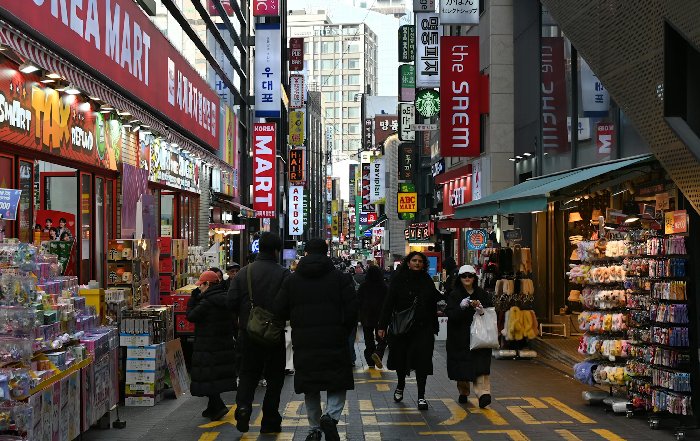
Urban exploration in South Korea has evolved from a niche interest into one of the most influential forces shaping international travel decisions, and WorldWeTravel has seen this shift first-hand through the behavior of readers who increasingly prioritize immersive city experiences over traditional sightseeing. Rather than simply visiting monuments or ticking off attractions, travelers from the United States, the United Kingdom, Germany, Canada, Australia, France, and across Asia and Europe are seeking to understand how South Korean cities work, how people live and work within them, and how these urban environments are redefining the relationship between culture, technology, economy, and sustainability. As South Korea's metropolitan centers-most notably Seoul, Busan, Incheon, and Daegu-continue to rank among the world's most connected, innovative, and culturally dynamic urban spaces, they offer a compelling blueprint for what city-focused travel can look like for families, business travelers, digital professionals, and eco-conscious visitors.
For readers planning their next journey, the country's dense urban fabric is increasingly the starting point for itinerary design, and many visitors now build their entire trip around a few carefully chosen neighborhoods rather than a long list of scattered attractions. Those exploring destinations through WorldWeTravel's dedicated and painstakingly written city and country guides can start with an overview of key destinations and regions to understand how South Korea fits into broader travel plans that may span Europe, North America, and the rest of Asia.
Seoul: The Global Prototype of a Smart and Experiential City
Seoul stands at the center of South Korea's urban exploration story, functioning as both a living laboratory of smart technologies and a deeply layered cultural landscape that rewards slow, attentive travel. The city's integration of high-speed connectivity, contactless payments, real-time mobility data, and sophisticated public transportation makes it an ideal environment for travelers who want to move efficiently while still discovering unexpected corners and local communities. According to Seoul Metropolitan Government data and international benchmarking by organizations such as the OECD, the city consistently ranks among the world's leading digital capitals, and visitors quickly experience this through seamless subway navigation, intuitive transit apps, and the widespread presence of public Wi-Fi. Those interested in understanding how Seoul compares to other global hubs can explore broader analyses of urban innovation and smart city policies.
What differentiates Seoul from other major cities is the way it weaves historical layers into contemporary life, allowing travelers to walk from restored royal palaces and traditional hanok neighborhoods to hyper-modern business districts within a single afternoon. Areas like Bukchon, Ikseon-dong, and Seochon reveal how heritage preservation, small-scale entrepreneurship, and design-led hospitality intersect to create neighborhoods that are both authentic and commercially vibrant. At the same time, business and technology travelers arriving from Singapore, Japan, the United States, and Europe are drawn to districts such as Gangnam and Yeouido, where the headquarters of Samsung, Hyundai Motor Group, and leading fintech and gaming companies showcase South Korea's role in the global innovation economy. For those planning business-focused itineraries, WorldWeTravel's dedicated business travel insights offer practical guidance on navigating meetings, co-working spaces, and corporate hospitality in Seoul and beyond.
Busan, Incheon, and the Rise of Multi-City Urban Journeys
While Seoul dominates international perceptions, urban exploration in South Korea increasingly involves multi-city journeys that combine the capital with coastal and regional hubs, creating a richer understanding of how the country's urban network operates. Busan, South Korea's second-largest city, has emerged as a favored destination for travelers from the United Kingdom, Germany, France, and Australia who are seeking a different rhythm of city life, one that blends maritime culture, film and arts, and a more relaxed approach to daily routines. As a major port and logistics hub, Busan plays a crucial role in global trade, and reports from organizations such as the World Bank and UNCTAD highlight its importance in supply chains connecting Asia with Europe, North America, and Africa; visitors walking along its harbor districts often find themselves observing the very infrastructure that underpins the global economy they read about in those analyses.
Incheon, long associated with its award-winning international airport, has matured into a destination in its own right, particularly through the development of Songdo International Business District, a flagship smart city project that attracts urban planners, sustainability professionals, and business leaders from Canada, the Netherlands, Singapore, and the Nordic countries. For travelers interested in how new cities are designed from the ground up, Incheon offers a rare opportunity to observe large-scale urban planning in real time, from green corridors and sensor-based infrastructure to experimental mobility solutions. Those who want to contextualize what they see on the ground can explore research on sustainable urban development and compare South Korea's approach with projects in Europe, the Middle East, and North America.
For visitors using WorldWeTravel's broader global travel resources, the ability to move quickly between Seoul, Busan, Incheon, and other cities via high-speed rail and integrated transit systems makes South Korea particularly suitable for itineraries that emphasize urban diversity over sheer distance.
Technology-Driven Exploration: Smart Cities, Mobility, and Digital Culture
Technology is not merely a backdrop in South Korea's cities; it is an active driver of how travelers experience and interpret urban environments. From the perspective of WorldWeTravel.com, where readers frequently search for guidance on combining work, travel, and digital tools, South Korea stands out as a country where the boundary between online and offline exploration is unusually thin. Visitors rely on translation apps, navigation platforms, cashless payment systems, and social media recommendations to move through neighborhoods, discover independent cafés and galleries, and access deeply local experiences that might previously have been inaccessible to non-Korean speakers.
South Korea's leadership in 5G deployment and digital infrastructure, documented by organizations such as the International Telecommunication Union, has enabled a new generation of travel services, from app-based local tours to real-time public transport optimization and hyper-personalized restaurant recommendations. Travelers who wish to understand the broader context of these developments can learn more about global connectivity trends and see how South Korea's model compares to those of other advanced economies like Japan, Singapore, Sweden, and Denmark.
At the same time, the country's vibrant gaming, entertainment, and social media ecosystems shape the cultural lens through which visitors experience its cities. K-pop, K-drama, and Korean cinema have transformed neighborhoods, cafés, and filming locations into pilgrimage sites for fans from the United States, Brazil, Thailand, and beyond, illustrating how digital culture can drive very physical patterns of movement through the city. WorldWeTravel's technology-focused coverage, available through its technology and innovation section, helps readers navigate this intersection of media, lifestyle, and urban geography, offering insights into how to responsibly engage with local communities while participating in pop-culture tourism.
Economic and Business Dimensions of Urban Travel
Urban exploration in South Korea is inseparable from the country's economic story, and many of the most compelling experiences for travelers involve direct or indirect contact with the forces that have shaped its rapid development. Business districts, industrial zones, university clusters, and research parks are not simply functional spaces; they are environments where visitors can observe how South Korea has moved from post-war reconstruction to high-income, innovation-driven status within a few generations. Organizations such as the International Monetary Fund and the World Economic Forum regularly highlight South Korea's role in global value chains and its leadership in sectors such as semiconductors, shipbuilding, automotive manufacturing, and cultural exports, and travelers who walk through districts associated with these industries gain a tangible sense of how macroeconomic trends translate into everyday urban life. Those interested in macro-level context can explore global economic outlooks and understand how South Korea's performance compares to that of other advanced and emerging economies.
For business travelers, South Korean cities offer a highly efficient environment for meetings, conferences, and corporate retreats, supported by world-class hotels, convention centers, and transport infrastructure. WorldWeTravel's dedicated work and travel guidance provides practical advice on combining professional obligations with meaningful urban exploration, emphasizing strategies such as extending business trips over weekends, using co-working spaces embedded in culturally vibrant neighborhoods, and leveraging local networks to access off-the-beaten-path experiences. As hybrid work becomes more entrenched in 2026, many professionals from Europe, North America, and Asia are choosing to base themselves temporarily in South Korean cities, attracted by the combination of reliability, connectivity, and cultural richness.
Family-Friendly Urban Experiences and Intergenerational Travel
Urban exploration in South Korea is not limited to solo travelers or young professionals; families from Canada, the United Kingdom, Germany, Singapore, and Australia increasingly view its cities as safe, educational, and engaging environments for intergenerational travel. Seoul's extensive network of parks, museums, science centers, and family-oriented attractions provides ample opportunities for children and teenagers to learn about history, technology, and culture in interactive ways, while parents appreciate the reliability of public transport, the availability of child-friendly facilities, and the country's strong public safety record.
Cities like Busan, with their combination of beaches, cultural districts, and urban nature trails, offer a particularly attractive balance for families seeking both relaxation and stimulation. The country's emphasis on education and public amenities means that libraries, community centers, and cultural institutions are often open and welcoming to visitors, allowing families to observe and sometimes participate in local life rather than remaining confined to tourist zones. For those planning multigenerational trips, WorldWeTravel's family-focused travel content offers guidance on structuring city itineraries that accommodate different ages, interests, and energy levels while still allowing for authentic urban discovery.
Health, Wellbeing, and Urban Retreats within the City
One of the most striking aspects of urban exploration in South Korea is the way cities integrate health, wellbeing, and retreat-oriented experiences into dense metropolitan environments. Visitors from Sweden, Norway, Finland, and other countries with strong wellness cultures often note the abundance of public walking trails, urban mountains, riverside parks, and wellness-oriented facilities such as jjimjilbang (Korean bathhouses) and meditation centers. Rather than escaping the city to find rest, travelers can often access restorative experiences within a short subway ride of major commercial districts, a feature that aligns strongly with the interests of WorldWeTravel's readers who are looking to balance productivity and relaxation.
The country's healthcare system, regularly highlighted by the World Health Organization for its efficiency and outcomes, also contributes to a sense of security for travelers, particularly older visitors or those with specific health needs. Those interested in understanding the broader context of healthcare quality and resilience can learn more about international health system comparisons. For visitors planning wellness-focused itineraries, WorldWeTravel's dedicated health and wellbeing coverage and its retreat-oriented recommendations provide curated insights into how to integrate spa visits, mountain hikes, temple stays, and slow-paced neighborhood walks into a broader urban exploration framework.
Cultural Depth: From Heritage Districts to Contemporary Creative Scenes
Urban exploration in South Korea provides a particularly rich lens on cultural evolution, as cities serve as stages where traditional practices, modern lifestyles, and global influences intersect. Historical neighborhoods in Seoul, Jeonju, and other cities showcase hanok architecture, traditional markets, and long-standing craft traditions, while contemporary districts host galleries, design studios, independent bookstores, and performance spaces that engage with global artistic currents. Institutions such as the National Museum of Korea and the National Museum of Modern and Contemporary Art offer structured narratives of the country's past and present, while smaller private galleries and artist-run spaces reveal the experimental edge of Korean creativity. Travelers seeking a deeper understanding of East Asian art and heritage can explore broader regional context through resources such as UNESCO's cultural heritage programs.
The influence of Hallyu, or the Korean Wave, is particularly visible in urban settings where K-pop agencies, drama production companies, and associated retail and entertainment complexes shape entire micro-districts. Fans arriving from Brazil, Thailand, Malaysia, and South Africa often design itineraries around these cultural nodes, while more general visitors increasingly incorporate them into broader city exploration, recognizing that popular culture is now one of the most powerful vectors of soft power and national branding. For those seeking structured cultural itineraries that balance heritage, contemporary art, and popular culture, WorldWeTravel's culture-focused features provide curated pathways through South Korean cities, aligning them with comparable experiences in Japan, France, the United States, and other cultural powerhouses.
Sustainability, Eco-Conscious Travel, and Urban Nature
As sustainability becomes a central concern for travelers from Europe, North America, and Asia, urban exploration in South Korea increasingly revolves around questions of environmental impact, resource efficiency, and resilience. Cities such as Seoul and Incheon have invested in extensive public transportation networks, bike lanes, green roofs, and river restoration projects that not only improve local quality of life but also reduce the environmental footprint of both residents and visitors. International organizations including the World Resources Institute and C40 Cities have highlighted Seoul's initiatives in areas such as air quality management, climate adaptation, and sustainable mobility, and travelers who walk along the Cheonggyecheon Stream or hike in Bukhansan National Park can see how these policies manifest in physical form. Those who wish to learn more about sustainable business practices and urban climate strategies can deepen their understanding of how South Korea fits into global efforts to decarbonize cities.
For eco-conscious travelers using WorldWeTravel.com, South Korea's cities offer an opportunity to practice low-impact travel by relying on public transit, choosing eco-certified hotels, and supporting local, independently owned businesses that prioritize responsible sourcing and waste reduction. The platform's dedicated eco and sustainability section provides guidance on selecting accommodations, experiences, and transportation modes that align with personal values, and it situates South Korea within a comparative framework that includes leading sustainable destinations in Scandinavia, the Netherlands, and New Zealand. Urban exploration in this context becomes not only a way to see a country but also a way to participate in and support its environmental transition.
Practical Tips and Strategic Planning for Urban Explorers
By 2026, travelers are increasingly strategic about how they plan urban exploration in South Korea, drawing on digital resources, local expertise, and comparative analysis with other global cities. WorldWeTravel.com plays a central role in this process, offering integrated guidance that connects destination overviews, accommodation options, and on-the-ground advice. Visitors typically begin by reviewing country and city profiles in the travel planning hub, then move on to specific recommendations for hotels, neighborhoods, and thematic experiences.
Accommodation choices are particularly important for urban explorers, as the right base can significantly expand or limit the range of experiences available within a given timeframe. South Korean cities offer a spectrum of options, from international business hotels and design-led boutique properties to serviced apartments and guesthouses in traditional neighborhoods. WorldWeTravel's curated hotel and lodging recommendations emphasize not only comfort and service quality but also proximity to transit, walkability, and access to culturally rich districts, reflecting the priorities of readers who want to spend less time commuting and more time engaging with the city. Travelers seeking tactical advice on navigation, etiquette, language, and safety can consult the platform's practical tips section, which distills the experience of frequent visitors and local experts into concise, actionable guidance.
Those who wish to benchmark South Korea's urban infrastructure, safety standards, and liveability against other countries can consult comparative indices and analyses from organizations such as Mercer and the Economist Intelligence Unit, which regularly publish rankings of global cities on criteria such as quality of life, cost of living, and business environment. These external resources, combined with WorldWeTravel's on-the-ground perspective, enable readers to make informed decisions about where to allocate time and resources within broader multi-country itineraries that may also include Japan, China, Singapore, or major European capitals.
South Korea's Cities as a Template for the Future of Travel
Urban exploration in South Korea, as observed through the independent and impartial lens of WorldWeTravel and the behavior of its global readership, offers a compelling preview of how travel is likely to evolve over the coming decade. The country's cities demonstrate that it is possible to combine dense, technology-rich environments with cultural depth, sustainability, and high levels of personal safety, creating conditions in which travelers from a wide range of backgrounds-families, solo explorers, business professionals, digital nomads, and retirees-can all find meaningful experiences.
As global travelers from the United States, the United Kingdom, Germany, Canada, Australia, France, Italy, Spain, the Netherlands, Switzerland, China, Japan, and emerging markets in Africa and South America look for destinations that align with their values and practical needs, South Korea's urban centers are increasingly appearing at the top of consideration lists. The country's ability to integrate work and leisure, tradition and innovation, local specificity and global connectivity resonates strongly with the priorities of 2026, when flexibility, digital readiness, and sustainability are no longer optional but expected.
For those planning their next journey, WorldWeTravel serves as a always up-to-date and well researched partner in navigating this landscape, drawing on a commitment to experience, expertise, authoritativeness, and trustworthiness to provide nuanced, up-to-date guidance on every aspect of urban exploration in South Korea. By combining in-depth destination knowledge, comparative global context, and practical travel intelligence, the platform helps readers transform curiosity about South Korean cities into well-designed, rewarding itineraries that reflect both personal aspirations and the broader shifts reshaping travel worldwide.