

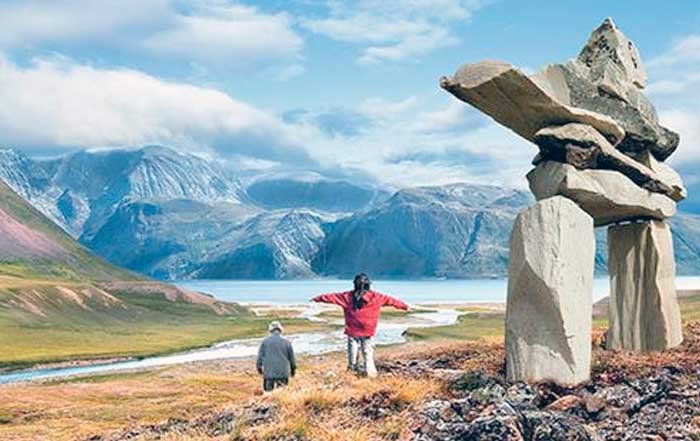
Canada's Great Outdoors in 2026: A Strategic Guide for Global Travelers and Business Leaders
Canada's vast geography, political stability, and deep commitment to environmental stewardship have made it one of the most strategically important travel destinations for discerning leisure travelers, families, and business decision-makers in 2026. From the Atlantic coastline of Nova Scotia and Newfoundland to the Pacific rainforests of British Columbia and the Arctic expanses of Nunavut, the country offers a rare combination of outdoor adventure, sustainable infrastructure, and cultural depth that aligns with the evolving expectations of global travelers who now evaluate destinations not only for scenery, but also for safety, health standards, climate resilience, and ethical practices. As WorldWeTravel.com continues to curate experiences for readers across North America, Europe, and Asia, Canada stands out as a benchmark destination where nature, technology, and culture intersect in a way that is uniquely suited to today's travel, work, and lifestyle priorities.
Why Canada Matters Now: Scale, Safety, and Sustainability
In an era defined by climate risk, geopolitical uncertainty, and changing work patterns, Canada's appeal is no longer limited to postcard landscapes. Its sheer size and low population density create space, privacy, and calm that travelers from the United States, United Kingdom, Germany, France, Italy, Spain, Netherlands, Switzerland, China, Japan, South Korea, Singapore, Australia, and beyond increasingly seek when planning meaningful journeys. The country's long-standing emphasis on conservation, led by Parks Canada, has positioned it as a global model for protected areas and biodiversity. Learn more about the national protected areas framework through Parks Canada.
For readers of WorldWeTravel.com, who often balance demanding careers with family responsibilities and health-conscious lifestyles, Canada offers a rare blend of high-quality infrastructure, excellent healthcare standards, and reliable connectivity in many regions. Business travelers exploring corporate retreats or offsite strategy sessions can find secluded yet well-equipped venues in the Rockies, on Vancouver Island, or in Quebec's Laurentians, while families can design multi-generational trips that combine outdoor learning with cultural immersion. Those planning future trips can start with the curated overviews on destinations around the world and then use Canada as a reference point for evaluating other nature-focused countries.
National Parks as Strategic Assets for Travel, Family, and Business
Canada's national parks are not simply scenic backdrops; they are highly managed, data-informed environments where conservation, visitor experience, and local economies intersect. Banff National Park and Jasper National Park in Alberta, for example, remain flagship destinations for international visitors in 2026, yet both have increasingly integrated visitor management tools, reservation systems, and sustainability metrics to manage overtourism. Decision-makers planning incentive trips, leadership retreats, or client events can leverage this predictability and structure, knowing that park authorities collaborate closely with local operators and communities.
Banff's iconic Lake Louise and the Icefields Parkway continue to draw travelers from Europe and Asia, while Jasper's more remote backcountry trails, dark-sky preserve status, and access to the Athabasca Glacier appeal to those seeking quieter, more immersive experiences. Business and family travelers can combine these outdoor experiences with premium lodging and meeting facilities in Banff, Canmore, and Jasper, making it possible to transition seamlessly between boardroom sessions and wilderness excursions. For an overview of how accommodation options shape the travel experience, readers can explore global hotel trends and insights.
Further east, Gros Morne National Park in Newfoundland and Labrador offers a very different proposition, with fjords, dramatic cliffs, and visible geological history that provide a natural classroom for families and educational groups. Organizations designing learning-focused travel programs can integrate visits to Gros Morne to highlight topics such as plate tectonics, climate, and marine ecosystems, drawing on resources from institutions like the Geological Survey of Canada.
In central Canada, Riding Mountain National Park in Manitoba presents a more understated yet highly rewarding experience, where boreal forest, prairie, and wetland ecosystems converge. This park has become particularly relevant for those seeking less crowded alternatives to the better-known western parks, aligning with post-pandemic preferences for dispersed travel. On the Pacific coast, Gwaii Haanas National Park Reserve, National Marine Conservation Area Reserve, and Haida Heritage Site stands as a leading example of co-management between Indigenous communities and the federal government, where cultural preservation and environmental protection are inseparable. Travelers can deepen their understanding of this model through information from Indigenous Tourism Canada and apply similar criteria when assessing other destinations globally.
Adventure and Risk Management: From Adrenaline to Strategy
Canada's reputation as an adventure destination is well established, but in 2026, adventure travel is increasingly framed not just as thrill-seeking but as a structured, risk-managed experience that must meet corporate duty-of-care standards and family safety expectations. The Rocky Mountains remain a global hub for mountaineering, ice climbing, and backcountry skiing, with peaks such as Mount Assiniboine and Mount Robson attracting experienced climbers from across Europe and Asia. At the same time, commercial operators now integrate advanced weather analytics, satellite communication tools, and avalanche forecasting data, often informed by resources from organizations such as Avalanche Canada, which publishes widely used safety guidelines at Avalanche Canada.
Winter sports destinations like Whistler Blackcomb in British Columbia and major resorts in Alberta and Quebec continue to evolve as four-season hubs, combining skiing and snowboarding with mountain biking, trail running, and wellness retreats. Corporate groups can design hybrid programs that mix strategic workshops with guided outdoor activities, supported by high-end lodging and reliable digital infrastructure. Business travel planners can benchmark these offerings against broader trends in corporate travel and meetings by exploring insights from Global Business Travel Association.
For water-based adventure, white-water rafting on the Kicking Horse River in British Columbia and the Ottawa River in Ontario remains popular, but operators are increasingly transparent about environmental impacts, safety standards, and training credentials. Kayaking and canoeing in areas like Algonquin Provincial Park, Georgian Bay, and the Bowron Lakes circuit in British Columbia are now marketed not only as physical challenges but as digital detox opportunities that support mental health and team cohesion. Those interested in the psychological and health benefits of time in nature can review current research from organizations such as the American Psychological Association and align their travel planning with personal or organizational wellness strategies, complementing insights from WorldWeTravel's health-focused travel coverage.
The northern territories-Yukon, Northwest Territories, and Nunavut-continue to attract travelers seeking dog sledding, snowmobiling, and aurora viewing. Here, issues of climate change, Indigenous rights, and infrastructure resilience are highly visible, making these regions particularly relevant for globally minded travelers who want to understand how northern communities are adapting. To contextualize these changes and their global implications, readers can consult climate and Arctic research from the Intergovernmental Panel on Climate Change and the Arctic Council.
Hiking and Trekking: Long Trails for Deep Immersion
For many readers of WorldWeTravel.com, long-distance hiking and trekking represent a deliberate counterbalance to high-intensity work and urban living. Canada's extensive trail network allows travelers to calibrate their level of challenge, from accessible day hikes to demanding multi-day expeditions. The West Coast Trail on Vancouver Island remains one of North America's most iconic routes, combining rugged coastline, dense temperate rainforest, and complex logistics involving tides, ladders, and suspension bridges. In 2026, increased permit regulation and trail maintenance have helped protect this fragile ecosystem, while still allowing committed hikers to experience its raw beauty. Those evaluating whether such a trail matches their fitness and risk tolerance can review preparation frameworks offered by organizations like AdventureSmart.
On the opposite coast, the Skyline Trail in Cape Breton Highlands National Park in Nova Scotia offers a more accessible yet still dramatic experience, with sweeping ocean views and frequent wildlife sightings. This trail is particularly suitable for intergenerational family groups and for travelers from Europe and the United States who are looking for shorter, high-impact hikes that can be integrated into broader itineraries across Atlantic Canada. Families considering how to structure such journeys around school holidays and varying activity levels can explore planning insights on traveling with family and children.
Further north, Tombstone Territorial Park in Yukon, with its jagged peaks and tundra valleys, has become a magnet for photographers, adventure travelers, and remote workers who are able to extend their stays thanks to more flexible work arrangements. The park's short hiking season and rapidly changing weather require careful planning, making it an ideal test case for travelers seeking to sharpen their expedition skills before tackling more remote destinations in Alaska, Greenland, or Patagonia.
Newfoundland and Labrador's East Coast Trail, stretching over 300 kilometers, offers a modular approach to long-distance hiking, where travelers can select individual segments that pass lighthouses, coastal villages, and iceberg-filled bays. This structure appeals to travelers from the United Kingdom, Ireland, and continental Europe, who are accustomed to long-distance footpaths and appreciate the ability to combine local culture, food, and nature in a single journey. For those exploring comparative trail experiences worldwide, the curated guidance at WorldWeTravel's global travel hub provides a useful framework.
Historic routes such as the Chilkoot Trail, which follows the path of the Klondike Gold Rush, illustrate how Canada's trails often combine natural beauty with deep historical narratives. Shorter hikes like Alberta's Johnston Canyon or segments of Ontario's Bruce Trail allow time-constrained travelers or business visitors to integrate meaningful outdoor experiences into tight schedules, an increasingly important consideration as hybrid work and short-haul business trips become more common.
Wildlife, Conservation, and Ethical Encounters
Canada's wildlife is central to its global brand, yet in 2026 the way travelers engage with animals is under greater scrutiny than ever before. Travelers, companies, and families are expected to prioritize ethical wildlife encounters that respect habitat, minimize stress on animals, and support conservation outcomes. Churchill, Manitoba, widely known as the "Polar Bear Capital of the World," has become a global case study in managing wildlife tourism, climate risk, and community development. Operators now collaborate closely with researchers and conservation organizations, and visitors are encouraged to understand the broader context of polar bear ecology and sea-ice loss by exploring science-based resources such as those from the World Wildlife Fund.
On the Pacific coast, the waters around Vancouver Island and the Great Bear Rainforest region are prime areas for viewing orcas, humpbacks, and gray whales. Whale-watching companies increasingly adhere to strict distance and noise regulations, informed by guidelines from authorities such as Fisheries and Oceans Canada, whose marine mammal policies can be reviewed at Fisheries and Oceans Canada. In the Atlantic, the Bay of Fundy, with its extraordinary tides, continues to host migrating whales and diverse marine life, reinforcing Canada's position as a leading destination for marine ecotourism.
Birdwatchers and nature photographers find rich opportunities in the Prairies, the Arctic, and the boreal forest, where migratory birds, raptors, and shorebirds congregate in large numbers. As artificial intelligence and high-resolution imaging tools become more accessible, travelers are increasingly able to document wildlife ethically and share data with citizen science platforms such as eBird, contributing to global conservation efforts. Readers who are particularly interested in sustainable and eco-focused travel models can explore more in-depth analysis at WorldWeTravel's eco and sustainability section.
Indigenous Knowledge, Culture, and Co-Management
No serious exploration of Canada's outdoors in 2026 can ignore the central role of Indigenous peoples, whose stewardship of these lands predates the modern state by millennia. For travelers and business leaders who care about ethical engagement, reconciliation, and authentic cultural experiences, Indigenous-led tourism and co-managed protected areas offer a powerful framework. Sites such as Head-Smashed-In Buffalo Jump in Alberta, a UNESCO World Heritage Site, provide historical insight into the sophisticated hunting systems of Plains Indigenous peoples and their deep understanding of bison behavior and prairie ecology. Information on UNESCO World Heritage standards and sites can be found at UNESCO World Heritage Centre.
In the Arctic and Subarctic, Inuit, Dene, Inuvialuit, and other Indigenous communities increasingly shape how visitors experience the land, whether through guided trips, cultural centers, or community-based lodging. National parks such as Nahanni National Park Reserve and Ivvavik National Park are co-managed with Indigenous governments, integrating traditional knowledge with Western science in decisions on wildlife, visitor access, and cultural protection. Travelers who choose Indigenous-owned operators not only gain deeper insight into local cultures but also support economic development and self-determination. Those wishing to design itineraries that respect these principles can draw on guidance from Indigenous Tourism Canada and align their plans with broader ethical travel practices outlined in WorldWeTravel's culture and travel insights.
For business and organizational leaders, Canada's co-management models and Indigenous partnerships provide case studies in governance, stakeholder engagement, and long-term land-use planning that can be applied to projects worldwide. Study tours and leadership retreats that incorporate meetings with Indigenous organizations and community leaders are increasingly common, turning travel into a platform for learning about governance, resilience, and social responsibility.
Technology, Remote Work, and the Future of Outdoor Travel in Canada
By 2026, the intersection of outdoor travel and technology is reshaping how visitors experience Canada's landscapes. Improved connectivity in many rural and semi-remote areas enables remote workers to extend their stays, blending work and travel in ways that were far less common a decade ago. At the same time, advances in mapping, satellite communication, and safety technology lower some barriers to exploring more remote regions, while still demanding respect for local conditions and regulations. Readers can explore how technology is transforming travel and work more broadly at WorldWeTravel's technology coverage.
Digital tools, from advanced weather apps and avalanche forecasting platforms to offline navigation systems, are now standard components of trip planning. At the institutional level, tourism boards, park agencies, and private operators increasingly rely on data analytics to manage visitor flows, protect sensitive ecosystems, and anticipate climate-related disruptions. Organizations such as the World Travel & Tourism Council provide global benchmarks on how destinations are integrating sustainability, safety, and technology, available at World Travel & Tourism Council.
For individuals and companies adopting hybrid or fully remote work models, Canada's national parks, mountain towns, and coastal communities offer compelling environments for "work-from-anywhere" experiments, residencies, and retreats. However, this trend also raises questions about housing, local infrastructure, and community impact, making it essential for travelers to understand and respect local regulations and norms. Professionals considering extended stays or work-focused travel can find practical guidance in the work and travel resources at WorldWeTravel's work section.
Health, Well-Being, and Retreat-Focused Travel
The global health shocks of the early 2020s have permanently changed how travelers evaluate destinations, with heightened attention to air quality, crowding, access to healthcare, and opportunities for physical and mental restoration. Canada's vast open spaces, clean air, and strong public health systems have elevated its status as a wellness-oriented destination where visitors can disconnect, recover, and reset. Mountain resorts, lakeside lodges, and coastal retreats now offer structured programs that integrate guided outdoor activity, mindfulness, nutrition, and digital detox strategies.
Scientific evidence continues to support the benefits of time in nature for stress reduction, cognitive function, and cardiovascular health, as documented by organizations such as the World Health Organization. For readers seeking to align their travel plans with personal health goals-whether that involves improving fitness, managing burnout, or supporting family well-being-Canada provides a highly supportive environment. Those interested in designing wellness-oriented itineraries can explore more at WorldWeTravel's retreat and wellness travel insights.
Planning a Canadian Outdoor Journey with Confidence
Designing a successful trip to Canada's great outdoors in 2026 requires more than simply choosing a park or region; it involves aligning destination, season, activity level, and infrastructure with personal or organizational objectives. Travelers should begin by clarifying whether their primary focus is adventure, family connection, business strategy, cultural learning, or health and retreat, and then select regions that best support those priorities. For broad inspiration across continents and themes, readers can start at the WorldWeTravel home page at WorldWeTravel.com.
Practical planning considerations include understanding visa and entry requirements, which can be verified through official channels like the Government of Canada's immigration portal, as well as monitoring seasonal conditions, wildfire risk, and regional advisories through sources such as Environment and Climate Change Canada. Travelers should also familiarize themselves with Leave No Trace principles and local regulations governing campfires, wildlife interaction, drones, and backcountry access, ensuring that their presence supports rather than harms local ecosystems and communities.
For business travelers and organizations, integrating risk management, insurance, and duty-of-care frameworks into trip design is essential, particularly for remote or adventure-focused itineraries. Families, meanwhile, may prioritize proximity to healthcare facilities, child-appropriate activities, and educational opportunities, all of which are widely available in Canada's more established parks and gateway communities. Practical travel strategies, from packing and budgeting to navigating airports and ground transport, are covered in depth in WorldWeTravel's tips and planning section.
Canada's Outdoors as a Global Benchmark
In 2026, Canada's great outdoors represents far more than a collection of national parks and scenic viewpoints; it functions as a global benchmark for how a country can balance large-scale conservation, tourism, economic development, and cultural respect. For readers of WorldWeTravel.com-from families in the United States planning their first long-haul nature trip, to executives in Europe designing leadership retreats, to remote workers in Asia evaluating new bases for work and life-Canada offers a living laboratory where the future of travel, work, and sustainability is already unfolding.
Whether one is hiking the West Coast Trail, attending a strategy session in Banff, watching whales off Vancouver Island, learning from Indigenous guides in the Arctic, or simply sharing a lakeside cabin with family, the Canadian outdoors invites travelers to slow down, think more deeply, and engage more responsibly with the world. As travel continues to evolve, Canada's combination of natural beauty, institutional reliability, and ethical ambition ensures that it will remain a cornerstone destination for those who seek not only to see the world, but to understand and shape it.