

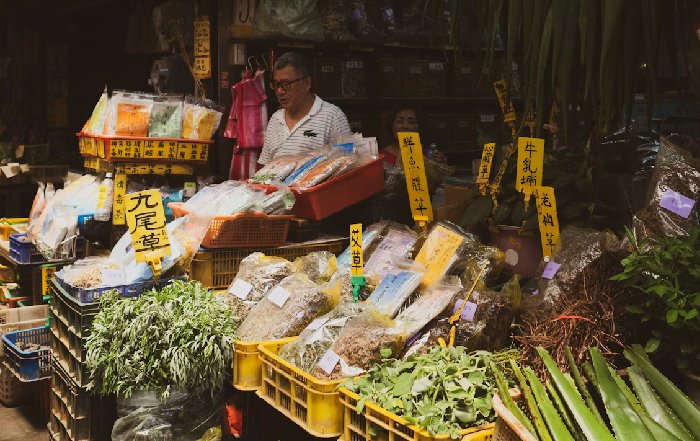
A Traveler's Guide to Local Markets
Why Local Markets Matter More Than Ever
As international travel has fully rebounded and business and leisure journeys increasingly overlap, local markets have become one of the most revealing entry points into a destination's economy, culture and daily life. For readers of worldwetravel.com, who approach travel not only as a source of pleasure but also as an opportunity for professional insight, personal wellbeing and responsible global citizenship, the local market is no longer a casual sightseeing stop; it is a living classroom where supply chains, family traditions, hospitality standards and sustainability practices can be observed in real time.
Whether walking through a neighborhood farmers' market in the United States, navigating a historic bazaar in Turkey, or exploring a night market in Thailand, travelers can see how global trends in technology, health, food security and climate adaptation are playing out at street level. Institutions such as the World Bank highlight the importance of small and medium enterprises in emerging economies, and many of these businesses are represented in markets where informal and formal commerce intersect. Those who want to understand how local commerce supports national growth can explore broader context through resources like the World Bank's insights on global development, then connect those macro perspectives with the micro experiences of a single market stall.
For worldwetravel.com, which is dedicated to connecting destinations, business realities and cultural experiences, local markets represent the point where all these interests converge. Travelers who consult the site's overview of global destinations increasingly use local markets as a key criterion in choosing where to go, how long to stay and how to allocate their spending in a way that is both rewarding and responsible.
Understanding the Role of Markets in Local Economies
Local markets, whether permanent indoor halls or temporary weekly gatherings, are often the most visible expression of a city or village economy. In Europe, covered markets in cities like Barcelona or Florence sit at the crossroads of tourism and daily life, while in Asia, sprawling wholesale markets in cities such as Bangkok or Seoul anchor regional food distribution. Reports from organizations like the Organisation for Economic Co-operation and Development (OECD) show how small-scale vendors contribute to employment and social cohesion, particularly in urban centers that rely heavily on services and tourism; travelers who want to understand how local markets support inclusive growth can see these dynamics playing out with every transaction and interaction.
In many parts of Africa and South America, open-air markets are critical nodes in food security and distribution, connecting rural producers with urban consumers and creating informal credit networks that sustain families during periods of volatility. The Food and Agriculture Organization of the United Nations (FAO) has documented how traditional markets remain central to fresh food access even as supermarkets expand, and visitors who walk through a bustling market in Brazil, South Africa or Kenya can see how seasonal availability, climate conditions and transport infrastructure shape what appears on each stall. Those seeking to learn more about global food systems can then connect that knowledge with their own observations on the ground.
For business travelers, local markets also provide direct insight into consumer preferences, price sensitivity and product innovation. A manager attending a conference in Singapore or Frankfurt can gain more nuanced understanding of local tastes by spending an hour in a neighborhood market than by reading multiple reports. The business travel section of worldwetravel.com, accessible via its dedicated business travel hub, increasingly encourages professionals to integrate market visits into their itineraries as informal field research that complements formal meetings and presentations.
Regional Perspectives: Markets Around the World
Across continents, local markets reflect different regulatory environments, cultural norms and levels of technological adoption, and travelers who approach them with curiosity and respect can gain a more grounded sense of place than any skyline view or luxury lobby could provide.
In North America and the United Kingdom, farmers' markets have expanded significantly over the past decade, supported by growing interest in organic produce, short supply chains and community-based commerce. Organizations such as the USDA provide guidance on how markets connect rural producers to urban consumers, and travelers who wish to explore how farmers' markets are regulated and supported can better understand why some markets feel highly curated while others remain more informal. In Canada and the United States, weekend markets often blend food, crafts and live music, creating family-friendly spaces that reflect local priorities around health and lifestyle.
In continental Europe, historic markets in countries such as France, Spain, Italy and Germany often occupy architecturally significant buildings that have been repurposed or modernized. Urban planners and cultural heritage organizations, including UNESCO, have emphasized the importance of markets as intangible cultural heritage, particularly where long-standing trading traditions are preserved through recipes, artisan techniques and festive rituals. Travelers interested in how markets contribute to cultural heritage protection will find that many European cities integrate market preservation into broader revitalization strategies.
In Asia, the diversity of market formats is particularly striking. Night markets in Thailand, Taiwan and Malaysia offer a fusion of street food, fashion, electronics and entertainment, while morning wet markets in Singapore, Hong Kong and Japan focus on fresh produce and seafood with strict hygiene standards. Authorities such as the Singapore Food Agency and the Japanese Ministry of Health, Labour and Welfare provide detailed regulations governing food handling and safety, and those who wish to understand best practices in market food safety can see how these rules influence stall design, cleaning routines and customer flow in high-density environments.
In Africa and South America, markets often function not only as commercial hubs but also as social and political spaces where news is exchanged, community disputes are mediated and civic messages are shared. Organizations like the African Development Bank and Inter-American Development Bank examine how informal trade supports livelihoods, and travelers who want to gain a deeper understanding of informal economies can contextualize the vibrant, sometimes chaotic energy of these markets within broader development debates.
For readers of worldwetravel.com, the global travel section offers macro-level perspectives on these regions, but the lived reality of those trends can be seen most vividly at market level, where currency fluctuations, tourism booms and climate-related disruptions are immediately visible in prices, product availability and vendor sentiment.
Family Travel and the Educational Value of Markets
For families traveling with children, local markets present an unmatched opportunity for informal education that blends geography, economics, language learning and nutrition. Parents who consult worldwetravel.com's family travel guidance are increasingly incorporating structured market visits into their itineraries, not merely as a place to grab a snack but as a planned activity with clear learning goals.
Children can practice basic phrases in local languages by greeting vendors, asking prices or expressing thanks, which often leads to warm engagement and sometimes small gifts or tastings. Educational organizations such as National Geographic provide background on global food cultures and biodiversity, and parents who read about world food traditions before traveling can frame market visits as part of a broader exploration of how people around the world grow, prepare and share food. This transforms a simple stroll through a market in Italy, Japan or Mexico into a structured lesson in cultural diversity and environmental awareness.
Markets also offer a direct way to discuss health and nutrition with younger travelers. Agencies like the World Health Organization (WHO) emphasize the importance of diets rich in fruits, vegetables and minimally processed foods, and families who explore WHO guidance on healthy diets can use market visits to illustrate those principles with real ingredients rather than abstract recommendations. Comparing the colorful produce sections of markets in Spain, Thailand or Brazil with the packaged food aisles of large supermarkets helps children understand how food choices connect to personal health and environmental impact.
For families balancing budget and experience, markets can also serve as economical dining options, offering high-quality, freshly prepared meals at lower prices than many restaurants. Using the cost and quality comparisons available on worldwetravel.com's travel insights, parents can plan a mix of market-based meals and sit-down restaurant experiences that keeps costs under control while maintaining variety and local authenticity.
Business Travel: Markets as Informal Boardrooms
In 2026, the boundaries between business and leisure travel are increasingly blurred, with many professionals extending work trips to include personal exploration. For these travelers, local markets serve as informal boardrooms and laboratories where consumer behavior, pricing strategies and product innovation can be observed in unfiltered form. Executives from sectors as diverse as hospitality, retail, technology and agribusiness can gain immediate insight into local purchasing power, brand presence and distribution networks simply by walking through a market and paying attention to what is stocked, how it is displayed and how customers interact with sellers.
Organizations such as the World Economic Forum (WEF) regularly publish analyses on consumer trends, digital payments and sustainability, and professionals who study these global consumer insights can compare them with their real-world observations in markets from London to Lagos. For instance, the increasing prevalence of QR code payments in markets in China, Singapore and South Korea confirms the rapid uptake of mobile payment ecosystems, while the persistence of cash-based transactions in parts of Europe, Africa and Latin America reveals ongoing trust and infrastructure gaps.
Corporate travel planners who rely on worldwetravel.com's business travel resources are increasingly encouraged to incorporate guided market visits into incentive trips, leadership offsites and cross-cultural training programs. These experiences, when facilitated by knowledgeable local partners, can help international teams understand not only the economic context of their host country but also the values and constraints of local partners and customers. A visit to a market in Germany might highlight the premium placed on quality and provenance, while a market in India or Nigeria might reveal the importance of price flexibility and relationship-based negotiation.
For professionals in hospitality and tourism, markets also provide a window into evolving food trends, dietary preferences and wellness priorities. By observing which products attract the longest queues or social media attention, hoteliers and restaurateurs can refine their offerings to better align with local and international expectations, insights that can be integrated into planning with the help of worldwetravel.com's hotel and accommodation analyses.
Technology, Digital Payments and the Future of Markets
The technological transformation of local markets has accelerated dramatically over the past few years, with mobile payments, digital ordering platforms and social media marketing becoming commonplace even among small-scale vendors. In countries such as China, South Korea and Singapore, it is now routine to see QR codes displayed at tiny market stalls, enabling seamless transactions via platforms like Alipay or PayNow. Reports from institutions like the Bank for International Settlements (BIS) and the International Monetary Fund (IMF) document how digital payments are reshaping financial inclusion and transaction costs, and travelers interested in understanding the rise of digital payments can use local markets as real-world case studies of these transitions.
At the same time, technology is enabling markets to reach customers beyond their geographic boundaries. Vendors in markets from London to Melbourne increasingly use social media platforms such as Instagram and TikTok to showcase their products, announce seasonal offerings and interact with customers. Travelers planning visits can often preview markets online, check opening hours and even place advance orders for pickup, reducing uncertainty and enhancing convenience. Those seeking broader context on digital commerce trends can explore resources from McKinsey & Company, where they can learn more about digital consumer behavior, and then see how these trends manifest in the physical settings of markets.
For readers of worldwetravel.com, the intersection of travel and technology is a recurring theme, and the site's technology-focused coverage often highlights how innovations in payments, logistics and data analytics are changing the way travelers engage with destinations. Local markets, once perceived as largely analog environments, are now at the forefront of experimentation with hybrid models that combine in-person browsing with online ordering, creating new expectations around convenience, personalization and transparency.
Health, Safety and Hygiene in a Post-Pandemic Era
In the wake of the COVID-19 pandemic and subsequent public health challenges, travelers in 2026 remain acutely aware of hygiene and safety considerations, particularly in crowded spaces such as markets. Public health authorities, including the Centers for Disease Control and Prevention (CDC) and the European Centre for Disease Prevention and Control (ECDC), continue to issue guidance on best practices for travelers in high-density environments, and those who wish to review current health recommendations for international travel can adapt their behavior accordingly.
Modern markets in countries such as Japan, Singapore, Germany and the Nordic nations often display clear signage regarding hand hygiene, food handling and waste management, reflecting regulatory frameworks that have been strengthened over the past decade. In other regions, improvements may be more uneven, and travelers are advised to apply common-sense precautions such as observing stall cleanliness, checking food turnover rates and prioritizing cooked items when unsure about water or refrigeration standards. The health and wellness section of worldwetravel.com, accessible via its dedicated health portal, offers practical advice on staying safe while still fully enjoying local food experiences.
At the same time, markets have become venues for promoting public health initiatives, from vaccination campaigns to nutrition education. Non-governmental organizations and local health departments often set up information booths or mobile clinics in or near markets, recognizing that these are spaces where diverse segments of the population gather. Travelers who pay attention to these initiatives gain additional insight into local health priorities and challenges, which can be particularly relevant for professionals in healthcare, pharmaceuticals or public policy who travel for work and seek to understand local contexts more deeply.
Sustainability, Eco-Conscious Travel and Local Markets
As sustainability moves from a niche concern to a central criterion in travel decisions, local markets have emerged as key sites where eco-conscious behavior can be practiced and observed. Markets that prioritize local, seasonal produce inherently reduce the environmental impact associated with long-distance transport and storage, while those that encourage reusable containers and minimize packaging help address the growing problem of plastic waste. Organizations such as the United Nations Environment Programme (UNEP) provide frameworks for sustainable consumption and production, and travelers who explore UNEP's guidance on sustainable lifestyles can see how many of these principles are naturally embedded in traditional market practices.
For visitors who rely on worldwetravel.com's eco-focused content, markets are often recommended as one of the most direct ways to support local economies while minimizing environmental impact. Buying directly from producers or small traders ensures that a larger share of spending remains in the community, while choosing plant-based or low-impact foods can significantly reduce the carbon footprint of travel-related consumption. Certification schemes and labels, such as organic or fair-trade marks, are increasingly visible in markets in Europe, North America and parts of Asia, and travelers who familiarize themselves with these standards through resources from organizations like Fairtrade International can learn how ethical certifications work and make more informed purchasing decisions.
Markets also play a role in climate adaptation, particularly in regions vulnerable to extreme weather and shifting agricultural conditions. Development agencies and climate research institutions, including the Intergovernmental Panel on Climate Change (IPCC), highlight how changing rainfall patterns and temperature shifts affect crop yields and food prices, and travelers who review IPCC summaries on climate impacts may notice tangible manifestations of these trends in the availability and cost of certain products in markets from Australia to South Africa.
Markets as Cultural Retreats and Wellbeing Spaces
Beyond their economic and nutritional functions, local markets can also serve as spaces of retreat and wellbeing for travelers seeking authentic, low-pressure experiences away from highly commercialized tourist zones. The sensory richness of a market-the sounds of bargaining, the scent of spices and flowers, the visual variety of produce and textiles-can provide a grounding counterpoint to the often-anonymous environments of airports, business hotels and conference centers.
For readers exploring worldwetravel.com's retreat and wellness content, markets are increasingly recommended as part of slow travel itineraries that emphasize mindful observation, unhurried conversation and local rhythms. A morning spent wandering through a market in Kyoto, Copenhagen or Cape Town can be as restorative as a spa session, especially when approached with an attitude of curiosity rather than acquisition. Travelers who sit at a small market café, watch daily routines unfold and engage in brief, respectful conversations with vendors often report a deeper sense of connection and presence than they experience in more structured activities.
Cultural institutions such as The British Museum and The Smithsonian Institution often contextualize artifacts by explaining the market or trading environments from which they emerged, and visitors who explore their online cultural resources before traveling can better appreciate how contemporary markets continue long-standing traditions of exchange. Understanding that a spice stall in Istanbul or a textile vendor in Oaxaca is part of a centuries-old trading lineage can transform a simple purchase into participation in a living cultural continuum.
Practical Tips for Engaging with Local Markets
To maximize the benefits of market visits while minimizing risks and misunderstandings, travelers can adopt a set of practical habits that align with both personal safety and local etiquette. Planning ahead is essential; consulting local tourism boards, city websites or reputable guide services can provide information on opening hours, market specialties and neighborhood safety. Organizations like VisitBritain and Tourism Australia maintain detailed online guides to major markets, and those who review official destination resources can avoid common pitfalls such as arriving on closing days or misreading local customs around photography and bargaining.
From a financial perspective, understanding local currency practices and payment norms is critical. Central banks such as the Bank of England and the European Central Bank offer up-to-date information on currency design and anti-counterfeiting measures, and travelers who familiarize themselves with local currency can reduce anxiety when handling cash in busy environments. At the same time, carrying a mix of payment methods, including small denominations of local cash and at least one widely accepted card, ensures flexibility in markets where digital adoption may be uneven.
For readers who rely on worldwetravel.com's travel tips and practical advice, market visits are often framed as opportunities to practice situational awareness and cultural sensitivity. Simple actions such as asking permission before taking close-up photos of people, learning a few polite phrases, dressing modestly where appropriate and being patient with slower service go a long way toward building trust and avoiding misunderstandings. When bargaining is customary, approaching it as a friendly conversation rather than an adversarial contest helps maintain goodwill and often leads to better outcomes for both parties.
Integrating Market Experiences into Modern Travel Lifestyles
Travel is no longer a series of isolated vacations but part of a broader lifestyle that encompasses remote work, family responsibilities, professional development and personal wellbeing. Local markets, with their blend of economic, cultural and social functions, fit naturally into this more integrated approach. Remote workers who use worldwetravel.com's work and travel resources often choose accommodation within walking distance of markets, allowing them to shop for fresh ingredients, connect with neighbors and maintain a healthier routine during extended stays.
For frequent travelers balancing business obligations with personal interests, markets offer a flexible, low-commitment activity that can fit into a free morning or evening without requiring extensive planning or reservations. They provide a way to experience authenticity even during short stays in global hubs such as New York, London, Singapore or Tokyo, where much of daily life can otherwise feel standardized and corporate. By consulting the broader travel overview on worldwetravel.com, readers can identify destinations where markets are particularly central to local identity and prioritize those experiences accordingly.
Ultimately, local markets embody many of the values that worldwetravel.com promotes: respect for cultural diversity, support for local economies, curiosity about global systems and commitment to responsible, informed travel. Whether approached through the lens of business analysis, family education, wellness, sustainability or simple pleasure, markets invite travelers to step out of the role of spectator and into a more engaged, reciprocal relationship with the places they visit. In a world where digital experiences increasingly dominate, the tactile, human and unmediated encounters that markets provide remain one of the most compelling reasons to keep exploring, learning and connecting across borders.