

Wellington: How New Zealand's Capital Became a Global Benchmark for Creative, Connected Travel
Wellington's Rise from Compact Capital to Global Reference Point
Wellington has evolved from a compact political capital at the bottom of New Zealand's North Island into one of the world's most compelling examples of how culture, technology, sustainability, and quality of life can coexist in a single, walkable city. For the international audience of WorldWeTravel.com, which spans business leaders in New York and London, families in Toronto and Sydney, innovators in Berlin, Singapore, and Seoul, and culture seekers from Paris, Milan, Barcelona, and beyond, Wellington offers a case study in how a mid-sized city can punch far above its weight in influence, livability, and global connectivity.
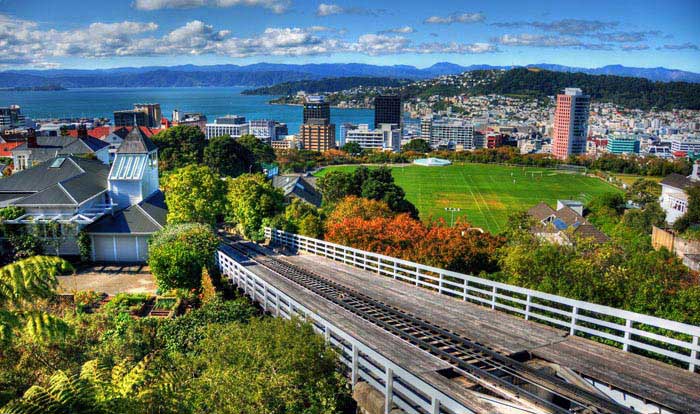
Positioned at the southern tip of New Zealand's North Island, facing the Cook Strait and framed by steep hills and a deep harbor, Wellington combines the density and energy of a European capital with the access to nature more commonly associated with Scandinavia or New Zealand's South Island. Its reputation as the country's "hipster hub" has matured into something broader and more substantial: a city where creative industries, digital innovation, sustainable tourism, and public policy intersect. For readers planning new destinations, reconsidering how they travel for work, or exploring where to build the next chapter of their careers, Wellington in 2026 offers both inspiration and practical lessons.
A Cultural Capital with Global Reach
Wellington's cultural life is central to its identity and to its appeal for international travelers, remote workers, and globally mobile families. The city has deliberately positioned itself as a guardian of MÄori and Pasifika heritage, a champion of contemporary arts, and a testbed for new cultural formats that resonate with audiences from Europe, Asia, North America, and South America.
At the heart of this cultural ecosystem stands Te Papa Tongarewa - Museum of New Zealand, located on the waterfront. The museum's long-standing commitment to combining rigorous scholarship with immersive design has made it one of the most respected national museums in the world. Visitors encounter taonga (treasures) of MÄori and Pacific cultures, interactive exhibits on tectonic activity and climate resilience, and rotating exhibitions that often tour globally. Leaders in culture and tourism increasingly look to Te Papa as a model for how national institutions can communicate complex histories and identities in ways that are accessible to both domestic and international audiences; those interested in cultural strategy can compare Te Papa's approach with institutions such as the British Museum in London or the Smithsonian Institution in Washington, D.C., both of which share extensive resources online for those who wish to learn more about global museum practice.
Away from the waterfront, Cuba Street remains the city's most emblematic cultural artery. Once famous primarily for its bohemian charm, it has grown into a dense corridor of independent fashion, design studios, small galleries, and some of the most inventive cafes and restaurants in the Southern Hemisphere. The annual CubaDupa festival transforms the district into an open-air celebration of music, performance, and street food, attracting not only locals but also visitors from Australia, Asia, and Europe who plan their trips around the event. For readers of WorldWeTravel.com's culture section, Cuba Street illustrates how a city can protect independent, locally owned culture while still engaging with global trends in food, music, and design.
The Wellington waterfront extends this cultural narrative into public space. Art installations, performance venues, and the Wellington Museum help turn the harbor edge into a living gallery of maritime history, civic identity, and contemporary creativity. Comparisons are often drawn with waterfront transformations in Hamburg, Copenhagen, and Vancouver, where former industrial zones have been repurposed as mixed-use cultural and leisure districts. Urban planners, investors, and city leaders can study Wellington's waterfront alongside resources from organizations such as UNESCO and UN-Habitat, which share global best practices on culture-led urban regeneration and inclusive public space design.
The Technology and Innovation Engine Behind the Lifestyle
Beyond its cultural appeal, Wellington has become one of the southern hemisphere's most interesting technology and innovation hubs, particularly for those in digital media, gaming, software, and creative technology. For global professionals who follow business and work trends on WorldWeTravel.com, the city offers a live example of how a relatively small market can build global reach through specialization and collaboration.
The presence of Weta Workshop and WÄtÄ FX (formerly Weta Digital) has anchored Wellington's reputation as a world-class center for visual effects, props, and storytelling. From "The Lord of the Rings" and "Avatar" to more recent streaming-era productions, these companies have demonstrated that a studio complex in a city of under half a million people can set standards for the global film industry. Leaders in Los Angeles, London, and Vancouver increasingly see Wellington not as an outlier but as a peer, and industry professionals follow developments through platforms like Variety and The Hollywood Reporter, which regularly cover WÄtÄ's work and the wider New Zealand screen sector.
Around this creative core, a broader startup ecosystem has flourished. Coworking spaces and incubators such as Creative HQ have nurtured fintech, SaaS, gaming, and climate-tech ventures with ambitions far beyond New Zealand's borders. Wellington's time zone, once seen as a disadvantage, is now leveraged by globally distributed teams who operate across Asia-Pacific, Europe, and North America, supported by tools from firms like Atlassian and Microsoft, whose remote work resources have become standard references for international teams seeking best practice in hybrid collaboration. Readers exploring technology-focused travel and relocation will find that Wellington's ecosystem is particularly appealing for founders and specialists who value both deep professional networks and a human-scale city.
The city's universities and research institutions, led by Te Herenga Waka - Victoria University of Wellington, have also become more globally connected. Joint research projects with universities in Germany, Canada, Japan, and Singapore focus on areas such as climate science, cybersecurity, and digital humanities, while Wellington-based academics contribute to global policy conversations through platforms like the OECD, World Economic Forum, and Brookings Institution. For internationally mobile students and professionals, Wellington's academic landscape offers both high-quality education and direct pathways into the city's innovation economy.
Health, Wellness, and Nature in an Urban Frame
For many travelers and relocating professionals in 2026, decisions about where to live, work, and invest are increasingly shaped by health, well-being, and access to nature. Wellington has positioned itself at the intersection of urban convenience and outdoor lifestyle, appealing to families, remote workers, and executives who follow WorldWeTravel.com's health and retreat content.
The city's topography means that nature is never far away. Trails on Mount Victoria, the Town Belt, and the coastal paths around Miramar and the South Coast allow residents and visitors to move from meeting rooms to panoramic lookouts within minutes. The Wellington Botanic Garden, connected to the city center by the historic Wellington Cable Car, remains one of the region's most visited green spaces, combining ornamental gardens, native bush, and public art. Urban planners and health professionals often reference guidance from the World Health Organization on the mental and physical benefits of urban green space, and Wellington's integration of parks and walking routes into daily life demonstrates these principles in action.
Wellington's wellness culture extends beyond outdoor recreation. Yoga studios, pilates spaces, and boutique fitness centers are now spread across the inner city and suburbs, serving a population that is increasingly conscious of preventive health and work-life balance. Nutrition and healthy eating trends are reflected in the city's cafes and markets, where plant-based, organic, and locally sourced menus are common. For readers interested in eco-conscious and wellness-oriented travel, Wellington offers a practical example of how a city can align food systems, physical activity, and mental well-being with broader sustainability goals.
The city's health infrastructure has also modernized significantly since the early 2020s, with investments in digital health records, telemedicine, and integrated care. New Zealand's public health system, often studied by policy analysts and international organizations such as the Commonwealth Fund, positions Wellington as a focal point for health policy experimentation and evaluation. For globally mobile families comparing healthcare systems in destinations from Sweden and Norway to Canada and Australia, Wellington's combination of robust public services and lifestyle advantages can be compelling.
Business, Government, and the Global Economy
As New Zealand's political and administrative capital, Wellington exerts influence well beyond its geographic size, particularly in areas where public policy, regulation, and innovation intersect. For business readers of WorldWeTravel.com, the city provides insight into how a stable, transparent governance environment can support entrepreneurship, foreign investment, and sustainable growth.
Government ministries, regulatory agencies, and diplomatic missions are concentrated in central Wellington, creating a dense ecosystem of policymakers, analysts, consultants, and advocates. Organizations such as The Treasury, the Reserve Bank of New Zealand, and the Ministry of Foreign Affairs and Trade collaborate closely with industry and academia on issues ranging from financial stability and trade policy to climate adaptation and digital regulation. International observers often track these developments through sources like the IMF, World Bank, and WTO, which highlight New Zealand's role in global economic governance and trade negotiations.
The city's creative industries, particularly film, television, gaming, and design, have become critical export sectors, contributing to both GDP and soft power. Wellington's success in these fields illustrates how cities outside the traditional power centers of New York, London, Tokyo, and Shanghai can build globally recognized brands by focusing on specialized capabilities and cross-sector collaboration. For executives and entrepreneurs evaluating new markets and hubs, Wellington's trajectory offers lessons that complement insights available in WorldWeTravel.com's global economy coverage.
Wellington's startup ecosystem, built around accelerators, angel investors, and an increasingly international talent pool, has also matured. The city has seen growth in climate-tech, agritech, and digital services, sectors that align with New Zealand's strengths and with global priorities defined by frameworks such as the UN Sustainable Development Goals. For founders in Berlin, Amsterdam, Stockholm, or San Francisco considering international expansion, Wellington presents a distinctive combination of regulatory clarity, access to Asia-Pacific markets, and a high quality of life that supports both productivity and retention.
Sustainability, Climate Leadership, and Eco Travel
In an era when climate change and environmental stewardship shape both policy and consumer behavior, Wellington has embraced sustainability as a core pillar of its identity and strategy. For the eco-conscious travelers and decision-makers who rely on WorldWeTravel.com's eco travel insights, the city's approach is particularly relevant.
The Zealandia Ecosanctuary, located just minutes from the city center, remains one of the world's most ambitious urban conservation projects. Protected by a predator-proof fence and underpinned by rigorous ecological science, Zealandia has become a living laboratory for species reintroduction and habitat restoration. Its success has influenced urban biodiversity projects in Europe, Asia, and North America, and is frequently referenced in international conservation forums and by organizations such as the International Union for Conservation of Nature (IUCN). Visitors to Wellington encounter not only a compelling tourism experience but also a tangible demonstration of how cities can reverse biodiversity loss.
Wellington's climate strategy extends to transport, energy, and urban planning. The city has invested in public transport, cycling infrastructure, and the electrification of vehicle fleets, aligning with New Zealand's national emissions targets and global commitments under the Paris Agreement. Business travelers and sustainability officers comparing city strategies often consult resources from the C40 Cities Climate Leadership Group and the Global Covenant of Mayors, where Wellington's actions are documented alongside those of larger cities such as Paris, Sydney, and New York. For those planning low-impact trips, Wellington's compact layout, walkability, and public transport options make it relatively straightforward to minimize environmental footprint without sacrificing convenience.
For hospitality and tourism professionals, Wellington's hotel and accommodation sector provides a growing number of case studies in sustainable operations, from energy-efficient building design to local sourcing and waste reduction. Readers planning where to stay can explore options aligned with their values through WorldWeTravel.com's hotels hub, and compare Wellington's approach with international frameworks such as Green Key or EarthCheck, which recognize and benchmark sustainable tourism businesses worldwide.
Hospitality, Neighborhoods, and the Everyday Experience
While statistics and policy frameworks matter to investors and policymakers, the decision to visit, live, or work in Wellington ultimately comes down to lived experience: how it feels to walk through the city, how easy it is to connect with people, and whether the rhythm of daily life supports both ambition and balance. For readers exploring travel tips and practical planning resources, Wellington's human scale is one of its strongest assets.
The inner city is compact, with most key districts-Lambton Quay, Courtenay Place, Te Aro, and the waterfront-within easy walking distance. Cafes and restaurants reflect influences from Italy, France, Spain, China, Japan, Thailand, and the Middle East, mirroring the city's diversity and its openness to global flavors. For families, the availability of parks, playgrounds, and child-friendly museums, combined with a strong sense of safety, makes Wellington a manageable and engaging base; those considering longer stays can explore broader family travel strategies through WorldWeTravel.com's dedicated family section.
Accommodation ranges from international hotel brands to boutique properties and serviced apartments that cater to business travelers, digital nomads, and relocating professionals. As hybrid work and extended stays become more common, Wellington's hospitality sector has adapted with flexible booking models, co-working amenities, and health-focused services. Comparisons with other cities popular among remote workers-such as Lisbon, Amsterdam, Melbourne, and Auckland-are increasingly frequent in global travel and business media, and many of the same decision criteria apply: connectivity, cost, safety, cultural vibrancy, and access to nature.
Neighborhoods beyond the central business district, such as Mount Victoria, Aro Valley, Island Bay, and Miramar, each offer distinct atmospheres and housing profiles, from heritage villas to contemporary apartments. For readers evaluating lifestyle fit alongside career opportunities, Wellington's neighborhoods can be explored in parallel with WorldWeTravel.com's global perspective on urban living, which contextualizes the city within broader trends in urban design, mobility, and community building.
Wellington as a Strategic Choice for the Next Decade
For the globally minded audience of WorldWeTravel.com, Wellington in 2026 represents more than a scenic stop on a New Zealand itinerary; it stands as a strategic choice at the intersection of travel, work, family life, and long-term planning. Executives considering regional headquarters in the Asia-Pacific, founders looking for a base that combines creativity and stability, families seeking a safe and stimulating environment, and professionals exploring new hybrid work lifestyles all find in Wellington a compelling mix of opportunity and quality of life.
The city's strength lies in its integration of culture, technology, governance, and sustainability rather than in any single attribute. Its museums and festivals communicate a confident, inclusive identity; its tech and creative sectors demonstrate that global excellence can emerge far from traditional centers of power; its health and wellness infrastructure supports both residents and visitors; its environmental leadership provides a blueprint for sustainable urban living; and its government and business institutions contribute actively to debates about the future of democracy, trade, and regulation.
For readers planning their next move-whether that means a short visit, a sabbatical, a business expansion, or a full relocation-Wellington rewards deeper research and deliberate planning. Exploring WorldWeTravel.com's travel hub alongside authoritative external resources such as Tourism New Zealand, New Zealand Immigration, and international economic and environmental organizations can help align personal, professional, and sustainability goals with the realities on the ground.
In a world where cities compete not only for tourists but also for talent, capital, and ideas, Wellington has quietly built a position that is both distinctive and resilient. For those willing to travel a little further, think a little longer term, and prioritize experience, expertise, and trustworthiness in their decisions, New Zealand's capital offers something increasingly rare: a place where global ambition and local authenticity still move in step.