

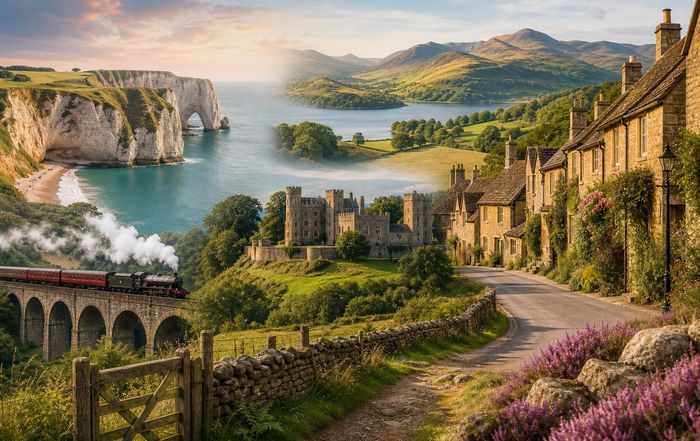
United Kingdom Destinations Beyond the Major Cities
Exploring the United Kingdom beyond its major cities reveals a remarkably diverse tapestry of landscapes, historic towns, coastal hideaways and cultural heartlands that often remain in the shadow of London, Edinburgh, Manchester or Glasgow. For travellers seeking deeper connection, slower rhythms and more sustainable experiences, this quieter United Kingdom can feel like an entirely different country, one where local communities, nature and heritage take centre stage. For our hip and friendly readers, this emerging focus on lesser-known destinations aligns closely with a growing global appetite for meaningful journeys that balance discovery with responsibility.
Why Travellers Are Looking Beyond London, Edinburgh and Manchester
Over the past decade, and especially in the years leading to 2026, several converging trends have encouraged visitors to look beyond the UK's major cities. Tourism data from bodies such as VisitBritain and VisitScotland indicates that travellers are increasingly motivated by authenticity, personal well-being and environmental stewardship rather than only marquee attractions. Many visitors still begin in London, Edinburgh or another major hub, but then extend their itineraries into rural counties, coastal regions or smaller historic towns where they can experience local culture at a gentler pace.
This shift is reinforced by a wider movement towards sustainable travel practices, promoted by organisations such as the UN World Tourism Organization and initiatives like the Global Sustainable Tourism Council. Travellers are becoming more aware of the pressures that high visitor numbers place on famous city centres and are actively seeking ways to distribute their spending more evenly across regions. At the same time, improved rail connections, flexible working patterns and a rise in nature-focused holidays have made it easier to blend urban stays with countryside escapes, a pattern that WorldWeTravel has observed across many of its destination guides.
The English Countryside: Historic Towns, Coastlines and National Parks
Beyond London, England offers a mosaic of landscapes and communities that range from windswept coasts to rolling hills and ancient market towns. Travellers who follow the well-trodden path from the capital to cities such as Bath or Oxford often overlook smaller places that capture the essence of English heritage with fewer crowds.
In the South West, the counties of Devon and Cornwall remain beloved for their dramatic shorelines, fishing villages and walking trails. The South West Coast Path, promoted by South West Coast Path Association, stretches for over 1,000 kilometres and passes through lesser-known communities such as Boscastle, Clovelly and Coverack, where walking, surfing and wildlife watching coexist with local farming and fishing traditions. Visitors increasingly combine these coastal explorations with responsible stays in small guesthouses and eco-lodges, guided by resources such as Visit Cornwall and Visit Devon, while platforms like Surfers Against Sewage encourage respect for marine environments and beach cleanliness.
Inland, the Cotswolds Area of Outstanding Natural Beauty, spanning several counties, offers honey-coloured stone villages, hedgerows and meadows that seem unchanged for centuries. Towns like Painswick, Tetbury and Stow-on-the-Wold may be less famous than Bath or Stratford-upon-Avon but offer equally rich experiences, from independent bookshops and antique markets to farm-to-table dining. Travellers can explore these regions in depth with slow itineraries curated through WorldWeTravel's UK travel inspiration, combining walking or cycling routes with stays in locally owned inns and boutique hotels.
Further north, England's national parks highlight a different dimension of the country. The Lake District National Park, now a UNESCO World Heritage Site, is renowned for its fells and lakes, but quieter corners such as the Western Lakes around Eskdale and Ennerdale still feel remote. Similarly, the Northumberland National Park and its surrounding coast offer dark skies, medieval castles and wide open beaches, particularly around Bamburgh and Dunstanburgh, that remain relatively uncrowded even in high season. Detailed information from National Parks UK and National Trust helps visitors understand conservation priorities, while responsible travel features on WorldWeTravel's eco travel pages guide choices around transport, accommodation and activities.
Scotland's Highlands, Islands and Heritage Towns
Scotland's international image is often closely associated with Edinburgh's festivals and Glasgow's cultural scene, yet a substantial part of the country's allure lies beyond these cities, in its highlands, islands and smaller heritage towns. As rail and ferry connections improve and digital nomadism grows, travellers are increasingly venturing into these areas for longer stays, seeking immersion in nature and local communities.
The Scottish Highlands, stretching from Loch Lomond to the far north, offer some of Europe's most dramatic scenery, with glens, lochs and mountain ranges that attract hikers, photographers and wildlife enthusiasts. Regions such as Torridon, Assynt and Wester Ross, accessible via the North Coast 500 route but also reachable through quieter side roads and trails, have seen rising interest. Conservation organisations including NatureScot and John Muir Trust provide guidance on responsible access, wild camping rules and wildlife protection, ensuring visitors understand their role in preserving fragile ecosystems.
Off the west coast, the Inner and Outer Hebrides present a very different rhythm of life. Islands such as Harris, Lewis, Islay and Mull combine Gaelic heritage, crofting traditions and unique ecosystems, from machair grasslands to seabird colonies. Caledonian MacBrayne ferry services and regional airports have made these islands more accessible, yet many communities actively manage tourism growth to protect cultural and environmental integrity. Initiatives spotlighted by VisitScotland encourage visitors to travel in shoulder seasons, support local artisans and explore lesser-known sites rather than concentrating solely on iconic beaches or distilleries.
Smaller Scottish towns also offer rewarding alternatives to major urban centres. Places like Dunkeld, Pitlochry, Oban and St Andrews provide historic architecture, riverside or coastal settings and vibrant local food scenes, often with quick rail or bus links from cities. For families, these destinations offer a balance of outdoor activities and cultural experiences, which fits well with WorldWeTravel's focus on family travel, from easy woodland walks and castle visits to wildlife boat trips and interactive museums.
Wales: Coastal Paths, Castles and Cultural Revival
Wales, often overlooked in favour of its larger neighbours, has emerged as a compelling destination for travellers seeking coastal beauty, mountain landscapes and a distinct Celtic culture. The country's extensive shoreline, linked by the Wales Coast Path, enables long-distance walks or shorter day hikes that connect fishing villages, seaside towns and nature reserves. Regions such as Pembrokeshire, the Llŷn Peninsula and Ceredigion combine sandy beaches with rugged cliffs and are increasingly recognised for their biodiversity, as documented by organisations like Natural Resources Wales and RSPB.
Inland, Eryri (Snowdonia) National Park and the Bannau Brycheiniog (Brecon Beacons) National Park provide a backdrop for hiking, mountain biking and dark-sky observation. Local authorities and environmental groups have introduced measures to manage visitor numbers on popular peaks and promote lesser-known trails, encouraging a more even spread of tourism and reducing pressure on sensitive habitats. Visitors can learn more about these initiatives through National Parks Wales and related conservation websites, then integrate them into itineraries crafted with support from WorldWeTravel's health and wellness travel insights, which emphasise nature-based experiences and mental well-being.
Culturally, Wales has experienced a visible revival of the Welsh language and traditional arts, with communities across the country promoting bilingual signage, local festivals and music events. Smaller towns such as Aberaeron, Hay-on-Wye and Llandeilo illustrate this blend of heritage and contemporary creativity, with independent bookshops, galleries and food markets attracting visitors who value authenticity. The internationally known Hay Festival, held in Hay-on-Wye, brings writers and thinkers from around the world, underscoring Wales's role in global cultural dialogue and offering travellers an opportunity to combine literary exploration with rural landscapes.
Northern Ireland: Coastal Routes, Game of Thrones Landscapes and Maritime Heritage
Northern Ireland, while compact, offers a striking range of experiences beyond its capital, Belfast. The Causeway Coastal Route, promoted by Discover Northern Ireland, links a series of coastal towns, cliffs and beaches that have gained international attention partly through their association with film and television productions, notably Game of Thrones. Sites such as the Giant's Causeway, a UNESCO World Heritage Site managed by the National Trust, are well known, but nearby locations including Ballintoy, Cushendun and White Park Bay provide quieter encounters with the same geological drama.
Inland, regions such as the Fermanagh Lakelands and the Mourne Mountains attract visitors seeking boating, hiking and cycling in serene surroundings. The lakes around Enniskillen, dotted with islands and historic sites, allow for slow travel by kayak, canoe or small boat, supported by local operators who increasingly emphasise low-impact tourism. Detailed guidance from Outdoor Recreation Northern Ireland and regional tourism boards helps travellers plan safe and sustainable adventures that align with the values promoted through WorldWeTravel's eco-conscious travel content.
Maritime heritage also plays a key role beyond Belfast. Towns like Derry~Londonderry, Portrush and Bangor offer a combination of historic walls, seaside promenades and emerging food scenes, reflecting Northern Ireland's ongoing economic and cultural development. International visitors are gradually discovering these destinations through word of mouth, film-inspired itineraries and targeted marketing campaigns that highlight peacebuilding, creativity and community resilience.
Family Travel: Rural Adventures and Coastal Escapes
For families, the United Kingdom's lesser-known destinations offer opportunities to slow down, reconnect and introduce children to nature and history in engaging ways that are often more relaxed than big-city sightseeing. Seaside towns, national parks and heritage railways create shared experiences that can be tailored to different ages and interests, while shorter distances between attractions allow for flexible planning.
Coastal resorts such as Whitstable and Broadstairs in Kent, Tenby in Wales, and North Berwick in Scotland provide classic beach holidays with modern touches, from water sports and coastal cycling to wildlife boat trips. Many of these communities have invested in improved playgrounds, traffic-calmed promenades and accessible walking routes, making them suitable for multi-generational trips. Family-oriented guidance from organisations like Royal National Lifeboat Institution (RNLI) ensures that visitors can enjoy the sea safely, complementing practical planning advice available through WorldWeTravel's family travel hub.
Inland, heritage railways such as the North Yorkshire Moors Railway, the West Highland Line in Scotland and the Ffestiniog & Welsh Highland Railways in Wales offer immersive journeys through countryside and mountains, often with themed events or educational programmes. These experiences, supported by volunteers and local charities, provide both entertainment and insight into the UK's industrial past, fostering appreciation for engineering and preservation among younger travellers. Families can combine these train journeys with visits to castles, open-air museums and nature reserves, creating itineraries that balance learning and play.
Boutique Hotels, Inns and Retreats: Staying Local with Comfort
Accommodation choices play a significant role in shaping how visitors experience destinations beyond major cities. Across the UK, a growing number of boutique hotels, country inns, farm stays and wellness retreats are emphasising local character, sustainable practices and personalised service, offering alternatives to large chain properties. This shift aligns with broader trends in hospitality documented by organisations such as UKHospitality and analysed by travel researchers who note rising demand for experiential stays.
In regions like the Cotswolds, the Lake District, the Scottish Highlands and coastal Wales, traditional coaching inns and farmhouses have been transformed into elegant yet informal retreats, often featuring locally sourced food, contemporary design and outdoor activities. Many properties highlight their partnerships with nearby farmers, artisans and guides, enabling guests to connect more deeply with the surrounding community. Travellers can discover such stays through curated listings on WorldWeTravel's hotels section, alongside advice on choosing accommodations that align with environmental and social values.
Wellness retreats have also expanded beyond urban spa hotels into rural estates and coastal centres. From yoga and mindfulness weekends in Devon to cold-water swimming and resilience workshops in Scotland, these experiences draw on evidence-based approaches to mental and physical health, often referencing research from institutions such as NHS England and academic centres focused on nature and well-being. Visitors are encouraged to combine structured programmes with unstructured time outdoors, reinforcing the idea that travel can support long-term lifestyle changes rather than offering only short-term escape.
Sustainable and Eco-Conscious Travel Across the Regions
Travelling beyond major cities naturally invites a closer relationship with landscapes and local communities, and with that comes a responsibility to minimise environmental impact and maximise positive contributions. In the United Kingdom, national and local initiatives increasingly support this approach, providing travellers with clear frameworks for responsible behaviour and informed decision-making.
Transport is a central consideration. The UK's extensive rail network, documented by National Rail and promoted through resources such as Trainline, allows visitors to reach many smaller towns and regional hubs without a car, while local bus networks and community transport schemes connect outlying villages and attractions. Active travel, including walking and cycling, is supported by organisations like Sustrans, which maintains the National Cycle Network and advocates for safe routes that benefit both residents and visitors. By planning itineraries that prioritise public and active transport, travellers can reduce carbon emissions and experience regions at a slower, more immersive pace, a principle frequently emphasised in WorldWeTravel's sustainable travel tips.
Accommodation and activity providers are also adopting recognised sustainability standards. Certifications from bodies such as Green Tourism and participation in local environmental initiatives demonstrate commitments to energy efficiency, waste reduction and community engagement. While standards and labels vary, travellers can look for transparent communication about environmental policies, support for local supply chains and respect for cultural heritage. When reliable data on specific claims is limited or conflicting, it is generally advisable to prioritise providers who publish clear, verifiable information over those relying solely on marketing language.
Culture, Food and Local Identity Beyond the Big Cities
One of the most compelling reasons to explore destinations beyond the UK's major cities is the opportunity to encounter regional cultures that are deeply rooted yet continuously evolving. Local dialects, culinary traditions, festivals and crafts reveal how communities express identity and adapt to contemporary influences, offering experiences that cannot be fully replicated in metropolitan centres.
Food plays a central role in this discovery. Across the UK, farm shops, farmers' markets and small restaurants showcase regional produce, from Scottish shellfish and Welsh lamb to English cheeses and Northern Irish breads. Organisations such as Slow Food UK and Soil Association promote sustainable agriculture and highlight producers committed to high welfare and environmental standards. Visitors who seek out these venues support shorter supply chains and gain insight into the landscapes that shape local flavours, whether through vineyard tours in Kent and Sussex, whisky distilleries in the Highlands and islands or artisan bakeries in market towns.
Cultural festivals and events further illuminate regional character. From folk music gatherings in Orkney and Shetland to literary festivals in Yorkshire and art trails in Cornwall, these occasions bring residents and visitors together in shared celebration. Many events are organised by local charities, arts councils and volunteer groups, often with support from national bodies such as Arts Council England, Creative Scotland, Arts Council of Wales and Arts Council of Northern Ireland. Travellers can plan visits around such festivals or happen upon them while following broader itineraries, using WorldWeTravel's culture-focused features as a starting point for exploration.
Remote Work, Business Travel and Extended Stays Outside the Cities
The evolution of work patterns has had a notable impact on how people travel within the United Kingdom. Flexible and remote working arrangements, accelerated in recent years, have enabled professionals to spend longer periods away from major cities, blending work and leisure in coastal, rural or small-town settings. This shift has been documented by organisations such as Chartered Institute of Personnel and Development (CIPD) and analysed in reports by OECD and other economic research bodies, which highlight both opportunities and challenges for regional economies.
For business travellers and remote workers, destinations outside large urban centres offer quieter environments, lower costs and improved access to nature, while still providing essential infrastructure such as reliable broadband, co-working spaces and transport links. Towns in regions like the Scottish Highlands, North Wales, the South West of England and rural Northern Ireland have begun to position themselves as hubs for "workations" and creative residencies, sometimes supported by local enterprise agencies. Guidance on balancing productivity and well-being in such settings is increasingly relevant, and WorldWeTravel's business and work sections and remote work insights provide frameworks for planning extended stays that respect local communities and resources.
At the same time, there is recognition that an influx of remote workers and second-home owners can create pressures on housing and services in smaller communities. Policy responses vary across regions, and reliable data is still emerging, but travellers who choose longer stays are encouraged to engage with local businesses, participate in community life and remain aware of the broader social context in which they are living and working.
Planning a Journey with WorldWeTravel: Integrating Regions and Themes
Designing an itinerary that explores the United Kingdom beyond its major cities involves more than simply adding a few rural days to an urban holiday. It invites travellers to think in terms of themes and experiences: coastal walking and seafood in Wales, literary heritage in Yorkshire, whisky and island life in the Hebrides, stargazing and hiking in Northumberland, castle-hopping in Northern Ireland or wellness retreats in the Cotswolds and Scottish Borders. By combining these threads, visitors can create journeys that reflect personal interests while distributing time and spending across multiple regions.
WorldWeTravel supports this approach by curating content across interconnected themes, from global destination overviews to detailed articles on economy and travel trends and emerging travel technologies that simplify planning and navigation. Travellers can use these resources alongside trusted external information from bodies such as VisitBritain, VisitScotland, Visit Wales and Discover Northern Ireland, cross-checking practical details such as transport timetables, access rules and seasonal variations.
Ultimately, exploring the United Kingdom beyond its major cities is an invitation to encounter a more nuanced, layered and resilient country, one in which local voices, landscapes and traditions play a defining role. By approaching these destinations with curiosity, respect and a commitment to sustainable choices, travellers can contribute to a positive future for communities across England, Scotland, Wales and Northern Ireland, while discovering experiences that linger long after the journey ends.