

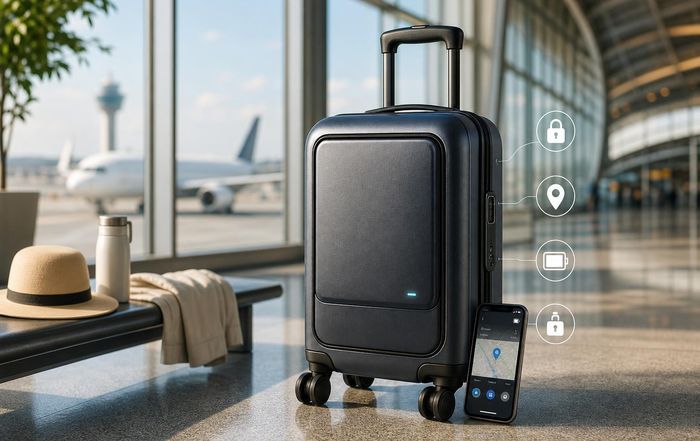
How Smart Luggage Features Can Improve Travel Convenience
Smart luggage has moved rapidly from novelty to near-essential companion for many modern travelers, reshaping expectations about what a suitcase can do and how it can support safer, smoother journeys. As digital tools become more deeply integrated into every stage of the travel experience, from planning on WorldWeTravel to check-in at the airport and arrival at a hotel, connected suitcases and travel accessories are quietly transforming the way people move around the world.
This evolution is not driven by gadgets for their own sake; it is driven by a growing demand for reliability, security, health-conscious mobility, and sustainability in an era of increasingly complex global travel. In this context, understanding how smart luggage features work, which innovations have proved genuinely useful, and how regulations and safety standards are evolving can help travelers make informed choices that enhance convenience rather than add unnecessary complexity.
The Evolution of Smart Luggage: From Power Banks to Connected Ecosystems
The earliest wave of smart luggage focused heavily on built-in batteries and charging ports, promising travelers the ability to power phones and laptops anywhere. Brands such as Bluesmart and Raden helped popularize the concept of app-connected suitcases that could be tracked, weighed, and sometimes locked remotely. However, regulatory changes about lithium-ion batteries in checked luggage, led by aviation bodies and airlines and documented by organizations such as the International Air Transport Association (IATA) and the U.S. Federal Aviation Administration (FAA), forced a rapid rethink of design priorities.
Many airlines introduced rules requiring removable batteries in smart luggage, and some early companies were unable to adapt, leading to high-profile exits from the market. The lesson for the industry was clear: innovation had to align closely with safety, regulation, and the real needs of travelers. Subsequent generations of smart luggage from brands such as Samsonite, Away, Horizn Studios, and others increasingly focused on modular, removable power systems, integrated location technologies, and more subtle yet powerful digital enhancements.
Today, smart luggage is less about a single feature and more about a connected ecosystem that interacts with airline systems, security processes, hotel experiences, and digital travel platforms such as WorldWeTravel's destination guides. Travelers expect their luggage to complement mobile boarding passes, biometric security gates, digital hotel keys, and even remote work setups, making the suitcase a mobile node in a broader travel technology network.
Location Tracking and Peace of Mind
One of the most transformative smart features for many travelers has been reliable location tracking. Lost or delayed baggage remains a significant pain point, and high-profile disruptions in global aviation over recent years highlighted how fragile baggage-handling systems can be. Smart luggage has responded with integrated or accessory-based tracking solutions that allow travelers to see where their bags are in near real time.
Some manufacturers offer built-in Bluetooth or GPS tracking modules, while many travelers now combine traditional luggage with small tracking devices such as Apple AirTag, Tile, or Samsung SmartTag, which leverage crowdsourced or network-based location services. According to technical overviews from Apple (AirTag overview) and Tile (Tile technology), these devices use a combination of low-energy Bluetooth and encrypted network relays to provide location updates without exposing personal data publicly.
This convergence means that even when airlines misroute a bag, the traveler may have independent confirmation of where it is, which can be especially reassuring on complex itineraries that cross multiple hubs in North America, Europe, or Asia. For families planning multi-stop holidays using resources like WorldWeTravel's family travel insights, the ability to track children's bags, strollers, or special medical equipment can significantly reduce anxiety.
Travelers should still understand that airline systems remain the official reference for baggage handling, and not all airports or airlines will act on third-party tracker data alone. However, in practice, many passengers have been able to use their own tracking information to advocate more effectively with airline staff and to decide whether to wait for a bag or arrange for delivery later. As more airports invest in digital baggage infrastructure, documented by organizations such as Airports Council International (ACI World), integration between personal trackers and official systems is expected to deepen, although the exact pace and form of that integration varies by region and carrier.
Integrated Scales and Smarter Packing
Overweight baggage fees can quickly erode the joy of a trip, especially for families or business travelers carrying equipment, samples, or gifts. Smart luggage with integrated digital scales offers a practical solution, allowing travelers to check weight before leaving home or hotel. Some models incorporate scales into the handle, providing a digital readout when the suitcase is lifted, while others use pressure sensors in the base.
Independent reviews from outlets such as Consumer Reports (travel gear testing) and Wirecutter by The New York Times (luggage reviews) note that while accuracy can vary slightly among brands, many integrated scales are sufficiently precise to keep travelers within airline limits when combined with a small safety margin. This can be particularly helpful on multi-country journeys where baggage allowances change between airlines or cabin classes, a common scenario for global itineraries highlighted on WorldWeTravel's global travel page.
Beyond weight, smart packing cubes and organizers with RFID-blocking pockets or small tracking tags are emerging, helping travelers maintain order and security within the suitcase itself. While these accessories may not be as transformative as core luggage features, they contribute to a holistic smart travel ecosystem where every item has its place and can be more easily located, which is especially valuable for parents traveling with young children or for professionals managing multiple devices.
Built-In Power: Charging with Safety and Compliance
Power is still one of the most sought-after smart luggage features, but the design philosophy has matured. Instead of permanently embedded batteries, many leading brands now offer removable power banks housed in dedicated compartments that comply with airline guidelines, allowing passengers to detach the battery and carry it into the cabin when checking the suitcase.
Guidance from the Transportation Security Administration (TSA) and national aviation authorities in Europe and Asia generally allows lithium-ion power banks in carry-on luggage within specified capacity limits, while restricting or prohibiting them in checked baggage. Smart luggage that respects these rules, with clear labeling and easy removal mechanisms, reduces the risk of last-minute check-in issues.
Travelers who rely on mobile boarding passes, digital maps, translation apps, and remote work tools-particularly those who follow WorldWeTravel's advice on blending work and travel-benefit from having a dedicated charging solution integrated into their luggage. USB-A and USB-C ports positioned on the exterior of the suitcase allow phones or tablets to be charged while resting on top of the bag, avoiding the need to sit on the floor near crowded airport outlets.
Health-conscious travelers should also consider that maintaining charged devices supports access to digital health records, vaccination documentation, and telehealth services during international trips, an area where resources from organizations such as the World Health Organization (WHO travel advice) and U.S. Centers for Disease Control and Prevention (CDC travel health) have become increasingly important.
Digital Locks, Biometric Access, and Security
Security remains a core concern for any traveler, and smart luggage has introduced new ways to safeguard belongings. Many smart suitcases now integrate TSA-approved combination locks that can be opened by security officers using master keys, reducing the risk of forced entry or damaged locks during screening. On top of this, some models offer app-controlled locking mechanisms, allowing travelers to lock or unlock their suitcase via Bluetooth and receive alerts if it is opened unexpectedly.
A smaller subset of premium products has experimented with biometric features, such as fingerprint sensors. While these can provide an added layer of personalization, independent security researchers and technology journalists at outlets like Wired (Wired security coverage) and The Verge (The Verge tech news) have noted that biometric systems in consumer luggage vary in robustness, and travelers should not rely on them as their sole defense for high-value items.
For most people, the most practical approach remains a combination of strong physical construction, TSA-compliant locks, and common-sense practices such as keeping valuables, medications, and critical documents in carry-on bags. Smart features can complement these habits with tamper alerts, location tracking, and digital access logs, providing additional reassurance without encouraging complacency.
Smart Luggage and the Family Travel Experience
Families traveling with children or elderly relatives often face more complex logistical challenges than solo travelers. Smart luggage can play a particularly supportive role in this context by simplifying coordination, reducing physical strain, and enhancing safety.
Lightweight, maneuverable suitcases with four double-spinner wheels and telescopic handles are now common, but when combined with integrated tracking and shared family access via mobile apps, they allow parents to monitor multiple bags simultaneously. For example, if one child's suitcase is accidentally left behind at a rest stop or gate, a quick glance at a tracking app can highlight which bag is missing and where it was last detected. This capability aligns closely with the family-focused guidance and destination ideas offered through WorldWeTravel's family travel section, where multi-generational trips and complex itineraries are common themes.
Some brands have also introduced ride-on or scooter-style smart luggage for children, designed to make long walks through airports more enjoyable. While these products can be engaging, parents are advised to prioritize safety, ensuring that any wheeled riding feature does not compromise stability or violate airport regulations. Independent safety information from organizations like Safe Kids Worldwide (child travel safety) can help families evaluate whether such innovations are appropriate for their situation.
For caregivers traveling with medical equipment, such as portable oxygen concentrators or specialized dietary supplies, smart luggage with organized compartments, clear labeling, and integrated tracking can reduce the risk of misplacement and facilitate smoother communication with airline and security staff.
Comfort, Health, and Wellbeing on the Move
Travel convenience is no longer measured only by speed and efficiency; health and wellbeing have become central considerations for many travelers. Smart luggage can support this shift in subtle but meaningful ways, complementing broader wellness-focused itineraries and retreats that platforms like WorldWeTravel's retreat section increasingly highlight.
Lightweight materials such as polycarbonate and advanced aluminum alloys, combined with ergonomic handles and balanced wheel systems, can reduce strain on joints and muscles, which is particularly important for older travelers or those with back issues. Some luggage designs incorporate adjustable handle heights and grip textures to support more natural posture, while travel health resources from bodies like the Mayo Clinic (travel health guidance) emphasize the importance of minimizing heavy lifting and awkward movements during long journeys.
Smart features also intersect with health through organizational tools that help travelers keep medications, supplements, and hygiene items accessible and protected. RFID-blocking pockets can safeguard digital health cards and identification documents, while dedicated compartments for reusable water bottles and snacks support hydration and nutrition on the go.
For those who integrate fitness into travel, whether on business trips or wellness retreats, smart luggage can accommodate compact exercise equipment, yoga mats, or wearables, making it easier to maintain routines that support physical and mental resilience. This holistic perspective aligns naturally with the health-focused content provided on WorldWeTravel's health page, where travel is treated as an opportunity to strengthen rather than undermine wellbeing.
Sustainability, Materials, and the Eco-Conscious Traveler
Environmental awareness is reshaping expectations across the travel industry, and smart luggage is no exception. Eco-conscious travelers are increasingly interested in how their suitcases are made, how long they last, and what happens at the end of their life cycle. Several manufacturers now highlight the use of recycled plastics, responsibly sourced aluminum, and repairable modular components, aiming to reduce waste and extend product lifespans.
Organizations such as the Ellen MacArthur Foundation (circular economy resources) and Sustainable Travel International (sustainable tourism initiatives) have documented the growing importance of circular design principles in consumer products, including travel gear. In luggage, this can translate into replaceable wheels, handles, and shells, as well as take-back or refurbishment programs that keep materials in circulation.
Smart features can support sustainability in less obvious ways as well. Integrated scales help travelers pack more efficiently, potentially reducing excess weight and associated fuel consumption across flights. Durable construction and updatable firmware, where applicable, can extend the functional life of a suitcase, reducing the need for frequent replacement. Travelers who consult WorldWeTravel's eco-focused content often seek to align their choice of luggage with broader responsible travel practices, including selecting airlines, accommodations, and activities that demonstrate credible sustainability commitments.
It is important to note that not all "eco" claims are equally substantiated. Independent certifications, such as bluesign (bluesign system) for textiles or B Corp status (B Lab Global), can provide additional assurance that environmental and social impacts have been evaluated according to transparent standards, although not all reputable luggage brands pursue these labels.
Smart Luggage for Business and Hybrid Work Travelers
The rise of remote and hybrid work has blurred the lines between business and leisure travel, creating new expectations for luggage that can support productivity on the move. Professionals now often travel with multiple devices, secure documents, and work tools, requiring smart organization and protection that go beyond simple clothing compartments.
Many business-focused suitcases incorporate padded laptop sleeves, quick-access front pockets for cables and chargers, and integrated power solutions that allow travelers to work comfortably in airport lounges, hotels, or co-working spaces. Some models synchronize with mobile apps to provide travel itineraries, gate updates, and packing checklists, complementing the business travel and work-related guidance available on WorldWeTravel's business page and work-focused resources.
Security is especially critical for business travelers carrying sensitive data. RFID-blocking compartments, robust zippers, and reinforced shells help protect physical devices, while digital tracking and app-based alerts can reduce the risk of theft or loss. However, experts in corporate cybersecurity, including those at ENISA (European Union Agency for Cybersecurity) and NIST (National Institute of Standards and Technology), emphasize that smart luggage should be seen as one layer in a broader security strategy that includes device encryption, strong authentication, and careful handling of confidential information.
As more companies formalize policies around "bleisure" travel and remote work trips, employees are encouraged to choose luggage that balances professional appearance, durability, and smart functionality. Platforms like WorldWeTravel's travel hub increasingly showcase destinations and itineraries that support this blended lifestyle, where a well-designed suitcase becomes a mobile office as much as a clothing container.
Regional Regulations, Airline Policies, and Traveler Responsibility
Smart luggage exists within a complex framework of regulations and policies that vary across regions and carriers. Aviation authorities in the United States, Europe, and Asia generally share similar concerns about lithium-ion batteries and wireless devices in checked baggage, but specific rules can differ in detail and enforcement. Reliable information from bodies such as the European Union Aviation Safety Agency (EASA) and national regulators in countries like the United Kingdom, Canada, Australia, and Singapore helps clarify what is permitted.
Airlines publish their own guidelines on smart luggage, often requiring that batteries be removable and carried in the cabin, and in some cases specifying maximum battery capacities. Major carriers in North America, Europe, and Asia typically list these conditions on their websites, and travelers are advised to confirm them before departure, particularly when flying with smaller regional airlines or low-cost carriers that may apply stricter interpretations.
Smart luggage manufacturers have become more proactive in designing products that comply with these frameworks, but ultimate responsibility still rests with the traveler. Before investing in a suitcase, it is wise to review independent advice from consumer advocacy organizations such as Which? (Which? travel advice) in the United Kingdom or Choice (Choice travel reviews) in Australia, alongside the airline and airport information for frequently used routes. Travelers who consult WorldWeTravel's tips section will find that preparation and awareness are consistently emphasized as the foundation of smooth journeys.
Choosing the Right Smart Luggage: Practical Considerations
With an expanding array of options, choosing the right smart suitcase involves balancing features, durability, style, and budget against personal travel patterns. Frequent flyers may prioritize robust construction, quiet wheels, integrated tracking, and removable power, while occasional vacationers might focus on value, ease of use, and compatibility with family needs. Hotel-focused travelers who rely on curated stays, such as those featured on WorldWeTravel's hotels page, may appreciate luggage that fits overhead bins in regional aircraft, navigates narrow European streets, or withstands varied climates.
Independent testing and reviews from sources like Travel + Leisure (travel gear reviews) and Lonely Planet (travel tips and gear) can help identify models that perform well under real-world conditions across continents. Travelers should also consider warranty terms and availability of repairs, as smart features are only as convenient as their long-term reliability allows.
It is equally important to evaluate whether each smart feature genuinely addresses a personal need. A built-in scale, for example, is invaluable to some but unnecessary for those who consistently travel light. App-based locking and tracking can be powerful tools, but they rely on compatible smartphones and regular software updates. For many, combining a high-quality conventional suitcase with external smart accessories, such as trackers and power banks, offers a flexible and cost-effective alternative.
Smart Luggage as Part of a Holistic Travel Experience
Smart luggage is most powerful when viewed not as an isolated gadget but as one element in a broader, thoughtfully designed travel experience. Top sites such as this, through some awesome educational content, are increasingly curating guidance that connects destinations, culture, eco-conscious choices, family needs, and technology into cohesive itineraries that reflect how people actually move through the world.
From the perspective of a traveler planning a multi-city journey across Europe, North America, or Asia, the suitcase becomes a constant companion that must adapt to varying airport layouts, train systems, hotel room sizes, and local customs. Smart features like tracking, integrated power, digital locks, and sustainable materials can meaningfully improve this experience when they are aligned with clear priorities: safety, reliability, comfort, and respect for the environments and communities visited.
As innovations continue to emerge, from more advanced sensors to deeper integration with airline and hotel systems, the core question remains the same: does this technology make travel more human, more connected, and more enriching? For travelers who approach smart luggage with informed discernment, supported by trustworthy resources and transparent information, the answer is increasingly yes. In that sense, the smart suitcase is not just a container for belongings but a symbol of a more intelligent, considerate, and inspiring way to explore the world, one journey at a time.