

Family Boat Travel: How Families Navigate Connection, Comfort, and Discovery on the Water
A Mature Era for Family Boat Travel
Family travel on the water has moved from an emerging trend to a mature, strategically important segment of the global tourism industry, reshaping how families think about vacations, work-life balance, and long-term memories. What began as a post-pandemic pivot toward smaller ships, river cruises, and yacht charters has evolved into a sophisticated ecosystem of ocean cruises, expedition vessels, riverboats, houseboats, and private yachts, each designed to meet the expectations of families who now demand comfort, personalization, digital connectivity, and responsible travel in equal measure. For the community that turns to worldwetravel.com for informed, experience-driven insight, this evolution is more than a passing fad; it reflects a structural change in how families in the United States, United Kingdom, Germany, Canada, Australia, France, Italy, Spain, Netherlands, Switzerland, China, Sweden, Norway, Singapore, Denmark, South Korea, Japan, Thailand, Finland, South Africa, Brazil, Malaysia, and New Zealand integrate travel into their broader life and work strategies.
Families who once defaulted to resort stays or city breaks are now viewing the water as a flexible platform for multi-generational connection, education, and wellbeing. A single itinerary might combine a week of Mediterranean island-hopping on a catamaran with a few days in a European capital, or link a river cruise along the Rhine with extended time in cultural hubs such as Amsterdam or Basel. Readers exploring global travel perspectives on worldwetravel.com increasingly see boat-based journeys not as isolated trips but as core components of a multi-year family travel plan, aligned with school calendars, remote work arrangements, and long-term financial goals.
Why Water-Based Journeys Appeal to Modern Families
The enduring appeal of family boat travel in 2026 is rooted in its ability to reconcile competing priorities that define modern family life. Families want novelty and discovery, yet they also need predictability and safety; they value time together, but they must accommodate individual routines, work commitments, and differing energy levels. A well-chosen vessel functions as a "floating basecamp," allowing families to unpack once while exploring multiple destinations, and to experience a sense of adventure without sacrificing structure or comfort.
Economic and behavioral data reinforce this shift. Analyses from organizations such as the OECD and World Travel & Tourism Council (WTTC) show that households in advanced and emerging economies continue to prioritize experiential spending over material purchases, even amid inflationary pressures and shifting currency dynamics. Families who study broader tourism and economic trends are discovering that boat-based itineraries often simplify logistics and costs, consolidating transportation, accommodation, and many activities into a single, predictable framework. For readers who rely on strategic travel planning resources, this consolidation is particularly attractive when coordinating multiple generations or navigating complex visa and entry requirements across Europe, Asia, North America, Africa, and South America.
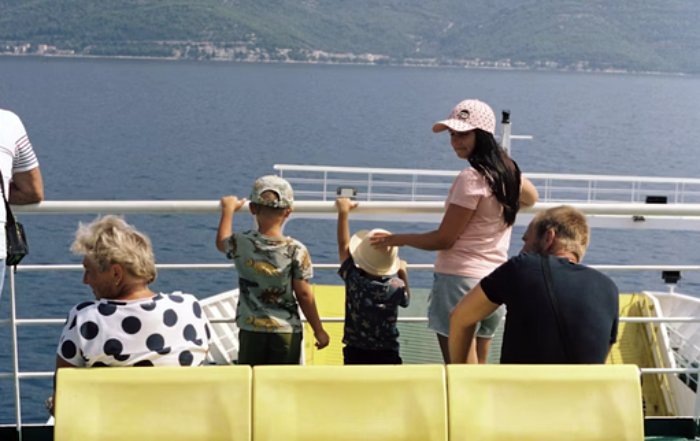
Beyond convenience, there is a deeper psychological component. The rhythm of life on the water-sunrises on deck, shared meals in the same dining space, gentle transitions between ports-creates a natural cadence for conversation and connection that many families struggle to achieve in their daily lives. Parents and grandparents report that children who might be distracted or disengaged at home are more present and curious at sea, whether they are watching dolphins off the bow, tracing routes on a chart, or listening to stories about the history of a port they are about to visit.
A Spectrum of Family Boat Experiences Across Regions
By 2026, the range of family-oriented boat experiences has expanded so dramatically that the term "family cruise" no longer adequately describes the market. Large ocean cruises remain a cornerstone, with global operators such as Royal Caribbean Group, Disney Cruise Line, and MSC Cruises continuing to invest in family-focused amenities, entertainment, and childcare. These ships, often sailing in the Caribbean, Mediterranean, Alaska, Asia-Pacific, and around the coasts of North America and Europe, function as full-scale resorts at sea, featuring water parks, immersive theater productions, STEM labs, and structured activities that allow children and teenagers to socialize while adults enjoy dedicated spaces for relaxation or work. Families who want to understand industry standards, capacity trends, and destination developments frequently consult resources from Cruise Lines International Association (CLIA) and then turn to destination overviews on worldwetravel.com to match specific itineraries with their interests.
River cruises, once seen primarily as products for older travelers, have been reimagined for multi-generational groups. Companies such as Viking, AmaWaterways, and Uniworld have expanded family-friendly sailings on the Danube, Rhine, Douro, Seine, and Rhône, as well as on the Mekong and Yangtze in Asia, offering shore excursions to castles, museums, markets, and vineyards with flexible pacing and educational content. For families in Germany, France, Netherlands, Switzerland, and the United Kingdom, these routes provide an accessible way to explore cultural heritage and contemporary urban life without the stress of multiple hotel changes. Parents who value cultural depth often cross-reference operator offerings with culture-focused insights to ensure that itineraries support their educational aims for children and teenagers.
Yacht and catamaran charters have grown particularly rapidly in regions such as Greece, Croatia, Italy, Spain, Turkey, Thailand, Indonesia, and island destinations in the South Pacific and Caribbean. Platforms like The Moorings, Sunsail, and a growing number of regional operators now provide crewed and bareboat options tailored to families, with flexible itineraries that can emphasize secluded bays, coastal villages, snorkeling reefs, or historic ports. Safety and training have become central differentiators, with many families consulting the Royal Yachting Association (RYA) and similar bodies to understand certification pathways and best practices before committing to independent sailing. Readers who use worldwetravel.com's travel planning content increasingly view these charters as opportunities to blend adventure with privacy, away from the crowds of major cruise terminals.
In North America, houseboat vacations on lakes and rivers in the United States and Canada have seen renewed interest among families seeking a hybrid of boating and lakeside living. Destinations such as Lake Powell, Lake Mead, and the St. Croix River in the U.S., or the Rideau Canal and Trent-Severn Waterway in Canada, offer environments where a houseboat becomes both transport and accommodation, enabling easy access to hiking, fishing, and stargazing. Guidance from organizations like the National Park Service and Parks Canada helps families navigate regulations and environmental considerations, while readers often rely on practical tips and checklists to prepare for variable weather, provisioning, and safety procedures in relatively remote settings.
Designing Thoughtful Multi-Generational Journeys
The continued rise of multi-generational travel is reshaping how vessels are designed and how itineraries are curated. Families increasingly travel with three or even four generations, including grandparents, parents, young children, and sometimes adult siblings or close friends. This diversity of ages and abilities requires a nuanced approach to cabin configuration, onboard programming, and shore excursion planning. On larger ships, designers have introduced family suites with separate sleeping areas, interconnecting cabins, and adaptable spaces that can serve as playrooms or quiet work areas. Cruise lines have expanded kids' clubs into multi-zone complexes segmented by age, while also adding teen lounges, adult-only retreats, and wellness areas that cater to different preferences within the same group.
On smaller ships and private charters, personalization has become the primary lever for serving multi-generational groups. Captains and crews are increasingly trained to adapt routes and daily schedules, adjusting sailing times, anchorage choices, and activity intensity to accommodate nap schedules, mobility considerations, and varied appetites for adventure. International organizations such as UNWTO (United Nations World Tourism Organization) and UNICEF have continued to emphasize inclusive tourism, and these principles are now visible in the design of accessible gangways, elevator systems on newer river vessels, and flexible excursion options that allow family members to choose between more demanding hikes, cultural tours, or relaxed panoramic drives.
For decision-makers within the family, the challenge lies in aligning these options with work responsibilities and financial constraints. Many parents and caregivers now operate in hybrid or fully remote roles, making it technically possible to join longer voyages while maintaining some level of professional engagement. Readers who follow work and business-travel analysis on worldwetravel.com are increasingly strategic about this, selecting itineraries with reliable connectivity and structured quiet times so that work does not undermine the core purpose of the trip, which is to deepen family bonds and shared experiences.
Connectivity, Technology, and the Rise of the Floating Workation
By 2026, connectivity at sea is no longer a luxury reserved for premium cabins; it is an expectation, particularly for families who must coordinate with schools, employers, and extended relatives across time zones. Advances in satellite internet, including maritime deployments by Starlink and other providers, have driven a step-change in coverage and bandwidth, making video conferencing, cloud-based work, and streaming increasingly feasible even on open ocean routes. Large cruise lines have responded by creating dedicated co-working lounges, soundproof meeting pods, and tiered internet packages, while yacht charter companies and expedition operators have upgraded routers, antennas, and network management systems to attract clients who cannot fully disconnect.
For readers exploring technology in travel, the question is no longer whether connectivity is available but how it is managed and priced, and how it fits into the broader philosophy of the trip. Some families deliberately choose itineraries with limited coverage-such as remote segments in Alaska, Greenland, or the South Pacific-to create intentional digital boundaries, while others select routes along heavily trafficked corridors where connectivity is stronger. In both cases, transparency from operators about realistic speeds, coverage gaps, and cybersecurity practices has become a key trust factor.
Technology also underpins safety and operational reliability. Systems such as AIS (Automatic Identification System), ECDIS electronic charting, and advanced weather routing tools are now standard on reputable vessels, enabling captains to optimize routes for comfort and fuel efficiency while avoiding severe weather. Data from organizations like NOAA and the Copernicus Marine Service inform decisions about sea states, currents, and ice conditions, particularly in polar and high-latitude regions. Families who take the time to understand these systems, often guided by explanatory content on operator websites or independent sources such as the International Maritime Organization (IMO), tend to feel more confident about the risks they are assuming and more appreciative of the expertise required to deliver a smooth voyage.
Health, Safety, and Wellbeing in a Post-Crisis World
Health and safety remain central concerns for families planning boat-based travel in 2026, even as memories of earlier global health crises recede. Major cruise lines, river operators, and expedition companies have institutionalized many of the protocols developed in the early 2020s, integrating enhanced sanitation, upgraded ventilation, and more robust onboard medical capabilities into standard operating procedures. Guidance from bodies such as the World Health Organization (WHO) and U.S. Centers for Disease Control and Prevention (CDC) continues to inform best practices, though implementation now tends to be more seamless and less visible to guests than in the immediate aftermath of the pandemic.
Families evaluating options increasingly look for transparent communication about medical staffing, emergency response capabilities, and partnerships with shore-side hospitals, particularly when traveling with elderly relatives, infants, or individuals with chronic conditions. They also pay attention to cancellation policies, insurance requirements, and contingency plans for itinerary changes due to health-related or environmental factors. Readers who consult health and wellbeing coverage on worldwetravel.com often seek practical guidance on topics such as minimizing seasickness, managing sleep across time zones, maintaining exercise routines on board, and balancing indulgent dining with nutritional needs.
Beyond physical health, the wellbeing benefits of time on the water are increasingly recognized by families and health professionals alike. Research from institutions such as Harvard Medical School and Mayo Clinic has highlighted the positive effects of nature exposure, blue spaces, and time away from constant digital stimuli on stress levels, mood, and cognitive function. Families report that structured routines at sea-shared breakfasts, daily briefings on upcoming ports, evening reflections on deck-create opportunities for meaningful conversation and emotional connection that are difficult to replicate in more fragmented, land-based itineraries.
Sustainability and Eco-Conscious Family Voyages
Sustainability has moved to the center of decision-making for a growing share of family travelers, especially in markets such as Scandinavia, Germany, Netherlands, United Kingdom, Canada, and Australia, where environmental awareness is strongly embedded in public policy and consumer behavior. Families increasingly recognize that maritime tourism, if poorly managed, can contribute to emissions, marine pollution, and pressure on coastal communities. As a result, they are asking more detailed questions about fuel types, waste management systems, shore power usage, and partnerships with conservation organizations.
Cruise lines and expedition operators have responded with investments in cleaner technologies, including LNG propulsion, hybrid and battery-assisted systems, advanced wastewater treatment, and hull designs that reduce drag and fuel consumption. Many now publish sustainability reports aligned with frameworks promoted by bodies such as the UN Environment Programme (UNEP) and the Global Sustainable Tourism Council (GSTC), outlining targets for emissions reduction, biodiversity protection, and community engagement. Families who want to delve deeper into these issues often explore resources from organizations like WWF and Ocean Conservancy, and then cross-reference that knowledge with eco-travel guidance on worldwetravel.com to identify operators whose actions match their rhetoric.
For children and teenagers, eco-focused voyages can be transformative. Expedition companies in regions such as Antarctica, Arctic Norway, Svalbard, Greenland, and the Galápagos increasingly employ onboard scientists, naturalists, and educators who lead workshops on climate change, marine ecology, and local cultures. Shore excursions might include citizen science projects, beach cleanups, or visits to research stations. Families who prioritize this type of learning often plan multi-year sequences of trips, gradually exposing children to different ecosystems and conservation challenges, and using content from worldwetravel.com's destination and eco sections as a framework for long-term educational goals.
Cultural Immersion from Port to Port
One of the enduring strengths of boat-based travel is its ability to link diverse cultures and regions within a single, coherent journey. Ports of call in Italy, Spain, France, Greece, Turkey, Japan, South Korea, Thailand, Singapore, Brazil, South Africa, and coastal hubs across Europe, Asia, Africa, and South America serve as gateways to local food, music, architecture, and history. When thoughtfully curated, these stops become chapters in a narrative that families can follow over the course of a voyage, rather than isolated tourist experiences.
National tourism boards and cultural organizations, including VisitBritain, Atout France, Tourism Australia, Japan National Tourism Organization (JNTO), and Singapore Tourism Board, collaborate with cruise and river operators to design shore excursions that highlight both heritage and contemporary life, from indigenous-led experiences in New Zealand and Canada to modern art districts in Berlin, Amsterdam, and Melbourne. Families who value depth over breadth often use culture and destination content on worldwetravel.com to identify itineraries that align with their interests, whether that means culinary tours in Tuscany, design-focused walks in Copenhagen, or music and dance experiences in Rio de Janeiro and Cape Town.
For children and teenagers, these encounters can anchor academic concepts in lived experience. Lessons about European history become more tangible after walking through medieval ports along the Baltic; discussions about trade and globalization gain context after visiting container terminals in Singapore or historic markets in Bangkok; conversations about colonialism and reconciliation take on new meaning after engaging with local guides in South Africa or Canada. Families who approach these experiences with curiosity and humility often find that boat-based travel fosters not only enjoyment but also empathy and global awareness.
Economic and Business Dimensions Behind the Experience
Behind the scenes of every family voyage lies a complex economic network that spans shipyards in Germany, Finland, and South Korea, port authorities in Singapore, Netherlands, and United States, hospitality providers in cities such as Miami, Barcelona, Sydney, and Singapore, and thousands of small businesses in coastal towns around the world. Maritime tourism contributes significantly to national and local economies, as documented by entities such as the World Bank and WTTC, but it also raises questions about equitable distribution of benefits, infrastructure capacity, and resilience in the face of climate and geopolitical risks.
Families who follow business and economy coverage on worldwetravel.com are increasingly aware of these dynamics and are choosing operators that demonstrate responsible engagement with local stakeholders. This might include sourcing food and services locally, staggering arrival times to avoid overwhelming small ports, supporting community-led tourism initiatives, and contributing to destination management funds. In regions such as the Mediterranean, Caribbean, and Southeast Asia, where over-tourism has become a pressing concern, these practices can make a tangible difference in how residents perceive and experience visiting ships.
From a corporate perspective, the family segment has become a driver of innovation in product development, pricing, and partnerships. Cruise lines and charter companies are experimenting with dynamic pricing models, off-peak family incentives, and bundled packages that combine sea and land components, including wellness retreats, educational programs, and urban extensions. Travel advisors and digital platforms are leveraging data analytics and customer feedback to refine recommendations, while insurers and regulators adapt frameworks to address evolving risk profiles. The organizations that succeed in this environment tend to be those that combine operational excellence with transparent communication, long-term investment in sustainability, and a clear understanding of family decision-making processes.
Practical Planning and Expert Guidance for Families
For families, translating aspiration into a successful boat journey requires structured planning and informed choices. Key considerations include selecting the right vessel size and type, understanding cabin layouts, assessing accessibility, evaluating medical facilities, and aligning the itinerary with school calendars, work obligations, and budget constraints. Weather patterns and seasonality play a critical role, especially in regions such as Alaska, the Baltic, Antarctica, and monsoon-affected parts of Asia, where sailing windows are limited and demand can be intense.
Industry experts generally recommend that families begin planning major voyages six to twelve months in advance, and even earlier for peak-season sailings in popular regions like the Mediterranean, Caribbean, and Norwegian fjords. Many families start with expert tips and planning frameworks, using checklists to clarify priorities: the balance between onboard days and shore time, the level of formality desired, dietary and medical requirements, children's ages and interests, and tolerance for sea conditions. From there, they may consult specialist travel advisors or use trusted online platforms to compare operators and itineraries.
Regulatory and safety frameworks provide an additional layer of assurance. Bodies such as the International Maritime Organization (IMO) and national maritime authorities set standards for vessel construction, crew training, and environmental compliance, while consumer protection agencies and insurance providers define recourse in the event of cancellations or disruptions. Families who invest time in understanding these frameworks are better equipped to distinguish between reputable operators and those that rely on aggressive marketing without robust operational backing.
How worldwetravel.com Curates Trustworthy Family Boat Experiences
Within this increasingly complex landscape, worldwetravel.com has positioned itself as a trusted, experience-led resource for families who want to navigate the world of boat travel with confidence. The platform's editorial and research teams draw on a combination of on-the-ground reporting, expert interviews, data analysis, and traveler feedback to evaluate itineraries, operators, and emerging destinations through a lens that emphasizes Experience, Expertise, Authoritativeness, and Trustworthiness. For families, this means that recommendations are not based solely on promotional materials or short-term trends, but on a holistic understanding of safety records, sustainability practices, cultural sensitivity, and long-term value.
Dedicated sections on family travel, business and corporate travel, hotel and accommodation insights, and global travel trends enable readers to situate boat journeys within broader travel strategies that might include remote work, educational sabbaticals, wellness retreats, or multi-country itineraries. Coverage of technology, health, eco-tourism, and work-life integration provides additional context, helping families evaluate whether a given experience aligns with their values, risk tolerance, and aspirations.
For the audience of worldwetravel.com, this personalized, analytical approach is critical. Families are not simply buying a cruise or a charter; they are making decisions that will shape their children's understanding of the world, influence intergenerational relationships, and impact the communities and ecosystems they visit. By offering nuanced guidance rather than generic lists, worldwetravel.com aims to support families in making choices that are both emotionally rewarding and ethically grounded.
Looking Ahead: The Future of Family Travel on the Water
As 2026 progresses, several forces will continue to shape the future of family boat travel: technological innovation, evolving work models, demographic change, and the accelerating urgency of climate and biodiversity challenges. Advances in propulsion systems, alternative fuels, and ship design are expected to reduce emissions and noise, opening the door to more stringent regulations in sensitive areas such as the Arctic, Antarctica, and coral reef regions. Digital tools will further personalize the journey, enabling families to adjust dining, activities, and even elements of itineraries through real-time apps, while also providing more transparency around environmental impact and community engagement.
Remote and hybrid work patterns are likely to persist, making longer, shoulder-season voyages more feasible for families who can blend work and leisure without being tied to traditional vacation windows. At the same time, generational shifts will bring new expectations: younger parents who grew up with digital devices and climate activism will demand both seamless connectivity and credible sustainability, while grandparents may place increasing value on comfort, accessibility, and medical security. Operators that can balance these demands-integrating work and rest, learning and play, individual needs and collective goals-will be best positioned to earn long-term loyalty.
For families across North America, Europe, Asia, Africa, and South America, the water will remain a powerful medium for shared discovery. Whether sailing past glaciers in Norway, exploring island cultures in Japan and Thailand, tracing history along the rivers of Germany and France, or watching wildlife off the coasts of South Africa and Brazil, boat-based journeys offer a rare combination of structure and freedom. As they plan these experiences, more families will rely on platforms like worldwetravel.com to provide the expert context, critical perspective, and trustworthy recommendations needed to transform aspirations into safe, enriching, and responsible realities on the water, ensuring that the oceans and rivers that carry them remain vibrant for the generations yet to sail.