

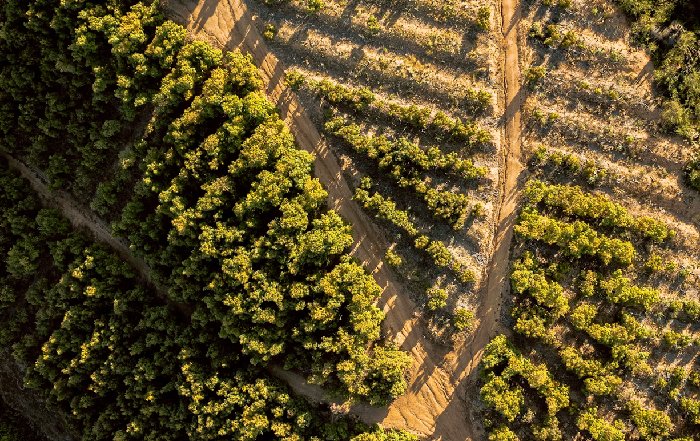
Exploring the Vineyards of Chile: A Guide for the Global Business and Leisure Traveler
Chile's Wine Country in a Changing World
Chile stands at a pivotal moment in the global wine landscape, combining centuries of viticultural heritage with cutting-edge innovation, climate adaptation and a sharpened focus on sustainability. For the internationally minded audience here, Chile's vineyards offer far more than wine tasting; they present a living case study in how a country can leverage geography, technology and culture to build a globally respected industry that attracts business travelers, families, wellness seekers and eco-conscious visitors alike. As international tourism recovers and reshapes after a volatile first half of the decade, Chile's wine valleys have become a focal point for travelers from the United States, United Kingdom, Germany, Canada, Australia, France, Italy, Spain, the Netherlands, Switzerland, China, Japan, South Korea, Singapore and beyond, seeking both high-value experiences and trustworthy partners in hospitality, trade and investment.
Chile's unique geography, flanked by the Andes to the east and the Pacific Ocean to the west, creates a natural laboratory for viticulture, with protected valleys, diverse microclimates and long growing seasons that have attracted the attention of leading institutions such as the International Organisation of Vine and Wine (OIV) and global wine education bodies. Those exploring the country's vineyards today are not only tasting Cabernet Sauvignon or Carmenère; they are encountering a sophisticated ecosystem of family-owned estates, multinational wine groups, boutique hotels, technology startups and sustainability pioneers who together demonstrate how a wine destination can compete on quality, resilience and authenticity. For travelers planning an itinerary, the dedicated destinations section at WorldWeTravel Destinations provides a gateway to understanding how Chile's wine regions fit into broader journeys across South America, North America, Europe, Asia and Africa.
From Old Vines to New Economies: Chile's Wine Evolution
Chile's wine story stretches back to the 16th century, when Spanish settlers introduced vines to the Central Valley, but its modern reputation has been forged over the past fifty years through targeted investment, scientific research and an export-oriented mindset. The liberalization of the Chilean economy in the late twentieth century, documented by organizations such as the World Bank, opened the door for partnerships between local producers and international investors, which in turn accelerated improvements in vineyard management, cellar technology and quality control. As a result, regions like the Maipo Valley, Colchagua, Casablanca, Aconcagua and Maule moved from relative obscurity to prominent positions on wine lists from New York and London to Tokyo and Sydney.
This transformation has been underpinned by a strong focus on expertise and research, with institutions such as the Pontificia Universidad Católica de Chile and the Universidad de Chile working closely with producers to refine clonal selection, irrigation strategies and disease management. International certifications from bodies like Wine & Spirit Education Trust (WSET) and the Court of Master Sommeliers have further reinforced Chile's reputation for technical competence and consistency, making the country an attractive partner for importers and distributors in Europe, Asia and North America. Business travelers visiting the vineyards increasingly combine tastings with meetings on export strategy, logistics and branding, often using resources like WorldWeTravel Business Travel to integrate winery visits into broader commercial itineraries across Santiago, Valparaíso and regional hubs.
Key Wine Regions: A Geographic and Strategic Overview
Chile's wine map stretches for more than a thousand kilometers from north to south, offering a remarkable diversity of terroirs that appeal to connoisseurs and casual travelers alike. Near Santiago, the Maipo Valley remains the historical heart of Chilean Cabernet Sauvignon, home to renowned producers such as Concha y Toro, Santa Rita and Cousiño Macul, whose estates illustrate how heritage brands can balance tradition with modern visitor experiences. Further south, the Colchagua Valley has become synonymous with premium red blends and wine tourism infrastructure, with properties offering integrated hotel, spa and culinary experiences that rival those in Napa Valley or Bordeaux. To the west, the Casablanca and San Antonio valleys, influenced by cool Pacific breezes, have emerged as leaders in Chardonnay, Sauvignon Blanc and Pinot Noir, attracting wine lovers who also appreciate coastal gastronomy and proximity to the cultural attractions of Valparaíso and Viña del Mar.
In recent years, attention has also turned to emerging or rediscovered regions such as Itata, Bío-Bío and Malleco, where old, dry-farmed bush vines of País, Cinsault and Carignan are being vinified with renewed respect, often by small, quality-driven producers. These areas speak to a global trend, noted by publications like Decanter and Wine Spectator, toward authenticity, lower intervention winemaking and a celebration of local heritage grapes. For travelers designing multi-region itineraries, the integrated travel resources at WorldWeTravel Travel help align domestic flights, road journeys and rail options with seasonal conditions and regional events, ensuring that visits to these varied valleys are both efficient and rewarding.
Business Travel, Trade and High-Level Hospitality
For corporate travelers, Chile's vineyards offer a compelling environment for executive retreats, incentive trips, client entertainment and sector-specific conferences. Many leading wineries have invested heavily in infrastructure that caters to international standards of business hospitality, including high-speed connectivity, multilingual staff, modern conference rooms and curated programs that blend strategic meetings with immersive cultural experiences. Estates in Maipo and Colchagua often host leadership teams from multinational firms based in New York, London, Frankfurt, Toronto, Melbourne, Singapore and Seoul, who value the combination of privacy, scenic beauty and world-class gastronomy. Global organizations such as the World Travel & Tourism Council (WTTC) have highlighted Chile as a regional leader in integrating business and leisure travel, a trend that aligns with the rise of "bleisure" and remote-work-enabled mobility.
The logistics of organizing such trips have been simplified by Chile's stable financial system, transparent business environment and strong air connectivity, with Santiago International Airport serving as a hub for flights from North America, Europe and other parts of Latin America. Companies planning cross-border meetings often consult resources from the OECD and International Chamber of Commerce (ICC) to understand regulatory frameworks, trade agreements and intellectual property considerations relevant to the wine sector and associated industries. For those coordinating these journeys, the curated guidance at WorldWeTravel Work & Travel provides practical advice on combining vineyard visits with urban meetings, regional site inspections and cross-country itineraries, while maintaining productivity and compliance with corporate travel policies.
Hotels, Boutique Stays and Vineyard Retreats
The accommodation landscape in Chile's wine regions has matured significantly, offering a spectrum that ranges from luxury vineyard resorts and design-driven boutique hotels to charming rural guesthouses and eco-lodges. In Colchagua, properties such as Lapostolle Residence and Clos Apalta Residence demonstrate how integrated hospitality can create high-value experiences that appeal to discerning travelers from Switzerland, Norway, Sweden and Japan, who often seek privacy, personalized service and access to top-tier wines. In Casablanca and San Antonio, coastal proximity allows visitors to alternate between vineyard stays and seaside hotels, supporting flexible itineraries that combine wine, gastronomy and maritime recreation.
International hotel groups, including Marriott International, Accor, Hyatt and Hilton, have also expanded their presence in Santiago and key regional centers, providing reliable bases for travelers who prefer familiar brands and loyalty programs while making day trips to nearby valleys. These developments are closely monitored by analysts at organizations such as STR and the World Tourism Organization (UNWTO), which track occupancy rates, investment flows and evolving traveler preferences. For visitors comparing options, WorldWeTravel Hotels offers region-specific insights that help match accommodation types with the purpose of travel, whether it is a family vacation, a corporate offsite, a romantic retreat or a wellness-focused escape.
Sustainability, Eco-Tourism and Climate Resilience
As climate change reshapes winegrowing conditions worldwide, Chile has emerged as a leader in sustainable viticulture and eco-tourism, leveraging its natural advantages and regulatory frameworks to build long-term resilience. Many wineries are certified under the Sustainability Code of the Chilean Wine Industry, a program aligned with best practices promoted by organizations such as the United Nations Environment Programme (UNEP) and the Global Sustainable Tourism Council (GSTC). These certifications cover environmental management, social responsibility and economic viability, encouraging producers to reduce water consumption, manage biodiversity corridors, invest in renewable energy and foster fair labor practices. Travelers who prioritize responsible tourism can explore these initiatives in depth and learn more about sustainable business practices that underpin Chile's wine sector.
Eco-conscious visitors increasingly seek experiences that go beyond traditional tastings, preferring vineyard walks that highlight native flora and fauna, visits to organic and biodynamic plots, and educational sessions on soil health, carbon sequestration and regenerative agriculture. Producers in regions such as Itata and Maule have become case studies in dry-farming and low-input viticulture, attracting the attention of researchers from institutions like the Food and Agriculture Organization (FAO) and climate scientists studying adaptation strategies in Mediterranean-type climates. For travelers designing itineraries around sustainability, WorldWeTravel Eco Travel offers curated routes and guidance on selecting operators and accommodations that align with rigorous environmental and social standards.
Technology, Innovation and the Future of Chilean Wine
Chile's wine industry has embraced technology not only in the vineyard and cellar but also across logistics, marketing and visitor engagement, making it an instructive example for business and technology leaders from Silicon Valley, Berlin, London, Toronto, Seoul and Shenzhen. Precision viticulture tools, including satellite imagery, drone-based monitoring and sensor-driven irrigation systems, are now common in many leading estates, helping producers optimize yields, manage disease pressure and respond to microclimatic variations. These innovations are often developed in collaboration with Chile's growing tech ecosystem and supported by agencies such as CORFO, which promote research and development in agritech and export-oriented innovation.
On the commercial side, wineries have integrated advanced e-commerce platforms, data analytics and digital storytelling to reach consumers in over 150 markets, responding to evolving preferences in key countries such as the United States, United Kingdom, China and Brazil. The adoption of blockchain-based traceability tools, championed by some forward-thinking producers, has added new layers of transparency to supply chains, enabling importers and consumers to verify provenance, sustainability credentials and quality assurances. Business and technology travelers interested in these developments can explore related insights at WorldWeTravel Technology, where Chile's vineyards often feature as case studies in the broader digital transformation of the global food and beverage sector.
Health, Wellness and the Vineyard Lifestyle
The intersection of wine, health and wellness has become an increasingly nuanced topic, particularly as global public health agencies such as the World Health Organization (WHO) and national regulators in Canada, Australia and European Union member states refine guidelines on alcohol consumption. In this context, Chile's wine regions have diversified their offerings to appeal to travelers seeking balanced lifestyles, integrating vineyard experiences with spa treatments, yoga sessions, meditation retreats and outdoor activities such as hiking, cycling and horseback riding. Many estates now emphasize moderate, mindful tasting, high-quality local cuisine based on fresh produce and olive oil, and opportunities for physical activity in the surrounding landscapes.
Wellness retreats in Colchagua, Casablanca and the southern valleys increasingly collaborate with nutritionists, fitness experts and mental health professionals to design programs that align with contemporary understandings of holistic health. These initiatives resonate with travelers from Scandinavia, Japan, Singapore and New Zealand, where wellness tourism is particularly advanced and expectations for evidence-based, professionally managed experiences are high. Readers seeking to combine vineyard visits with broader health and wellness goals can explore thematic itineraries at WorldWeTravel Health & Wellness and WorldWeTravel Retreats, which highlight destinations and partners that prioritize both enjoyment and long-term wellbeing.
Family Travel and Cultural Immersion in Wine Country
Despite the association of vineyards with adult-focused experiences, Chile's wine regions have increasingly positioned themselves as destinations suitable for families, offering activities that engage children and teens while giving adults space to appreciate wine, culture and landscape. Many estates provide vineyard tours that focus on nature, agriculture and local history rather than wine alone, allowing younger visitors to learn about biodiversity, farming cycles and rural traditions. Culinary workshops, grape-harvest festivals, horseback rides, cycling routes and visits to nearby cultural sites in towns such as Santa Cruz, San Felipe and Curicó enrich these experiences and introduce families to the broader cultural fabric of Chile.
Museums such as the Museo de Colchagua, supported by private initiatives, present accessible narratives about the region's history, indigenous cultures, railways and agricultural development, helping visitors from Europe, North America, Asia and Africa contextualize what they see in the vineyards. These cultural layers are particularly appreciated by multi-generational groups seeking educational value as well as leisure. For families planning such trips, WorldWeTravel Family Travel offers tailored advice on age-appropriate activities, seasonal considerations and safety guidelines, ensuring that visits to wine country are enriching, inclusive and responsibly managed.
Economic Impact, Global Positioning and Investment Climate
Chile's wine industry plays a significant role in the national economy, contributing to export revenues, rural employment, infrastructure development and regional branding. According to data from entities such as ProChile and Chile's Ministry of Agriculture, wine ranks among the country's most important agro-industrial exports, with key markets in the United States, United Kingdom, China, Brazil, Japan, Canada and Germany. The sector's success has generated positive spillovers for transport, logistics, tourism, construction and professional services, making wine regions attractive targets for both domestic and foreign investment.
International investors and entrepreneurs evaluating opportunities in Chilean wine often consult macroeconomic analyses from the International Monetary Fund (IMF) and OECD, which consistently highlight Chile's relative macroeconomic stability, open trade regime and commitment to institutional frameworks. These characteristics, combined with a strong reputation for product quality and safety, have reinforced Chile's position as a reliable supplier in a competitive global marketplace. For business readers of WorldWeTravel.com who wish to understand how wine tourism interacts with broader economic trends, WorldWeTravel Economy provides context on currency movements, infrastructure investment, employment patterns and policy developments that shape the operating environment for vineyards and hospitality providers.
Practical Tips and Strategic Planning for Travelers
Travelers planning vineyard visits this year must navigate a dynamic landscape shaped by evolving health regulations, climate patterns, airline capacity and digital tools. Seasonal planning remains crucial, as harvest periods in March and April offer particularly vivid experiences but also higher demand for accommodation and restaurant reservations. Increasingly unpredictable weather, influenced by phenomena such as El Niño and La Niña, makes it advisable to monitor updates from sources like the World Meteorological Organization (WMO) and to adopt flexible itineraries that can adapt to heatwaves, rainfall anomalies or wildfire risks. Many wineries now require advance bookings for tastings and tours, a practice that helps manage capacity and enhance service quality, while also aligning with post-pandemic expectations around health and safety.
Digital tools, including official tourism platforms like Chile Travel, mapping services and specialized booking engines, have simplified itinerary design but can also create information overload. For this reason, curated, experience-driven guidance remains valuable, particularly for travelers combining multiple regions or integrating vineyards into broader journeys across Patagonia, Atacama, Easter Island or neighboring countries such as Argentina and Peru. Readers can consult WorldWeTravel Travel Tips for up-to-date advice on transport, seasonal considerations, safety practices and cultural etiquette, including guidance on responsible tasting, tipping norms, language basics and expectations around sustainability and community engagement.
Chilean Vineyards in a Global Travel Portfolio
Now Chile's vineyards have secured a distinct and respected place in the global hierarchy of wine destinations, not by imitating established regions in France, Italy or Spain, but by leveraging their own strengths: dramatic landscapes, scientific rigor, openness to innovation and a deepening commitment to sustainability and community development. For the international audience of WorldWeTravel.com, Chile's wine country represents a convergence point where business objectives, leisure aspirations, cultural curiosity and environmental responsibility can align in a single, coherent journey. Executives can host strategy sessions overlooking Andean foothills, families can learn about agriculture and history in living classrooms, wellness travelers can reconnect with nature among vines and hills, and investors can evaluate opportunities in an industry that has demonstrated resilience and adaptability.
As global travel patterns continue to evolve, with new technologies, shifting regulations and changing consumer expectations, Chile's vineyards are likely to remain at the forefront of innovation in wine tourism, hospitality and agribusiness. Their trajectory offers lessons for destinations worldwide, from South Africa and New Zealand to Portugal and Argentina, on how to integrate authenticity, expertise, trustworthiness and long-term vision into a compelling value proposition for travelers and partners. For readers considering when and how to explore these landscapes, the broader global perspective provided by WorldWeTravel Global Travel and the main portal at WorldWeTravel can help position Chile within a diversified portfolio of destinations, ensuring that each journey contributes not only to personal enjoyment but also to deeper understanding of the interconnected world of wine, culture, economy and sustainable development.